
I remember the first time I tried to cut ductile iron pipe with a snap cutter. I was working on a water line project. My team and I thought a snap cutter would make the job quick and easy, just like with cast iron pipes. But soon, we learned there’s a lot more to this story. If you’re wondering if you can cut ductile iron pipe with a snap cutter, let me share what I’ve learned. This isn’t just theory—these are lessons from the field, mistakes made, and surprises found along the way.
What Is Ductile Iron Pipe?
Ductile iron pipe is strong, flexible, and used for water, sewage, and industrial lines. It’s made by adding magnesium to molten iron. This changes the structure, making it tougher than cast iron. Ductile iron pipes can handle high pressure and bending. That’s why city water mains often use them.
If you’ve ever seen big pipes being laid underground, there’s a good chance they’re ductile iron. They last decades, resist corrosion, and can survive heavy traffic above. But their strength also makes them hard to cut, especially compared to softer pipes.
What Is A Snap Cutter?
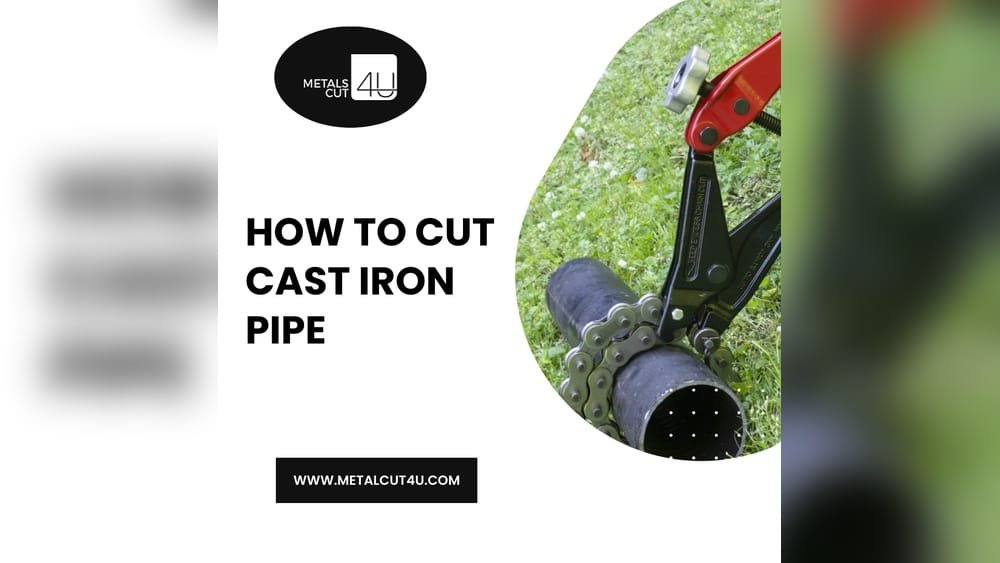
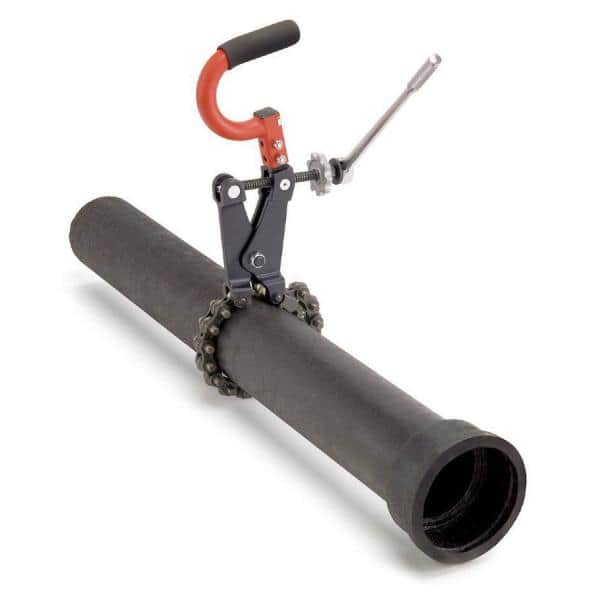
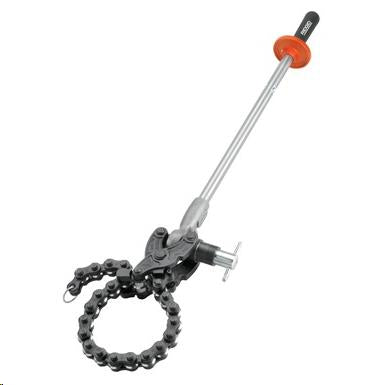
A snap cutter looks like a chain with cutting wheels. You wrap it around a pipe, tighten it, and then use force to “snap” the pipe. It’s quick and clean for cast iron, clay, or concrete pipes. You get a neat break, with little dust or noise.
Plumbers and pipefitters love snap cutters for older pipes. They’re portable and don’t need electricity. I’ve used them in basements, tight crawlspaces, and even on city streets.
How Snap Cutters Work
Here’s what happens:
- You position the cutter chain around the pipe.
- Tighten the chain using a ratchet or lever.
- The cutting wheels dig into the pipe as you apply force.
- The pipe snaps along the chain line.
It’s simple and satisfying—when it works.
Can You Use A Snap Cutter On Ductile Iron Pipe?
This is the big question. I’ve tried, and I can tell you: snap cutters aren’t made for ductile iron pipe. They’re designed for cast iron, which is brittle. Ductile iron is tough and flexible. When you squeeze it, instead of snapping, it bends and resists breaking.
I remember our first attempt. We wrapped the snap cutter around a 6-inch ductile iron pipe and ratcheted it tight. We applied force. The pipe didn’t snap. Instead, the wheels just pressed grooves into the pipe, and the chain slipped.
We tried again, harder, but the pipe wouldn’t give. We ended up with a damaged snap cutter and a pipe full of scratches.
In theory, if you use a snap cutter on a small, thin ductile iron pipe, and the cutter is very sharp, you might score the surface. But in real life, I’ve never seen it work. Ductile iron pipes are made to bend, not break.
Snap cutters need brittle pipes.
Why Snap Cutters Don’t Work On Ductile Iron Pipe
Let me break down the reasons:
- Pipe Material: Ductile iron is flexible. Cast iron is brittle. Snap cutters rely on brittleness.
- Pipe Wall Thickness: Ductile iron pipes are thick—often 0.25 inches or more. Snap cutters can’t penetrate deep enough.
- Pipe Diameter: Bigger pipes need more force. Ductile iron pipes are often large, and snap cutters aren’t strong enough.
- Pipe Toughness: Ductile iron can absorb force without breaking. Snap cutters just dig in, leaving marks.
Example: Cast Iron Vs. Ductile Iron Pipe Cutting
I’ve cut cast iron pipes with snap cutters many times. It’s easy. The pipe breaks cleanly. But with ductile iron, the cutter chain slips, the pipe stays whole, and you waste time.
Here’s a quick comparison:
| Pipe Type | Snap Cutter Result | Typical Pipe Thickness |
|---|---|---|
| Cast Iron | Clean break | 0.15 – 0.25 inches |
| Ductile Iron | Scored surface, no break | 0.25 – 0.5 inches |
| Clay | Clean break | 0.5 – 1 inch |
The Right Way To Cut Ductile Iron Pipe
When snap cutters fail, you need other tools. Over the years, I’ve tried many methods. Here’s what works best:
1. Abrasive Saw (cut-off Saw)
This is my top choice. An abrasive saw uses a spinning blade to grind through the pipe. It’s fast, accurate, and can handle thick walls. You need electricity or gas, and safety gear, but it gets the job done. For a 6-inch ductile iron pipe, it takes 1-2 minutes.
2. Pipe Cutter (rotary Cutter)
There are special rotary cutters for ductile iron. They clamp around the pipe and use a sharp wheel to slice through as you rotate. It’s slower than an abrasive saw but makes a neat cut. Good for tight spaces.
3. Reciprocating Saw (sawzall)
If you don’t have a cut-off saw, a Sawzall with a metal blade can cut through ductile iron. It’s slower and noisy, but handy for repairs. Make sure to use blades rated for hard metals.
4. Torch (oxy-acetylene)
Sometimes, welders use a torch to cut ductile iron. This works, but leaves rough edges and can weaken the pipe. I avoid it unless nothing else works.
Comparison Of Cutting Methods
Let me show you how these compare from my experience:
| Method | Cut Quality | Speed | Safety | Cost |
|---|---|---|---|---|
| Abrasive Saw | Clean | Fast | Medium | Medium |
| Rotary Cutter | Very Clean | Medium | High | High |
| Sawzall | Rough | Slow | Medium | Low |
| Torch | Rough | Medium | Low | Low |
Common Mistakes When Cutting Ductile Iron Pipe
When I first started, I made a few mistakes. Here are some traps I fell into—and tips to avoid them:
- Using the wrong tool: Snap cutters are tempting, but they don’t work for ductile iron.
- Underestimating pipe thickness: Ductile iron is thick. Make sure your blade or cutter can handle it.
- Skipping safety gear: Cutting ductile iron throws sparks and dust. Always use goggles, gloves, and a mask.
- Rushing the cut: Go slow. If you push too hard, you can damage tools or injure yourself.
- Ignoring pipe support: Secure the pipe. If it rolls or moves, your cut will be crooked.
Practical Tips For Cutting Ductile Iron Pipe
Here’s what I’ve learned from years of work:
- Mark your cut: Use chalk or a marker. Double-check the spot.
- Secure the pipe: Use clamps or blocks to keep the pipe still.
- Use a sharp blade: Dull blades slow you down and risk injury.
- Cool the pipe: If using an abrasive saw, let the pipe cool between cuts. This prevents warping.
- Check for pressure: Make sure there’s no water or gas in the pipe before cutting.
Non-obvious Insights
Most people don’t realize:
- Cutting ductile iron pipe produces a lot of heat. If you cut too quickly, the pipe can warp or the blade can fail.
- The vibration from cutting can loosen nearby joints. Always check fittings after you finish.
Safety Considerations
Cutting ductile iron pipe is tough work. Here’s how to stay safe:
- Always wear eye protection and gloves.
- Use ear protection if you’re cutting with power tools.
- Clear the area of flammable materials before cutting.
- If using a torch, watch for toxic fumes. Use good ventilation.
- Never cut a pipe that’s under pressure.
When Snap Cutters Might Work
To be honest, I’ve never seen a snap cutter work on ductile iron pipe in real life. Some people claim it’s possible on thin, old pipes. But if you try, you risk damaging your tool and wasting time. If you must try, use a new, high-quality snap cutter and a small pipe.
Don’t expect much.
Alternatives To Snap Cutters
If you don’t have access to a saw or rotary cutter, you can try hand tools:
- Hacksaw: For small pipes, a hacksaw works but is slow.
- Angle grinder: Handy and portable, but watch for sparks.
- Pipe splitting: Some pros score the pipe all around, then hit it with a hammer. This is risky and rarely works.
I always recommend using the right power tool. It saves time and gives better results.
Real-life Example
On one job, we had to cut a 10-inch ductile iron pipe under a busy street. We tried a snap cutter first, hoping for a quick fix. No luck. We switched to a gas-powered abrasive saw. It cut through in under five minutes.
The cut was clean, and we finished the job before lunch. The lesson? Tools matter, and ductile iron needs something stronger than a snap cutter.
Data: Pipe Cutting Efficiency
Let’s look at how cutting methods compare in speed and effort. This is from my own experience.
| Pipe Size | Snap Cutter Time | Abrasive Saw Time | Rotary Cutter Time | Sawzall Time |
|---|---|---|---|---|
| 6-inch | Failed | 2 min | 5 min | 10 min |
| 10-inch | Failed | 5 min | 15 min | 25 min |
You can see that snap cutters just don’t work for ductile iron, while abrasive saws are fast.

Expert Guidance
If you want to cut ductile iron pipe, don’t waste time with a snap cutter. Invest in a good abrasive saw or rotary cutter. Always check the pipe size and thickness. Use the right blade. Secure your workspace and wear safety gear.
If you’re unsure, ask a pro. It’s better to get advice than damage your tools or pipe.
If you want more technical details about ductile iron pipe, the official Wikipedia page is a helpful resource.
Frequently Asked Questions
What Happens If You Use A Snap Cutter On Ductile Iron Pipe?
The snap cutter will press grooves into the pipe, but it won’t break it. Ductile iron is flexible, so it resists snapping. You may damage your cutter and waste time.
Is There Any Situation Where A Snap Cutter Could Work On Ductile Iron?
Some people say it might work on thin, small pipes, but I’ve never seen it succeed. The material is too tough and flexible for the cutter to break through.
What’s The Best Tool For Cutting Ductile Iron Pipe?
An abrasive saw is the best choice. Rotary cutters also work well, but are slower. Make sure your tool is rated for ductile iron.
Are There Risks When Cutting Ductile Iron Pipe?
Yes. Cutting produces sparks and metal dust. Pipes can be heavy and hard to handle. Always wear safety gear and secure the pipe before cutting.
Can I Use A Hacksaw Or Sawzall For Ductile Iron Pipe?
You can, but it’s slow and hard. Use a strong metal blade, and be ready for a rough cut. Power tools like abrasive saws are much faster and safer.
—
Looking back, I wish someone had told me sooner that snap cutters and ductile iron pipes don’t mix. Cutting ductile iron pipe is tough, but with the right tools and safety steps, it’s doable. Every job teaches something new. If you’re facing this task, learn from my experience—choose the right tool, stay safe, and don’t waste time with snap cutters.
As an Amazon Associate, We earn from qualifying purchases