
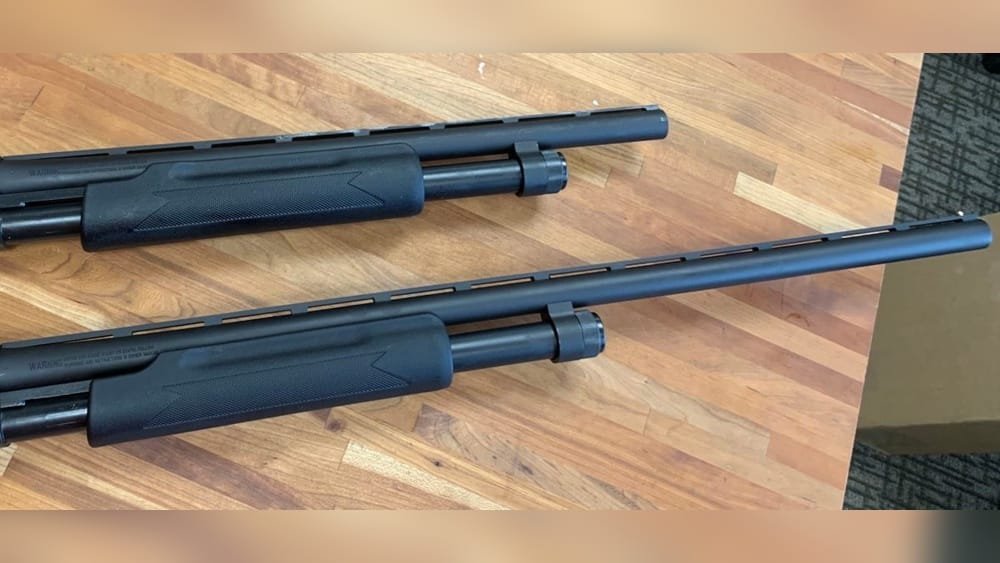
Can You Cut a Shotgun Barrel With a Pipe Cutter? My Honest Experience
If you’ve ever looked at your old shotgun and wondered if you could make the barrel shorter, you’re not alone. I remember the first time I thought about this. My shotgun had a long barrel, and I wanted something more compact for home defense. The big question was: can you cut a shotgun barrel with a pipe cutter? I decided to try it myself, and I learned a lot along the way. Here’s everything you need to know from my personal experience—so you don’t repeat my mistakes.
Why People Want To Cut Their Shotgun Barrel
Let me start by sharing why someone might want to cut their shotgun barrel in the first place. For me, the main reason was maneuverability. A long barrel can make a shotgun harder to use indoors or in tight spaces. Many people want a shorter barrel for home defense, or just to make the gun easier to store and carry.
But before you even think about cutting, it’s important to know the laws in your area. In the United States, for example, the minimum legal length for a shotgun barrel is 18 inches. If you cut it shorter, you could face serious legal trouble.
Always check your local and national laws before doing anything.
What Is A Pipe Cutter?
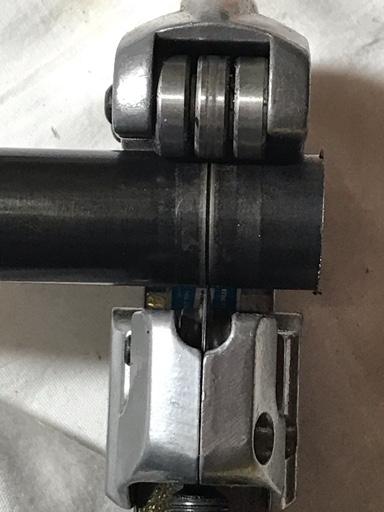
When I first thought about cutting my shotgun barrel, I didn’t want to buy expensive tools. I had a pipe cutter in my toolbox, and I wondered if it would work. A pipe cutter is a hand tool that plumbers use to cut copper, steel, or other metal pipes. It has a sharp cutting wheel and two rollers. You clamp it around the pipe (or barrel) and spin it, tightening the knob as you go. The wheel slowly cuts a groove into the metal until the pipe separates.
Pipe cutters are cheap, easy to use, and make a clean cut on pipes. But does that mean they’re good for shotgun barrels? Let’s dive into what I learned.

My First Attempt: Using A Pipe Cutter On A Shotgun Barrel
I was excited but also nervous. My goal was to cut my 28-inch barrel down to a legal 18. 5 inches. I measured carefully and marked the spot with tape. After removing the barrel from the shotgun, I set up my pipe cutter and started turning.
At first, it seemed to work. The cutter bit into the steel, making a neat groove. I kept tightening and turning. It took much longer than I expected—my hands were sore. After about 10 minutes, the barrel finally separated.
But that’s where the problems began.
The Problems I Faced
Barrel Deformation
The first thing I noticed was that the end of the barrel was no longer perfectly round. The pipe cutter squeezed the barrel, making it slightly oval. This is common because shotgun barrels are thinner than plumbing pipes. The pressure from the rollers can deform the steel, especially near the cut.
Burrs And Sharp Edges
Next, I ran my finger along the cut edge. It was sharp and had lots of small metal burrs. I had to use a file and sandpaper to smooth it out. If you skip this step, you can cut your hand or even damage shotgun shells during loading.
Crown Damage
Shotgun barrels need a clean, even “crown” at the muzzle for the shot to exit smoothly. The pipe cutter left a flat, rough edge. I realized later that this can affect the spread of the shot, making it less accurate.
Blueing Damage
Finally, the pipe cutter scratched off some of the blueing (protective finish) near the cut. This exposed the steel to rust. I had to touch it up with cold blue solution.
Why Pipe Cutters Aren’t The Best Choice
After my experience, I realized that pipe cutters are not ideal for shotgun barrels. Here’s why:
- Deforms the Barrel: The rollers put uneven pressure on thin steel, changing the shape.
- Poor Finish: The cut is not as clean as a saw, and the crown is not smooth.
- Extra Work: You have to spend time fixing the edge and finish.
- Not Made for Guns: Pipe cutters are for plumbing, not firearms.
To give you a clearer picture, here’s how the two methods compare:
| Feature | Pipe Cutter | Hacksaw |
|---|---|---|
| Barrel Shape | Often deformed | Stays round |
| Edge Quality | Sharp, with burrs | Can be smoother |
| Cutting Time | Slow | Faster |
| Tool Cost | Low | Low |
What Happens After Cutting: The Real Results
After finishing the cut and cleaning up the burrs, I reassembled my shotgun. I took it to the range to see if there was any difference. Here’s what I noticed:
- The spread of the shot was a little wider than before, which was expected with a shorter barrel.
- Accuracy at close range was fine, but at longer ranges, the pattern was inconsistent.
- Loading shells became tricky until I really smoothed the cut.
- The exposed steel started to rust after a few weeks until I treated it.
I realized that the way you cut the barrel really does make a difference in performance and safety.
Better Ways To Cut A Shotgun Barrel
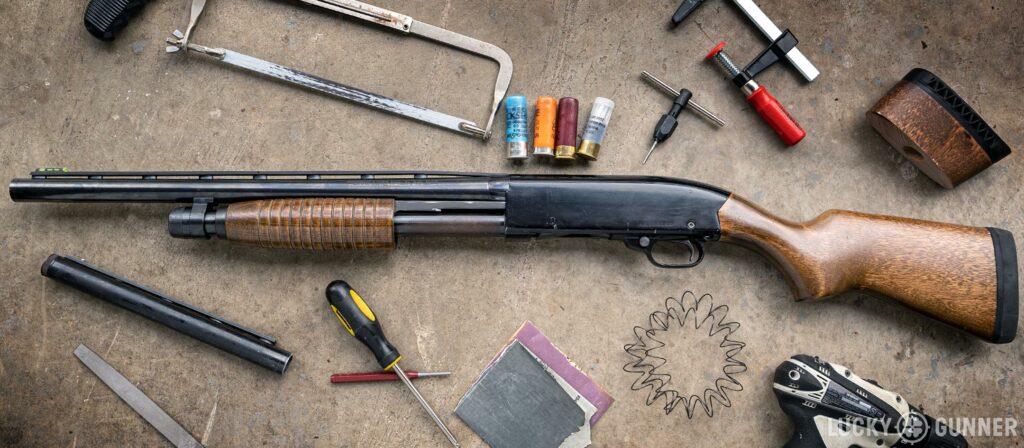
If I could do it again, I’d use a hacksaw and a file instead of a pipe cutter. Here’s why:
- A fine-tooth hacksaw makes a straight cut without squeezing the barrel.
- You can tape the barrel where you want to cut to prevent scratches.
- After cutting, use a file to clean up the edge and round off the crown.
- Sand the edge smooth and use cold blue to protect the steel.
This process takes a bit more time, but the results are much better. The barrel stays round, the edge is safer, and the gun works smoothly.
Here’s a step-by-step comparison of the two methods:
| Step | Pipe Cutter | Hacksaw |
|---|---|---|
| Mark Barrel | Easy | Easy |
| Cut Barrel | Slow, lots of turns | Faster, more control |
| Finish Edge | Needs lots of filing | Needs filing, but less |
| Protect Finish | Often scratches blueing | Can avoid with tape |
| Final Shape | Sometimes oval | Stays round |
Safety And Legal Tips
After trying this myself, I can’t stress enough how important safety is. Here are some practical tips:
- Double-check the law before you cut. In the U.S., the barrel must be at least 18 inches, and the overall length must be at least 26 inches. Measure twice, cut once.
- Always remove the barrel from the shotgun before cutting.
- Wear safety glasses and gloves—metal filings are sharp.
- Clean the barrel well after cutting and filing to remove any metal shavings.
- If you’re not confident, ask a professional gunsmith for help.
Many gun owners have gotten in trouble for cutting their barrels too short, even by accident. Don’t risk it.
Surprising Lessons I Learned
Looking back, there are a couple of things I wish I knew before I started:
- Measuring is tricky. You should measure from the closed bolt face to the end of the barrel, not just the outside.
- You can’t undo it. Once you cut the barrel, there’s no going back. Always leave a little extra length, just in case.
- Smoothing the crown is more important than I thought. A rough crown can change how your shotgun shoots.
- Professional work looks better. A gunsmith can cut and crown your barrel perfectly, and it’s not very expensive.
My Recommendations For Anyone Considering This
If you’re thinking about cutting your shotgun barrel, here’s my honest advice:
- Don’t use a pipe cutter. It seems easy, but the results aren’t good for guns.
- Use a hacksaw with a fine blade, and take your time.
- Spend extra time on finishing the edge and the crown.
- Always follow the law, and measure carefully.
If you’re not sure, or you want a perfect job, pay a gunsmith to do it. It’s cheaper than buying a new shotgun if you mess up.
Real Alternatives To Diy Cutting
There are some other options if you want a shorter shotgun:
- Buy a factory short-barrel shotgun. Many companies make home defense models with 18.5-inch barrels.
- Look for replacement barrels. Some shotguns have interchangeable barrels in different lengths.
- Ask a gunsmith. Many shops will cut and crown your barrel for a reasonable fee, and you get a safe, professional result.
These options might cost more up front, but they save you the hassle and risk of DIY mistakes.
A Quick Glance: Pros And Cons
Here’s a summary of what I found:
| Method | Pros | Cons |
|---|---|---|
| Pipe Cutter | Cheap, easy to use | Deforms barrel, rough finish, not for guns |
| Hacksaw | Better cut, keeps shape | Needs careful finishing |
| Professional Gunsmith | Perfect cut, safe, legal advice | Costs more money |
Where To Learn More
If you want to read more about shotgun laws and modifications, I recommend checking the Bureau of Alcohol, Tobacco, Firearms and Explosives rules on their official site: ATF Firearms FAQ. It’s always best to know the law before you make changes to your gun.
Frequently Asked Questions
Is It Illegal To Cut Your Own Shotgun Barrel?
It’s legal in some places, but only if the barrel is at least 18 inches long (and the gun is at least 26 inches overall) in the U. S. Always check your local laws before starting.
Does Cutting A Shotgun Barrel With A Pipe Cutter Hurt Accuracy?
Yes, it can. A pipe cutter often deforms the barrel and leaves a rough edge, which can cause wider or uneven shot patterns.
Can I Use A Pipe Cutter On Other Guns?
No, it’s not a good idea. Pipe cutters are for plumbing, not firearms. They can damage thin gun barrels and reduce safety.
How Do I Measure My Shotgun Barrel Correctly?
Close the action and measure from the closed bolt face to the end of the barrel. Don’t just measure the outside.
Should I Let A Gunsmith Cut My Barrel Instead?
If you want the best results and don’t want to risk ruining your gun, a gunsmith is the safest choice.
Cutting a shotgun barrel is a big decision. I hope sharing my experience helps you make the right choice for your safety, your gun, and the law. If you’re not sure, ask a pro—and always measure twice before you cut.
As an Amazon Associate, We earn from qualifying purchases