
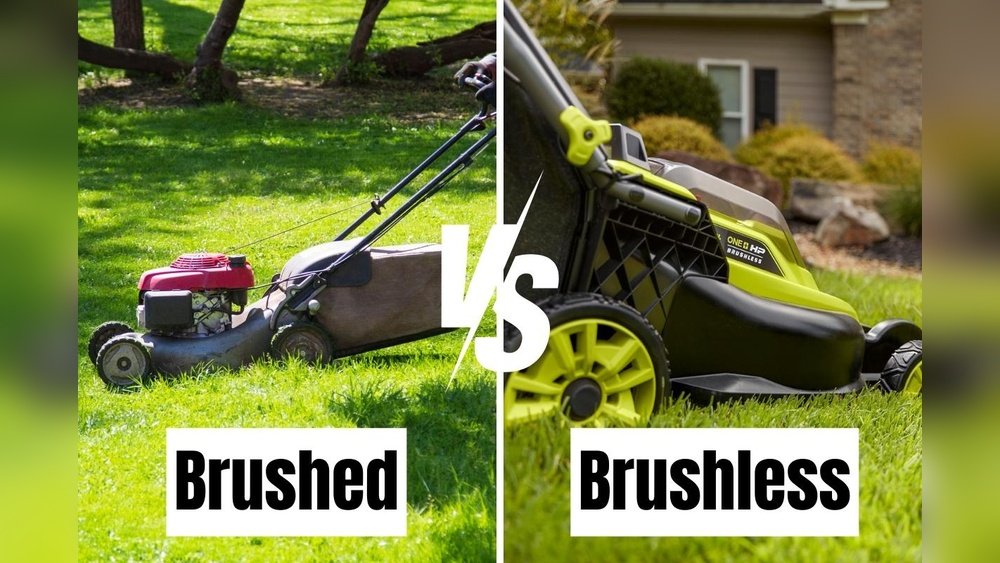
Choosing the right lawn mower can make your yard work easier, faster, and even more enjoyable. But when you start shopping, you’ll notice there are two main types of motors: brushless and brushed. Each has its own set of advantages and drawbacks. If you’re not familiar with these terms, you’re not alone. Many homeowners don’t realize how much the type of motor can affect a mower’s performance, maintenance, and lifespan. This guide will help you understand the differences between brushless and brushed lawn mowers, so you can make a decision that fits your needs, your budget, and your yard.
What Do “brushless” And “brushed” Mean?
Both terms describe the way the electric motor inside the mower works. The motor is the heart of any electric lawn mower. It’s responsible for spinning the blade and, in some models, driving the wheels.
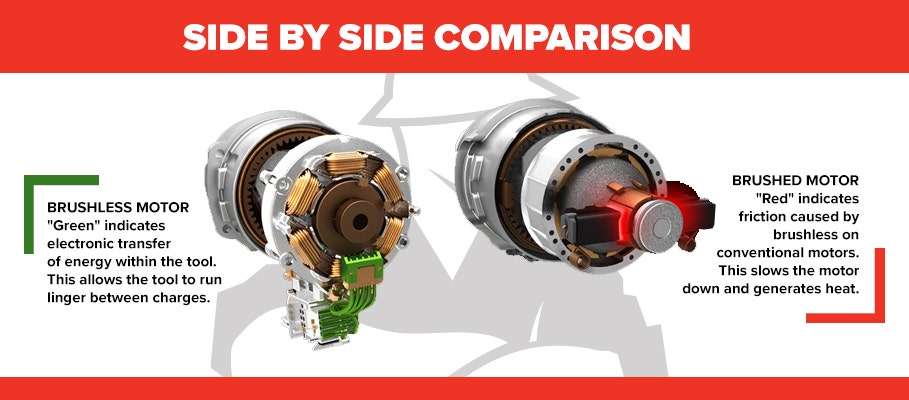
A brushed motor uses physical brushes—small blocks of carbon that press against the spinning part of the motor (the commutator). These brushes conduct electricity and help the motor spin.
A brushless motor removes these brushes. Instead, it uses electronic controls (often called a controller or circuit board) to manage the flow of electricity. This small change leads to big differences in how the motor works, how long it lasts, and what you’ll experience as a user.
Understanding these basics is key, but you’ll soon see how these differences play out in real-world mowing.
How Each Motor Type Works
Brushed Motor Lawn Mowers
The brushed motor is a classic design. When you pull the mower’s trigger, electricity flows from the battery or power cord into the motor. The carbon brushes physically touch the spinning commutator. This creates a magnetic field that turns the blade.
Because the brushes are always in contact with the spinning part, they slowly wear down over time. When the brushes wear out, the motor won’t work until you replace them.
Brushless Motor Lawn Mowers
Brushless motors are more advanced. Instead of brushes, they use sensors and a small computer chip to control the flow of electricity. The chip switches the electric current at high speed, turning the blade without any physical contact. This means no brushes to wear out.
Brushless motors run cooler, use power more efficiently, and can adjust their speed automatically based on how thick or tough your grass is.
Key Differences: Brushless Vs Brushed Lawn Mower
Here’s a side-by-side look at the most important differences.
| Feature | Brushed Motor | Brushless Motor |
|---|---|---|
| Efficiency | Lower (60-70%) | Higher (80-90%) |
| Noise Level | Louder | Quieter |
| Maintenance | Brushes need replacement | Almost maintenance-free |
| Motor Lifespan | Shorter (500-1,000 hours) | Longer (2,000+ hours) |
| Cost | Lower initial price | Higher initial price |
| Power Output | Stable, but less adaptive | Can adjust to grass thickness |
This table gives a quick view, but let’s dig deeper into each area.
Performance And Cutting Power
Brushed Motor Performance
Brushed mowers deliver steady, reliable power. For small lawns or light grass, they usually perform well. But when you hit thick or wet grass, a brushed motor can struggle. The power remains constant because the brushes supply the same amount of current, no matter what you’re cutting.
Brushless Motor Performance
Brushless mowers stand out because they can change speed and torque automatically. When you hit a patch of thick weeds or tall grass, the mower senses the extra resistance and sends more power to the blade. This “smart” feature means you get a more even cut, less bogging down, and less chance of stalling.
Another advantage: brushless motors waste less energy as heat. More power goes straight to the blade, so your battery lasts longer and you can mow larger areas on a single charge.
Non-obvious insight: Many new brushless mowers also have “turbo” or “boost” modes, which temporarily increase power for difficult spots. Brushed mowers rarely offer this.

Battery Life And Energy Efficiency
A big reason homeowners switch to battery-powered mowers is to avoid gas and oil. But battery life can be a deal-breaker.
Brushed Motor Battery Use
Brushed motors are less efficient. About 30-40% of the energy can be lost as heat and friction in the brushes. This means you get less mowing time per charge. If you have a large yard, you may need to recharge or swap batteries before you finish.
Brushless Motor Battery Use
Brushless motors are much more efficient. Up to 90% of the battery’s energy can go directly to cutting grass. This gives you longer run time (sometimes 20-30% more per charge), which is critical for big lawns.
Non-obvious insight: Efficiency differences become even more noticeable as batteries age. Older batteries struggle to deliver full power, so the extra efficiency of a brushless motor helps keep your mower usable for more seasons.
Durability And Maintenance Needs
Brushed Motor Maintenance
Brushed motors are simple, but they need attention. The carbon brushes are a wear part. Depending on how often you mow, brushes may last 1-3 years. Replacing them is not hard, but you need to open the motor housing, find the right parts, and have basic tools. If you ignore worn brushes, the motor can overheat and fail.
Other moving parts (like the commutator) can also wear down. Dust and grass clippings can speed up this wear if they get inside.
Brushless Motor Maintenance
Brushless motors require almost no maintenance on the motor itself. No brushes means nothing to replace. The sealed design keeps out dust and moisture better, so failures are rare.
You still need to clean the mower deck, sharpen the blade, and check the battery, but the motor is almost “set and forget. ”

Noise And Vibration
Noise is a big deal for many homeowners. Early morning mowing, close neighbors, or sensitive ears all make a quiet mower attractive.
- Brushed mowers tend to be louder because of the friction and sparking inside the motor.
- Brushless mowers are noticeably quieter. The lack of brushes means less vibration, and the motor whine is softer.
If you want to mow without bothering others (or wearing earplugs), brushless is the clear winner.
Price: Upfront And Long-term Costs
Let’s talk money. Price is always a factor, but it’s important to look beyond just the sticker.
Upfront Price
Brushless mowers usually cost more. Expect to pay $50–$150 extra for a similar model with a brushless motor. For example, an entry-level brushed mower might cost $200, while a brushless version could be $250–$350.
Long-term Costs
Brushed mowers may need new brushes ($10–$30) every few years. Repairs for worn-out motors can run $50–$100 or more.
Brushless mowers, in contrast, have fewer parts to wear out. You’ll spend less on repairs and replacements over the life of the mower.
Value Over Time
While brushless mowers cost more upfront, they often last 2–3 times longer than brushed models. If you keep your mower for 5–10 years, the higher initial investment pays off.
Weight And Handling
Many buyers overlook weight, but it can change your mowing experience.
- Brushed mowers may be slightly heavier because their motors are bulkier.
- Brushless mowers use more compact motors and electronics, which can make the mower lighter and easier to push.
A lighter mower is easier to maneuver, especially around trees and flowerbeds.
Suitability For Different Lawn Sizes
Small Lawns (under 1/4 Acre)
If you have a tiny yard, both mower types can work. The main advantage of brushless motors (long run time, power boost) may not matter much for quick jobs. Budget is often the deciding factor.
Medium Lawns (1/4 To 1/2 Acre)
Here, efficiency starts to matter. Brushless mowers help you finish in one charge, handle thicker spots, and reduce maintenance.
Large Lawns (over 1/2 Acre)
For big yards, brushless mowers are much better. The combination of longer run time, more power, and less overheating makes them the smart choice. Brushed mowers may struggle or require multiple charges.
Common Applications And User Types
| User Type | Best Motor Type | Why |
|---|---|---|
| First-time buyer | Brushed (budget) | Low cost, simple lawns |
| Busy homeowner | Brushless | Low maintenance, long lifespan |
| Eco-conscious user | Brushless | High efficiency, less waste |
| Rental property manager | Brushless | Durable, fewer repairs |
| Senior citizen | Brushless | Lighter, easier to push |
| DIY repair fan | Brushed | Easy to repair, cheap parts |
Environmental Impact
Environmental concerns are growing. Both motor types are better than gas engines, but brushless mowers have an edge.
- Brushless motors waste less energy, so you recharge less often. This means less electricity use.
- Because they last longer, brushless mowers generate less electronic waste over time.
- Fewer replacement parts are needed, reducing the environmental footprint.
Non-obvious insight: Some cities offer rebates for buying electric, especially brushless, mowers because of their efficiency and low emissions.
Reliability And Lifespan
Reliability is where brushless mowers shine.
- Brushed motors often need repairs after 2–5 years (depending on usage).
- Brushless motors can last 8–10 years or more with basic care.
This longer life means fewer breakdowns and less hassle.
Features And Technology
Modern brushless mowers often come with advanced features:
- Automatic speed adjustment: Changes power based on grass thickness.
- Digital displays: Show battery life and runtime.
- Bluetooth/app controls: Some high-end models let you track usage or get alerts.
- Better safety features: Electronic brakes or blade-stop systems.
Brushed mowers are more basic. If you like tech, brushless is the way to go.
Noise And Neighbor Friendliness
If you live in a quiet neighborhood or like to mow early or late, noise level matters.
- Brushed mowers can be 10–15 decibels louder than brushless.
- Brushless mowers are less likely to disturb others, making them ideal for townhouses or HOA neighborhoods.
Repair And Replacement Parts
Brushed Mowers
- Parts availability: Brushes are cheap and easy to find.
- DIY-friendly: Many handy owners can swap brushes in under 30 minutes.
- Other repairs: Commutators and armatures may need replacing as well.
Brushless Mowers
- Parts availability: Fewer parts wear out, but if the electronic controller fails, repairs can be expensive.
- Less DIY: Replacing a circuit board is harder than swapping brushes. Most repairs need a pro.
Non-obvious insight: Some mower brands offer extended warranties on brushless motors because they’re so reliable.
Which Should You Choose?
Here are some questions to help you decide:
- How big is your lawn? For large or thick lawns, brushless is worth the investment.
- What’s your budget? Brushed is cheaper up front, but may cost more in repairs and downtime.
- How much maintenance do you want to do? Brushless is almost maintenance-free.
- Do you want the latest features? Go brushless.
- Do you mind a little noise? Brushless is quieter.
Real-world Examples
Example 1: Small City Lot
Maria has a 1/8 acre yard with mostly short grass. She mows every 2 weeks. A simple brushed mower works well for her, and she spends less money.
Example 2: Suburban Family Yard
Jacob’s yard is 1/3 acre with some thick patches. He switched to a brushless mower and noticed he could finish the whole yard on one charge. The mower rarely bogs down, and he hasn’t had to do any motor maintenance in 4 years.
Example 3: Rental Property
A property manager maintains 5 lawns. He uses brushless mowers for their reliability and long life. He spends less on repairs and avoids downtime.
Example 4: Senior Homeowner
Ellen is 70 and has arthritis. She switched to a brushless mower because it’s lighter and easier to push, making mowing less of a chore.
Buying Tips And Common Mistakes
What Matters Most
- Motor type: Brushless for power and efficiency, brushed for low cost.
- Battery quality: Look for lithium-ion batteries from well-known brands.
- Cutting width: Wider decks finish faster but may be heavier.
- Adjustable height: Important for different grass types.
- Warranty: Longer is better, especially for brushless motors.
Common Mistakes
- Ignoring motor type: Some buyers focus only on price or brand, not realizing the motor difference.
- Underestimating lawn size: Small mowers may not handle large or tough lawns.
- Skipping battery specs: A good motor needs a good battery to perform.
- Assuming all electric mowers are the same: Features and quality vary widely.
Quick Comparison Recap
Here’s a fast summary to help you decide:
| Factor | Brushed | Brushless |
|---|---|---|
| Initial Cost | Lower | Higher |
| Maintenance | Needs brush replacement | Minimal maintenance |
| Noise | Louder | Quieter |
| Efficiency | Lower | Higher |
| Features | Basic | Advanced |
| Best For | Small lawns, tight budgets | Medium/large lawns, tech fans |
Frequently Asked Questions
What Is The Main Difference Between Brushless And Brushed Lawn Mowers?
The main difference is the motor design. Brushed motors use physical brushes that wear out over time, while brushless motors use electronic controls, making them more efficient, quieter, and longer lasting.
Are Brushless Lawn Mowers Worth The Extra Cost?
For most people, yes. Brushless mowers last longer, need less maintenance, and perform better—especially on medium to large lawns. If you mow often or want fewer repairs, the higher price pays off.
How Do I Know If My Lawn Mower Is Brushless Or Brushed?
Check your owner’s manual or look for model details online. Brushless mowers are usually advertised clearly. If your mower mentions replacing brushes, it’s a brushed model.
Can I Upgrade A Brushed Mower To Brushless?
No, you can’t simply swap motors. Brushless motors need special electronics and controls that aren’t built into brushed mowers. If you want brushless performance, you’ll need to buy a new mower.
Which Type Is Better For The Environment?
Brushless mowers are usually better for the environment because they use less electricity, last longer, and produce less waste. Both are cleaner than gas mowers, but brushless is the greener choice.
Selecting between brushless and brushed lawn mowers comes down to your priorities—cost, performance, maintenance, and features. Now that you know the full story, you can confidently pick the right mower for your yard and enjoy a better mowing experience for years to come. If you want to dive deeper into electric motor technology, check out this helpful resource from Wikipedia.
As an Amazon Associate, We earn from qualifying purchases