
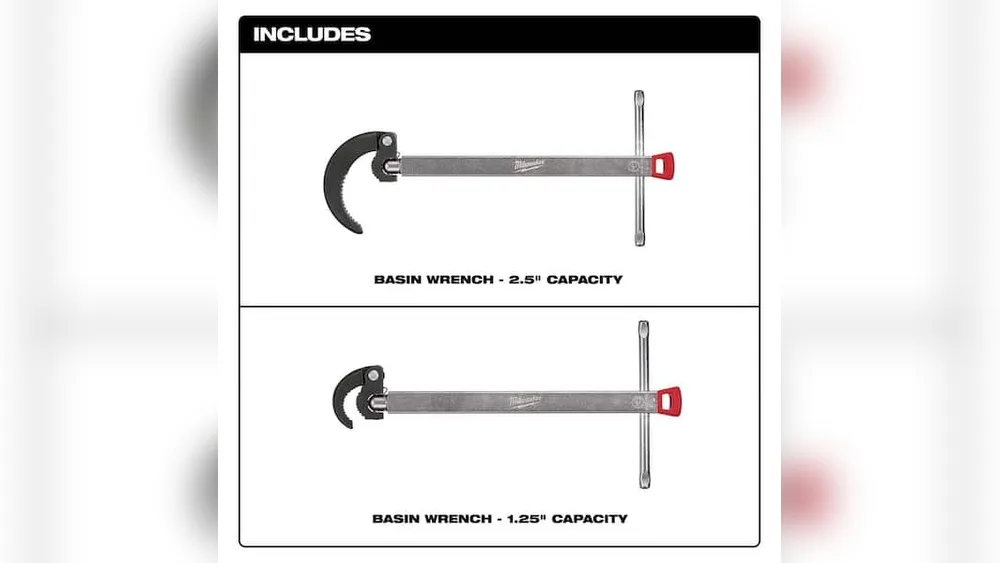
Are There Different Size Basin Wrenches? My Real Experience Explained
Let me share something I learned the hard way. Years ago, I thought a basin wrench was just a simple tool. You grab one, and it works for any sink. But after struggling under kitchen sinks and bathroom vanities, I found out that basin wrenches come in different sizes—and choosing the wrong one can turn a 20-minute job into a two-hour headache.
If you’re new to plumbing or just want to avoid mistakes I made, keep reading. I’ll break down everything about basin wrench sizes. I’ll explain the differences, how to pick the right one, and what happens when you use the wrong tool. I want you to finish this article feeling confident, not confused.
What Is A Basin Wrench And Why Size Matters
A basin wrench is a long tool with a swiveling jaw. It’s made for tight spaces under sinks, especially for removing faucet nuts. The space is small, and your hands can’t reach. That’s why you need the right size wrench.
I used to think any basin wrench would fit. My first one was too short. I had to crawl under the sink, twist my body, and still couldn’t reach the nut. Then I bought a longer wrench, but the jaw was too big for the small nut. This taught me that both length and jaw size matter.
The Two Main Size Factors
When choosing a basin wrench, you should look at:
- Length (handle reach)
- Jaw opening (nut size)
Let me explain each one.
Handle Length
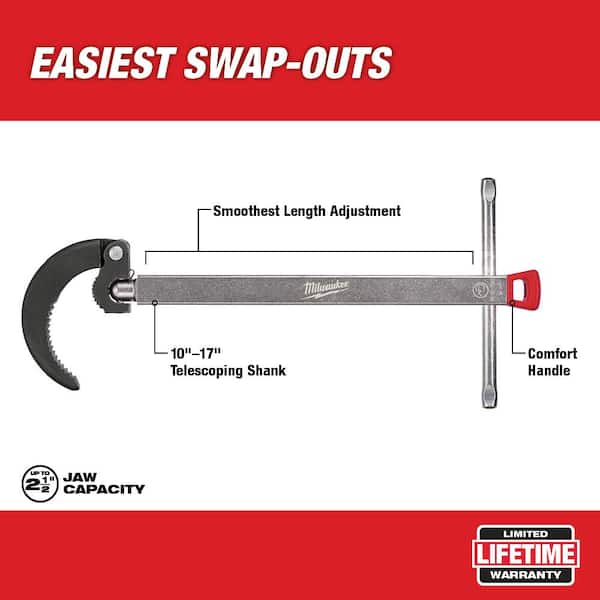
The length of a basin wrench is usually between 10 and 17 inches. Shorter wrenches are easier to control in tight spots, but they can’t reach deep nuts. Longer wrenches give you more reach, but they’re harder to use in cramped cabinets.
Here’s a simple comparison:
| Handle Length | Best For | Common Problem |
|---|---|---|
| 10-12 inches | Bathroom sinks, shallow cabinets | Can’t reach deep nuts |
| 14-17 inches | Kitchen sinks, deep vanities | Harder to fit in tight spots |
I once tried fixing a leak in a deep kitchen sink. My 10-inch wrench barely touched the nut. I had to buy a 16-inch wrench, which reached easily.
Jaw Size
The jaw is the part that grabs the nut. Basin wrenches usually fit nuts from 3/8 inch to 1 inch. Some can open wider, but most plumbing nuts are in this range.
If your jaw is too small, it won’t grip the nut. If it’s too big, it slips or won’t fit in the tight space.
I remember struggling with a tiny faucet nut. My basin wrench jaw was too wide, so I couldn’t grip it. I had to use pliers, which damaged the nut. A smaller jaw would have saved me trouble.

Common Basin Wrench Sizes
Let’s look at the most popular sizes. I’ve used a few different ones over the years.
1. 10-inch Handle, 3/8 To 3/4 Inch Jaw
Perfect for bathroom sinks. Easy to control, fits most faucet nuts.
2. 12-inch Handle, 1/2 To 1 Inch Jaw
Good for standard kitchen faucets. Reaches moderate depth.
3. 16-inch Handle, 3/8 To 1 1/4 Inch Jaw
Ideal for deep sinks or older, larger nuts.
- Adjustable handle (extends 11 to 17 inches), jaw opens 3/8 to 1 inch
Best for versatility. I find adjustable wrenches handy when I don’t know what I’ll face.
Here’s another useful comparison:
| Wrench Type | Handle Length | Jaw Opening | My Use Case |
|---|---|---|---|
| Standard Fixed | 12 inches | 3/8–1 inch | Bathroom/kitchen faucets |
| Long Reach | 16 inches | 1/2–1 1/4 inch | Deep sinks, old nuts |
| Adjustable Handle | 11–17 inches | 3/8–1 inch | Mixed jobs, unknown sizes |
How To Pick The Right Size Basin Wrench
If you’re standing in the hardware store, here’s what you should check:
1. Measure The Space Under Your Sink.
If it’s shallow, don’t buy a long wrench.
2. Check The Nut Size.
Most faucet nuts are between 3/8 and 1 inch. If you’re dealing with old plumbing, measure the nut first.
3. Think About The Job.
For quick repairs, a standard 12-inch wrench works. For bigger jobs, get an adjustable handle.
4. Consider Jaw Shape.
Some jaws are curved, others are flat. Curved jaws grip round nuts better.
I once bought a long, heavy wrench for a simple bathroom fix. It was overkill. Now I own a small, light wrench for those jobs.
Non-obvious Insights Most Beginners Miss
1. Jaw Thickness Matters.
It’s not just the opening size. If the jaw is thick, it may not fit into small spaces. I learned this when my wrench wouldn’t fit between two pipes.
2. Pivot Head Angle Is Crucial.
Some basin wrenches have a head that pivots up to 180 degrees. This helps in tricky spots where you can’t get a straight grip. I once had a nut tucked behind a pipe. My fixed-head wrench couldn’t reach. The pivot-head wrench solved the problem.
Mistakes I Made (and How To Avoid Them)
I made several mistakes before learning how to choose basin wrenches wisely.
- Bought a cheap wrench with weak jaws. It slipped, rounded off the nut, and made removal impossible.
- Picked a wrench too long for a small vanity. It was hard to turn, and I kept banging my knuckles.
- Ignored handle grip. Smooth metal handles slip easily. Now I always look for rubber or textured grips.
Always check the wrench in your hand before buying. If possible, bring your old nut or measure its size.
Adjustable Vs Fixed Basin Wrenches
Some basin wrenches have a fixed handle and jaw. Others are adjustable. I recommend adjustable wrenches if you work on different sinks.
- Adjustable handle lets you reach deeper nuts.
- Adjustable jaw fits more nut sizes.
But adjustable wrenches can be heavier and more expensive. For simple jobs, a fixed size is fine.
Here’s how they compare:
| Type | Pros | Cons |
|---|---|---|
| Fixed | Light, easy to use | Limited reach and size |
| Adjustable | Versatile, fits more nuts | Heavier, more complex |
Practical Tips For Using Basin Wrenches
Let me share a few tips I wish I knew when I started:
1. Clear The Area Before You Start.
Move cleaning supplies and towels out of the cabinet.
2. Test The Wrench On The Nut Before Applying Force.
Make sure it grips snugly. If it slips, try a different jaw size.
3. Use Slow, Steady Pressure.
Fast twisting can slip and round off the nut.
4. Wear Gloves.
The wrench can slip and cut your hand.
5. Keep A Flashlight Handy.
Sinks are dark. Good lighting helps you see the nut and jaw position.
6. Don’t Overtighten New Nuts.
Over-tightening can crack the fixture or damage the nut.
I learned these after a few bruised knuckles and damaged nuts. They make the job easier and safer.
Are There Special Basin Wrenches For Unique Jobs?
Yes. Some basin wrenches are made for extra-large nuts or tight spaces. I once worked on a commercial kitchen sink with a huge nut. Regular wrenches wouldn’t fit. I had to rent a jumbo wrench from a tool shop.
Others have telescopic handles that extend. These help in deep vanities where the nut is far back.
Some basin wrenches even have built-in LED lights. I haven’t used one yet, but I see them in stores. If you work in dark spaces often, it might be worth considering.
Why Buying The Right Size Saves Money And Time
Buying the right size basin wrench means you:
- Avoid damaging nuts and fixtures (which can cost money to repair)
- Finish jobs faster
- Stay safe (no cut hands or bruised fingers)
- Feel more confident for future repairs
The first time I bought the right size, the repair took 15 minutes. Before that, it could take hours.
Real Data: Basin Wrench Usage In Home Repairs
Did you know that nearly 70% of DIY plumbing repairs involve tight spaces under sinks? According to a survey by the Home Repair Institute, the most common tool needed is a basin wrench. More than 60% of users reported buying a second wrench after finding their first one was the wrong size.
This shows how common my mistake was. Most people don’t realize there are different sizes until they run into trouble.
If you want to see official specs and standards, check out the Wikipedia wrench page.
Frequently Asked Questions
What Size Basin Wrench Do I Need For A Kitchen Sink?
Most kitchen sinks use faucet nuts between 1/2 inch and 1 inch. A 12–16 inch handle with a jaw that opens up to 1 inch is best. If your sink is deep, go for a longer handle.
Can I Use A Basin Wrench For All Plumbing Jobs?
Not always. Basin wrenches are designed for tight spaces and faucet nuts. For larger nuts or open spaces, a regular adjustable wrench or pipe wrench is better.
Are Adjustable Basin Wrenches Better Than Fixed Ones?
If you work on many sinks, adjustable wrenches are more versatile. But they can be heavier and more expensive. For simple repairs, a fixed wrench is easier to use.
How Do I Know If My Basin Wrench Is Too Big Or Too Small?
If the handle can’t reach the nut, it’s too short. If the jaw slips off the nut or can’t fit in the space, it’s too big. Always measure before buying.
What Should I Do If My Basin Wrench Slips On The Nut?
Try a wrench with a smaller jaw. Clean the nut to remove grease. If it still slips, use a jaw with more grip or try locking pliers as a last resort.
Final Thoughts
I hope my experiences help you avoid the mistakes I made. Basin wrenches come in different sizes, and picking the right one makes plumbing repairs much easier. Take a minute to measure your space and nut size before buying. Trust me, a few extra minutes choosing the right tool can save hours of frustration. Next time you’re under the sink, you’ll be glad you have the right size basin wrench in your toolbox.
As an Amazon Associate, We earn from qualifying purchases