
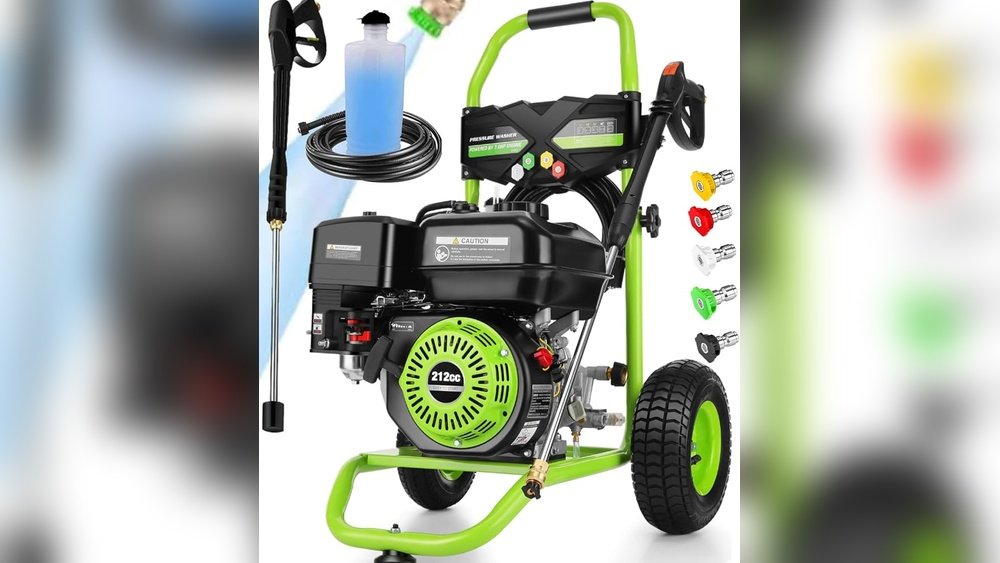
Pressure washers have become an essential tool for cleaning driveways, cars, decks, and many outdoor surfaces. If you have been shopping for one, you might have seen terms like EPA certified and CARB compliant. At first glance, these labels may look like simple stickers, but they mean much more. They can affect where you use your pressure washer, how much pollution it produces, and even if you are allowed to buy it in your state.
Choosing between an EPA and a CARB pressure washer can be confusing, especially for first-time buyers. Each label stands for a different regulation, and not understanding them can lead to legal trouble, fines, or simply buying a machine you cannot use. Most online guides only give a basic overview, but there are many details that matter—especially if you live in California or want to sell used equipment.
This guide will walk you through everything you need to know about EPA vs CARB pressure washers. We’ll cover what these terms mean, why they matter, the major differences, and how to choose the right machine for your needs. Along the way, you’ll learn practical tips, mistakes to avoid, and insights that most beginners miss. By the end, you’ll be ready to make a smart, legal, and environmentally responsible choice.
What Does Epa Certified Mean?
The EPA, or Environmental Protection Agency, is a federal agency in the United States. Its mission is to protect human health and the environment. When you see a pressure washer labeled as “EPA certified,” it means the machine meets the pollution standards set by the EPA for the entire country.
Epa Standards For Pressure Washers
The EPA focuses on limiting emissions—the gases and particles released by engines. For small engines like those in pressure washers, the EPA’s standards control the amount of:
- Carbon monoxide (CO)
- Nitrogen oxides (NOx)
- Hydrocarbons (HC)
- Particulate matter (PM)
Manufacturers must test their engines and prove they do not exceed these limits. Once approved, the engine gets an EPA certification label.
Why Epa Certification Matters
EPA standards are the minimum requirement for all pressure washers sold in the US (except California). If a pressure washer does not have EPA certification, it is illegal to sell or use in most states. Also, using uncertified equipment can result in:
- Fines from state or federal authorities
- Denial of warranty claims
- Difficulty reselling the equipment
Common Misunderstandings
Many buyers think an EPA certified washer is always the best option, but that’s not true for everyone. For example, some states (like California) require stricter standards than the EPA. Also, EPA certification does not guarantee the machine is fuel efficient or quiet—it only means emissions are below a certain limit.
What Does Carb Compliant Mean?
CARB stands for the California Air Resources Board. It is a state agency, but its rules often go beyond federal EPA requirements. If you see a pressure washer labeled “CARB compliant,” it means the machine meets California’s stricter emission standards.
Carb Standards Explained
CARB’s emission rules cover many of the same pollutants as the EPA, but the allowable amounts are usually lower. CARB also requires:
- Advanced emission control technology
- Longer engine life for emission systems
- Special labeling and documentation
Manufacturers must submit their engines for testing in California and keep records for each machine sold in the state.
Why Carb Compliance Matters
California has some of the worst air pollution in the country, so the state set its own tough rules. If you live in California, it is illegal to buy, sell, or use a non-CARB pressure washer. In fact, many online sellers will not ship non-CARB equipment to California addresses.
Other states, such as New York and Washington, sometimes follow CARB rules or set their own similar standards. Over time, more states are adopting CARB-like laws.
Key Insights For Buyers
Some people think CARB compliant means lower performance, but that’s a myth. Most modern CARB washers are just as powerful as EPA-only models—they simply pollute less. Another common mistake is assuming you can “get away” with using a non-CARB washer in California; penalties are strict and include heavy fines.
Epa Vs Carb Pressure Washer: Key Differences
While both EPA and CARB deal with emissions, their standards, enforcement, and impact on users are different. Here’s a breakdown of the key differences:
| Feature | EPA Certified | CARB Compliant |
|---|---|---|
| Governing Agency | Federal (USA-wide) | State (California) |
| Emission Standards | Standard | Stricter |
| Legal in California? | No | Yes |
| Allowed in Other States? | Yes (except some states) | Yes (everywhere) |
| Engine Design | Basic emission controls | Advanced emission controls |
| Cost | Usually cheaper | Often more expensive |
| Resale Value | Lower in strict states | Higher resale value |
Real-world Example
Suppose you buy a used pressure washer on Craigslist that is EPA certified but not CARB compliant. If you move to California, you cannot legally use or sell it there. But if the washer is CARB compliant, you can use it in any state.
Which Is More Widely Accepted?
CARB compliant pressure washers are legal everywhere in the US, including California. EPA-only washers are not allowed in California and a few other strict states. If you want the most flexibility, choose CARB.
How Emission Standards Affect Performance
A common worry is that stricter emission standards make pressure washers weaker or less reliable. Let’s clear up this confusion.
Engine Technology
CARB compliant engines often include:
- Catalytic converters to reduce harmful gases
- Better fuel systems for cleaner burning
- Improved filters to trap particles
These upgrades do not reduce cleaning power. In fact, most CARB washers have the same or better pressure (measured in PSI) and water flow (GPM) as EPA washers.
Maintenance And Durability
Some people believe CARB engines are harder to maintain. In reality, maintenance is nearly the same. The only extra step is sometimes checking or replacing an emission filter. CARB engines may even last longer due to better design.
Fuel Efficiency
CARB washers are often more fuel-efficient because they burn fuel cleaner. Over time, this can save money, especially for frequent users.
Legal Issues And Buying Mistakes
Choosing the wrong pressure washer can lead to legal headaches, especially if you live in or move to California.
Where Each Type Is Legal
- EPA Certified: Legal in most states, NOT legal in California.
- CARB Compliant: Legal in all 50 states.
If you buy online and live in California, the seller may refuse to ship a non-CARB model. Trying to bypass this with a friend’s address is risky and can lead to fines.
Fines And Enforcement
California authorities conduct spot-checks and issue fines for using non-CARB washers. Penalties can range from $500 to $10,000 for repeat offenses.
Resale Problems
If you want to sell your used pressure washer, a non-CARB model will have a smaller market and lower value in strict states. CARB compliant machines are always easier to sell.
Key Buying Mistakes
- Ignoring local laws: Always check your state’s requirements before buying.
- Assuming EPA is enough: If you ever move or sell, CARB gives more options.
- Trusting old labels: Some older machines may have lost their certification.
- Buying from out-of-state sellers: Make sure you get the right documentation.
Environmental Impact
Both EPA and CARB washers are better for the environment than uncertified models, but there are differences in their real-world impact.
Pollution Levels
CARB compliant engines produce:
- Less smog-forming gases
- Lower carbon monoxide
- Fewer toxic hydrocarbons
In areas with high air pollution, like California cities, using CARB equipment helps improve air quality.
Health Benefits
Lower emissions mean:
- Cleaner air for everyone
- Fewer asthma attacks
- Less risk of cancer from exhaust
People with children, elderly family, or asthma should strongly consider CARB equipment.
Long-term Trends
More states are adopting CARB-like rules each year. Buying a CARB washer today means you are prepared for future regulations.
Cost Differences: Epa Vs Carb Pressure Washers
Price is a big factor for many buyers. Let’s look at how EPA and CARB models compare in cost.
Purchase Price
CARB compliant washers often cost $20–$100 more than similar EPA-only models. This is due to better emission parts and extra testing.
Example Price Comparison
| Brand/Model | Certification | Average Price |
|---|---|---|
| Model X100 | EPA Certified | $320 |
| Model X100-C | CARB Compliant | $355 |
| Model PowerJet 2000 | EPA Certified | $280 |
| Model PowerJet 2000C | CARB Compliant | $315 |
Maintenance Costs
Both types have similar maintenance costs. CARB models sometimes need a new emission filter every few years, which costs around $10–$30.
Fuel Cost
CARB washers may save 5–10% on fuel each year due to cleaner burning.
Resale Value
A CARB pressure washer keeps its value better, especially in states with strict emissions rules.
How To Identify Epa And Carb Pressure Washers
Knowing how to spot the difference is important before buying.
Labels And Stickers
- EPA Certified: Look for a sticker or label that says “EPA” or “EPA compliant.” It’s usually on the engine or frame.
- CARB Compliant: Look for “CARB” or “California Compliant” on a sticker, tag, or in the manual.
Serial Numbers
CARB equipment often has a special serial number or code for California certification.
Seller Descriptions
Reputable sellers will mention EPA or CARB status in the product listing. If not, ask before buying.
Example Of A Carb Label:
> “This engine meets U. S. EPA and California regulations for small off-road engines. ”
If the label only mentions EPA, it’s not CARB compliant.
Should You Buy Epa Or Carb Pressure Washer?
Choosing between EPA and CARB comes down to your location, future plans, and environmental values. Here’s how to decide:
When Epa Is Enough
- You live in a state without CARB rules (most states except California, New York, etc.)
- You want to save money and do not plan to move or resell soon
- You only use the washer occasionally
When Carb Is The Best Choice
- You live in California, New York, or a state with strict emission laws
- You plan to move or travel with your washer
- You want better resale value
- You care about environmental impact
Practical Tips
- If you are not sure, buy CARB compliant. You avoid legal risks and help the environment.
- For frequent use, the extra cost of CARB will pay off in fuel savings and durability.
- Always check the latest state laws before buying.
Electric Pressure Washers: An Alternative
If you want to avoid emission rules altogether, consider an electric pressure washer. These do not have engines, so EPA and CARB rules do not apply.
Benefits Of Electric Models
- Zero emissions
- Legal in all states
- Quiet operation
- Low maintenance
Downsides
- Usually less powerful than gas models
- Require a nearby power outlet
- Not ideal for heavy-duty, remote jobs
When To Choose Electric
- You mostly clean cars, patios, or small decks
- You want the simplest, cleanest option
- You have easy access to power

Common Myths And Facts
Many buyers hear confusing advice about EPA and CARB pressure washers. Let’s clear up some common myths.
Myth 1: “carb Washers Are Less Powerful.”
Fact: Power comes from engine size, not emission controls. Most CARB washers have the same or more PSI/GPM as EPA models.
Myth 2: “epa Certified Is Legal Everywhere.”
Fact: EPA is not enough in California and some other states. You need CARB.
Myth 3: “you Can Convert Epa Engines To Carb Later.”
Fact: Retrofits are very difficult, expensive, and often illegal for small engines.
Myth 4: “emission Rules Do Not Matter For Home Users.”
Fact: All users (not just businesses) must follow state and federal laws.
Myth 5: “electric Washers Are Always Better.”
Fact: Electric is great for light work, but gas (EPA or CARB) is better for heavy-duty jobs.
How To Choose The Right Pressure Washer For Your Needs
Picking the right washer is about more than just emissions. Here’s a simple process:
- Check your state’s emission laws. If you live in California or a state with similar rules, only buy CARB.
- Decide on power needs. Light cleaning? Electric is fine. Heavy-duty? Get a gas model.
- Pick the right PSI and GPM. Most home jobs need 2000–3000 PSI and 2–2.5 GPM.
- Choose features you want. Look for adjustable nozzles, hose length, or detergent tanks.
- Compare warranties. Good brands offer at least a 1-year warranty.
- Check for certification labels. Make sure the washer is truly EPA or CARB, not just “EPA-like.”
- Read reviews. Look for real-world feedback on noise, power, and maintenance.
- Consider resale and future moves. CARB gives the most flexibility.
Which Brands Offer Epa And Carb Pressure Washers?
Most major brands sell both types, but some focus on one or the other.
Top Brands And Their Offerings
- Honda: Makes both EPA and CARB models. Highly reliable.
- Generac: Offers many CARB options for California buyers.
- Simpson: Sells EPA and CARB washers; check each model.
- Champion: Known for affordable EPA models but also has CARB units.
- DeWalt: Premium brand with both certifications.
Before buying, always check the model number for EPA or CARB status.
The Future Of Pressure Washer Emissions
Emission rules are changing fast. Here’s what to expect:
- More states may adopt CARB standards in the next 5–10 years.
- EPA may tighten its own rules.
- Electric and battery-powered washers will become more popular.
- Manufacturers are improving engine designs for lower emissions and higher efficiency.
If you want to future-proof your purchase, choose a CARB washer or electric model.
Epa Vs Carb: Quick Reference Guide
Here’s a quick side-by-side summary for easy comparison.
| Feature | EPA Certified | CARB Compliant |
|---|---|---|
| Legal in California | No | Yes |
| Cost | Lower | Higher |
| Resale Value | Lower in strict states | Higher |
| Emissions | Standard | Lower |
| Availability | Most states | All states |
| Best for | Budget buyers, light use | California residents, frequent use, resale |
Frequently Asked Questions
What Does “carb Compliant” Mean For A Pressure Washer?
CARB compliant means the pressure washer meets the strict emission standards set by the California Air Resources Board. This makes it legal to use and sell in California and other states with similar laws. CARB washers produce less pollution and are often more fuel-efficient.
Can I Use An Epa Certified Pressure Washer In California?
No, you cannot legally use or sell an EPA certified (non-CARB) pressure washer in California. California requires all small engines to meet CARB standards. Using a non-compliant washer can result in fines and legal trouble.
Is There A Performance Difference Between Epa And Carb Pressure Washers?
For most users, there is no noticeable performance difference. Both types can have the same power, pressure, and features. CARB washers may be more fuel-efficient and slightly quieter due to advanced engine technology.
How Do I Know If My Pressure Washer Is Carb Compliant?
Check for a sticker or label on the engine or frame. It should say “CARB,” “California Compliant,” or mention California emission standards. You can also check the model number and manual. If you are unsure, ask the seller for documentation.
Are Electric Pressure Washers Better Than Epa Or Carb Gas Models?
Electric washers are cleaner and legal everywhere since they do not produce emissions. They are great for light cleaning but usually less powerful than gas models. If you need heavy-duty cleaning, a gas washer (EPA or CARB) is still the better choice.
For more details on emission standards, you can visit the official California Air Resources Board website.
Choosing between EPA and CARB pressure washers is more than just a sticker—it affects legality, resale value, and the air you breathe. Take time to check your state’s rules, think about your future needs, and buy a washer that keeps you both clean and compliant.
As an Amazon Associate, We earn from qualifying purchases