
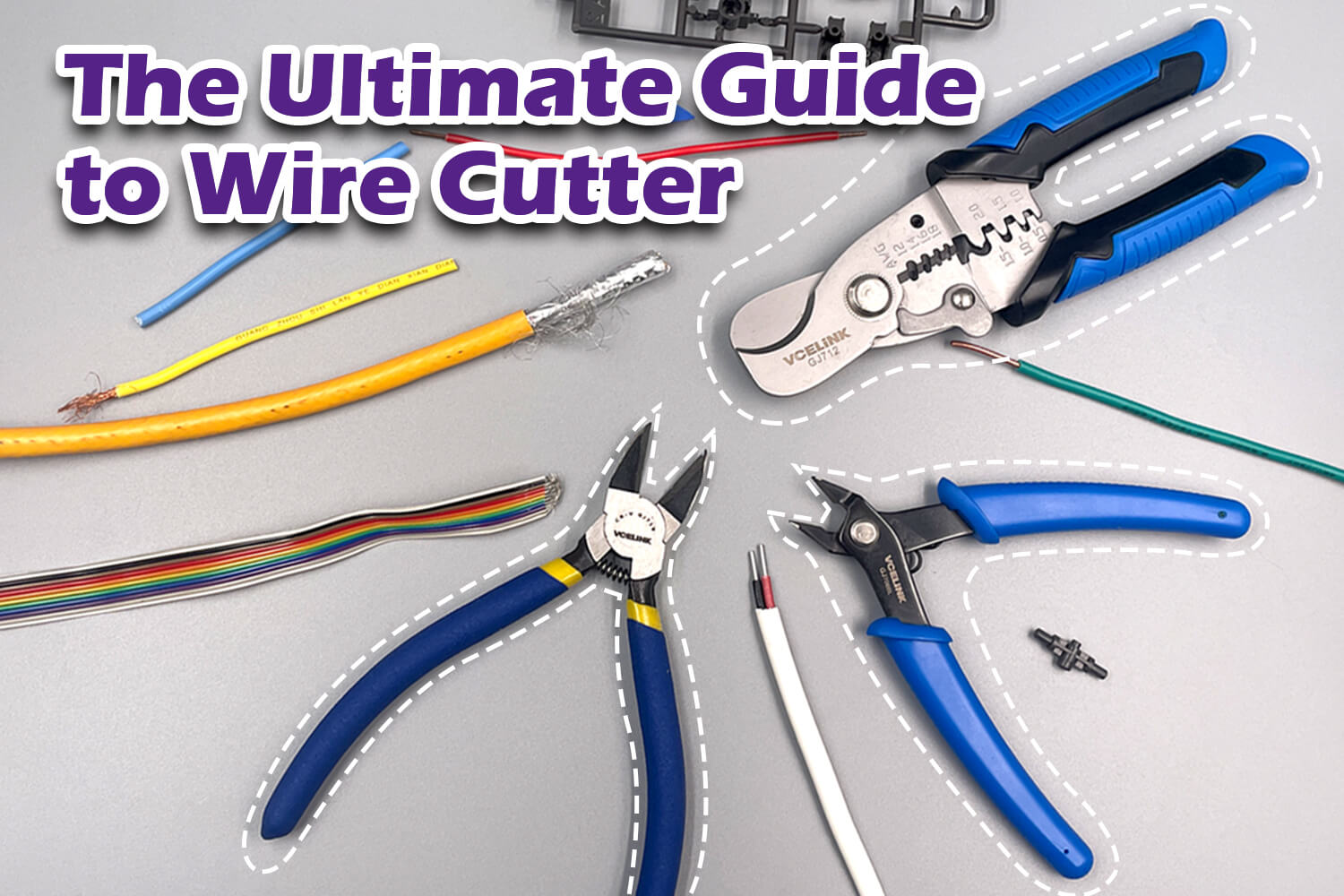
Cutting cables and wires may seem simple, but choosing the right tool can make a big difference in safety, speed, and results. Many people confuse cable cutters and wire cutters, but each tool is designed for specific tasks. Using the wrong one can damage your materials, hurt your hands, or even cause accidents. Understanding the differences is important, whether you are a DIY enthusiast, electrician, or just someone who likes to fix things at home.
This guide will help you clearly understand the differences between cable cutters and wire cutters. You will learn what each tool is, how they work, when to use them, and what mistakes to avoid. We will also compare them side by side, so you can choose the best tool for your job.
By the end of this article, you will know how to pick, use, and take care of these tools like a pro.
What Is A Cable Cutter?
A cable cutter is a hand tool designed to cut thick cables. These cables are often made of copper, aluminum, or steel and may have a protective outer layer. Cable cutters are built to handle tough jobs that ordinary scissors or pliers cannot. They use strong, sharp blades and a lever action to slice through cables cleanly.
Most cable cutters have long handles to give you more force with less effort. The cutting jaws are often curved to keep the cable from slipping out while you cut. This tool is common in electrical work, construction, and even in bicycle or automotive repair.
Types Of Cable Cutters
Cable cutters come in several types, each made for a specific job:
- Manual cable cutters – These are hand-operated and good for cutting small to medium-sized cables, like speaker wires or house wiring.
- Ratchet cable cutters – These have a ratcheting mechanism that lets you cut thick cables in stages, using less hand strength.
- Hydraulic cable cutters – Used for the thickest cables, these use hydraulic power and are common in industrial settings.
- Battery-powered cable cutters – These cordless tools are fast and easy, perfect for professionals who cut many cables each day.
Materials Cable Cutters Can Cut
Cable cutters are made for:
- Electrical cables (up to several inches thick)
- Steel wire ropes (used in construction or elevators)
- Aluminum and copper cables
- Coaxial and data cables
They are not suitable for cutting very thin wires, hard steel rods, or non-metallic materials like plastic pipes.
Common Uses
You will find cable cutters used for:
- Installing electrical wiring in homes and buildings
- Cutting bike brake or gear cables
- Trimming car battery cables
- Handling thick communication or power lines
Key Features Of Cable Cutters
Some important features include:
- Curved blades for clean, rounded cuts
- Non-slip handles for safe gripping
- High-leverage design to reduce hand fatigue
- Replaceable blades in higher-end models
Many cable cutters are insulated for extra safety, which is important when working with live electrical wires.
What Is A Wire Cutter?
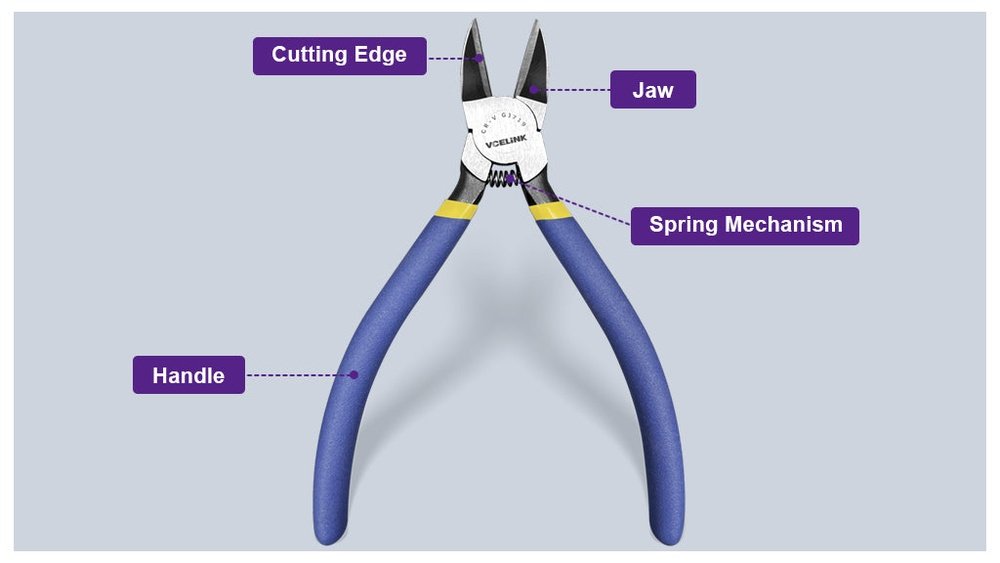
A wire cutter is a tool made to cut thin wires, usually up to about 1/8 inch thick. These wires are often found in electronics, jewelry making, crafts, and light electrical work. Wire cutters have small, sharp blades that slice through wire with a single squeeze.
Unlike cable cutters, wire cutters are not built for thick or heavy cables. They are precise tools for detail work. Many wire cutters also have a built-in area for stripping insulation or bending wire ends.
Types Of Wire Cutters
Wire cutters also come in several types:
- Diagonal cutters – The most common, with angled blades for flush cuts.
- End cutters – Blades at the tip, good for trimming nails or wires flush with a surface.
- Needle-nose cutters – Narrow, pointed blades for working in tight spaces.
- Combination cutters – Include wire stripping or crimping functions.
Materials Wire Cutters Can Cut
Wire cutters are best for:
- Copper or aluminum wires (used in electronics or appliances)
- Steel or iron wire (up to a certain thickness)
- Plastic or soft metal jewelry wire
- Small nails or pins (in some heavy-duty models)
Wire cutters should not be used for thick cables, hard steel rods, or anything harder than the blades themselves.
Common Uses
Wire cutters are used for:
- Fixing electronics and appliances
- Jewelry making and crafts
- Electrical repairs around the house
- Cutting zip ties or small hardware
Key Features Of Wire Cutters
Look for these features:
- Sharp, hardened blades for clean cuts
- Spring-loaded handles for easy use
- Compact size for control in tight spaces
- Multi-function tips (for stripping or bending wire)
Some models have insulated handles for safety when working with electricity.
Cable Cutter Vs Wire Cutter: Key Differences
Although both tools are used for cutting, they are not interchangeable. Here are the main differences:
| Feature | Cable Cutter | Wire Cutter |
|---|---|---|
| Purpose | Thick cables | Thin wires |
| Blade Shape | Curved, rounded | Straight or angled |
| Handle Length | Long (more leverage) | Short to medium |
| Cutting Power | High | Medium to low |
| Precision | Low to medium | High |
| Common Uses | Electrical, automotive, construction | Electronics, crafts, general repairs |
| Insulation | Often insulated | Sometimes insulated |
Non-obvious Insights
- Cut Quality Matters: Using a wire cutter on a thick cable can crush or fray the cable instead of making a clean cut. This can cause poor electrical connections and even fire hazards. Always match your tool to the job.
- Safety First: Cable cutters are often insulated because they are used on live wires. Using a non-insulated tool on a live cable can be deadly. Wire cutters are not always insulated, so check before using them near electricity.
How To Choose Between Cable Cutter And Wire Cutter
Choosing the right tool depends on your project. Here’s how to decide:
1. Know Your Material
- If you need to cut something thicker than a pencil, you probably need a cable cutter.
- For thin wires, like those in a phone charger, a wire cutter is enough.
2. Consider Precision
- Cable cutters are strong but not very precise. They are not good for fine work.
- Wire cutters give clean, sharp cuts needed for electronics or jewelry.
3. Think About Frequency Of Use
- If you cut cables often (e.g., in construction), invest in a strong cable cutter.
- For small jobs at home, a basic wire cutter is usually enough.
4. Safety Needs
- Always check if you need insulated handles for electrical work.
- Never use a damaged or rusty tool on live wires.
5. Extra Functions
Some tools offer more than just cutting. For example, a combination wire cutter may also strip insulation or crimp connectors. This can save space in your toolbox and money.
Cost Comparison
Cable cutters are usually more expensive because they are larger and made for heavy-duty jobs. Good wire cutters are cheaper but may not last as long if used for tough tasks.
How To Use A Cable Cutter Safely
Cutting thick cables requires care. Here’s a step-by-step guide:
- Choose the right cutter for your cable size and material.
- Wear safety glasses to protect your eyes from flying pieces.
- Hold the cable firmly and position it in the tool’s jaws.
- Squeeze the handles together with steady pressure. For ratchet types, squeeze and release as needed.
- Check the cut. It should be clean and smooth. If not, sharpen or replace the blades.
- Store the tool safely after use to prevent rust.
Common Mistakes To Avoid
- Using too much force: This can damage the tool or hurt your hand.
- Using the cutter on hard steel or non-cable materials.
- Ignoring insulation: Never cut live cables with non-insulated handles.
Maintenance Tips
- Wipe blades after use to remove dirt or oil.
- Keep the tool dry to avoid rust.
- Sharpen or replace blades when they get dull.
How To Use A Wire Cutter Correctly
Wire cutters are precise, but you still need good technique:
- Pick the right size cutter for your wire.
- Grip the tool with your fingers, not the palm, for better control.
- Place the wire in the blades as close to the hinge as possible (for more power).
- Squeeze gently until the wire snaps.
- Clean the blades after use.
Common Mistakes To Avoid
- Twisting the cutter while cutting: This bends the wire and damages the tool.
- Cutting wire that is too thick: This can ruin the blades.
- Not checking for live wires: Always make sure the wire is not carrying electricity.
Maintenance Tips
- Clean and oil the hinge regularly.
- Store in a dry place.
- Sharpen blades if you notice rough cuts.
Real-world Examples: When To Use Each Tool
Home Electrical Work
If you are installing a new outlet, you will cut thick house wires. A cable cutter is best here. For small repairs, like fixing a lamp cord, a wire cutter is enough.
Bicycle Repair
Bike brake and gear cables are thick and strong. Only a cable cutter will make a clean cut. Trying to use a wire cutter will crush the cable and make it fray.
Electronics
When fixing a computer, you deal with thin wires and connectors. A wire cutter gives you the precision needed for neat work. Using a cable cutter here is overkill and might even damage the circuit board.
Automotive Work
Car battery cables are thick and need a cable cutter. But for small electrical wires, a wire cutter is perfect.
How Do Cable Cutters And Wire Cutters Impact Job Quality?
Choosing the right tool affects not just safety but the quality of your work. Here’s a quick comparison:
| Task | Best Tool | Result | What Can Go Wrong? |
|---|---|---|---|
| Cutting thick power cable | Cable cutter | Clean, safe cut | Wire cutter may fail or cause fraying |
| Cutting small electronic wire | Wire cutter | Precise, neat cut | Cable cutter may crush wire |
| Cutting steel wire rope | Cable cutter (hardened) | Even, professional finish | Wire cutter blades may chip |
| Jewelry making | Wire cutter | Fine, detailed cuts | Cable cutter too rough |
What To Look For When Buying Each Tool
Cable Cutter Buying Tips
- Blade Material: Look for hardened steel for durability.
- Handle Comfort: Rubber grips reduce hand fatigue.
- Cutting Capacity: Check the maximum size it can cut.
- Safety Features: Insulation is a must for electrical work.
- Type: Choose manual, ratchet, or hydraulic based on your needs.
Wire Cutter Buying Tips
- Blade Sharpness: High-quality blades give clean cuts.
- Size: Pick a size that fits your hand and workspace.
- Multi-Function: Stripper or crimper options can be helpful.
- Spring Return: Makes repeated cuts easier.
- Brand Reputation: A good brand often means longer life.
Where To Buy
You can find both tools at hardware stores, online retailers, or specialty tool shops. Compare reviews and specs before buying. If you need more detailed advice, visiting a local hardware store lets you try the tool in your hand first.
Cable Cutter And Wire Cutter Care And Longevity
Taking good care of your tools makes them last longer and work better.
Cleaning
After each use, wipe the blades and handles to remove grease or metal shavings. For sticky cables, use a bit of rubbing alcohol.
Sharpening
Over time, blades get dull. Use a sharpening stone or take them to a professional. Sharp blades make work easier and safer.
Storage
Keep tools in a dry place, ideally in a toolbox or on a pegboard. Moisture causes rust, which ruins blades quickly.
Lubrication
A few drops of oil on the hinge keeps the tool opening and closing smoothly.
Inspection
Check regularly for loose screws, cracked handles, or dull blades. Replace damaged parts right away.

Environmental And Safety Considerations
Cutting cables and wires can create small metal pieces that are sharp and dangerous. Clean up your workspace after every job. Dispose of metal shavings and old wires properly—some scrap yards will even pay for copper or aluminum.
Recycling
Whenever possible, recycle old cables and wires. This reduces waste and may earn you a little money.
Electrical Safety
Never cut live wires unless you are trained and using the right insulated tool. Always turn off power at the breaker before starting electrical work.
Personal Protective Equipment
Wear safety glasses and gloves, especially with thick cables or when using power tools.
Professional Vs. Diy Use
Professionals often need both tools because their jobs involve many types of wires and cables. A professional electrician, for example, will use cable cutters for main power lines and wire cutters for outlet or switch wires.
DIYers can often get by with one or the other, depending on their most common tasks. For occasional small jobs, a good wire cutter is usually enough.
When To Upgrade Your Tools
If you find yourself forcing a cut, or if your blades start to crush instead of slice, it’s time to upgrade. Good tools save time, reduce frustration, and give better results.
Common Myths And Mistakes
- “One cutter does it all.” Not true—using the wrong tool can damage both the tool and the material.
- “Any pliers can cut wire.” Many pliers are not sharp enough and will only bend or crush wires.
- “Insulation means total safety.” Insulated handles help, but always turn off the power before cutting.
- “Cheaper is better.” Low-quality cutters dull quickly and may break during use.
The Importance Of Quality
Investing in quality tools pays off. Cheap cutters often have blades that chip or bend, handles that break, or coatings that wear off quickly. Trusted brands may cost more but last much longer.
Some Top Brands
- Klein Tools
- Knipex
- Irwin
- Channellock
- Wiha
These brands are trusted by professionals for their durability and performance.
Advancements In Cutting Tools
Modern cable and wire cutters have improved over the years. You can now find tools with:
- Ergonomic grips to reduce hand strain
- Replaceable blades for easy maintenance
- Built-in locks for safety during storage
- Multi-tool designs to save space
If you work with wires or cables often, consider investing in these upgraded features.
When To Call A Professional
Some jobs are too risky or complex for DIY. For example:
- Cutting high-voltage power cables
- Working in wet or cramped spaces
- Cutting cables in commercial or industrial settings
In these cases, call a licensed electrician or technician. Your safety is worth more than saving a few dollars.
Further Learning And Resources
If you want to learn more, check out the Wikipedia page on wire cutters for detailed technical information and history.
Frequently Asked Questions
What Happens If I Use A Wire Cutter On A Thick Cable?
Wire cutters are not designed for thick cables. You may end up bending the tool, dulling the blades, or causing an uneven, frayed cut. This can also damage the cable itself, making it unsafe to use.
Can Cable Cutters Be Used For Jewelry Making?
Cable cutters are too large and rough for most jewelry work. Use a fine, precise wire cutter instead. It gives you the neat, small cuts needed for jewelry without damaging delicate materials.
How Do I Know If A Cutter Is Insulated?
Check the handles—insulated tools usually have thick, brightly colored grips and a label stating their insulation rating. If you are unsure, do not use the tool on live wires.
Are There All-in-one Tools That Can Cut Both Cables And Wires?
Some combination tools can handle both, but they often do not work as well as dedicated cutters. For the best results and safety, use the right tool for each job.
What Is The Best Way To Keep My Cutters Sharp?
Clean the blades after each use, oil the hinge, and sharpen the blades when you notice rough cuts. Never use the tool on materials harder than it is designed for.
Cutting cables and wires may not be glamorous, but using the right tool makes any job faster, safer, and more professional. Now that you know the differences between cable cutters and wire cutters, you can work with confidence and avoid costly mistakes.
Whether you are a hobbyist or a professional, the right cutter is an essential part of your toolkit.

As an Amazon Associate, We earn from qualifying purchases