
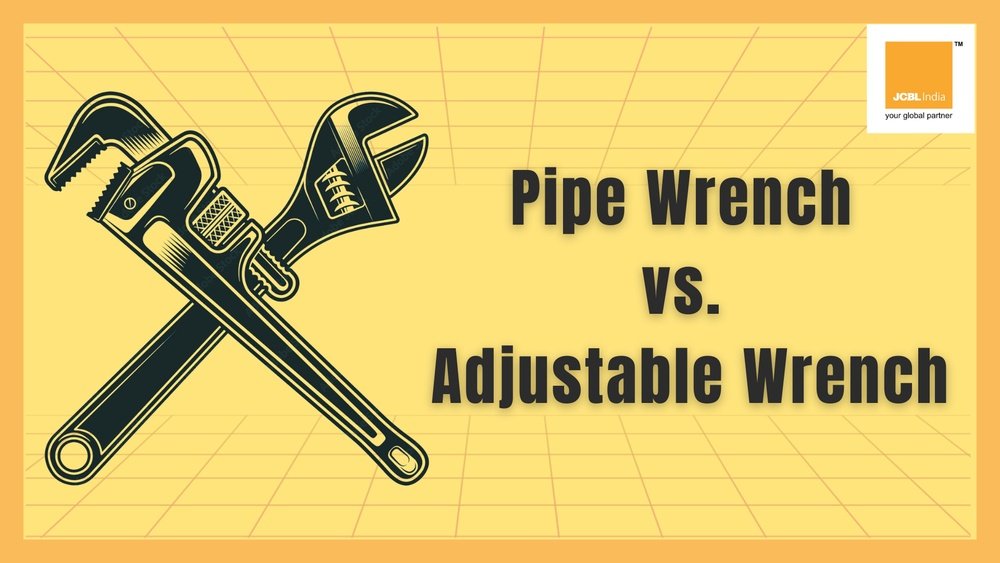
When you walk into a hardware store, you’ll often see a wide range of hand tools hanging on the wall. Among them, two tools stand out for their unique shapes and versatile uses: the crescent wrench and the pipe wrench. They might look similar to someone new to DIY or repair work, but these tools are quite different in how they work, what they’re made for, and the jobs they do best. Choosing the right one can make your project easier and safer. If you’ve ever wondered when to use a crescent wrench or a pipe wrench, you’re not alone—this guide will help you understand the differences, strengths, and best uses of each tool.
What Is A Crescent Wrench?
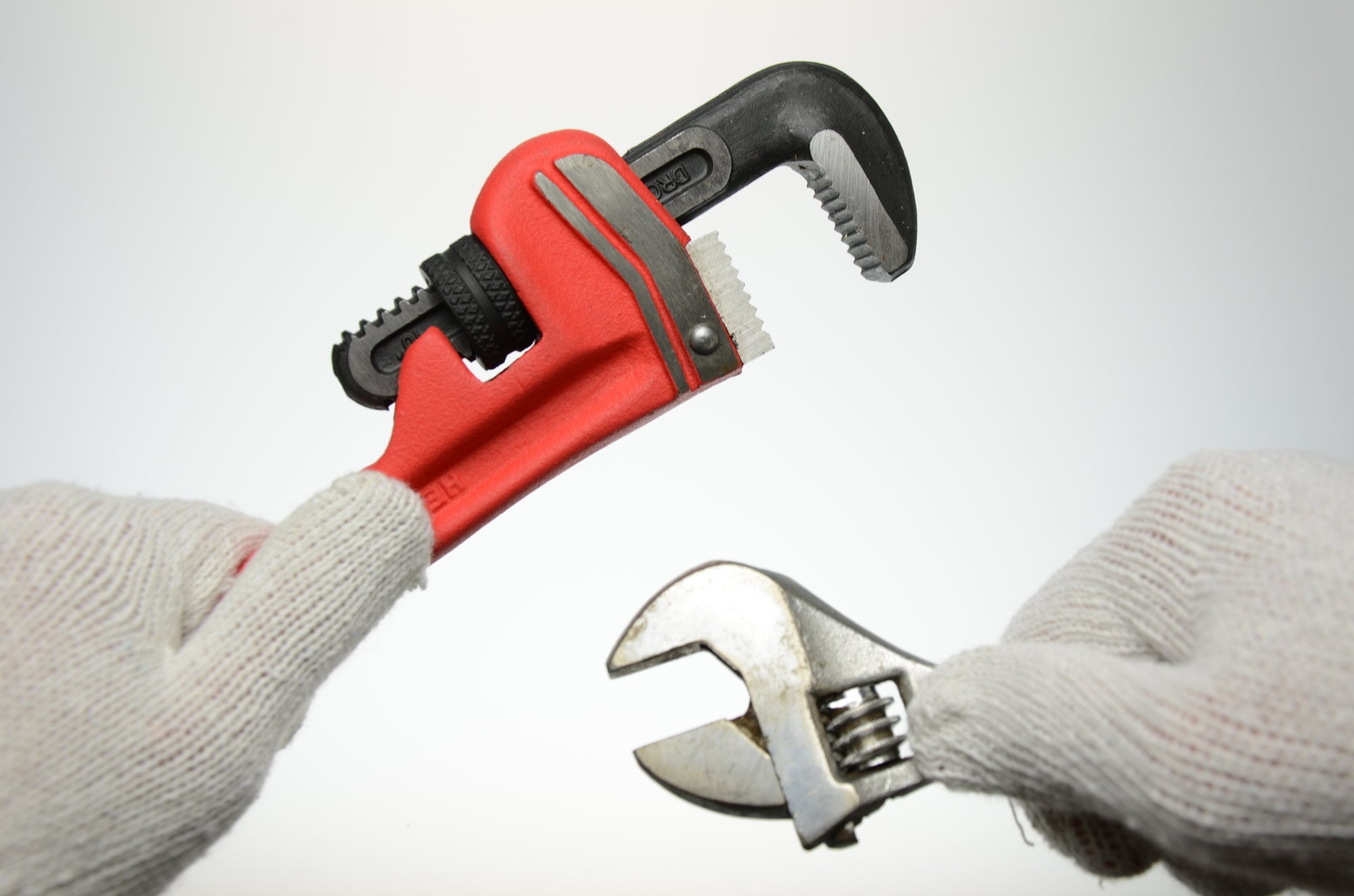
The crescent wrench is a type of adjustable wrench. Its most recognizable feature is the smooth, flat jaws that open and close to fit different sizes of nuts and bolts. The handle is usually straight and comfortable to grip. People sometimes call this tool an “adjustable spanner,” especially outside the United States.
A crescent wrench gets its name from the original manufacturer, the Crescent Tool Company, but today, “crescent wrench” refers to any adjustable wrench with a similar design. It’s a staple in toolboxes for automotive repair, plumbing, home improvement, and even bicycle maintenance.
Key Features Of Crescent Wrenches
- Adjustable Jaw – The jaw can be opened or closed using a thumbwheel. This lets you fit the tool to a wide range of fastener sizes.
- Smooth Jaws – The inside surfaces of the jaws are flat and smooth, which prevents damage to nuts and bolts.
- Slim Profile – Crescent wrenches are usually thin and lightweight, making them easy to use in tight spaces.
- Length Variety – They come in many lengths, from 4 inches (for delicate work) up to 24 inches (for heavy-duty jobs).
Common Materials
Most crescent wrenches are made from chrome vanadium steel. This metal is strong, resists rust, and can handle high torque without breaking.
When To Use A Crescent Wrench
A crescent wrench is perfect for turning hexagonal nuts and bolts. You can use it when you don’t have a full set of fixed-size wrenches, or when you need one tool that can do the job of many. Mechanics, plumbers, and even homeowners rely on crescent wrenches for:
- Assembling furniture
- Tightening or loosening bolts on cars and bikes
- Plumbing connections (without damaging soft fittings)
- Quick repairs around the house
What Is A Pipe Wrench?
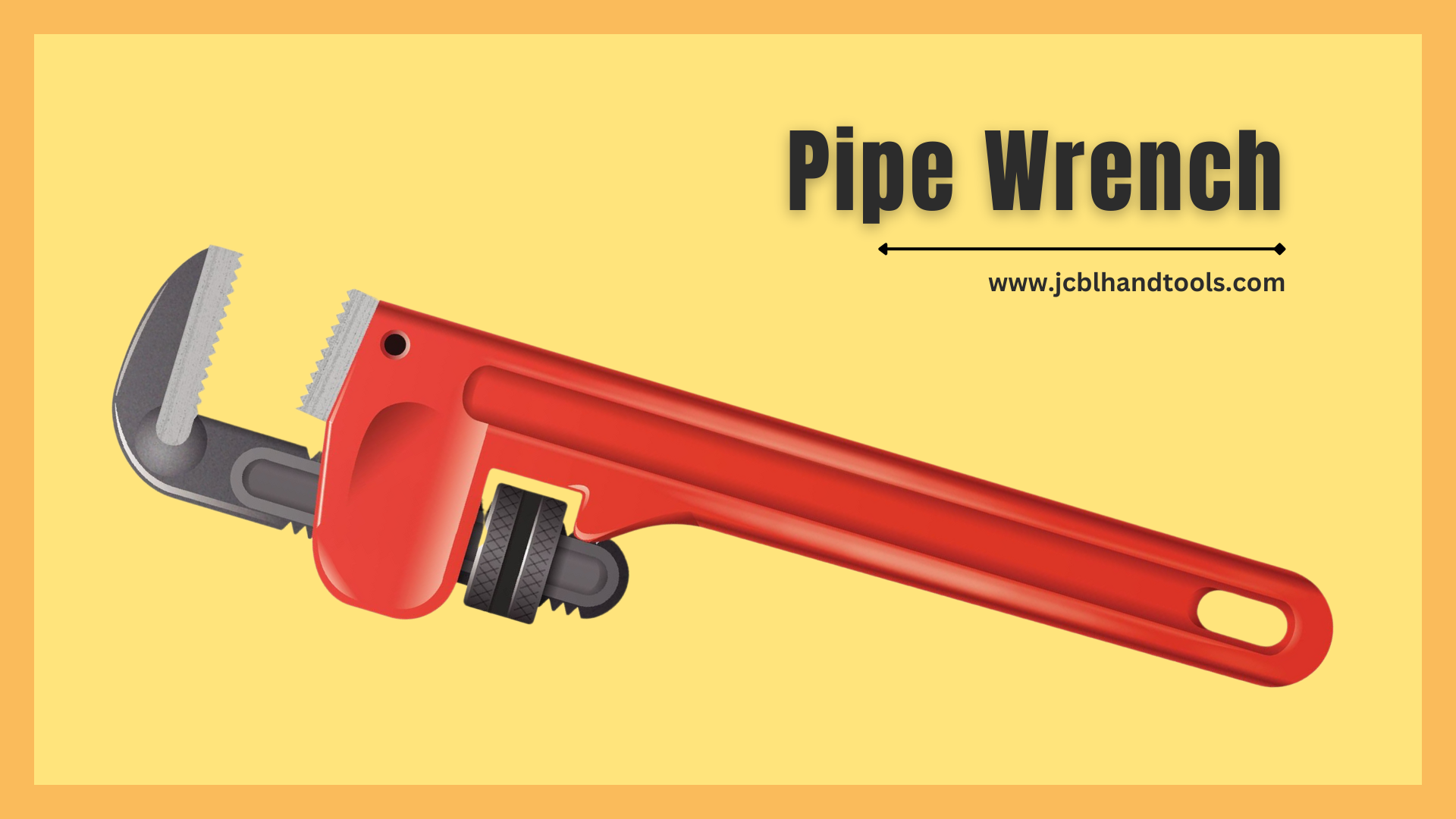
A pipe wrench is also adjustable, but it’s built for a very different job. Its main purpose is to grip and turn round pipes and pipe fittings. The jaw is serrated (has teeth) and the tool is much heavier and bulkier than a crescent wrench.
Pipe wrenches are designed to bite into metal pipes, giving a strong grip even if the pipe is greasy or old. They are essential for plumbers and anyone working with water, gas, or steam lines.
Key Features Of Pipe Wrenches
- Serrated Jaws – The jaws have sharp teeth that grip pipes tightly, preventing slipping.
- Angle of the Jaw – The top jaw is slightly tilted, so when you turn the wrench, it locks onto the pipe.
- Heavy Duty Construction – Pipe wrenches are made from strong steel or aluminum for extra leverage and strength.
- Length Variety – They range from small (8 inches) to massive (48 inches or more) for big industrial jobs.
Common Materials
The body is usually ductile iron or aluminum. The jaws are hardened steel for extra bite and wear resistance.
When To Use A Pipe Wrench
A pipe wrench is ideal for plumbing tasks. Use it to:
- Assemble or disassemble metal pipes
- Work with threaded pipe fittings
- Loosen stuck or rusty pipes
- Turn pipes that are too large for other wrenches
How Crescent Wrenches And Pipe Wrenches Differ
It’s easy to confuse these two tools if you haven’t used them much. However, their main differences go far beyond appearance. Here’s a side-by-side look to help you see how each is unique.
| Feature | Crescent Wrench | Pipe Wrench |
|---|---|---|
| Main Use | Hex nuts & bolts | Round pipes & fittings |
| Jaw Type | Smooth, flat | Serrated, angled |
| Grip | Does not damage fasteners | Can leave teeth marks |
| Adjustability | Thumbwheel opens/closes jaws | Knurled nut for jaw adjustment |
| Typical Lengths | 4″ to 24″ | 8″ to 48″+ |
| Common Materials | Chrome vanadium steel | Iron/aluminum (body), steel (jaws) |
Non-obvious Differences
- Damage Risk – Crescent wrenches are gentle and will not scratch or deform the surfaces they grip. Pipe wrenches, with their sharp teeth, will almost always leave marks. This matters if you’re working with decorative or visible metal.
- Direction of Force – Pipe wrenches are designed to grip only when you pull them in one direction. If you try to turn the other way, the jaws loosen. Crescent wrenches work in both directions because their grip is not based on friction.
How To Use A Crescent Wrench Properly
Using a crescent wrench may seem simple, but a few techniques will help you avoid mistakes and keep your tools (and fasteners) in good shape.
Step-by-step Guide
- Size the Jaw – Open the jaws by turning the thumbwheel until the gap is just a little larger than the nut or bolt.
- Fit the Wrench – Slide the jaws over the nut and tighten the thumbwheel until the jaws are snug but not too tight.
- Position for Leverage – Always position the wrench so that the force is applied toward the fixed jaw (not the adjustable jaw). This reduces stress on the tool.
- Turn Slowly – Apply steady pressure. Do not yank or jerk the tool, as this can round off the nut or damage the wrench.
Practical Tips
- If the nut is stuck, try tapping it gently with a hammer before using more force.
- Never use a crescent wrench on a pipe, as the flat jaws can slip and cause injury.
- Keep the jaws clean and free from oil for the best grip.
Common Mistakes
- Using the wrench at an angle, which can damage the nut
- Applying force to the adjustable jaw (increases risk of slippage)
- Over-tightening the thumbwheel, which can wear out the mechanism
How To Use A Pipe Wrench Safely
Pipe wrenches are powerful but need careful handling. Incorrect use can damage pipes—or your knuckles.
Step-by-step Guide
- Adjust Jaw Size – Turn the knurled nut to open the top jaw until the pipe fits inside.
- Position the Wrench – Place the wrench so the top jaw is on the side you will pull (not push). This is the only way the tool grips properly.
- Check the Bite – The pipe should fit deep into the jaws, not just at the tip.
- Turn With Control – Pull the handle slowly and evenly, letting the teeth dig into the pipe. If the wrench slips, reposition it and try again.
Practical Tips
- For large pipes, use two pipe wrenches: One to hold, one to turn.
- Protect chrome or brass pipes by wrapping cloth or tape before using the wrench.
- Clean teeth regularly to prevent slipping.
Common Mistakes
- Using the wrench backward (the jaw will not grip)
- Placing the pipe too close to the tip of the jaw (weak grip)
- Over-tightening, which can crush the pipe
Typical Applications: When To Choose Each Tool
The key to getting good results is picking the right tool for the job. Here are some real-world examples.
When To Use A Crescent Wrench
- Changing a bicycle tire – The nuts holding the wheel are usually hex shaped.
- Fixing a leaky sink faucet – Many faucet nuts are soft brass or plastic, which can be damaged by a pipe wrench’s teeth.
- Building flat-pack furniture – Most assembly bolts are designed for smooth-jawed tools.
When To Use A Pipe Wrench
- Replacing old galvanized steel pipes – These pipes can be rusty and stuck, needing a strong grip.
- Tightening gas line fittings – Pipe wrenches can handle the round, threaded connectors.
- Disassembling radiator pipes – The serrated jaws make easy work of large, smooth pipes.
Which Tool Is More Versatile?
If you only have space for one tool, a crescent wrench is usually more versatile for the average home or car owner. It works on a wider variety of fasteners and is less likely to cause damage. However, if you’re working with pipes, especially in plumbing, a pipe wrench is essential.
Hidden insight: Some newer adjustable wrenches have a special groove in the jaw to help grip pipes, but they still can’t match the holding power of a true pipe wrench. On the other hand, some pipe wrenches now have padded jaws for use on softer pipes, but these are still not ideal for nuts and bolts.
Safety Tips For Both Tools
No matter which tool you use, safety should always come first. Here are some important safety practices:
- Wear gloves when handling heavy or rusty pipes to avoid cuts.
- Inspect your tool before use. If the jaws are worn, cracked, or loose, replace or repair the tool.
- Choose the right size. Using a wrench that’s too small or too large increases the risk of injury.
- Keep handles dry to prevent slipping.
- Never hammer a wrench to increase force. Use a longer tool or the correct size instead.
Maintenance: Keeping Your Wrenches In Top Shape
Both tools will last for years if you take care of them.
- Clean after each use – Wipe down the jaws and handles to remove dirt and oil.
- Lubricate moving parts – Apply a small amount of light oil to the adjustment mechanisms.
- Check for jaw wear – If the teeth on a pipe wrench become dull, replace the jaw if possible.
- Store in a dry place – Prevent rust by keeping your tools away from moisture.
Cost Comparison: Crescent Wrench Vs Pipe Wrench
The price of these tools can vary by brand, size, and material. Here’s a quick comparison.
| Tool | Entry-Level Price | Professional Price | Average Lifespan |
|---|---|---|---|
| Crescent Wrench (10″) | $10 – $20 | $25 – $50 | 10+ years |
| Pipe Wrench (14″) | $15 – $30 | $40 – $80 | 15+ years |
Insight: Investing in a quality tool often saves money in the long run. Cheaper wrenches can slip or break, causing frustration and possible injury.
Common Mistakes Beginners Make
It’s easy to misuse these tools if you’re not familiar with their strengths and weaknesses. Here are mistakes to avoid:
- Using a pipe wrench on nuts or bolts – The teeth will ruin the fastener’s edges.
- Using a crescent wrench on pipes – There’s not enough grip, and the wrench can slip off.
- Not adjusting the jaw properly – Loose jaws lead to stripped nuts or damaged pipes.
- Applying too much force – Always use steady, controlled pressure.
Pro tip: When in doubt, match the tool to the shape of the object. Smooth jaws for flat nuts/bolts; serrated jaws for round pipes.
How To Choose The Right Size
Both crescent and pipe wrenches come in many sizes. Choosing the right one depends on the job:
- For small household repairs, an 8-inch crescent wrench and a 10-inch pipe wrench are usually enough.
- For automotive work, a 12-inch crescent wrench is common.
- For plumbing, a 14- to 18-inch pipe wrench can handle most tasks.
- For large pipes (2 inches or more), consider a 24- to 36-inch pipe wrench.
Bigger is not always better; oversized tools are hard to control in small spaces.
:max_bytes(150000):strip_icc()/types-of-wrenches-6831283-V1-18ad13e48b3a47eebdcf471e0d139844.jpg)
Specialty Versions And Alternatives
Both crescent and pipe wrenches have special types for unique jobs.
Crescent Wrench Variations
- Wide Jaw Crescent Wrench – Opens wider for large nuts.
- Extra Slim Jaw – Fits in tight spots.
- Insulated Crescent Wrench – Safe for electrical work.
Pipe Wrench Variations
- Offset Pipe Wrench – Jaw is angled for working close to walls.
- Aluminum Pipe Wrench – Lighter than traditional iron models.
- Strap Wrench – Uses a strong fabric or rubber strap instead of teeth, for delicate pipes.
Hidden insight: A strap wrench is a smart choice for working on polished chrome or plastic pipes, where you can’t risk scratches.
Real-world Example: Fixing A Leaky Bathroom Pipe
Imagine you have a leaking pipe under your bathroom sink. Here’s how the choice of tool matters:
- First, identify the fitting. If it’s a chrome-plated nut, use a crescent wrench to avoid scratches.
- If it’s a threaded iron pipe, use a pipe wrench for a strong grip.
- Protect the finish. If you must use a pipe wrench on a soft metal, wrap the pipe with cloth or use a strap wrench.
Many people damage bathroom fixtures by grabbing the first tool they see. Taking a moment to pick the right wrench can save time and money.
Environmental And Ergonomic Considerations
Modern toolmakers are designing wrenches with more user-friendly handles, lighter materials, and even eco-friendly packaging. Aluminum pipe wrenches, for example, reduce fatigue for professional plumbers who use the tool all day. Crescent wrenches with wider handles can reduce hand strain.
Some companies now offer wrenches made with recycled materials or offer lifetime warranties, reflecting a growing awareness of environmental impact. These details might not matter for a single project, but for frequent users, they make a difference.
How Professionals View These Tools
Ask any experienced mechanic or plumber, and they’ll tell you: having both a quality crescent wrench and a pipe wrench is non-negotiable. Each tool has its own strengths and weaknesses. Pros rarely try to force a pipe wrench to do the job of a crescent wrench, or vice versa.
Interesting fact: In some trades, you’ll even see tool belts designed with special loops or holsters for quick access to both types of wrench.
For a deeper dive into the history and varieties of these tools, visit the Wikipedia entry on wrenches.
Frequently Asked Questions
What Happens If I Use A Pipe Wrench On A Nut Or Bolt?
A pipe wrench’s serrated jaws will bite into the flat sides of a nut or bolt, leaving deep scratches or even deforming the shape. This can make the fastener unusable and difficult to remove or tighten in the future. Always use a crescent wrench or a fixed wrench for nuts and bolts.
Can I Use A Crescent Wrench Instead Of A Pipe Wrench?
In most cases, no. Crescent wrenches are designed for flat-sided fasteners, not round pipes. If you try to use one on a pipe, it can slip off, causing injury or damage to the pipe. Use a pipe wrench for any round pipes or fittings.
Why Do Pipe Wrenches Leave Marks On Pipes?
Pipe wrenches use serrated jaws to grip round, smooth surfaces. The teeth dig into the metal to prevent slipping, which creates marks or scratches. If you need to protect the pipe’s appearance, wrap it in cloth or use a strap wrench instead.
How Do I Know What Size Wrench To Use?
Choose a wrench size that matches the diameter of the nut, bolt, or pipe. The tool should fit snugly without forcing. For most home jobs, an 8- to 12-inch crescent wrench and a 10- to 14-inch pipe wrench will cover common needs. For larger pipes, go up in size.
Are There Alternatives To Crescent And Pipe Wrenches?
Yes. For nuts and bolts, you can use socket wrenches or box-end wrenches for better grip. For pipes, a strap wrench or chain wrench may be better for delicate or oddly shaped pipes. Always match the tool to the job for safety and best results.
Choosing between a crescent wrench and a pipe wrench doesn’t have to be confusing. By understanding their features, best uses, and limitations, you’ll be ready for almost any repair or building project you face. With the right tool in hand, your work will be safer, faster, and more professional.
As an Amazon Associate, We earn from qualifying purchases