
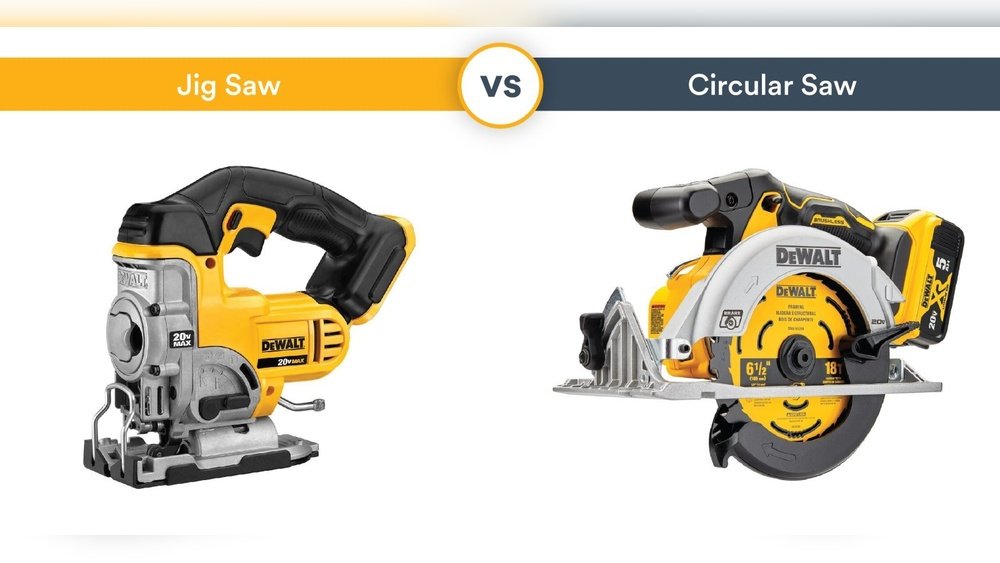
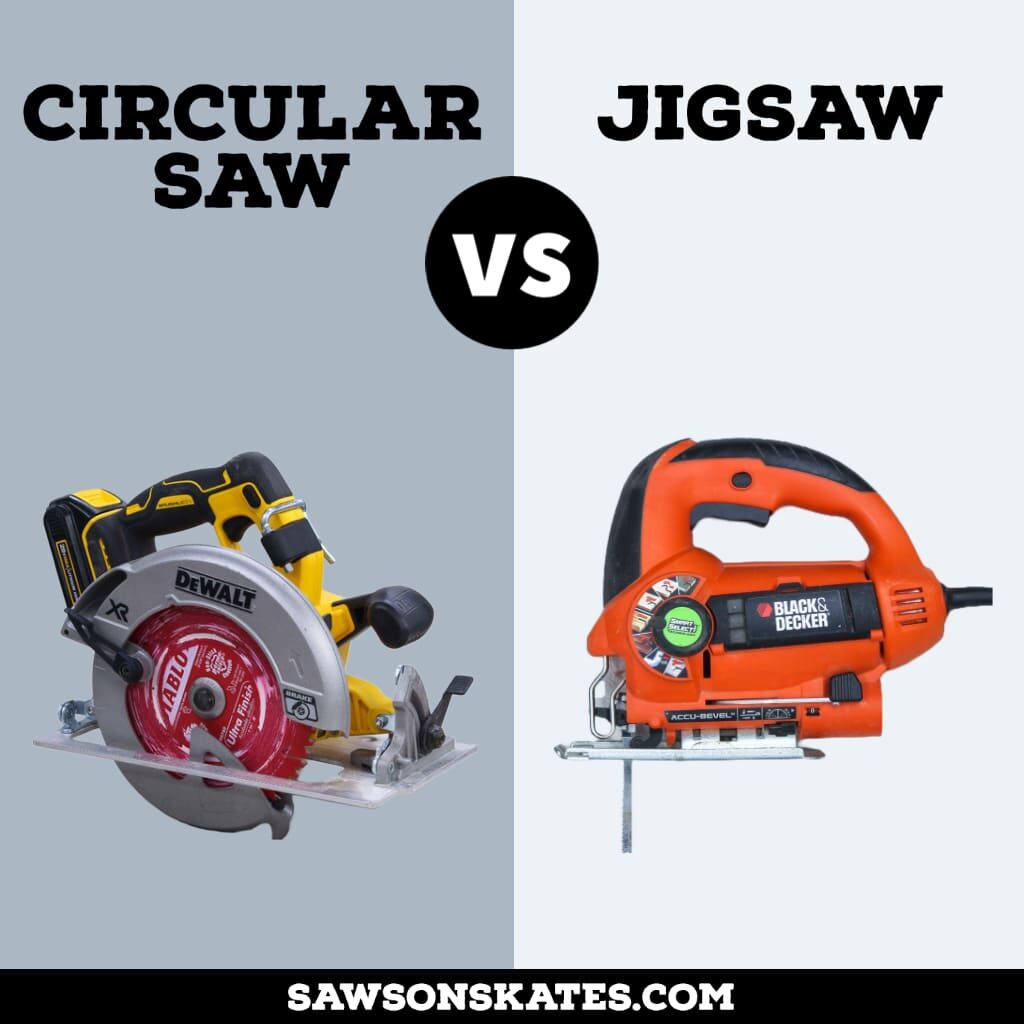
When you want to cut wood, plastic, or even metal, two tools often come to mind: the skill saw (also called a circular saw) and the jigsaw. At first glance, they might seem similar—they both cut materials with a powered blade. But once you start a project, you quickly realize they serve different purposes. Picking the right one can save you time, give better results, and even prevent accidents. This guide will help you understand the real differences, strengths, and weaknesses between these two tools. Whether you’re a beginner, a DIY enthusiast, or a pro, you’ll find clear, practical advice to help you make smart choices for your next project.
What Is A Skill Saw?
A skill saw is a type of circular saw—one of the most common power tools in workshops and construction sites. It’s famous for its spinning, round blade that cuts through materials quickly and straight. The name “Skil Saw” actually comes from the brand Skil, one of the first companies to popularize this tool. Today, most people use “skill saw” to mean any handheld circular saw.
Main Features
- Blade: Circular, usually 7-1/4 inches for wood. Special blades cut metal or masonry.
- Cutting Style: Best for straight, long cuts (called rip cuts) and angled cuts (bevel cuts).
- Power: Runs on electricity (corded or cordless).
- Depth Adjustment: Lets you set how deep the blade goes.
- Guard: Protects the user from the spinning blade.
Common Uses
A skill saw is the go-to tool for cutting large sheets of plywood, making straight cuts in lumber, trimming doors, or building decks. It’s valued for speed and accuracy over long distances.
What Is A Jigsaw?
A jigsaw is a handheld power tool with a small, straight blade that moves up and down. It’s designed for making curved or intricate cuts that a skill saw can’t handle. The blade is narrow, which allows you to change direction easily as you move the tool.
Main Features
- Blade: Thin, straight, and short. Many types for different materials.
- Cutting Style: Excellent for curves, circles, and patterns.
- Power: Corded or cordless versions.
- Orbital Action: Some models let the blade move in a slightly circular motion for faster, rougher cuts.
- Base Plate (Shoe): Adjusts for cutting angles.
Common Uses
People use jigsaws for cutting shapes out of wood, making holes for sinks in countertops, or following a design drawn on a board. It’s also handy for cutting thin metal, plastic, or laminate.
Key Differences Between Skill Saw And Jigsaw
Understanding the core differences can help you choose the right tool for your project. Here’s a side-by-side look:
| Feature | Skill Saw | Jigsaw |
|---|---|---|
| Blade Shape | Circular | Straight/Narrow |
| Cutting Style | Straight, Long Cuts | Curved, Intricate Cuts |
| Speed | Fast (especially on straight lines) | Slower (best for detail work) |
| Material Thickness | Thicker materials | Thin to medium materials |
| Ease of Use | Requires steady hands for accuracy | Easy to control for curves |
When To Choose A Skill Saw
A skill saw shines when you need precision and speed for big, straight cuts. Here’s when it’s the better choice:
- Cutting Large Panels: If you’re working with plywood, MDF, or OSB sheets, a skill saw makes straight cuts quickly.
- Framing Walls: Carpenters use skill saws to cut 2x4s or framing lumber to length.
- Deck Building: Cutting planks, joists, and posts for outdoor decks is easier with a skill saw.
- Trim Work: When you need to trim doors or windows, a circular saw is fast and reliable.
- Bevel or Angle Cuts: Adjust the saw’s base to make angled cuts for roofs or moldings.
Non-obvious insight: Many beginners don’t realize that a skill saw can cut at angles—just tilt the base for a bevel cut. Also, using a guide rail or clamping a straight edge can turn a skill saw into a near-perfect panel saw for cabinet making.
When To Choose A Jigsaw
A jigsaw is your best friend for detailed and creative work. It’s the right tool when:
- Making Curves and Patterns: Cutting out circles, curves, or irregular shapes is what the jigsaw is built for.
- Cutting Holes: Need a hole for a sink or an electrical outlet? Drill a starter hole, then use a jigsaw to cut the shape.
- Working with Delicate Materials: Jigsaws handle thin plywood, plastic, laminate, or even soft metals with care.
- Short, Quick Cuts: Great for small cuts that would be awkward with a large saw.
- Tight Spaces: The compact design fits into spaces where a skill saw won’t go.
Non-obvious insight: Blade selection greatly changes how a jigsaw performs. Finer blades make smoother cuts but are slower, while coarse blades cut fast but leave rough edges. Also, using a zero-clearance insert (a small plastic plate around the blade) can reduce tear-out on delicate surfaces.
Pros And Cons: Skill Saw Vs Jigsaw
To help you choose, here’s a quick comparison of the strengths and weaknesses of each tool:
| Tool | Pros | Cons |
|---|---|---|
| Skill Saw | – Cuts straight lines fast – Handles thick materials – Good for framing and construction – Can make long, accurate cuts | – Struggles with curves – Heavy and loud – Needs both hands for control – More dangerous if misused |
| Jigsaw | – Makes curves and patterns – Safe and easy for beginners – Lightweight and portable – Versatile (wood, metal, plastic) | – Not good for long, straight cuts – Slower cutting speed – Can bend blades in thick or hard wood – Cuts may be less precise without practice |
Cutting Accuracy: Which Tool Wins?
When you need a perfectly straight cut, the skill saw is the clear winner. It’s designed to follow a line across long boards or panels. For best results, use a straight edge or guide.
A jigsaw can cut straight, but it’s much easier for the blade to wander, especially in thick wood or if you push too fast. For curves and detailed shapes, however, the jigsaw is unbeatable. If your project needs both straight and curved cuts, you may need both tools.
Safety Considerations
Both tools can be dangerous if used carelessly, but there are important differences:
- Skill saws are more powerful and can kick back if the blade binds. Always keep both hands on the tool, wear safety glasses, and stand to the side.
- Jigsaws are safer for beginners. The blade is small, and accidental injuries are less common, but fingers can still slip near the blade. Always clamp your work and wear eye protection.
Extra tip: Never disable the blade guard on a skill saw. It’s there to protect your hands from a spinning blade.
Versatility For Different Materials
Choosing between a skill saw and a jigsaw also depends on what you’re cutting.
- Wood: Both tools work well, but the skill saw is better for thick boards and straight cuts. The jigsaw excels at patterns and thin pieces.
- Metal: Use special blades in both tools. Jigsaws are easier for thin sheet metal, but for long, straight cuts, a skill saw with a metal-cutting blade is faster.
- Plastic/Laminate: A jigsaw is less likely to crack these materials, especially with fine-tooth blades.
- Tile/Masonry: Neither tool is perfect, but a skill saw with a diamond blade can handle some tile cuts. Jigsaws can chip fragile materials.
Project Examples: Real-world Scenarios
To make things practical, here are common projects and which tool is best:
- Building a garden shed: Skill saw for framing, jigsaw for window openings.
- Installing kitchen countertops: Skill saw for straight edge, jigsaw for sink cutout.
- Crafting wooden signs: Jigsaw for lettering and curves.
- DIY furniture: Skill saw for panels, jigsaw for decorative shapes.
- Repairing flooring: Jigsaw to cut around vents or pipes.
Pro tip: Many professionals keep both tools on hand, switching between them as the project demands.

Cost And Maintenance
A good quality skill saw usually costs between $50 and $150. Cordless models and higher power versions can cost more. Jigsaws range from $30 to $120 for most home use. Blades for both are inexpensive, but skill saw blades last longer with regular wood cutting.
Jigsaw blades wear out faster, especially on curves or hard materials.
Both tools need regular cleaning and blade changes. Always unplug or remove the battery before changing blades.
Common Mistakes Beginners Make
- Forcing the Cut: Pushing either tool too hard causes rough edges and can damage the blade.
- Wrong Blade Selection: Using a wood blade on metal, or a coarse blade on laminate, leads to poor results.
- Skipping Safety Gear: Eye and ear protection are important, even for small jobs.
- Not Securing Material: Unclamped boards can shift, leading to uneven cuts or injury.
- Ignoring Blade Depth (Skill Saw): Setting the blade too deep increases kickback risk.
Practical tip: Practice on scrap material before tackling your main project. This helps you learn how each tool feels and cuts.
Skill Saw Vs Jigsaw: Which Should You Buy First?
If you’re setting up your first tool kit, think about your main projects:
- For furniture, framing, or home repairs needing straight cuts, a skill saw is best.
- For crafts, creative projects, or working with thin materials, start with a jigsaw.
If possible, get both. They solve different problems and make you much more flexible as a builder or DIYer.
Expert Tips For Better Results
- Use a Clamp Guide: For perfect straight cuts with a skill saw, clamp a straight board as a guide.
- Mark Both Sides: When cutting thick wood with a jigsaw, mark the cut line on both sides to stay on track.
- Slow Down on Curves: Let the jigsaw do the work—rushing bends blades and ruins the cut.
- Check Blade Tightness: Loose blades wander and make rough cuts.
- Change Blades Frequently: Sharp blades cut smoother and are safer.
Where To Learn More
For deeper technical details and hands-on guides, you can visit the official Wikipedia page on saws.
Frequently Asked Questions
What Materials Can I Cut With A Skill Saw?
You can cut wood, plywood, MDF, and some plastics with a standard blade. With special blades, a skill saw can also cut metal and masonry. Always check the blade type and tool instructions.
Is A Jigsaw Safe For Beginners?
Yes, a jigsaw is one of the safest power saws. The small blade and slow cutting action make it easy to control. Still, always use safety gear and keep your hands away from the blade.
Can A Jigsaw Cut Straight Lines As Well As A Skill Saw?
A jigsaw can make straight cuts, but it’s harder to keep perfectly straight over long distances, especially in thick wood. For best results, use a guide or fence and go slowly.
Which Saw Should I Buy If I Can Only Get One?
If you mainly need straight cuts in boards or panels, buy a skill saw. If you want to cut curves, shapes, or thin materials, a jigsaw is better. Think about your main projects before deciding.
How Do I Choose The Right Blade For Each Tool?
Use wood blades for lumber, fine-tooth blades for laminate or plastic, and metal blades for metal. For jigsaws, match the blade to both material and the type of cut (fine or rough). For skill saws, use the right diameter and tooth count for your project.
With the right tool and a little practice, you’ll get cleaner, safer, and more enjoyable results in your woodworking and DIY projects.
As an Amazon Associate, We earn from qualifying purchases