
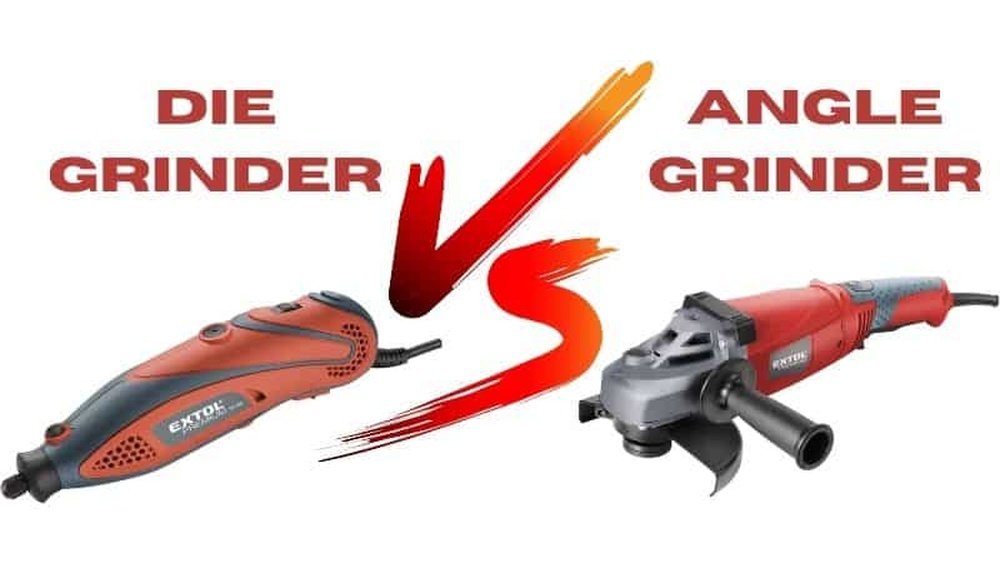
Die Grinder Vs Angle Grinder: Everything You Need To Know
When you step into a workshop, you’ll see many power tools. Two of the most common are the die grinder and the angle grinder. They might look similar if you’re new to tools, but they are designed for very different jobs. Choosing the right one can make your project easier, safer, and give you a better finish.
This guide explains the differences between die grinders and angle grinders in clear, simple language. You’ll learn what each tool does best, how they work, and how to pick the right one. If you’re thinking about buying, or just want to understand these tools for your projects, this article will help you make a smart choice.
What Is A Die Grinder?
A die grinder is a small, handheld power tool. It is mainly used for fine, detailed work. Professionals and hobbyists use die grinders for grinding, sanding, polishing, honing, and even carving. The tool is shaped like a thick pen or small flashlight, and it is easy to control with one hand.
Most die grinders spin at very high speeds—often between 20,000 and 35,000 RPM (rotations per minute). This high speed lets them work on metal, wood, plastic, and even glass. They use small attachments called bits or burrs, which come in many shapes for different jobs.
There are two main types:
- Electric die grinders: Plug into a wall or use batteries. Good for light jobs and home use.
- Pneumatic die grinders: Run on compressed air. More powerful and common in auto or industrial shops.
Common Uses For Die Grinders
- Deburring metal parts after cutting
- Polishing small areas on car bodies or jewelry
- Grinding welds in tight spots
- Shaping wood for carving or detail work
- Cleaning rust from hard-to-reach corners
One thing beginners often miss: die grinders are perfect for precision tasks. If you need to shape a small area or make a detailed finish, this tool is much safer and easier to use than a large grinder.
What Is An Angle Grinder?
An angle grinder is a larger, more powerful tool. It has a motor attached to a gear system, which turns a disc-shaped wheel set at a right angle to the tool body. You need two hands to control it safely.
Angle grinders are much more versatile in terms of power and cutting ability. They usually run at 7,000 to 12,000 RPM—slower than die grinders, but with much more torque (twisting force). This means they can cut, grind, and polish bigger and tougher materials like steel, stone, or concrete.
Angle grinders use many types of wheels or discs:
- Cut-off wheels for metal and rebar
- Grinding wheels for smoothing welds
- Wire brushes for removing paint or rust
- Diamond blades for cutting tile or masonry
Common Uses For Angle Grinders
- Cutting metal pipes or thick bolts
- Grinding down welds on large objects
- Sanding or polishing large, flat surfaces
- Removing mortar between bricks
- Sharpening blades on lawnmowers or tools
A key detail that often surprises new users: angle grinders can be dangerous if used for small, detailed work. Their large size and power make them hard to control in tight spots.
Die Grinder Vs Angle Grinder: Core Differences
To really understand when to use each tool, let’s compare the main features side by side. Here’s a summary in a simple table:
| Feature | Die Grinder | Angle Grinder |
|---|---|---|
| Size | Small, pen-like | Large, two-handed |
| RPM | 20,000–35,000 | 7,000–12,000 |
| Power Source | Electric or air | Mostly electric |
| Best for | Detail work, small spaces | Heavy cutting, large areas |
| Attachment Type | Bits, burrs | Discs, wheels |
| Material Types | Metal, wood, plastic | Metal, stone, concrete |
| Precision | Very high | Medium to low |
| Weight | Light (1–2 lbs) | Heavier (4–7 lbs) |
Performance Comparison
Power And Speed
- Die grinders are all about high speed. Their small bits spin extremely fast, letting you grind, polish, or shape materials with a light touch.
- Angle grinders trade speed for torque. This makes them better for tough jobs like cutting steel or concrete. They may spin slower, but their discs are bigger and stronger.
Precision
Die grinders win when you need accuracy. Their small size and speed let you work on tiny parts or in corners. Angle grinders, with their larger discs, are good for rough work on big surfaces.
Versatility
Angle grinders can do more types of jobs. With the right disc, you can cut, grind, sand, or polish all kinds of materials. Die grinders are best for detailed work, but not for heavy cutting or shaping.

Safety: What You Need To Know
Both tools can be dangerous if used incorrectly, but their risks are different.
- Die grinders: Because they are small, users sometimes forget they can still cause injury. The bits spin so fast that even light contact with skin or eyes can be serious. Always wear safety glasses and gloves.
- Angle grinders: These tools are much stronger and can cause severe injuries. Discs can break and fly off at high speed. Sparks and dust are also common. Always use a guard and never remove the safety features.
One thing beginners often miss: never use a die grinder bit in an angle grinder, or vice versa. The attachment may not fit or could break apart, causing injury.
Applications: When To Use Each Tool
Choosing between a die grinder and an angle grinder depends on your project.
Die Grinder Is Best When:
- You’re working on small, detailed parts
- You need to smooth out welds inside a car engine or bike frame
- You’re engraving designs into metal or wood
- You want to remove rust from tight corners
Angle Grinder Is Best When:
- You’re cutting large pieces of metal, tile, or stone
- You need to smooth out a rough weld on a fence or gate
- You’re removing paint or cleaning up a big surface
- You want to sharpen tools like lawnmower blades
Here’s a quick example: If you’re restoring an old car, you’ll use an angle grinder to cut off rusty panels, and a die grinder to polish the inside edges or clean up small welds.
Tool Attachments And Accessories
Each tool uses different attachments, which changes what they can do.
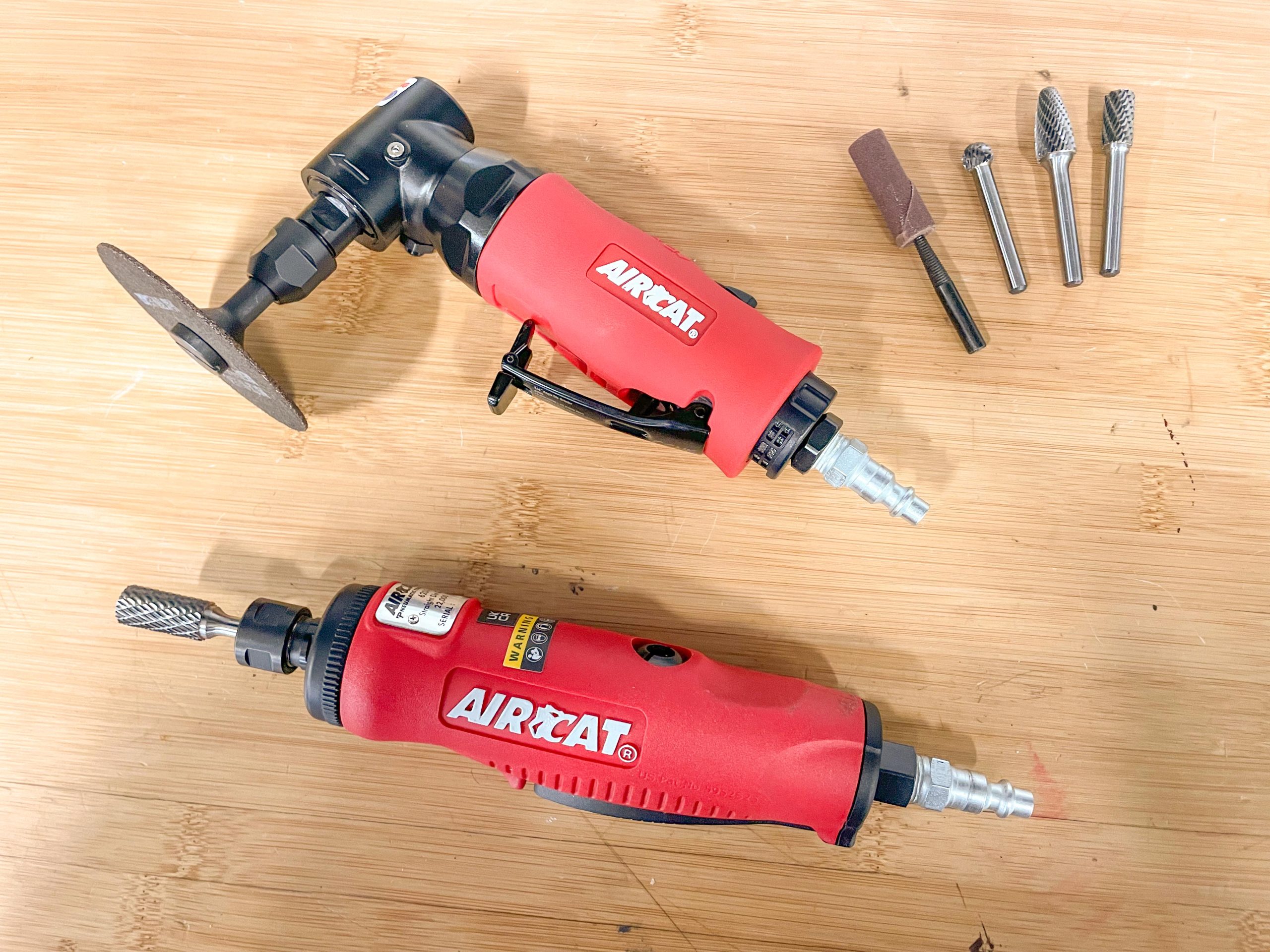
Die Grinder Attachments
- Carbide burrs: For shaping metal or wood
- Sanding drums: For smoothing surfaces
- Polishing bits: For a shiny finish
- Cut-off wheels: For thin, precise cuts
Angle Grinder Attachments
- Abrasive wheels: For grinding metal or stone
- Diamond blades: For cutting tiles or bricks
- Flap discs: For smoothing and blending
- Wire wheels: For cleaning rust or paint
A common mistake: using the wrong attachment can damage your tool or hurt you. Always match the attachment to the tool and the job.
Price And Cost Of Ownership
When buying a tool, price is important. Here’s a comparison table to help:
| Tool Type | Average Price Range | Accessory Cost | Maintenance |
|---|---|---|---|
| Die Grinder | $30 – $150 | Low (bits $3–$15) | Minimal (lubrication for air models) |
| Angle Grinder | $40 – $200 | Medium (discs $5–$25) | Basic (check brushes, clean vents) |
Die grinders are usually cheaper to buy and maintain, but angle grinders offer more power for your money.
Ease Of Use And Comfort
Die grinders are lighter and easier to handle for long periods. They cause less fatigue and are good for work that needs a gentle touch.
Angle grinders are heavier and can cause hand or arm strain if used for a long time. They also make more noise and vibration.
A tip: If you’re new to power tools, try a die grinder first to build up your skills before moving to a larger angle grinder.
Durability And Build Quality
Both tools are built to last, but in different ways.
- Die grinders: Less likely to break, but can wear out if pushed too hard.
- Angle grinders: Built for heavy work, but need regular checks to make sure the disc and motor are safe.
For industrial use, pneumatic die grinders and high-quality angle grinders last longer. Cheap models may overheat or break after a few projects.

Making The Right Choice For Your Needs
To choose between a die grinder and an angle grinder, ask yourself:
- What material am I working with? (Metal, stone, wood)
- Do I need power or precision?
- Is the area large or small?
- What attachments do I already have or need?
- How much do I want to spend?
If you work mostly on cars, metal art, or fine woodworking, a die grinder will serve you well. For construction, fabrication, or demolition, an angle grinder is a must-have.
A non-obvious insight: In some workshops, professionals keep both tools handy. They switch between them depending on the stage of the project. If your budget allows, owning both can save you time and give you the best results.
Real-world Example
Imagine you’re repairing a steel gate. You need to:
- Cut off a broken hinge (angle grinder with a cut-off wheel)
- Smooth the rough weld (angle grinder with a grinding disc)
- Polish the weld for painting (die grinder with a polishing bit)
Using both tools gets the job done faster, with a better finish.
Environmental Impact
Electric die grinders use less power than angle grinders, so they are more energy efficient for small jobs. Pneumatic die grinders rely on air compressors, which can use a lot of electricity. Angle grinders, because of their power, also draw more energy per use.
If you work in a small shop or care about energy use, a die grinder for light tasks is the greener choice.
Key Takeaways
- Die grinders: Best for fine, precise work, small surfaces, and detailed shaping.
- Angle grinders: Best for heavy-duty cutting, grinding, and working on large areas.
- Always use the right attachment for the job and tool.
- Safety gear is a must—both tools can cause serious injury.
- If budget allows, having both gives you more options.
For more technical details on grinders, check the Wikipedia Grinder page.
Frequently Asked Questions
What Is Safer For Beginners: A Die Grinder Or Angle Grinder?
A die grinder is generally safer for beginners because it is smaller, lighter, and easier to control. However, both tools require proper safety gear and attention. Never use either tool without eye protection.
Can I Cut Metal With A Die Grinder?
Yes, but only for thin metal and small cuts. Use the right cut-off wheel attachment. For thick metal or longer cuts, an angle grinder is much faster and safer.
Is An Angle Grinder Good For Wood?
Angle grinders can shape or sand wood with special discs, but they are not as precise as die grinders. For carving or fine shaping, a die grinder is a better choice.
What Is The Main Maintenance Difference Between These Tools?
Die grinders (especially air-powered) need regular lubrication. Angle grinders need the disc checked and replaced when worn, and their vents cleaned to prevent overheating.
Can I Use Drill Bits In A Die Grinder?
No. Drill bits are not designed for the high speed of a die grinder. Always use attachments made for your specific tool to avoid accidents.
Both die grinders and angle grinders are powerful tools that can make your work easier and more professional. By understanding their strengths and weaknesses, you can choose the right tool for every job and work with confidence.
As an Amazon Associate, We earn from qualifying purchases