
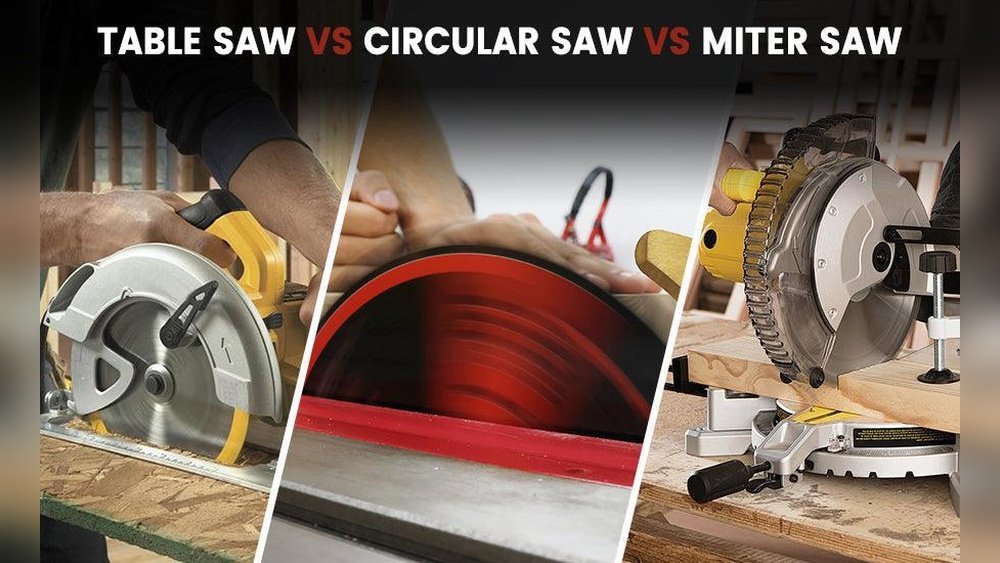
Choosing between a miter saw and a circular saw can feel confusing, especially if you’re new to woodworking or DIY projects. These tools look different, work differently, and each has unique strengths. If you want to cut wood, build furniture, or do home repairs, picking the right saw can save you time, money, and frustration.
But how do you know which one is best for your needs?
This article will break down the differences between miter saws and circular saws, explain how each works, and help you decide which tool fits your projects. You’ll learn about their cutting abilities, safety, costs, and practical examples. By the end, you’ll feel confident choosing the saw that matches your goals.
What Is A Miter Saw?
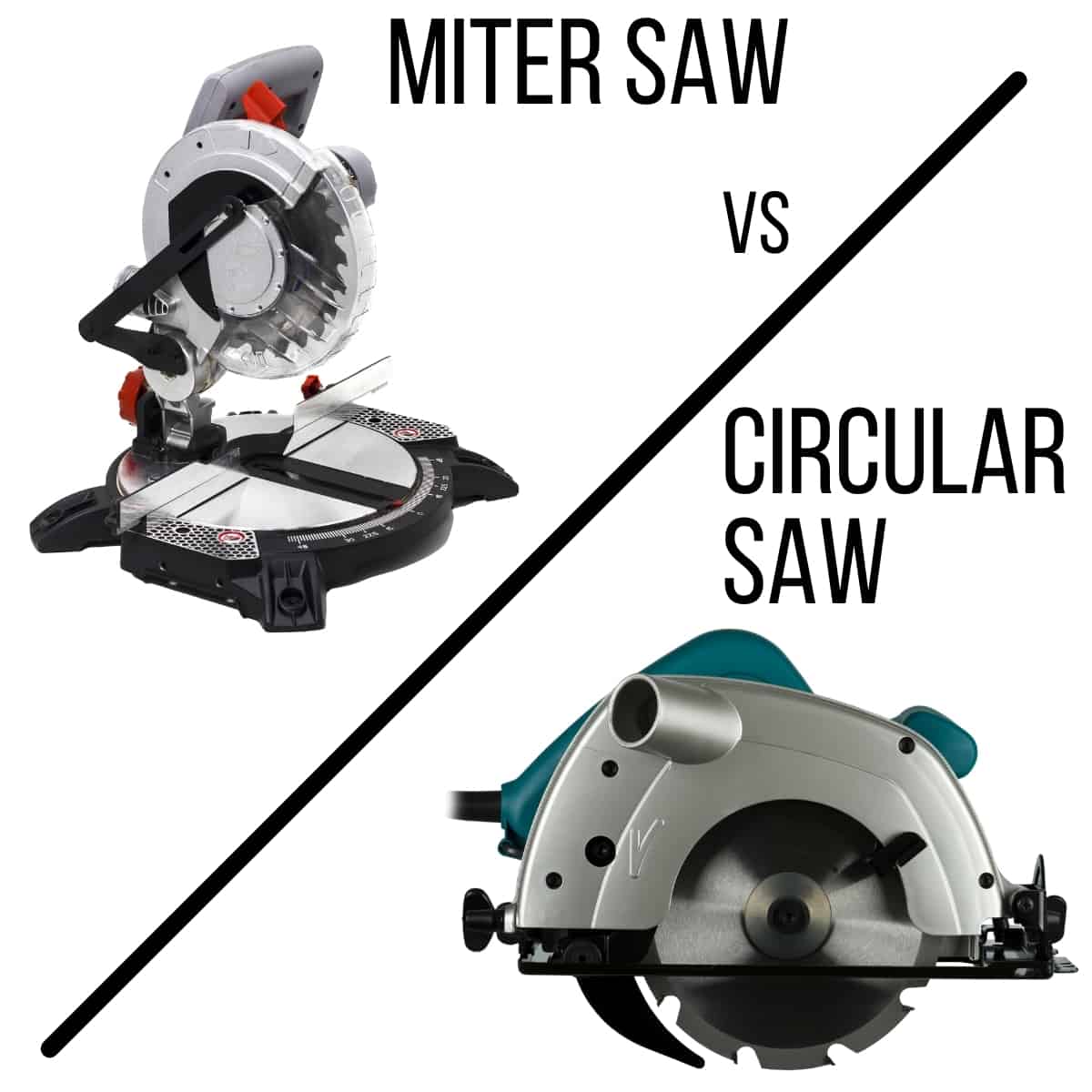
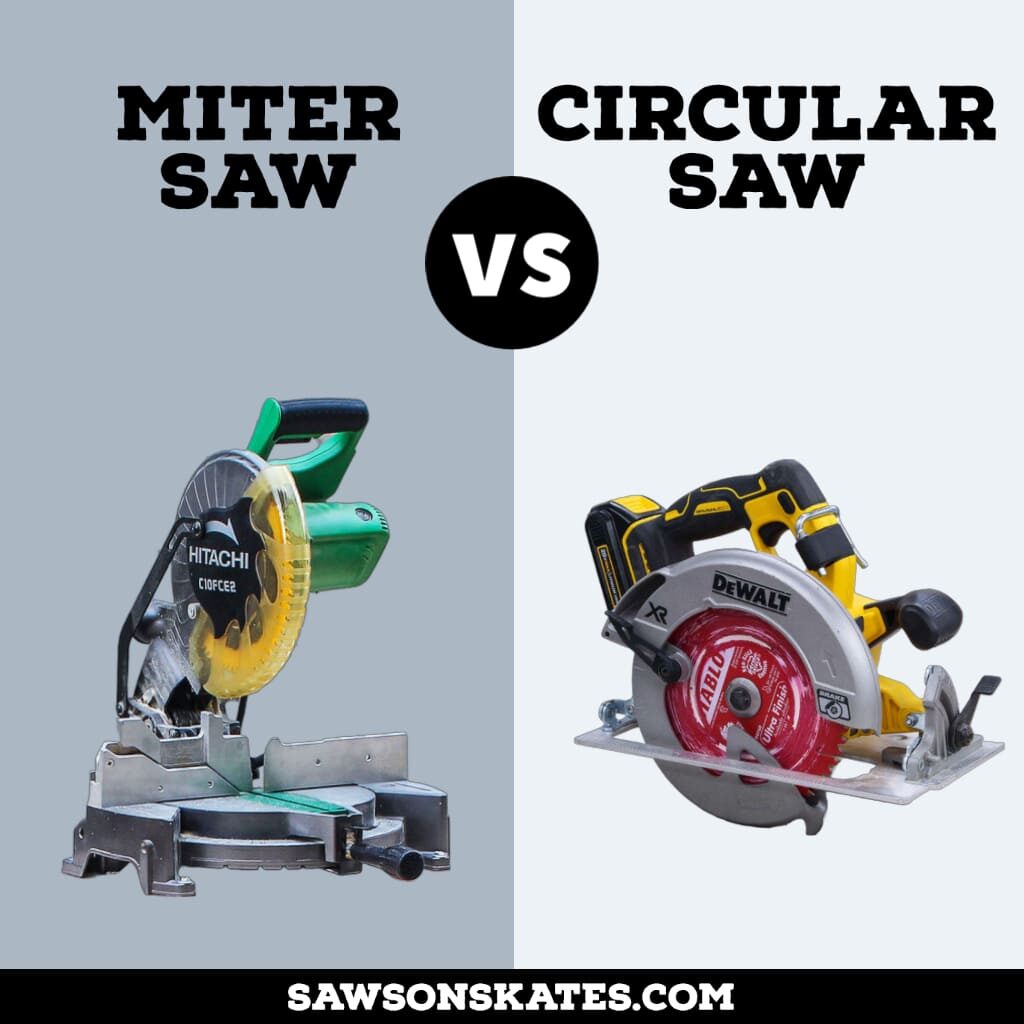
A miter saw is a stationary power tool designed for making precise crosscuts and angled cuts in wood, plastic, or some metals. The saw blade is mounted on a swing arm that pivots left or right to produce angled cuts.
Most miter saws are used for:
- Cutting baseboards and moldings
- Framing windows and doors
- Making picture frames
- Any project where precise angles matter
There are three main types:
- Standard miter saw: Makes straight and angled cuts.
- Compound miter saw: Tilts for bevel cuts (angled cuts through the thickness of the wood).
- Sliding compound miter saw: Moves forward and backward, allowing wider boards to be cut.
Miter saws usually sit on a workbench or stand. You bring the material to the saw, line up your cut, and pull the blade down for a clean, controlled cut.
What Is A Circular Saw?
A circular saw is a handheld power tool with a rotating round blade. It’s used for making straight cuts in wood, plastic, metal, and masonry, depending on the blade type. Unlike miter saws, circular saws are portable and can be taken to the material.
Common uses include:
- Cutting plywood sheets
- Trimming lumber
- Making quick, rough cuts for framing
- Cutting doors or flooring on site
Circular saws are valued for their versatility and portability. You move the saw along the material, following a marked line. They can make long, straight cuts (rip cuts), crosscuts (across the grain), and even bevel cuts with adjustments.
Head-to-head Comparison
To help you compare, here’s a summary of the main differences between miter saws and circular saws:
| Feature | Miter Saw | Circular Saw |
|---|---|---|
| Cutting Style | Precise angled cuts, mostly crosscuts | Straight cuts (rip, cross, bevel), less precise angles |
| Portability | Stationary | Portable |
| Typical Use | Trim, molding, framing | Plywood, framing, general carpentry |
| Learning Curve | Easy to learn | Takes more practice |
| Price Range | $120–$600+ | $40–$300+ |
Key Differences Explained
Precision And Accuracy
Miter saws are built for accuracy. You can set exact angles (like 45°) and get repeatable results every time. This is important for projects like picture frames, crown molding, or any job where pieces must fit together perfectly.
Circular saws are less precise, especially for angled cuts. They can make straight cuts well, but freehand angles are harder. Using a guide rail helps, but it takes practice to match the accuracy of a miter saw.
Insight: Many beginners believe a circular saw can easily replace a miter saw for trim work. In reality, even small errors in angle cuts can cause problems with fit and finish.
Versatility
Circular saws win when it comes to versatility. They can cut large sheets of plywood, trim doors, or rip boards to width. If you do many different types of projects, a circular saw can handle more tasks.
Miter saws are more specialized. They do a few things extremely well—mainly precise crosscuts and angles—but can’t cut long sheets or make rip cuts.
Portability
If you need a tool that can go to the job, a circular saw is the clear choice. You can carry it in one hand and use it almost anywhere. Contractors love them for on-site work.
Miter saws are heavier and need a stable surface. They’re best for workshops or fixed locations.
Safety
Both saws require care, but miter saws are generally considered safer for beginners. Your hands are farther from the blade, and the saw is fixed in place.
Circular saws are handheld, so there’s more risk of kickback or cutting mistakes. Proper training and using both hands are essential for safety.
Cost
Circular saws are usually cheaper. You can get a reliable model for $50–$100. Miter saws start around $120 for basic models and go up for sliding or compound features.
Tip: Don’t just look at the tool price. Consider blades, stands, and safety gear, which add to the total cost.
When To Choose A Miter Saw
A miter saw is best if you:
- Need to make many identical cuts at the same angle
- Plan to install trim, molding, or build frames
- Want clean, smooth, and accurate cuts
- Don’t need to cut large sheets of material
Example: Installing baseboards around a room. You need perfect 45° angles at each corner. A miter saw makes this simple.
When To Choose A Circular Saw
A circular saw is better if you:
- Need to cut large sheets like plywood or MDF
- Want a tool for both straight and rough cuts
- Need something portable for job sites
- Have a smaller budget
Example: Building a shed. You’ll cut sheets for walls, rip boards for studs, and trim lumber. A circular saw can handle all these tasks.
Performance On Different Materials
Both saws can cut wood, but their abilities with other materials differ.
| Material | Miter Saw | Circular Saw |
|---|---|---|
| Hardwood | Excellent, clean cuts | Good, but may require special blade |
| Plywood | Limited by board width | Excellent for full sheets |
| Plastic/PVC | Good with proper blade | Good with proper blade |
| Metal | Possible with special blade (limited) | Possible with special blade |
Insight: Many users overlook the importance of the right blade. For clean cuts in plywood or metal, invest in specialty blades designed for your material.
Ease Of Use
Miter saws are easier for beginners. You secure the workpiece, set the angle, and lower the blade. The built-in fence and guides reduce errors.
Circular saws require more skill. You must control the saw along the cut line, keep the blade steady, and manage the cord or battery. Mistakes like wandering off the line or kickback are more common for new users.
Tip: Practice on scrap material before making real cuts, especially with a circular saw.
Maintenance And Durability
Both tools are durable, but a few differences matter:
- Miter saws need the rails and pivot points kept clean and lubricated, especially for sliding models.
- Circular saws require regular blade changes, checking the guard, and cleaning sawdust from the motor area.
Neither tool is especially high-maintenance, but keeping them clean helps them last longer and work safely.
Common Mistakes To Avoid
- Using the wrong saw for the job. For example, trying to cut a 4×8 sheet of plywood on a miter saw is difficult and unsafe.
- Ignoring blade quality. Cheap, dull, or wrong-type blades lead to rough cuts and burning.
- Not securing the material. Especially with circular saws, wood should be clamped to prevent movement.
- Skipping safety gear. Always wear eye protection and avoid loose clothing.
- Forgetting to check blade depth (circular saw). Too deep or too shallow can cause accidents or bad cuts.
Which Saw Is Best For Beginners?
If you’re just starting, think about your main projects. If you’ll mostly do trim, small furniture, or crafts, a miter saw is more forgiving and offers clean results. If you want flexibility and plan to work with large sheets or need a portable tool, a circular saw is the better first purchase.
Many serious woodworkers eventually own both. Starting with one that fits your needs is smarter than buying a tool you rarely use.
Real-world Scenarios
Let’s look at a couple of practical examples:
- Building a deck: You’ll need to cut joists, boards, and trim ends. A circular saw does most of the work; a miter saw is useful for finishing touches.
- Renovating a bedroom: Installing new baseboards and crown molding is much easier with a miter saw for perfect angles.
- DIY shelving: A circular saw can cut the large panels, while a miter saw makes quick work of support braces or angled cuts.
Price And Value
Here’s a simple price comparison for popular models:
| Type | Entry-Level Price | Mid-Range Price | High-End Price |
|---|---|---|---|
| Miter Saw | $120 | $250 | $600+ |
| Circular Saw | $40 | $100 | $300+ |
Tip: A good-quality blade often costs $20–$50, so don’t forget this when budgeting.
Recommendations
- If you do mostly precision work (frames, molding, crafts), start with a miter saw.
- If you need versatility and portability, a circular saw offers more value.
- For homeowners, a circular saw is more likely to cover varied needs.
- For repeatable, accurate cuts, nothing beats a miter saw.
If you’re still unsure, consider renting both tools from a local hardware store. Try them on your actual project to see what feels comfortable.
For more detailed information on power tools, the Wikipedia miter saw article is an excellent resource.

Frequently Asked Questions
What Is The Main Difference Between A Miter Saw And A Circular Saw?
The main difference is that a miter saw is stationary and makes precise, angled crosscuts, while a circular saw is handheld and used for straight or rough cuts, including long rip cuts.
Can A Circular Saw Replace A Miter Saw?
Not fully. A circular saw is more versatile but less accurate for repeated angled cuts. If you need perfect angles (like for trim), a miter saw is much better.
Which Saw Is Safer For Beginners?
A miter saw is generally safer. Your hands are farther from the blade, and the saw is fixed. Circular saws require more control and attention to safety.
What Size Blade Is Standard For Each Saw?
Most miter saws use 10-inch or 12-inch blades. Common circular saw blades are 7-1/4 inches. Always check your tool’s manual.
Can I Use The Same Blades For Both Saws?
Usually, no. Blades are sized and shaped for each tool. Some specialty blades fit both, but most are not interchangeable.
A clear understanding of both tools will help you make smarter choices, work more safely, and enjoy better results in your projects. Each saw has strengths—choose based on your needs, and you’ll get the best out of your investment.
As an Amazon Associate, We earn from qualifying purchases