
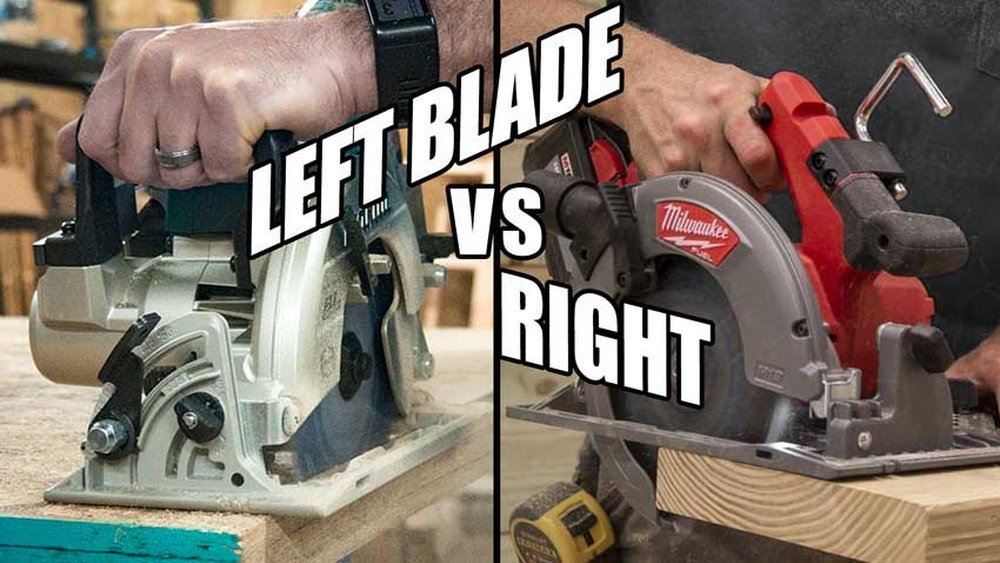
Choosing the right circular saw can make a big difference in your woodworking or construction projects. One decision that often confuses both beginners and experienced users is whether to use a left handed or right handed circular saw. At first glance, you might think this is just about which hand you write with, but the reality is more complex. Each design comes with its own set of benefits, challenges, and safety considerations. Understanding these differences will help you pick the tool that fits your needs, work style, and even jobsite conditions.
Many people buy the wrong saw because they do not know how the orientation affects visibility, comfort, and safety. This article will break down the features, advantages, and drawbacks of both left handed and right handed circular saws. You’ll also find practical advice, real-world examples, and data that will help you make the best choice for your projects.
What Is A Circular Saw?
A circular saw is a power tool that uses a round, toothed blade to cut different materials like wood, metal, or plastic. Most circular saws are handheld, but some are mounted on tables. The saw’s motor spins the blade at high speed, allowing it to cut through thick boards quickly and accurately.
One key feature of circular saws is the blade position. In a right handed circular saw, the blade sits on the right side of the tool, while in a left handed saw, it’s on the left. This small change has a big impact on how you see the cut line, how you hold the saw, and even your safety.
Left Handed Circular Saw: Features And Benefits
A left handed circular saw has the blade on the left side when you hold the tool in front of you. This design was first popular among professionals working on scaffolding or in tight spaces, but now it’s found in many workshops and homes.
Advantages
1. Better Cut Line Visibility For Right-handed Users
When holding the saw with your right hand, the blade and cut line are in clear view. This makes it easier to cut straight, especially for precise work.
2. Safer Hand Position
Your right arm stays on the outside of the saw, reducing the chance your hand will cross the blade path.
3. Easier For Overhead And Vertical Cuts
Some users find left handed saws easier to control when cutting above their heads or on vertical surfaces, as they can see the blade without twisting their body.
4. Ideal For Left-handed Users
If you are left handed, you can hold the main handle with your dominant hand and guide with your right, making the saw feel more natural.
Common Uses
- Framing work
- Cross-cutting plywood sheets
- Cutting in tight or awkward spaces
Potential Drawbacks
- Blade Guard Obstruction: The blade guard can sometimes block your view, depending on your cutting angle.
- Weight Distribution: Some people find the tool feels unbalanced, especially if they are used to right handed models.
Right Handed Circular Saw: Features And Benefits
A right handed circular saw places the blade on the right side. This is the traditional style in the U.S. and is common among both DIYers and professionals.
Advantages
1. Familiar Feel For Most Users
If you learned on a right handed saw, this layout will feel comfortable and predictable.
2. Stability During Cuts
When making a cut, the main weight of the saw rests on the supported part of the material, which can make long cuts more stable.
3. Safer For Left-handed Users
With the left hand on the main handle, left-handed users keep their body away from the blade.
Common Uses
- Construction framing
- Cutting dimensional lumber
- Rip cuts along the grain
Potential Drawbacks
- Limited Cut Line Visibility: For right-handed users, your hand and the motor can block your view of the blade.
- More Risk of Cross-Handed Operation: Some users reach over the saw to see the cut, which can be dangerous.
Key Differences: Left Handed Vs Right Handed Circular Saw
Sometimes the differences are subtle, but they matter when you use the tool every day. Here’s a side-by-side look:
| Feature | Left Handed Saw | Right Handed Saw |
|---|---|---|
| Blade Position | Left side | Right side |
| Best Visibility | Right-handed users | Left-handed users |
| Common Use | Framing, overhead cuts | General woodwork, rip cuts |
| Weight Balance | Can feel unbalanced | More stable on supported material |
| Safety | Reduces cross-handed risk | May increase cross-handed risk |
Who Should Use A Left Handed Circular Saw?
The left handed saw is not just for left-handed people. In fact, right-handed users often prefer it for certain jobs. Here’s who benefits most:
- Right-handed users who want a clear view of the cut
- Professionals working on scaffolding or above their heads
- Left-handed users who want a more natural grip
A common beginner mistake is assuming the saw matches your writing hand. Instead, focus on where your dominant eye is and how you like to hold the tool. Some right-handed people have a dominant left eye, making left handed saws even more comfortable.
Who Should Use A Right Handed Circular Saw?
The right handed saw is the traditional choice and suits many users:
- Left-handed users who want the blade in clear view
- Right-handed users who prefer more tool weight on the supported material
- DIYers who learned on this style and want to stick with it
If you cut a lot of long boards, the extra stability of a right handed saw can help you keep straight lines.

Safety Considerations
Safety should always come first. Circular saws can be dangerous if used incorrectly. Some safety points are unique to the saw’s orientation.
Key Safety Tips
- Never cross your arms over the saw to see the cut line. This is a leading cause of injuries.
- Keep both hands on the saw whenever possible.
- Check your stance: Make sure your body is never in line with the blade.
- Wear safety glasses and hearing protection.
A surprising fact: According to the U.S. Consumer Product Safety Commission, over 30,000 people visit emergency rooms each year due to circular saw injuries. Most accidents happen because of poor hand placement or trying to see the blade in an awkward way.
Ergonomics And Comfort
Your comfort with a saw depends on more than just your handedness. Ergonomics matter, especially for long jobs.
| Aspect | Left Handed Saw | Right Handed Saw |
|---|---|---|
| Handle Position | Better for right-handed grip | Better for left-handed grip |
| Cut Line Sight | Clear for right-handed users | Clear for left-handed users |
| Fatigue | Less twisting for right-handed users | Less twisting for left-handed users |
A non-obvious tip: Try holding both types of saws before buying. Even a few minutes in your hand can reveal which feels better for your wrist and arm.

Visibility And Accuracy
Seeing your cut line is critical for accurate results. This is where the saw’s orientation has the biggest impact.
- Left handed saws: Better for right-handed users; the blade and line are in plain sight.
- Right handed saws: Better for left-handed users; the cut line is easier to follow.
If you do a lot of finish carpentry or trim work, visibility can make or break the quality of your job.
Popular Brands And Models
Both left and right handed circular saws are available from top brands. Here are some popular options:
- DEWALT DCS577X1 (Left Handed) – Known for its power and durability.
- Makita 5007MGA (Right Handed) – Offers great balance and a clear view for left-handed users.
- Skilsaw SPT77WML-01 (Left Handed) – Lightweight for overhead work.
- Bosch CS10 (Right Handed) – Reliable for general use.
Don’t just go by the brand; check the blade position before buying.
Price Comparison
The price difference between left and right handed saws is usually small, but features can affect cost.
| Model | Orientation | Approx. Price (USD) |
|---|---|---|
| DEWALT DCS577X1 | Left Handed | $350 |
| Makita 5007MGA | Right Handed | $180 |
| Skilsaw SPT77WML-01 | Left Handed | $200 |
| Bosch CS10 | Right Handed | $150 |
Prices can change based on sales, features, and battery options. Higher prices often mean more power and longer lifespan.
Common Mistakes When Choosing
Many beginners make the following mistakes:
- Choosing based on handedness only. The key is visibility and comfort, not just which hand you use.
- Ignoring jobsite needs. If you often work in tight spaces, a left handed saw might help, even if you’re right handed.
- Not testing before buying. Try the tool in person if possible.
A second insight: Always check if your saw is compatible with the blades and accessories you already own. Some left handed models use different blade designs.
Final Thoughts: Which One Should You Choose?
There’s no universal answer. The best saw is the one that feels right in your hand, gives you a clear view of the cut, and fits your work style. If you’re right handed and want accuracy, a left handed saw might be the better pick.
If you’re left handed or want more stability, go with a right handed saw.
It’s smart to test both types, read user reviews, and think about the kind of jobs you do most. Remember, the right circular saw will help you work faster, safer, and with better results.
For more technical details and safety tips, you can visit the Wikipedia page on circular saws.
Frequently Asked Questions
Which Saw Is Safer: Left Handed Or Right Handed?
Both can be safe if used correctly. However, left handed saws reduce the risk of crossing your arms over the blade for right-handed users, which can lower accident risks.
Can Left Handed People Use Right Handed Saws?
Yes, but many left handed users prefer right handed saws because they can see the blade better. The choice depends on comfort and visibility.
Are Left Handed Circular Saws More Expensive?
Not usually. Prices depend more on brand and features than blade position.
Does Blade Orientation Affect Cut Accuracy?
Yes. If you can clearly see the cut line, you are more likely to make accurate cuts. Choose the saw that gives you the best view based on your dominant hand and eye.
Should Beginners Start With Left Handed Or Right Handed Saws?
There’s no rule, but most beginners find it easier to start with the saw that matches their dominant hand’s comfort and gives them the best view of the blade.
Choosing between a left handed and right handed circular saw is about more than preference—it’s about working smarter and safer. Consider your needs, try both types if you can, and you’ll find the tool that helps you do your best work.

As an Amazon Associate, We earn from qualifying purchases