
Track Saw Vs Circular Saw: Which One Should You Choose?
Choosing the right saw can make or break your woodworking project. If you’re looking to make straight, accurate cuts, you will likely compare the track saw and circular saw. Both tools are popular, but they serve different needs. This article breaks down their features, strengths, weaknesses, and real-world uses. By the end, you will know which tool fits your needs.
What Is A Track Saw?
A track saw is a circular saw that runs on a guide rail or “track.” This rail guides the saw, helping you make perfectly straight cuts. Most track saws are used for cutting large sheets of wood, such as plywood or MDF. The track prevents the blade from wandering, so you get pro-level results even if you’re a beginner.
A typical track saw can cut:
- Sheet goods up to 2 inches thick
- Long rip cuts (with tracks as long as 118 inches)
- Angled or bevel cuts with high accuracy
Track saws are often called “plunge saws” because you start the blade above the wood, then plunge it in.
What Is A Circular Saw?
A circular saw is one of the most common power tools. It uses a round, spinning blade to cut wood, metal, or plastic. You can hold it in your hand and guide it through the material. It does not come with a rail, so you must guide it by hand or use a straight edge.
Circular saws are loved for their:
- Portability
- Ability to cut lumber, plywood, and even masonry
- Lower price compared to track saws
They come in corded and cordless models, with blade sizes typically from 6. 5 to 7. 25 inches.
Key Differences At A Glance
Here is a quick visual comparison:
| Feature | Track Saw | Circular Saw |
|---|---|---|
| Guide System | Uses track/rail for straight cuts | Freehand; optional straight edge |
| Cut Accuracy | Very high | Depends on user skill |
| Portability | Less portable (track needed) | Highly portable |
| Price | Higher | Lower |
| Dust Collection | Excellent (most models) | Poor (without accessories) |
This table gives a clear sense of how the two saws compare on important points. Now, let’s look deeper into each area.
Cutting Accuracy And Quality
Track Saw
Track saws are built for precision. The rail ensures your cut will be straight, even on long pieces. Plunge action allows you to start cuts anywhere, not just at the edge. The blade is almost always high-quality, with splinter guards for clean edges. This makes it the top choice for cabinetmakers and people working with expensive materials.
Circular Saw
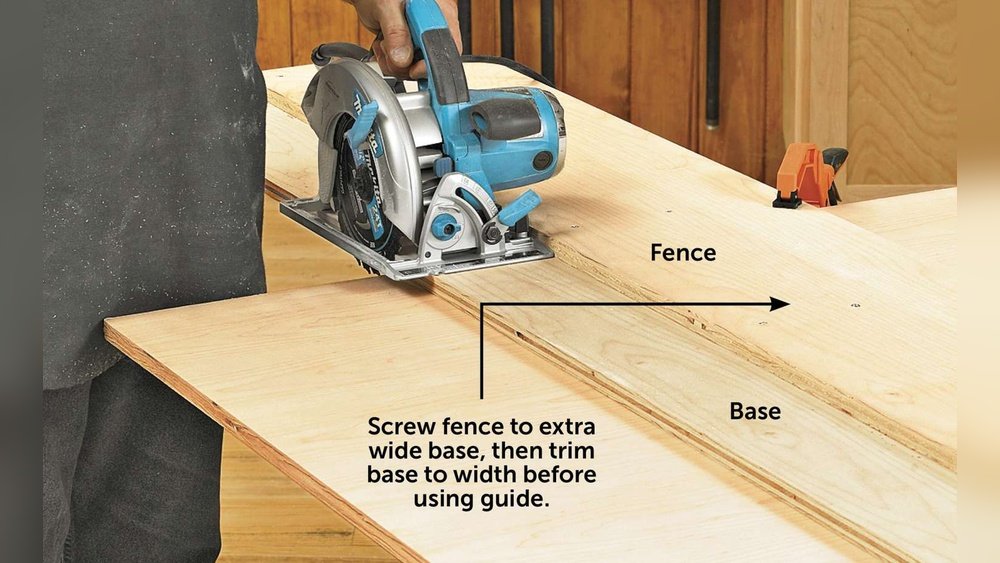
A circular saw can also cut straight, but only if you have a steady hand. Small mistakes are common, especially for beginners. If you want to cut a long, straight line, you’ll need a guide or jig. Circular saws are more likely to cause tear-out (rough edges), especially on plywood.
Insight: Many new users don’t realize that even a cheap circular saw can be improved greatly with a simple homemade guide (like a straight piece of wood clamped to the workpiece).
Versatility
Track Saw
Track saws are best for:
- Cutting large sheet materials
- Making repeated, identical cuts
- Creating finished edges
They are less effective for:
- Rough framing
- Cutting thick lumber (over 2 inches)
- Quick, rough cuts
Circular Saw
Circular saws can do almost everything a track saw can, plus more:
- Crosscuts and rip cuts in framing lumber
- Angled (bevel) cuts for roofing or trim
- Cutting sheet materials (with or without a guide)
- Demolition work
You can use a circular saw for rough work and finish work, but you’ll need extra skill and effort for fine results.
Ease Of Use
Track Saw
A track saw is simple for beginners. Lay the track down, line it up, and cut. The saw stays on track, so mistakes are rare. You can even join multiple tracks for longer cuts. However, setting up takes longer and you need enough space for the rail.
Circular Saw
Circular saws are lighter and easier to grab for quick jobs. But keeping a straight line without a guide is hard. Many people cut slightly off their line, wasting material. For best results, you should clamp a straight edge or buy a special guide.
Non-obvious tip: Many users forget to let the blade reach full speed before starting the cut. This causes rough edges and blade binding.
Safety
Track saws are often safer for beginners. The blade is hidden inside the housing until you plunge it in. The track holds the wood steady, and the saw almost never kicks back.
Circular saws have more exposed blade. If you slip, you could injure yourself or damage your project. Kickback is also a bigger risk, especially if the saw binds during the cut.
Price And Value
Let’s compare the average price range:
| Tool Type | Entry Level | Pro Level |
|---|---|---|
| Track Saw (with track) | $250 – $400 | $500 – $900+ |
| Circular Saw | $50 – $120 | $150 – $350 |
Track saws cost more, but you get professional features and quality. If you work with sheet goods often, it’s a smart investment. Circular saws are cheaper, and you can start with a basic one for small jobs.

Dust Collection
Track saws are usually built with excellent dust collection. Most models have a port that connects to a shop vac. This keeps your workspace clean and helps you see the cut line.
Circular saws often lack dust collection. Some newer models have ports, but they’re less effective. If you cut indoors, this can make a big mess.
Expert tip: If you work in small spaces or someone in your home has allergies, a track saw’s dust control is a big advantage.
Mobility And Storage
Circular saws win when it comes to portability. They’re light, compact, and easy to carry. You don’t need extra parts.
Track saws are bulkier. The saw itself isn’t heavy, but the track (especially long ones) takes up space. If you move around to different job sites, a circular saw is easier to pack.

Setup And Speed
Circular saws are ready to use in seconds. Just plug in, mark your line, and cut. This is perfect for quick jobs.
Track saws need more setup time:
- Lay out the track
- Align it with your cut line
- Clamp (optional) to prevent shifting
But once set up, you can make multiple identical cuts very quickly.
Which Saw Is Better For Beginners?
If you’re new to woodworking, the answer depends on your projects:
- For furniture, cabinets, or precise cuts: A track saw is easier and more forgiving.
- For DIY, framing, or rough carpentry: A circular saw is cheaper and more versatile.
Most pros recommend starting with a circular saw. Later, add a track saw if you want to improve your accuracy or work with sheet goods.
:max_bytes(150000):strip_icc()/288-tracksaw-vs.-circular-saw-5710a63e51d44496b26fd310a8af2ccd.jpg)
Real-world Examples
Building A Bookshelf
If you want to build a bookshelf out of plywood, a track saw will give you straight, smooth cuts with little effort. You can break down full 4×8 sheets into perfect panels.
Framing A Deck
For outdoor framing, a circular saw is better. You’ll be cutting 2x4s and 4x4s, which a track saw can’t handle well.
Cutting Doors To Size
A track saw is perfect for trimming doors. The splinter guard keeps both sides of the door smooth—no chipping or tear-out.
Common Mistakes To Avoid
- Skipping blade checks: Always check blade sharpness and type. A dull blade causes rough cuts, burns, and can damage your material.
- Forgetting to support the workpiece: If the wood isn’t fully supported, it can pinch the blade or fall, causing kickback or ruined cuts.
- Not securing the track: For track saws, failing to secure the rail leads to crooked cuts. Always use non-slip strips or clamps.
- Ignoring dust collection: Cutting indoors without dust control makes cleanup hard and can harm your health.
- Wrong saw for the job: Don’t try to use a track saw for demolition or a circular saw for fine cabinetmaking. Match the tool to the project.
When To Choose Each Tool
Choose a track saw if:
- You value perfect, straight cuts
- You work with sheet materials (plywood, MDF)
- Clean edges are important
- You want less dust
Choose a circular saw if:
- You need a low-cost, all-around tool
- Portability matters
- You do framing, outdoor work, or demolition
- You want to cut thick lumber
Can You Use Both Together?
Yes, many advanced woodworkers own both. They use a circular saw for rough cuts or framing, then switch to the track saw for finish work. If you’re building a full workshop, having both gives you the most flexibility.
Track Saw Vs Circular Saw: Quick Reference
Here’s a summary table for fast decision-making:
| Situation | Best Tool | Why |
|---|---|---|
| Breaking down plywood | Track Saw | Straight, clean cuts |
| Framing walls | Circular Saw | Portability, speed |
| Trimming doors | Track Saw | Splinter-free edges |
| Outdoor construction | Circular Saw | Handles thick lumber |
| Quick repairs | Circular Saw | Fast setup |
Frequently Asked Questions
What Is The Main Advantage Of A Track Saw?
The biggest advantage is cutting straight, clean lines on sheet materials. The track guides the saw, so you don’t need expert skill for perfect results.
Can A Circular Saw Use A Track?
Some brands now sell track-compatible circular saws. They work similarly but are often less precise than a true track saw. You can also make a homemade guide for a standard circular saw.
Is A Track Saw Worth The Price?
If you cut a lot of plywood or want pro-level results, yes. For most home users, a circular saw is enough. But serious woodworkers find that a track saw saves time and reduces mistakes.
Can You Make Plunge Cuts With A Circular Saw?
It’s possible, but not as safe or easy as with a track saw. You must tip the saw forward to start the cut, which can be dangerous and damage the material. Track saws are designed for safe plunge cuts.
Where Can I Learn More About Saw Safety?
For in-depth safety guidelines and tool advice, visit the official OSHA Power Tool Safety page.
Final Thoughts
Choosing between a track saw and a circular saw depends on your needs. If you want speed, portability, and low cost, a circular saw is the best start. For perfect, pro-quality cuts on sheet materials, nothing beats a track saw. Many serious DIYers and pros use both. Think about your projects, budget, and workspace before buying. With the right tool, you’ll get better results and enjoy your work more.
As an Amazon Associate, We earn from qualifying purchases