
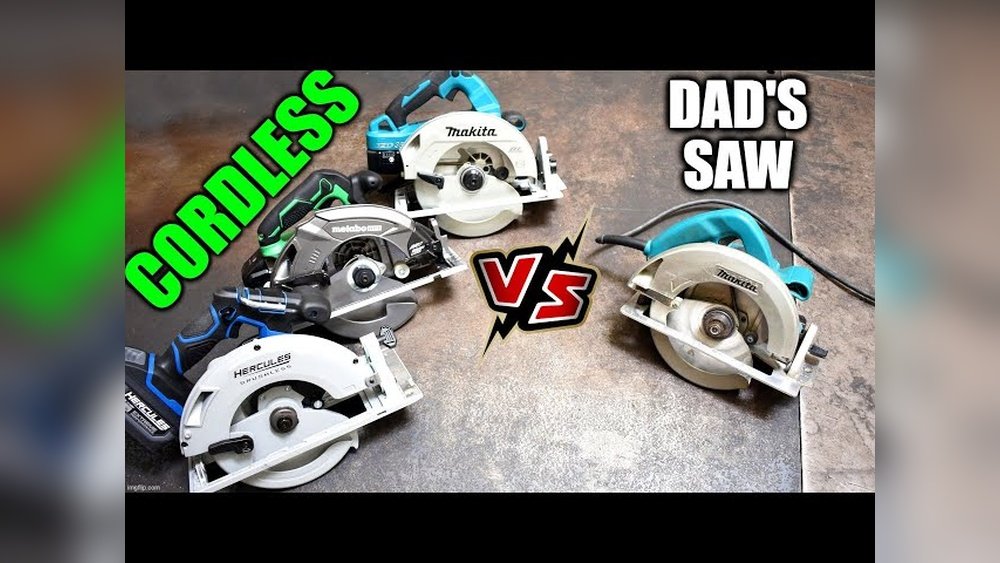
When you need to cut wood, metal, or even plastic quickly and accurately, a circular saw is one of the best tools you can use. But should you choose a corded or cordless model? This question is not just about power or price. It’s about your work style, the jobs you do, and the results you want. If you are new to power tools or just want to upgrade your workshop, this guide will help you see the real differences, pros, and cons of corded vs cordless circular saws. Let’s look closer so you can pick the right saw for your needs.
Understanding The Basics
A circular saw is a handheld power tool with a round blade that spins at high speed. You press the saw through material to make straight or angled cuts. Both corded and cordless versions do the same job, but how they get power changes everything.
- Corded circular saws plug into an electrical outlet. They run as long as you have power.
- Cordless circular saws use rechargeable batteries. You can use them anywhere, no plug needed.
At first, this seems simple. But choosing between them can affect your work speed, safety, and even the quality of your cuts.
Power And Performance
The most obvious difference is power. Corded saws usually have a stronger motor. Most models range from 12 to 15 amps, which means they can cut through thick or hard materials without slowing down. You can use them for hours without worrying about losing power.
Cordless saws have improved a lot thanks to better batteries. Modern 18V or 20V lithium-ion batteries give more power than older models. However, they still can slow down or stop when cutting very hard wood or if the battery charge is low. Some top-end cordless saws can match corded models for short jobs, but for long, heavy work, corded saws still win.
Non-obvious insight: Even if a cordless saw is rated “20V,” it doesn’t always mean it’s more powerful than a corded saw. The real power depends on the battery’s amp-hour (Ah) rating and the saw’s motor efficiency. It’s easy to be misled by high voltage numbers alone.

Portability And Convenience
If you work in different places or move around a lot, cordless circular saws are very handy. You can carry them anywhere—no need for an outlet, extension cords, or searching for power at a job site. This is a big deal if you work outside, on a roof, or in a place with no electricity.
With a corded saw, you have to stay near a power source. The cord can get in the way, or even be a trip hazard. You might need long, heavy-duty extension cords for outdoor work, which adds to your setup time.
Practical example: If you are building a deck in your backyard, a cordless saw lets you move around freely. But if you’re cutting dozens of boards all day, you’ll need extra batteries or access to a charger.
Runtime And Battery Life
Corded saws have unlimited runtime—just keep them plugged in. There’s no battery to recharge, so you don’t need to stop working. This is important for professionals or anyone working on big projects.
Cordless saws depend on battery life. A typical battery lasts 20–45 minutes of continuous cutting, depending on the material and saw model. When the battery runs out, you need to recharge it (which can take 30–60 minutes) or swap in a spare.
Non-obvious insight: Cold weather can reduce battery performance. If you work outside in winter, expect batteries to run out faster and need more frequent charging.
Cutting Capacity And Blade Size
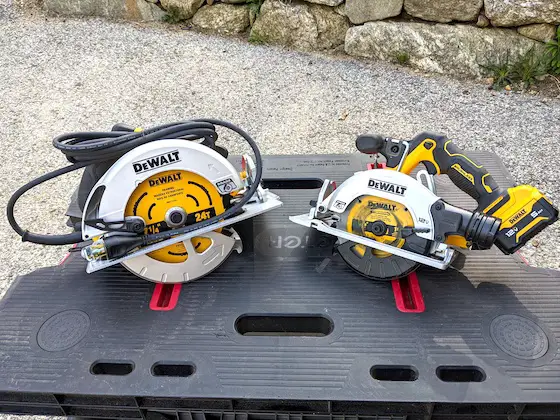
Most corded circular saws use a 7-1/4 inch blade, which can cut through thicker wood (up to about 2.5 inches deep at 90°). Many cordless saws use slightly smaller blades, such as 6-1/2 inches, which means a little less cutting depth—usually around 2.0 inches at 90°.
Some high-end cordless models now use 7-1/4 inch blades, but these saws are heavier and drain batteries faster.
| Saw Type | Common Blade Size | Max Cutting Depth (90°) |
|---|---|---|
| Corded | 7-1/4 inch | 2.5 inches |
| Cordless | 6-1/2 inch | 2.0 inches |
| Cordless (High-End) | 7-1/4 inch | 2.5 inches |
If you often cut thick lumber (like 2x material), a corded saw or a cordless model with a larger blade is better.
Weight And Handling
Corded saws are often a bit heavier because of their larger motors and metal parts. However, with no battery attached, they can feel balanced in your hand.
Cordless saws can be lighter, especially smaller models. But when you add a large battery, the weight increases, and the saw can feel back-heavy. This affects how easy it is to control, especially for overhead or vertical cuts.
Tip: Try holding both types in the store before you buy. The “feel” in your hand matters more than just the numbers on the box.
Price And Value
Corded circular saws are usually less expensive for the same level of cutting power. A good-quality model costs $60–$150. There are no batteries to buy or replace.
Cordless saws cost more, especially if you want high voltage and large batteries. You may need to buy extra batteries and a charger, which can add $50–$150 to the price. If you already own other cordless tools from the same brand, you can sometimes use the same batteries, which saves money.
Important: Over time, batteries wear out and need replacing. This is an extra cost for cordless saws, often overlooked by beginners.
Safety Considerations
Both saw types are powerful and need careful use. But there are a few differences:
- Corded saws can trip the circuit breaker if overloaded.
- The cord can create a tripping hazard or get cut accidentally, which is dangerous.
- Cordless saws remove the cord risk, making them safer to use on ladders or scaffolding.
- If a cordless battery dies suddenly during a tough cut, the saw can bind and kick back.
No matter which saw you use, always wear eye and ear protection, and read the safety instructions.
Maintenance And Durability
Corded saws are simple—just keep them clean, and check the cord for damage. They can last for many years with little maintenance.
Cordless saws need more care. Batteries must be charged and stored correctly. If you let a lithium-ion battery drain completely and leave it uncharged, it can die and not work again.
Pro tip: Store batteries in a cool, dry place and never leave them outside in the sun or snow.
Noise And Vibration
Both types are noisy, but corded saws tend to be louder because of their bigger motors. If you work in a quiet area or need to cut at odd hours, a cordless saw is sometimes a bit quieter—but you’ll still need hearing protection.
Vibration depends more on blade sharpness and the quality of the saw. A dull blade or low-quality model will vibrate more, making cuts less smooth.
Common Mistakes When Choosing
- Ignoring battery costs. New users often forget that batteries wear out.
- Choosing by voltage only. 20V isn’t always better than 18V if the amp-hours are low.
- Not checking blade size. A smaller blade can limit your cutting depth.
- Forgetting about runtime. If you cut all day, only cordless with extra batteries or corded will keep up.
- Skipping the “feel” test. How the saw feels in your hand is as important as the specs.
- Assuming all brands are equal. Some brands have better batteries, warranties, or repair options.
- Overlooking cord hazards. If you work in busy or messy areas, cords can be dangerous.
When To Choose Corded
- You need maximum power for cutting thick or tough materials.
- Your projects are long, and you don’t want to stop to recharge.
- You have a workshop with easy access to outlets.
- You want a lower-cost tool with less ongoing maintenance.
When To Choose Cordless
- You work outdoors or at sites with no power.
- You need to move around a lot (roofs, ladders, big yards).
- You already have other tools that use the same battery system.
- You do mostly small to medium jobs, not cutting all day.
Side-by-side Comparison
Here’s a quick look at the main differences:
| Feature | Corded Circular Saw | Cordless Circular Saw |
|---|---|---|
| Power | High, consistent | Good, but drops as battery drains |
| Portability | Limited by cord | Excellent, go anywhere |
| Runtime | Unlimited | 20–45 min per battery |
| Weight | Medium to heavy | Light to medium (with battery) |
| Cost | Lower | Higher (batteries/chargers extra) |
| Maintenance | Simple | More complex (batteries) |
Real-world Scenarios
- Homeowner: If you’re cutting boards for a weekend project, a cordless saw is perfect—quick, easy, and no need for a cord.
- Professional carpenter: For all-day framing work, a corded saw means you never run out of power. Or, if you choose cordless, buy multiple batteries and a fast charger.
- Remodeler: If you move between rooms or floors, cordless is safer and faster—no dragging cords, less risk of accidents.
What Experts Say
Tool reviewers and pro builders often say: “Cordless saws are great for 80% of jobs. But for heavy work or long days, you still can’t beat corded power.” Some brands now offer cordless saws that are nearly as strong as corded, but only for short bursts.
For in-depth test results, Pro Tool Reviews regularly compares real saws under tough conditions.

Future Trends
Battery technology is improving fast. In the next few years, expect cordless saws to get even more powerful and last longer. Some new models already use “brushless” motors for better efficiency and longer life.
But electricity in the wall isn’t going away soon. Corded saws will always have a place for heavy-duty work.
Third Table: Typical Costs
To give you a clear sense of price differences:
| Type | Entry-Level | Mid-Range | High-End |
|---|---|---|---|
| Corded | $60 | $100 | $150 |
| Cordless (w/ Battery & Charger) | $100 | $180 | $350+ |
Prices can change by brand and features, but this gives you a fair estimate.
Final Thoughts
Choosing between a corded vs cordless circular saw depends mostly on how and where you work. If you need raw power, long runtime, and value, corded is the safe choice. If you want portability, freedom from cords, and do lighter jobs, cordless is hard to beat—especially as batteries get better each year. The best answer might be to own both, if your budget allows.
Try to match your saw to your projects, not just the specs or price tag. And always use your saw safely, no matter which type you choose.
Frequently Asked Questions
Which Is Safer, A Corded Or Cordless Circular Saw?
Both can be safe if used correctly. Cordless saws remove the risk of tripping over a cord or accidentally cutting it. However, corded saws provide steady power, which can be more predictable. Always follow safety instructions and wear protective gear.
How Long Does A Cordless Circular Saw Battery Last?
Most batteries last 20–45 minutes of active cutting. The actual time depends on the battery size (amp-hours), the type of material, and how hard you push the saw. For big jobs, keep a spare battery charged.
Can Cordless Saws Cut As Well As Corded Ones?
For most home or light professional jobs, yes. Modern cordless saws can cut as smoothly and cleanly as corded models, especially if you use a sharp blade. For heavy or constant use, corded saws still have the edge.
Are Batteries For Cordless Saws Expensive?
Yes, replacement batteries can cost $40–$100 each, depending on the brand and size. Over time, this adds to the total cost of owning a cordless saw.
Where Can I Find More Technical Information About Circular Saws?
For detailed specs and reviews, visit sources like Wikipedia’s Circular Saw page, which covers history, types, and working methods.
With the right information, you’ll make a smart choice and get great results on your next project.
As an Amazon Associate, We earn from qualifying purchases