
Pliers Vs Wrench: Which Tool Should You Use?
When you open a toolbox, you will almost always find two common tools: pliers and wrenches. Both look similar at a quick glance and are used for gripping or turning things. But do they really do the same job? Not quite. Knowing the difference between a pliers and a wrench can save you time, prevent damage, and even keep you safe on the job. If you’re new to tools or just want to make smarter choices, this guide will help you understand when to reach for a pliers and when a wrench is the right tool.
Let’s break down how each tool works, where each one shines, and the common mistakes people make. By the end, you’ll have a clear picture of which tool is best for your needs.
What Are Pliers?
Pliers are handheld tools designed to grip, hold, bend, or cut materials. They have two handles, a pivot point, and jaws that come together as you squeeze the handles. The jaws can be flat, curved, or even have special shapes, depending on the type of pliers.
Pliers are very versatile. You can use them to pull out nails, twist wires, hold small objects, or even cut cables with the right type. Their strong grip comes from the lever action created by the pivot point between the handles and jaws.
Some common types of pliers include:
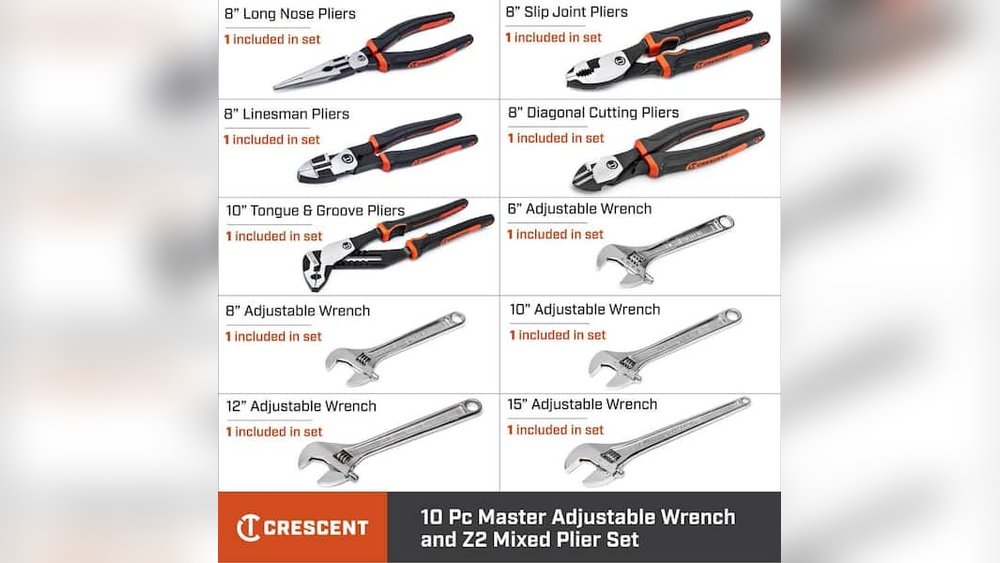
- Slip-joint pliers: Adjustable jaws for holding objects of different sizes.
- Needle-nose pliers: Long, narrow jaws for reaching into tight spaces.
- Linesman pliers: Used mainly by electricians for cutting and twisting wires.
- Locking pliers (Vise-Grips): Can lock onto objects with strong force.
What Is A Wrench?
A wrench (also called a spanner in some countries) is a tool used to turn objects—most commonly nuts and bolts. A wrench fits around the flat sides of a nut or bolt head, letting you apply torque to tighten or loosen it. Wrenches come in many shapes and sizes, but they all do one main job: turning fasteners.
Key types of wrenches include:
- Open-end wrenches: U-shaped openings for gripping two sides of a fastener.
- Box-end wrenches: Closed loops that fit over the entire head of a fastener.
- Adjustable wrenches (Crescent wrenches): Jaw width can change to fit different sizes.
- Socket wrenches: Use removable sockets for different-sized fasteners and often have a ratcheting handle.
- Allen wrenches (Hex keys): L-shaped tools for hexagonal socket screws.
Key Differences Between Pliers And Wrenches
It’s easy to confuse pliers and wrenches, especially since both can grip and turn objects. However, their design and purpose are quite different. This side-by-side comparison will make the distinction clear.
| Feature | Pliers | Wrench |
|---|---|---|
| Main Use | Gripping, bending, cutting | Tightening/loosening nuts and bolts |
| Jaws | Teeth/grip surfaces, often serrated | Smooth, flat sides to match fastener |
| Adjustment | Some types adjustable | Many types adjustable or come in sets |
| Damage Risk | Can damage fasteners | Less likely to cause damage |
| Leverage | Good for gripping, less for turning | Excellent for turning force |
| Cutting Ability | Can cut wires (some types) | Cannot cut |
When To Use Pliers
Pliers are best when you need to grip, twist, pull, or cut. Here are some everyday uses:
- Bending or twisting wires: Electricians use linesman pliers to twist wires together or bend them into shape.
- Holding small objects: Needle-nose pliers are perfect for grabbing tiny parts in electronics or jewelry.
- Pulling nails or staples: The strong jaws can grip and pull out fasteners from wood or walls.
- Crimping connectors: Crimping pliers help connect wires to terminals by squeezing them together.
- Cutting: Many pliers have a built-in cutting edge for wires, nails, or small bolts.
- Pinching or flattening: Use pliers to pinch metal pieces together or flatten sharp edges.
It’s important to remember that while pliers can turn nuts or bolts in an emergency, they are not ideal for this. The teeth can damage fastener heads, making future work difficult.
When To Use A Wrench
A wrench is the right tool when you need to turn nuts, bolts, or other fasteners. Some typical situations include:
- Tightening or loosening nuts and bolts: Wrenches fit snugly and apply even pressure, reducing the risk of rounding off corners.
- Automotive repairs: Mechanics use socket wrenches and box-end wrenches to reach bolts in tight spaces.
- Plumbing: Pipe wrenches are used to grip and turn pipes, but for nuts and fittings, combination or adjustable wrenches are best.
- Assembling furniture or machinery: Many products come with hex bolts or screws that need a wrench for assembly.
- Bicycle maintenance: Allen wrenches and open-end wrenches are common for adjusting seats, brakes, and wheels.
A wrench should always match the size and shape of the fastener. Using the wrong size can strip the corners, making it hard to remove later.
Strengths And Weaknesses
Understanding the strengths and weaknesses of each tool helps avoid common mistakes and damage.
Pliers
Strengths:
- Highly versatile for gripping, bending, pulling, and cutting.
- Useful in tight spaces where other tools don’t fit.
- Can handle irregular shapes, not just nuts and bolts.
Weaknesses:
- Not ideal for turning fasteners; may slip and damage them.
- Can crush or deform delicate materials.
- Less leverage for high-torque tasks.
Wrenches
Strengths:
- Designed for nuts and bolts—less risk of damage.
- Provide good leverage for tightening or loosening.
- Many types for specific fasteners (hex, square, etc. ).
Weaknesses:
- Limited to fasteners that match the wrench shape and size.
- Cannot grip or cut materials.
- Not useful for bending or pulling tasks.
Common Mistakes Beginners Make
- Using pliers instead of a wrench on nuts and bolts: This can round off the edges of the fastener, making it almost impossible to remove later.
- Using the wrong size wrench: A wrench that’s too big or too small can slip and damage the fastener.
- Over-tightening with pliers: Since pliers don’t provide even pressure, they can easily break or damage a part.
- Trying to cut hard wires with regular pliers: Not all pliers are meant for cutting—use only those with a cutting edge, and don’t cut hardened steel.
- Ignoring tool maintenance: Dirty or rusty tools can slip or break, leading to accidents.
Real-world Examples
Let’s look at a few situations to see how pliers and wrenches work in practice.
- Changing a bicycle tire: Removing the tire often means loosening nuts. A wrench is best because it fits snugly and applies even force. Using pliers may damage the nut, making it harder to tighten later.
- Fixing a lamp wire: Here, you need to twist wires together and maybe crimp a connector. Pliers are the right choice because they can grip, twist, and cut.
- Tightening a leaky pipe fitting: An adjustable wrench is best for fittings. If you use pliers, you might scratch the metal, causing leaks in the future.

Tool Maintenance And Safety
Keeping your tools in good shape is just as important as choosing the right one.
- Clean after use: Wipe off dirt and oil to prevent rust.
- Check for damage: Cracked handles or worn jaws can cause accidents.
- Lubricate moving parts: A drop of oil on the pivot point keeps pliers and adjustable wrenches moving smoothly.
- Store properly: Hang tools or keep them in a toolbox to avoid dropping and damaging them.
- Wear safety gear: Safety glasses and gloves protect you from flying debris or slips.
Cost Comparison
Many people wonder if they need to buy both tools or if one can do the job of the other. Let’s compare costs for entry-level and professional tools.
| Tool Type | Entry-Level Price | Professional Price |
|---|---|---|
| Pliers (basic) | $8 – $15 | $25 – $50 |
| Wrench (single) | $7 – $18 | $30 – $60 |
| Wrench Set (6-10 pcs) | $20 – $40 | $80 – $150 |
| Pliers Set (3-5 pcs) | $15 – $30 | $60 – $100 |
Insight: It’s usually best to have at least one good pair of pliers and a basic wrench set. This covers most home and DIY needs.
How To Choose The Right Tool
If you’re building your tool collection, these tips will help you pick wisely:
- Identify your main tasks: If you often work with wires or small parts, buy high-quality pliers. For home repairs or car work, invest in a wrench set.
- Consider adjustable tools: An adjustable wrench or slip-joint pliers can replace several fixed-size tools.
- Check for comfort: Rubber grips reduce hand fatigue, especially during long jobs.
- Choose quality over quantity: A few strong, reliable tools are better than a box full of cheap ones.
- Brand reputation matters: Established brands usually offer better durability and support. For more on tool types and history, see Wikipedia.
Advanced Tips Most People Miss
- Use pliers for holding, not turning: When you must hold a nut in place while turning a bolt, pliers can help, but only if you’re gentle. Don’t use force or you’ll damage the nut.
- Combine tools for tough jobs: Sometimes, you need both. For example, hold a pipe with locking pliers while you use a wrench to turn a fitting.
- Check the fit: When using a wrench, make sure it fits tightly. Even a small gap can round off the corners of a fastener.
- Protect finished surfaces: If you must use pliers on a visible part, wrap the jaws with tape to avoid scratches.
- Keep a multi-tool: For emergencies, a multi-tool with both plier and wrench functions can help, but they’re not a perfect replacement for dedicated tools.
Summary Table: Pliers Vs Wrench At A Glance
Here’s a quick-reference summary for when to use each tool.
| Task | Best Tool | Why |
|---|---|---|
| Tightening nuts/bolts | Wrench | Fits fasteners without damage |
| Twisting wires | Pliers | Grip and twist easily |
| Cutting wire/nails | Pliers | Cutting edge available |
| Loosening stuck bolts | Wrench | More leverage, less slip |
| Holding small objects | Pliers | Fine control, various jaw shapes |
Frequently Asked Questions
What’s The Main Difference Between Pliers And A Wrench?
Pliers are made for gripping, pulling, bending, or cutting materials. A wrench is designed to turn nuts and bolts without damaging them. The jaws of pliers are serrated for grip, while a wrench has smooth sides to fit fasteners exactly.
Can I Use Pliers Instead Of A Wrench?
You can, but it’s not recommended. Pliers may fit around a nut or bolt, but they often slip and damage the edges. This makes future repairs harder and can ruin the fastener.
Are Adjustable Wrenches As Good As Fixed Wrenches?
Adjustable wrenches are useful for many sizes, but fixed wrenches give a better fit and more strength. For high-torque jobs or stubborn bolts, use a fixed wrench.
Which Tool Should I Buy First: Pliers Or A Wrench?
If you’re just starting, buy a basic set of both. Pliers handle many gripping and cutting tasks, while a wrench is essential for most repairs involving nuts and bolts.
How Do I Maintain My Pliers And Wrenches?
Clean your tools after use, check for damage, and oil moving parts. Store them in a dry place to avoid rust. Well-maintained tools last longer and work better.
Choosing between pliers and a wrench isn’t just about what’s available—it’s about using the right tool for the right job. With this knowledge, you’ll work faster, safer, and more effectively every time you pick up a tool.
As an Amazon Associate, We earn from qualifying purchases