
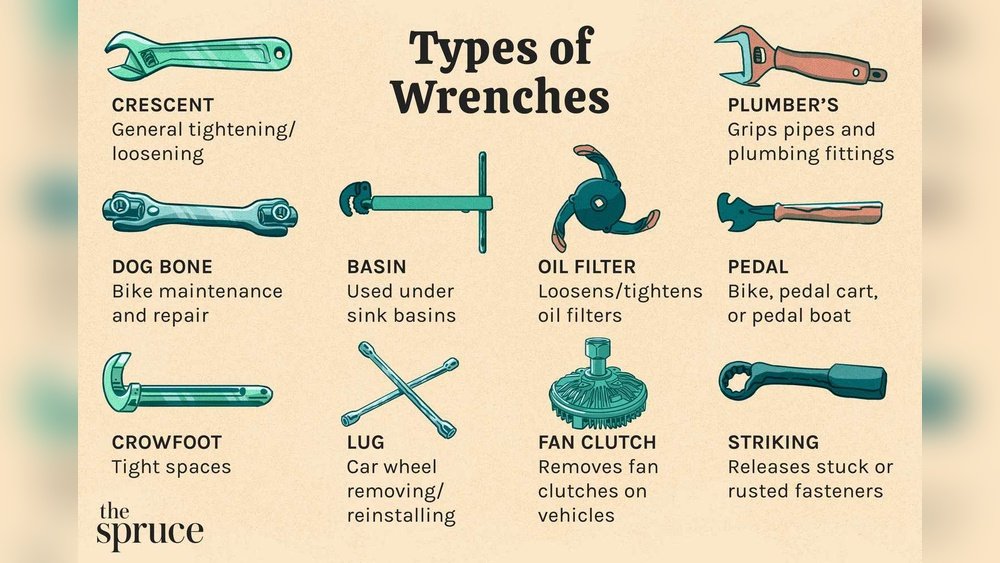
When you walk into any hardware store or open a toolbox, you’ll probably spot two of the most common and useful hand tools: the crescent wrench and the adjustable wrench. At first glance, these tools look almost identical. Many people, even some professionals, use the names interchangeably. But are they really the same? Which one should you reach for when tackling a new project? Understanding the subtle differences and the history behind these tools can help you make smarter choices and avoid frustration during repairs.
This article dives deep into the world of crescent wrenches and adjustable wrenches. We’ll explore their origins, how they work, their main differences, and when to use each one. If you’re a beginner, a DIY enthusiast, or even someone with years of experience, you’ll find insights that could improve your tool selection and technique.
Let’s break down everything you need to know.
What Is A Crescent Wrench?
The crescent wrench is a type of adjustable wrench. However, the name “Crescent” originally comes from the Crescent Tool Company, which popularized this tool in the early 1900s. Over time, the term stuck, and now many people use “crescent wrench” to mean any adjustable wrench—though that’s not technically correct.
A crescent wrench features:
- Adjustable jaws: One jaw is fixed; the other moves when you turn a worm gear.
- Smooth jaws: Unlike pliers, there are no teeth, which reduces the risk of damaging nuts and bolts.
- Angled head: Usually, the jaws are set at a 15-degree angle to the handle, making it easier to access tight spaces.
Common Uses For Crescent Wrenches
Crescent wrenches are popular in plumbing, automotive work, and household repairs. Their main strength is versatility—they can fit a wide range of nut and bolt sizes, which means you can carry fewer tools.
Sizes And Materials
Most crescent wrenches are made from chrome vanadium steel or similar strong alloys. Standard sizes range from 4 inches (small jobs) to 24 inches (heavy-duty tasks). A typical homeowner’s set might include 6-inch, 8-inch, and 12-inch models.
What Is An Adjustable Wrench?
An adjustable wrench is a hand tool with a movable jaw, allowing the user to fit different sizes of nuts and bolts. The crescent wrench is actually a specific brand of adjustable wrench, but not all adjustable wrenches are crescent wrenches.
There are several designs:
- Crescent-style: The classic, with a worm gear to move the jaw.
- Monkey wrench: Larger, heavier, and with parallel jaws.
- Pipe wrench: Has serrated jaws for gripping pipes, but still adjustable.
Adjustable wrenches are valued for their flexibility. Instead of carrying a full set of fixed wrenches, you can use one tool for many tasks.
Adjustable Wrench Features
- Scale markings: Some models include a measurement scale, making it easier to adjust to the correct size.
- Wide jaws: Some adjustable wrenches open wider than crescent wrenches.
- Straight or offset handles: Handle design can affect comfort and reach.
Common Uses For Adjustable Wrenches
They are ideal for general maintenance, bicycle repair, assembling furniture, and working with plumbing fixtures. Because the jaws are adjustable, you can use the tool on both metric and standard fasteners.

Key Differences Between Crescent Wrench And Adjustable Wrench
While the terms are often used as synonyms, there are real differences. The most important one is that all crescent wrenches are adjustable wrenches, but not all adjustable wrenches are crescent wrenches. Let’s dig deeper.
| Feature | Crescent Wrench | Adjustable Wrench (General) |
|---|---|---|
| Origin | Brand name, Crescent Tool Co. | Generic tool type |
| Jaw Shape | Angled (usually 15°) | Straight or various angles |
| Usage | General-purpose, household, automotive | Wider uses (monkey, pipe, spud wrenches) |
| Common Sizes | 4″–24″ | 4″–36″+ |
| Design | Slimmer, lighter | Can be heavier or specialized |
Insight: Many beginners don’t realize that using the wrong type of adjustable wrench (for example, using a pipe wrench on a nut) can damage the fastener. Crescent wrenches are designed for flat-sided nuts and bolts, not pipes.
How To Choose The Right Tool
Selecting the correct tool depends on your task, the space available, and the material you’re working on. Here’s what really matters:
- Jaw Size: If you’re working on large fasteners, make sure your wrench opens wide enough.
- Jaw Shape: Use crescent wrenches for nuts and bolts. For pipes, use a pipe wrench.
- Handle Length: A longer handle gives more leverage, but might not fit in tight spots.
- Build Quality: Cheaper tools often have loose jaws, which can slip and round off fasteners.
- Precision: For delicate work, choose a wrench with little jaw “play” or wobble.
When To Use A Crescent Wrench
- Tightening or loosening nuts and bolts on bikes, furniture, or cars.
- Projects where you need to avoid damaging chrome or painted fasteners.
- Quick fixes when you don’t know the exact size of the fastener.
When To Use Other Adjustable Wrenches
- Monkey wrenches: For heavy-duty jobs, large nuts, or vintage plumbing.
- Pipe wrenches: For gripping and turning pipes.
- Spud wrenches: For aligning holes in construction or steelwork.
Non-obvious tip: Always pull a crescent wrench toward you, not push away. This reduces the risk of slipping and injury.
Pros And Cons
Understanding the strengths and weaknesses of each tool can help you avoid common mistakes.
Crescent Wrench
Pros:
- Lightweight and easy to carry.
- Gentle on nuts and bolts (no teeth).
- Quick size adjustment.
Cons:
- Not suitable for rounded or damaged nuts.
- Can “spread” if used on very tight fasteners, causing slippage.
- Not ideal for pipes or rounded surfaces.
Adjustable Wrench (general)
Pros:
- Extremely versatile—one tool covers many sizes.
- Available in heavy-duty models for tough jobs.
- Can have features like built-in measurement scales.
Cons:
- Some models are heavy and bulky.
- Can be less precise if poorly made.
- Not always suitable for delicate finishes.
Real-world Examples
Let’s see how these tools perform in everyday situations.
Plumbing Repair
If you’re fixing a leaking sink, a crescent wrench is perfect for tightening the nut under the faucet. But if you need to twist an old, rusty pipe, a pipe wrench (another adjustable type) is better because its teeth grip the pipe securely.
Bicycle Maintenance
Most bikes use hex nuts and bolts. A crescent wrench is handy for quick adjustments. But for high-torque parts, like pedals, a fixed-size wrench is sometimes safer because it reduces the risk of rounding the nut.
Emergency Car Repairs
If you break down on the road, a small crescent wrench can help with battery terminals, hose clamps, or loose bolts. But it won’t work well on suspension parts or anything requiring high torque.
How To Use Adjustable And Crescent Wrenches Correctly
Even experienced users make simple mistakes. Here’s how to get the most out of your tool:
- Set the jaw size so the wrench fits snugly on the fastener. Too loose, and you’ll round the corners.
- Position the fixed jaw against the side that takes most of the force. The moving jaw is weaker.
- Pull, don’t push. Pulling reduces the risk of slipping.
- Check for play in the jaws. If there’s wobble, replace the tool.
- Keep it clean. Dirt or metal shavings can jam the adjustment mechanism.
Advanced tip: If you use a crescent wrench on a painted or polished nut, wrap the jaws with a thin cloth or tape to prevent scratches.
Common Mistakes To Avoid
- Using the wrong type: Don’t use a crescent wrench on pipes or rounded fasteners.
- Over-tightening: Adjustable jaws can flex under too much force, causing damage.
- Neglecting maintenance: Wipe off oil and grime; lubricate the worm gear if it feels stiff.
- Ignoring quality: Cheap wrenches often have poor alignment, leading to slippage and injury.
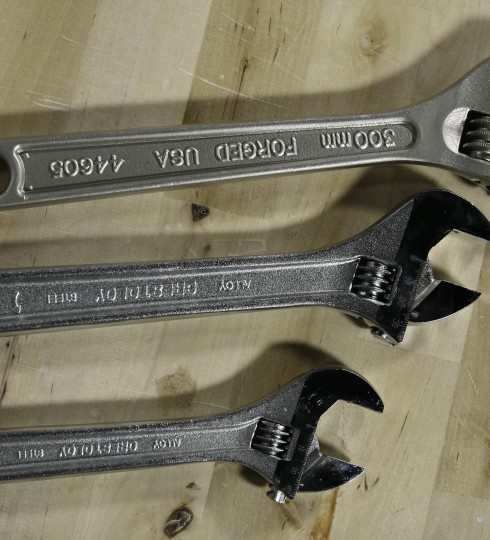
Caring For Your Wrenches
A well-maintained tool lasts for decades. Here’s how to keep your crescent and adjustable wrenches in top condition:
- Clean after use: Wipe away dirt, grease, and metal shavings.
- Store dry: Moisture causes rust. A toolbox with a silica gel packet helps.
- Lubricate moving parts: A drop of machine oil keeps the worm gear smooth.
- Inspect regularly: Check for cracks, bent handles, or worn jaws.
Insight: Many beginners forget to check the jaws for wear. Even a small amount of “play” can make the tool unsafe.
Price Comparison And Value
Crescent and adjustable wrenches are available at different price points. Generally, a good-quality 8-inch crescent wrench costs between $10 and $30. Heavy-duty adjustable wrenches or specialty types can reach $50 or more.
Here’s a quick cost comparison:
| Type | Average Price Range | Best For |
|---|---|---|
| 6″ Crescent Wrench | $8–$15 | Home, light repairs |
| 12″ Adjustable Wrench | $15–$30 | Automotive, general use |
| 18″ Pipe Wrench | $20–$50 | Plumbing, pipes |
For most homeowners, a set of 6″, 8″, and 12″ crescent wrenches covers almost any job.
Specialty Adjustable Wrenches
Not all adjustable wrenches are created equal. Here are a few specialized types:
- Wide-jaw adjustable: Opens extra wide for large nuts.
- Offset handle: Reaches awkward places.
- Ergonomic grip: Reduces hand fatigue for long jobs.
- Ratchet adjustable wrench: Speeds up repetitive tasks (rare, but useful).
Non-obvious insight: Some wide-jaw adjustable wrenches can replace two or three standard ones, saving space in your toolbox.
Industry Standards And Safety
Professional tools often meet specific standards (like ANSI or ISO). These standards ensure strength, durability, and performance.
- ANSI B107.100: Covers adjustable wrenches, including crescent types.
- ISO 6787: International standard for adjustable wrenches.
Buying certified tools reduces the risk of failure and protects your safety. Cheap, uncertified wrenches may snap under pressure.
For further reading on hand tool standards, see Wikipedia – Wrench.

Frequently Asked Questions
What Is The Main Difference Between A Crescent Wrench And An Adjustable Wrench?
A crescent wrench is a brand of adjustable wrench with a specific jaw design and angle. All crescent wrenches are adjustable wrenches, but not every adjustable wrench is a crescent wrench. The term “crescent wrench” is often used generically, but technically refers to a style made famous by the Crescent Tool Company.
Can I Use A Crescent Wrench As A Substitute For Other Adjustable Wrenches?
You can use a crescent wrench for many tasks, but it is not suitable for gripping pipes or rounded surfaces. For pipes, a pipe wrench is better because of its serrated jaws. Using the wrong tool can damage both the tool and the fastener.
Why Does My Adjustable Wrench Slip Or Round Off Nuts?
Slipping happens when the jaws are not set tight enough, when the wrench is worn out, or when you use too much force. Always fit the wrench snugly to the fastener and pull (not push) to reduce slippage. Replace any wrench with worn or “loose” jaws.
Are Expensive Wrenches Really Better Than Cheap Ones?
Yes, higher-priced wrenches from reputable brands tend to have better materials, tighter tolerances, and smoother adjustment mechanisms. Cheap tools often have play in the jaws, which makes them less safe and less effective. Investing in a quality tool saves money and frustration in the long run.
How Do I Maintain And Clean My Adjustable Or Crescent Wrench?
After each use, wipe your wrench clean and check for debris around the adjustment gear. Lubricate with a drop of machine oil every few months. Store in a dry place to avoid rust, and inspect regularly for signs of wear or damage.
Whether you’re fixing a leaky faucet or assembling a bike, knowing the right wrench for the job can make all the difference. The crescent wrench and the adjustable wrench are both essential tools, but understanding their differences—and caring for them properly—will give you better results and a longer-lasting toolkit.
As an Amazon Associate, We earn from qualifying purchases