
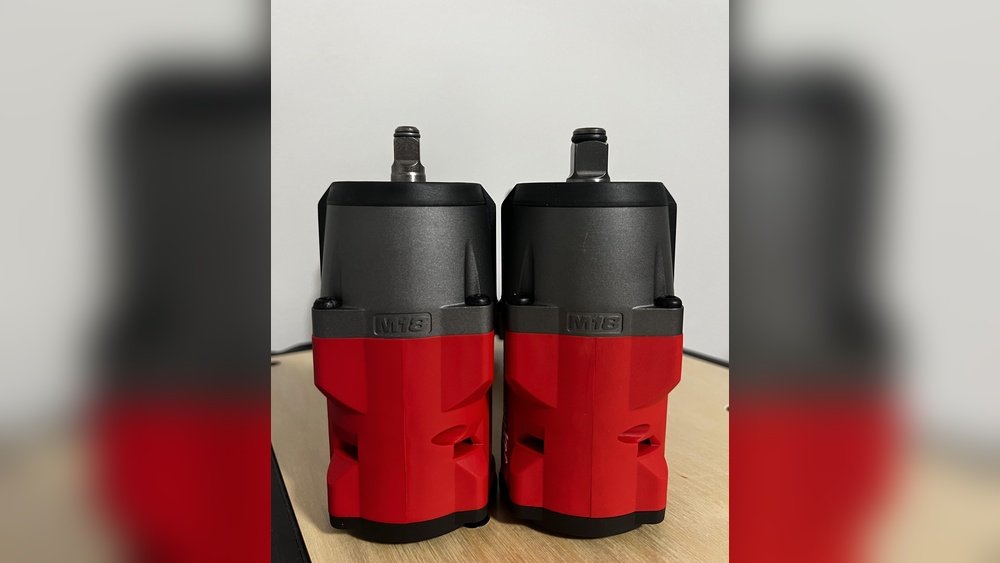
If you’ve ever shopped for power tools, you’ve probably noticed two popular sizes for impact wrenches: 3/8-inch and 1/2-inch. To someone new, the difference might seem small. But when you’re working on cars, heavy machinery, or home projects, choosing the right size can save time, money, and even prevent damage. The wrong tool can make a simple job much harder—or even impossible.
Prime Day Pick
Limited-time Prime Day price. Check current discount on Amazon.
This article gives you a clear, practical comparison of 3/8 vs 1/2 impact wrench. Whether you’re a DIY beginner or a professional, you’ll learn what matters most, where each size shines, and how to avoid common buying mistakes. Along the way, you’ll find real examples, data, and tips you won’t find in most tool guides.
What Is An Impact Wrench?
An impact wrench is a power tool that delivers high torque output with minimal effort. It uses a hammering mechanism to loosen or tighten nuts, bolts, and fasteners much faster than manual tools. Mechanics, construction workers, and homeowners use impact wrenches for jobs ranging from tire changes to assembling furniture.
Prime Day Pick
Limited-time Prime Day price. Check current discount on Amazon.
The size—3/8-inch or 1/2-inch—refers to the drive anvil. This is the square-shaped part where you attach sockets. The drive size affects how much torque the tool delivers, what sockets it fits, and what jobs it can handle.
Prime Day Pick
Limited-time Prime Day price. Check current discount on Amazon.
3/8 Impact Wrench: When And Why To Use It
A 3/8-inch impact wrench is smaller, lighter, and easier to handle than bigger models. Most 3/8 wrenches are designed for lighter tasks and areas with tight spaces. Here’s why they’re a smart choice for many users:
- Better for Tight Spaces: The compact size fits where larger tools can’t reach. Think inside engine bays or under dashboards.
- Lightweight: Easier to hold for long periods, reducing hand fatigue.
- Good for Light to Medium Jobs: Great for removing valve covers, dashboard bolts, and small engine parts.
- More Control: The lower torque makes it harder to overtighten or snap smaller bolts.
For example, if you’re fixing a motorcycle or working on electronics inside a car, a 3/8 wrench gives you precision without too much force. Mechanics often keep one handy for jobs that need a gentle touch.
1/2 Impact Wrench: Power And Versatility
A 1/2-inch impact wrench is the go-to tool for most mechanics and serious DIYers. It’s built for heavy-duty work and delivers much higher torque than the smaller version.
- Handles Larger Fasteners: Loosens lug nuts, suspension bolts, and rusted hardware easily.
- More Power: Most models deliver 300-1,000 ft-lbs of torque. That’s enough for most automotive and construction jobs.
- Fits Common Sockets: Many car and truck bolts use sockets that fit 1/2-inch drives.
- Versatile: Can handle a wider range of tasks, from changing tires to building decks.
If you work on cars, trucks, or farm equipment, a 1/2-inch wrench is almost essential. For example, removing a rusted wheel nut often needs 400+ ft-lbs of torque—a level most 3/8 models can’t reach.
3/8 Vs 1/2 Impact Wrench: 8 Key Comparison Points
Choosing between a 3/8 and a 1/2 impact wrench isn’t just about size. There are eight critical factors to consider. Let’s break down each one, with practical examples and data you can use.
1. Torque Output
Torque is the force that makes something rotate. It’s the most important number when comparing impact wrenches.
| Drive Size | Typical Torque Range | Common Uses |
|---|---|---|
| 3/8-inch | 100-250 ft-lbs | Light auto work, electronics, appliances |
| 1/2-inch | 300-1,000 ft-lbs | Car wheels, suspension, construction |
A 1/2-inch wrench delivers more torque, which means more power for stubborn or large bolts. If you need to remove lug nuts, a 1/2 model is usually necessary. However, too much torque can strip or break smaller fasteners—a common mistake with beginners.
2. Tool Size And Weight
Size and weight matter, especially if you’re working overhead or in tight spaces. Here’s a quick comparison:
| Drive Size | Average Length | Average Weight |
|---|---|---|
| 3/8-inch | 5-6 inches | 2-3 lbs |
| 1/2-inch | 7-9 inches | 4-7 lbs |
A 3/8-inch model is easier to maneuver and less tiring for long jobs. For example, if you’re under a dashboard or inside an engine bay, the smaller tool is a huge help. But for heavy jobs, the extra weight of a 1/2 wrench is worth it for the power boost.
3. Socket Compatibility
The drive size determines what sockets you can use. Most home tool kits have more 1/2-inch sockets for car work, while 3/8 sets are for lighter tasks.
- 3/8-inch: Fits smaller sockets (6mm–19mm or 1/4″–3/4″)
- 1/2-inch: Fits larger sockets (10mm–24mm or 3/8″–1″)
Adapters exist, but using the wrong drive can damage sockets or bolts. It’s best to match the wrench size to the socket and fastener for safest results.
4. Precision And Control
A common mistake is using too much power on small bolts. The 3/8-inch wrench gives you better control for delicate work. Its lower torque makes it less likely to overtighten or snap bolts in electronics, dashboards, or small appliances.
By contrast, a 1/2-inch wrench can be overkill on small parts. If you plan to work on both types, owning both sizes is a smart move.
5. Price And Value
Prices vary based on brand, battery (if cordless), and features, but here’s a general idea:
- 3/8-inch impact wrench: $80–$200
- 1/2-inch impact wrench: $120–$350
The 1/2-inch models are more expensive, but they handle a wider range of jobs. For someone working mostly on cars, the extra cost often pays for itself in saved time and headaches.
Non-obvious insight: Don’t just compare the wrench price. Factor in the cost of sockets, batteries, and accessories. Sometimes the total package for a 1/2-inch setup is a better long-term value.
6. Common Applications
Where will you use your impact wrench most? Here’s how each size performs:
- 3/8-inch: Best for interior car work, small engines, electronics, home appliances, and tight spaces.
- 1/2-inch: Ideal for tire changes, frame bolts, suspension, heavy machinery, and construction.
For example, if you’re a mechanic who does everything from dashboard work to tire changes, both sizes are useful. But for homeowners or hobbyists, choosing based on your most common tasks is the smartest move.
7. Durability And Maintenance
Both sizes are tough, but larger 1/2-inch impact wrenches are usually built for frequent, heavy use. They often have stronger gears and housings. That’s why you’ll see them in auto shops and construction sites.
A 3/8-inch wrench is perfect for regular, lighter jobs but may wear out faster with heavy use. If you plan to use your tool daily for big projects, invest in a heavy-duty 1/2-inch model.
Tip: Keep both types clean, lubricate moving parts, and check for loose fittings. Even the best tool can wear out quickly if not cared for.
8. Power Source Options
Both sizes come in air (pneumatic), corded electric, and cordless (battery) versions. But there are some differences in what’s popular:
- 3/8-inch: More common in cordless and compact air versions.
- 1/2-inch: Widely available in all formats, but especially powerful in air and high-voltage cordless models.
Battery technology has improved a lot. A modern cordless 1/2-inch impact wrench can deliver over 800 ft-lbs of torque—enough for almost any car job.
Pro insight: Air-powered models are lighter and run forever (if you have a compressor), but cordless tools are more convenient for most users.

Real-world Scenarios: Which Should You Choose?
Let’s look at a few common situations to see which impact wrench size works best.
- Changing Car Tires: A 1/2-inch wrench is the clear winner. Most lug nuts require 80–100 ft-lbs to tighten, but often need 300–500 ft-lbs to loosen if they’re rusted or over-tightened.
- Motorcycle Repairs: A 3/8-inch wrench offers more control and fits into tight spaces, making it ideal for most tasks.
- Home Appliance Repairs: The smaller size of a 3/8-inch wrench prevents overtightening and damage.
- Truck or Heavy Equipment Work: You need the power of a 1/2-inch impact wrench.
Common Mistakes When Choosing An Impact Wrench
Many buyers focus only on torque. But here are two mistakes beginners often make:
- Ignoring Weight and Size: Picking a bigger tool just for power can lead to fatigue and frustration. If you can’t fit the wrench where you need it, the extra torque doesn’t matter.
- Using the Wrong Sockets: Adapters let you use different socket sizes, but using a 1/2-inch wrench with small 3/8-inch sockets can break the socket or strip bolts.
Always match the tool to your most common tasks and buy quality sockets rated for impact use.
How To Decide: A Step-by-step Guide
If you’re still unsure which to buy, follow these steps:
- List Your Most Common Tasks: Are you changing tires, fixing appliances, or working on motorcycles?
- Check Required Torque: Look up the torque specs for your jobs. Most car wheels need 100+ ft-lbs; electronics usually need less than 50 ft-lbs.
- Consider Workspace: Tight engine bays? Go smaller. Open undercarriage? Go bigger.
- Set a Budget: Include cost for sockets and batteries.
- Think About Future Needs: Will you take on bigger projects later? A 1/2-inch wrench is more future-proof.
Maintenance Tips For Long Tool Life
To get the most from your impact wrench:
- Clean after each use.
- Lubricate moving parts as the manual suggests.
- Check for loose sockets and worn parts regularly.
- Store in a dry place to prevent rust.
These steps are simple, but many users skip them—leading to shorter tool life and costly repairs.

Useful Resources
For more on torque specs and best practices, see this Wikipedia page on impact wrenches.
Frequently Asked Questions
What Is The Main Difference Between A 3/8 And 1/2 Impact Wrench?
The main difference is torque output and size. A 1/2-inch impact wrench delivers more power for big bolts and automotive work, while a 3/8-inch model is lighter and better for small, precise tasks.
Can I Use 1/2-inch Sockets On A 3/8-inch Impact Wrench?
No, unless you use an adapter. However, using adapters is not recommended for high-torque jobs, as it can damage sockets or fasteners. Always match socket size to drive size for best results.
Is A 3/8 Impact Wrench Enough For Car Tires?
Usually not. Most car tire lug nuts require more torque than a 3/8-inch wrench can provide. A 1/2-inch impact wrench is the standard choice for tire work.
Are Cordless Impact Wrenches As Powerful As Air Tools?
Modern cordless impact wrenches can match or exceed the power of many air tools, especially in the 1/2-inch size. However, air tools run longer and are lighter if you have a good compressor.
Should A Beginner Buy Both Sizes?
If your budget allows, owning both a 3/8 and 1/2-inch impact wrench gives you flexibility for any job. If you need just one, choose based on your most common tasks and torque needs.
Making the right choice between a 3/8 vs 1/2 impact wrench means better results, safer work, and longer tool life. Think about your needs, read the specs, and choose with confidence. The right tool makes every job faster and easier.

As an Amazon Associate, We earn from qualifying purchases