
A few years ago, I was intimidated by the idea of using a wood lathe. The machine looked noisy and powerful. I thought only experts could shape beautiful bowls, pens, or chair legs. But after taking my first class and spending time in my garage, I realized that anyone can learn to use a wood lathe safely. You just need patience, practice, and good safety habits.
Today, I want to share my honest experience and guide you step by step. If you’re interested in woodturning, this article will help you start with confidence. I’ll cover everything from setting up your lathe to finishing your first project, including details most beginners miss.
What Is A Wood Lathe?
A wood lathe is a machine that spins a piece of wood. You shape the wood by pressing sharp tools against it. Imagine making a baseball bat, a table leg, or a wooden bowl. All these are possible with a lathe.
A typical lathe has a motor, a bed, a headstock, a tailstock, and a tool rest. The spinning wood is held between the headstock and tailstock. You hold your cutting tool on the tool rest and gently move it toward the spinning wood.
When I first saw a lathe in action, I was amazed at how quickly a rough block of wood could become smooth and round.
Safety First: Must-know Tips
I learned early on that lathes are safe if you respect them. But a spinning piece of wood can be dangerous if you’re careless. Here’s what I always do before turning on my lathe:
- Wear safety goggles to protect your eyes from flying chips.
- Tie back long hair and avoid loose clothes.
- Remove jewelry and watches.
- Check your wood for cracks or knots that could break at high speed.
- Keep the area clean—sawdust can hide tools you might step on.
One mistake I made at first was forgetting to check the tightness of the wood between the headstock and tailstock. Once, my block came loose. It was scary, but nobody got hurt. Now, I always double-check before starting.
Choosing Your Wood Lathe
When I bought my first lathe, I was overwhelmed by choices. Here’s what I learned matters most:
- Size: Small lathes are good for pens and small bowls. Large lathes handle big table legs or large bowls.
- Variable speed control: Slower speeds for large pieces, higher for small ones.
- Sturdy base: Heavy lathes vibrate less and are safer.
Here’s a quick comparison I wish I had when I started:
| Feature | Mini Lathe | Full-Size Lathe |
|---|---|---|
| Max Wood Length | 10–18 inches | Over 36 inches |
| Best For | Pens, small bowls | Table legs, large bowls |
| Weight | 25–50 lbs | 200+ lbs |
| Price Range | $200–$500 | $800–$4000 |
I started with a small lathe. It was cheap, fit in my garage, and was perfect for learning.
Essential Tools And Materials
At the beginning, I thought I needed every tool in the store. That’s not true. Here’s what you really need:
- Roughing gouge: For making a square block round.
- Spindle gouge: For shaping details.
- Parting tool: For cutting off finished pieces.
- Face shield or goggles: Safety first.
- Sharpening system: Dull tools are dangerous and frustrating.
- Sandpaper: For smoothing your work.
You’ll also need wood blanks. For practice, I suggest starting with softwoods like pine or poplar. They’re cheap and easy to cut. Avoid woods with cracks or knots.
Setting Up Your Lathe
This part felt overwhelming to me at first. But setting up a wood lathe is not complicated if you follow these steps:
- Place your lathe on a solid bench or stand. It should not wobble.
- Check the alignment between the headstock and tailstock. They should line up perfectly.
- Install the tool rest about 1/8 inch from the wood. It should be just below the center line.
- Mount your wood blank between the centers. Tighten both ends well.
- Spin the wood by hand first to check for clearance.
One thing I learned the hard way: don’t set the tool rest too close. The wood can hit it and break, or worse, send your tool flying.
Understanding Lathe Speeds
Speed matters. If you spin wood too fast, it can break apart. Too slow, and your tools won’t cut cleanly. Here’s a simple chart I made for myself:
| Wood Diameter | Recommended Speed (RPM) |
|---|---|
| 2 inches | 1200–1800 |
| 4 inches | 800–1200 |
| 8 inches | 500–800 |
Always start slow. If the wood is balanced and stable, you can increase the speed a little. For big pieces, keep the speed low.
Turning Your First Project: Step By Step
Let’s talk about actually shaping wood. I’ll use a simple spindle—like a chair leg—as an example. Here’s what I do:
1. Prepare The Wood Blank
I cut a piece of wood, usually 2×2 inches and about 12 inches long. I mark the centers on both ends with a pencil, then use an awl to make a small hole. This helps the lathe centers grip the wood.
2. Mount The Wood
I place the wood between the headstock (drives the wood) and tailstock (supports the other end). I make sure it’s tight and spins freely by hand.
3. Set The Tool Rest
The tool rest should be close to the wood but not touching. I lock it in place, then double-check the clearance.
4. Turn On The Lathe
I start at a low speed. I stand to the side for safety, not directly in front. If nothing wobbles, I’m ready to start cutting.
5. Rough The Shape
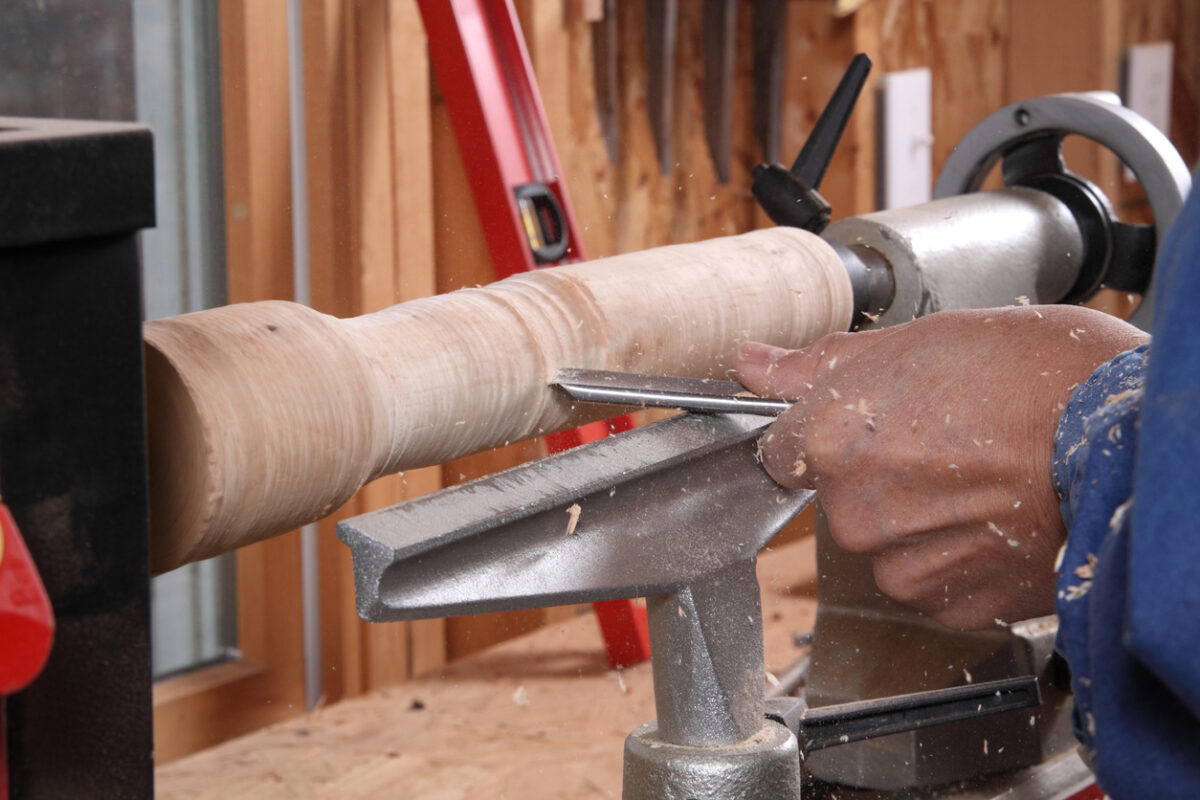
I use a roughing gouge to turn the square wood into a smooth cylinder. I move the tool slowly from left to right. Chips fly off, but I keep my hands steady and my grip light.
6. Shape The Details
I switch to a spindle gouge for curves and details. For grooves, I use the parting tool. Each tool has a different feel. It took me a while to learn how to control them. The trick is to let the tool do the work—don’t force it.
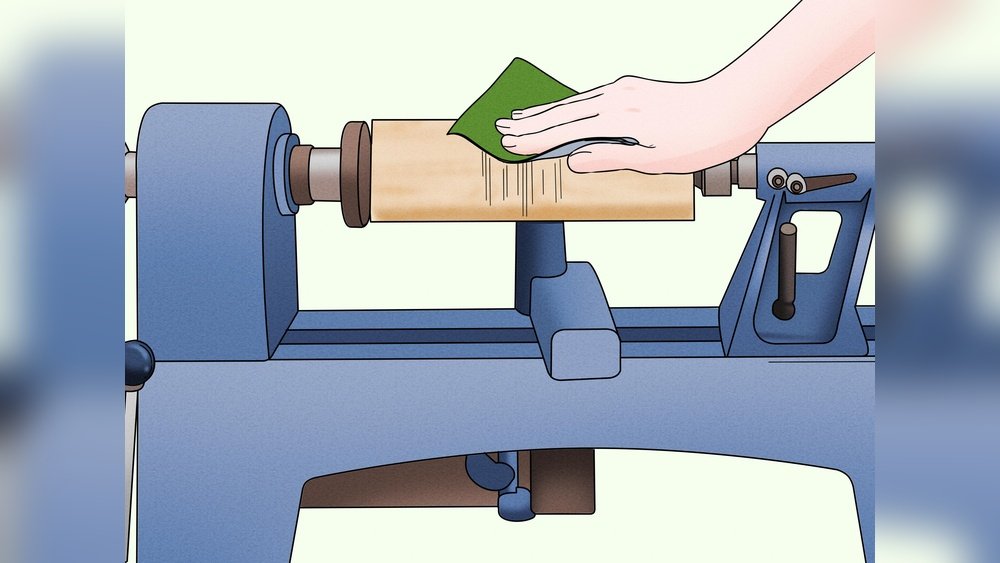
7. Sand The Surface
With the lathe running at a low speed, I use sandpaper to smooth the wood. I start with coarse grit and move to finer grits. I always keep my fingers clear of the spinning wood.
8. Finish And Remove
After sanding, I sometimes add oil or wax for a nice finish. Then I use the parting tool to cut the finished piece free.
If you want a visual guide, I found the diagrams and videos on Wikipedia extremely helpful.
Common Beginner Mistakes And How To Avoid Them
I made plenty of mistakes when I started out. Here are a few, and what I learned:
- Forcing the tool: I pressed too hard and caused catches. Use a light touch.
- Skipping the speed check: Running a large piece too fast can be dangerous.
- Using dull tools: This makes turning harder and can burn the wood.
- Not checking for cracks: A cracked blank can fly apart at high speed.
- Standing in the path: Always stand to the side when starting the lathe.
A trick I wish I’d known: Use a pencil to mark the high spots as you shape. This helps you see where you need to cut more.
Different Woodturning Projects
Once I got comfortable, I started to try new projects. Here are a few ideas, from easiest to hardest:
- Pens: Small, quick, and great for gifts.
- Bowls: A bit harder, but rewarding. You need a faceplate or chuck.
- Candle holders: Good for practicing shapes.
- Tool handles: Useful and simple.
- Table legs: Larger projects that teach you about symmetry.
Each project teaches something new. For bowls, I learned about grain direction. For pens, I learned patience and fine detail.
Caring For Your Lathe And Tools
I didn’t realize how much maintenance mattered until my tools stopped cutting cleanly. Keeping your equipment in good shape makes everything safer and easier.
- Clean the lathe after each use. Dust can clog moving parts.
- Sharpen tools before each project. A dull tool is a dangerous tool.
- Lubricate moving parts as needed.
- Check for loose bolts and parts before turning on the machine.
I set a reminder on my phone to check everything once a month. It only takes five minutes and saves a lot of trouble.

Safety Gear And Workshop Setup
My first “shop” was a corner of my garage. It was small, but I made it safe:
- Good lighting: I installed a bright LED lamp above the lathe.
- Fire extinguisher: Just in case.
- First aid kit: Accidents can happen.
- Ventilation: Sanding makes dust. Open a window or use a fan.
I also used a rubber mat to stand on. This made long sessions more comfortable.
Upgrading Your Skills
Once you’re comfortable, there’s always more to learn. I joined a local woodturning club. Watching others helped my technique a lot.
Here are some ways to get better:
- Take a class: In-person or online.
- Read books or watch videos: There are many free resources.
- Enter competitions: Friendly contests push you to improve.
- Experiment with designs: Try new shapes and finishing methods.
Don’t be afraid to make mistakes. Every turner I know has a box of “practice pieces” that didn’t turn out perfect.
Cost And Time: What To Expect
Woodturning can be as cheap or expensive as you want. Here’s a quick breakdown based on my experience:
| Item | Beginner Cost | Upgrade Cost |
|---|---|---|
| Mini Lathe | $300 | $1,000+ |
| Starter Tool Set | $100 | $400+ |
| Sharpening System | $60 | $200+ |
| Wood Blanks | $5–$20 each | $50+ for rare woods |
| Safety Gear | $40 | $150+ |
Time-wise, my first simple spindle took about 2 hours, from setup to finish. Now, I can make a pen in 30 minutes.
Two Insights Most Beginners Miss
- The sound tells you a lot. A steady, even sound means you’re cutting cleanly. If you hear chatter or thuds, something is wrong. Listen carefully.
- Practice with scrap wood. Don’t waste expensive blanks when you’re learning. I made my first ten projects from old fence posts and discarded lumber.

Why I Love Woodturning
Turning wood is relaxing. The smell of fresh shavings, the smooth feel of the finished piece—I never get tired of it. It’s a skill anyone can learn, and the results are always satisfying.
If you’re thinking about trying woodturning, go for it. Start with a simple project, be safe, and have fun. You’ll be amazed at what you can make with your own hands.
Frequently Asked Questions
How Dangerous Is A Wood Lathe?
A wood lathe is safe if you follow basic safety rules—wear eye protection, check your wood for cracks, and stand to the side when starting. Most injuries happen when people rush or skip steps.
What Is The Best Wood For Beginners?
Pine and poplar are great for practice. They are soft, cheap, and easy to cut. Avoid woods with lots of knots or cracks.
How Often Do I Need To Sharpen My Tools?
I sharpen my tools before each project. If you notice the tool isn’t cutting well, stop and sharpen. Sharp tools are much safer.
Can Kids Use A Wood Lathe?
With close adult supervision, older kids (12+) can use a lathe. Always use proper safety gear and start with small, simple projects.
Where Can I Learn More About Woodturning?
Local woodworking clubs, YouTube, and websites like Wikipedia offer lots of guides and videos. Classes at community centers are also a great way to learn.
If you have a piece of wood and a little curiosity, you’re ready to start. Good luck, and happy turning!
As an Amazon Associate, We earn from qualifying purchases