
Can a Metal Lathe Be Used for Wood? My Firsthand Experience
I remember the first time I stood in front of my old metal lathe, holding a block of maple wood. I was curious and a bit nervous. Would it work? Would I ruin my tools—or maybe get hurt? Over the years, I’ve learned a lot about using a metal lathe for woodturning, and I want to share everything I know. If you’ve ever wondered if you can use a metal lathe for wood, you’re in the right place. I’ll cover the basics, what works, what doesn’t, and all the things I wish someone had told me at the start.
What Is A Metal Lathe?
A metal lathe is a big, heavy machine made for shaping metal. It holds the workpiece and spins it. Then, you use sharp tools to cut, shave, or shape the material. Most metal lathes are strong, stable, and very precise.
But here’s something many people miss: Metal lathes are not designed for wood. The tools, speeds, and setups are different from a wood lathe. That said, it’s not impossible to turn wood on a metal lathe. You just need to know what you’re doing and make a few changes.
Why I Tried Using A Metal Lathe For Wood
I started with metal projects—making bushings, shafts, and parts for my car. But one day, a friend asked if I could turn a wooden handle for his garden tool. I didn’t own a wood lathe. So, I thought, “Why not try my metal lathe?
” I learned a lot through trial and error. Here’s what I found.
Metal Lathe Vs. Wood Lathe: Key Differences
Before using a metal lathe for wood, it helps to know how these machines differ. I’ll break down the main points.
| Feature | Metal Lathe | Wood Lathe |
|---|---|---|
| Purpose | Metal shaping | Wood shaping |
| Speed Range | Low to medium | Medium to high |
| Tool Rest | Fixed tool post | Movable tool rest |
| Chips/Dust Handling | Chip trays, coolant | Dust collection or open |
| Cutting Tools | Carbide/HSS bits | Hand-held chisels |
The first thing I noticed is that metal lathes spin slower than wood lathes. Also, the tool post is fixed. On wood lathes, you hold chisels by hand, which lets you move and adjust as you work. This is a big change in how you approach a project.
Setting Up A Metal Lathe For Woodturning
When I started, I made a few mistakes. But with each project, I learned more. Here’s what you need to do if you want to use a metal lathe for wood safely and successfully.
1. Clean The Machine
Wood dust gets everywhere. It’s lighter and finer than metal shavings. I always clean my metal lathe before and after turning wood. Dust can get into the gears and ways, causing wear or even jamming things up.
2. Protect The Bed And Ways
I use a shop vacuum and brushes to keep dust off the lathe bed. Sometimes, I cover the ways with plastic or thin wood strips. This keeps sticky wood resins from getting into the oil and causing problems.
3. Adjust The Speed
Wood likes to be cut at higher speeds. Most metal lathes have speed control. I set mine as high as it will go—usually around 1200 RPM for small parts, maybe 1800 RPM for larger ones. But you still need to be careful.
Too fast, and the wood can crack or the machine can vibrate.
4. Use The Right Tools
This is where I made my first big mistake. I tried using metal-cutting tools on wood. It worked, but not well. The finish was rough, and the tools clogged up with sawdust.
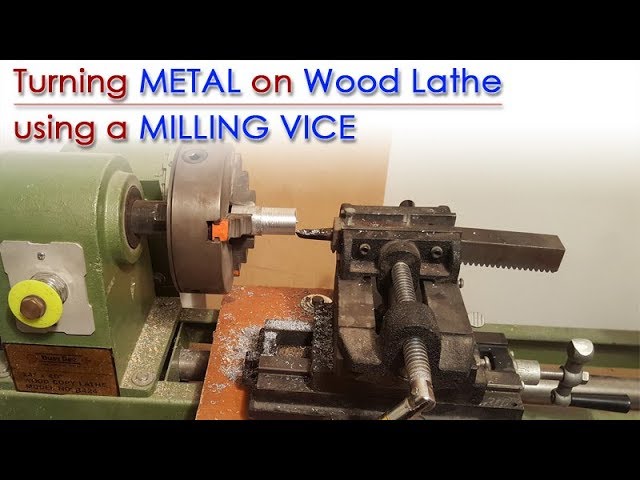
Switch to woodturning chisels. You can hold them by hand on a metal lathe, but be careful. The fixed tool post gets in the way. I sometimes remove it or slide it as far back as possible to give myself room.
5. Secure The Workpiece
Wood blanks can be uneven or unbalanced. Make sure your piece is tight in the chuck. For longer pieces, I use the tailstock for support. I always double-check because wood can split or come loose more easily than metal.
What Projects Work Well On A Metal Lathe?
I’ve made small bowls, handles, knobs, and even chess pieces. The metal lathe does a great job with short, straight pieces. If your project is small and simple, it works fine. But for long spindles or big bowls, you’ll quickly see the limits.
For example, I once tried to turn a long table leg. The piece started to whip and vibrate. The metal lathe’s design just isn’t right for that kind of work. For small parts, though, it’s a solid choice.
Safety Tips From My Experience
I want to be honest—using a metal lathe for wood is not as safe as using the right tool. Wood dust can catch fire, and flying splinters are a risk. Here’s what I always do:
- Wear a dust mask and safety glasses.
- Never wear loose clothing.
- Keep the area clean—wood dust is slippery.
- Don’t stand in line with the spinning workpiece.
- Check your tools and setup before every cut.
A few times, I got cocky and skipped these steps. I paid for it with minor cuts and a big mess. Please, don’t rush.
Pros And Cons: My Honest Take
To help you decide if this is right for you, I made a simple comparison based on my own use.
| Pros | Cons |
|---|---|
| Very stable and precise | Slower speeds than wood lathes |
| Can do small wood projects | Dust can damage the machine |
| Good for straight, short parts | Limited room for hand tools |
| Already in your shop | Not for large or long items |
Most people don’t realize that the metal lathe’s weight helps reduce vibration. That’s great for detail work. But it’s not built to handle wood dust, and the tool setup is less flexible.
Common Mistakes Beginners Make
Let me save you some trouble. Here are mistakes I made or saw others make:
- Using metal tools on wood – They don’t cut well. The finish is rough and tools dull quickly.
- Ignoring dust – Wood dust can ruin your lathe’s slides and gears if not cleaned up fast.
- Forgetting about speed – Running too slow means tear-out and ugly cuts. Too fast can be dangerous.
- Skipping safety gear – I once got a splinter in my eye. Always wear protection.
- Over-tightening – Wood is softer than metal. If you over-tighten the chuck, you can crush or split the piece.
A non-obvious tip: Check your lathe’s lubrication after woodturning. Wood dust can mix with oil, making a gritty paste that damages slides and leadscrews. I wipe everything down and relube if needed.
How To Get Better Results
If you want your wood projects to look nice, here’s what works for me:
- Use sharp wood chisels. Dull tools leave marks and heat up, burning the wood.
- Sand at lower speeds. I turn off the motor and sand by hand for a smooth finish.
- Apply finish right away. Open wood grain absorbs oil or wax better when fresh.
Some people add a removable tool rest for more room. I made a simple one from scrap steel that bolts to the bed. It’s not perfect, but it gives me space to move my chisels.
When To Avoid Using A Metal Lathe For Wood
If you want to turn large bowls, long spindles, or do production work, get a wood lathe. The metal lathe is heavy and precise, but it’s slow to set up and not made for high-speed woodturning. For a few simple parts, it’s fine. For serious wood projects, it’s not the right tool.
I once tried to turn a 10-inch bowl. The tool post got in the way, and the machine bogged down. I ended up buying a small wood lathe for those jobs.
Maintenance Tips After Woodturning
Metal lathes need a little extra care after turning wood. Here’s my routine:
- Blow off all dust with compressed air.
- Wipe down the bed and slides with an oily rag.
- Check lubrication points and reapply oil if needed.
- Inspect the chuck and tailstock for wood fragments.
- Clean the leadscrews—wood dust can hide in the threads.
This might seem like a lot, but it keeps the machine in top shape. Wood dust is more damaging than you might think. One time, I skipped cleaning, and my cross slide got gritty. It took hours to fix.
Real-world Example: My Favorite Project
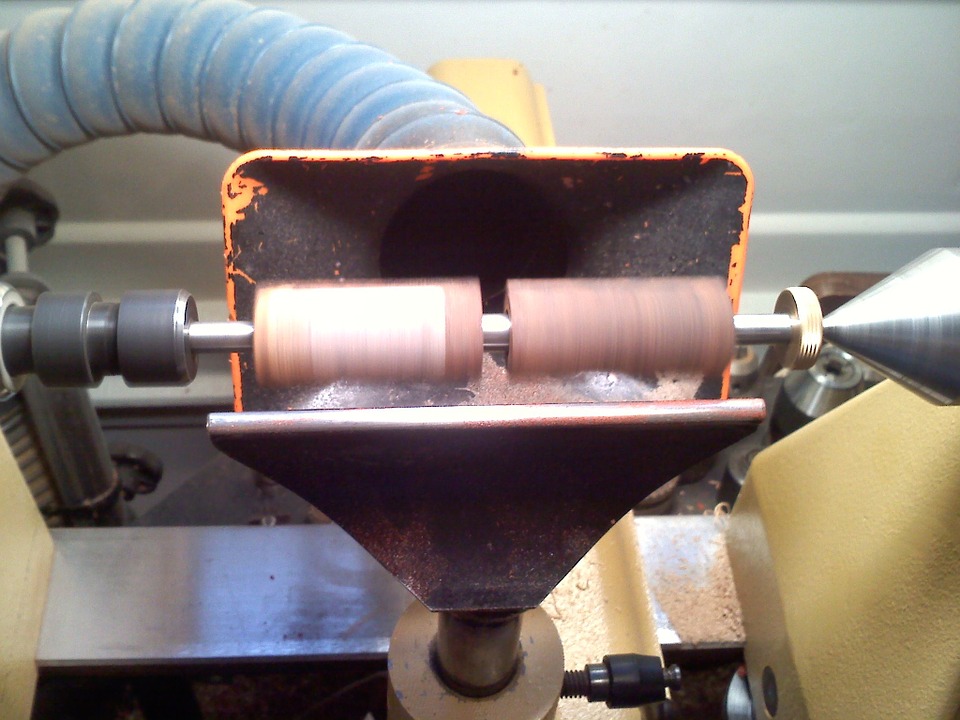
The best thing I made on my metal lathe was a custom tool handle. I started with a block of walnut, shaped it, sanded it, and drilled it for a tang. The result was smooth and fit my hand perfectly. The metal lathe’s precision let me get the diameter just right.
But, compared to using a wood lathe at my friend’s shop, it took longer. Swapping tools, adjusting speeds, and cleaning up added time. Still, I was proud of the result.
Is It Worth It?
If you already have a metal lathe and just want to try woodturning, go ahead. It’s a good way to learn basic shapes and turning techniques. But if you plan to do a lot of woodwork, invest in a wood lathe. You’ll save time and avoid headaches.
Table: Metal Lathe Vs. Wood Lathe—best Uses
To make it easy, here’s a quick look at which projects work best on each machine:
| Project Type | Metal Lathe | Wood Lathe |
|---|---|---|
| Small handles, knobs | ✔️ | ✔️ |
| Long spindles | ❌ | ✔️ |
| Bowls & platters | ❌ | ✔️ |
| Precision dowels | ✔️ | ✔️ |
| Production work | ❌ | ✔️ |
If you’re unsure, start small. Try a wood handle or a simple knob. You’ll quickly see the pros and cons.

Frequently Asked Questions
Can I Use Metal Lathe Cutting Tools For Wood?
You can, but the results are poor. Metal tools are not shaped for wood fibers. The cut is rough and the tool dulls fast. Use wood chisels for a better finish.
Will Wood Dust Damage My Metal Lathe?
Yes, if you don’t clean it up. Wood dust can mix with oil and cause wear. Always clean and oil your machine after turning wood.
Is It Safe To Turn Wood On A Metal Lathe?
It can be safe if you take care. Wear safety gear, check your setup, and don’t rush. Remember, the machine wasn’t built for wood, so respect its limits.
What Size Wood Projects Can I Do On A Metal Lathe?
Small parts like handles, knobs, and short spindles work best. Large items don’t fit well and can cause vibration or damage.
Where Can I Learn More About Woodturning?
A great resource is the American Association of Woodturners. Their site is full of tips, safety advice, and project ideas: American Association of Woodturners.
Turning wood on a metal lathe can be fun and rewarding if you know what to expect. I’ve enjoyed making one-off pieces and learning new skills. Just remember to clean up, use the right tools, and start simple. You might surprise yourself with what you can create!
As an Amazon Associate, We earn from qualifying purchases