
If you’ve ever tried to hang a heavy picture or mount a TV, you know how important it is to find a wall stud. Studs are the vertical wooden beams behind your drywall. They give support, so your items won’t fall down.
But what if you don’t have a stud finder? I’ve faced this problem many times, and believe me, it’s not as hard as you might think. With a little patience and a few tricks, you can find a stud with tools you already have at home.
Let me walk you through everything I’ve learned about how to find a stud without a stud finder.
Why Finding A Stud Matters
When I first started hanging shelves, I didn’t really understand why studs were so important. I once tried to screw a heavy mirror into drywall. It looked fine at first, but within a week, it crashed to the floor. That’s when I learned: drywall can’t hold much weight on its own. Wall studs are strong and safe.
A typical wall stud can support 100 pounds or more. Drywall alone often supports less than 10 pounds. So, if you want your things to stay on the wall, you need to anchor them into a stud.
What You Need (no Fancy Tools)
Most of the time, you don’t need anything fancy. Here’s what I usually have on hand:
- Tape measure or ruler
- Hammer and small nail
- Flashlight
- Push pin or sewing needle
- Electrical outlet or light switch nearby
You don’t need to buy anything special. These simple items will do the trick.
How Walls And Studs Are Built
Before you start, it helps to know what’s behind your wall. In most American homes, walls are made of drywall attached to wooden studs. The studs are usually spaced 16 or 24 inches apart. They run vertically from floor to ceiling.
Let me share a quick example. In my house, I measured from one corner to the next and found the studs were exactly 16 inches apart. But sometimes, they can be a little off—so check for yourself.
Here’s a simple way to picture it:
| Type of Wall | Common Stud Spacing |
|---|---|
| Interior Drywall (US) | 16 inches |
| Older Homes | Up to 24 inches |
| Exterior Walls | 16 or 24 inches |
Methods I’ve Used To Find A Stud
Over the years, I’ve tried lots of ways. Some work better than others, depending on the wall and the age of your house. Here are the main methods I use, with tips and stories from my own experience.
1. Look For Outlets And Light Switches
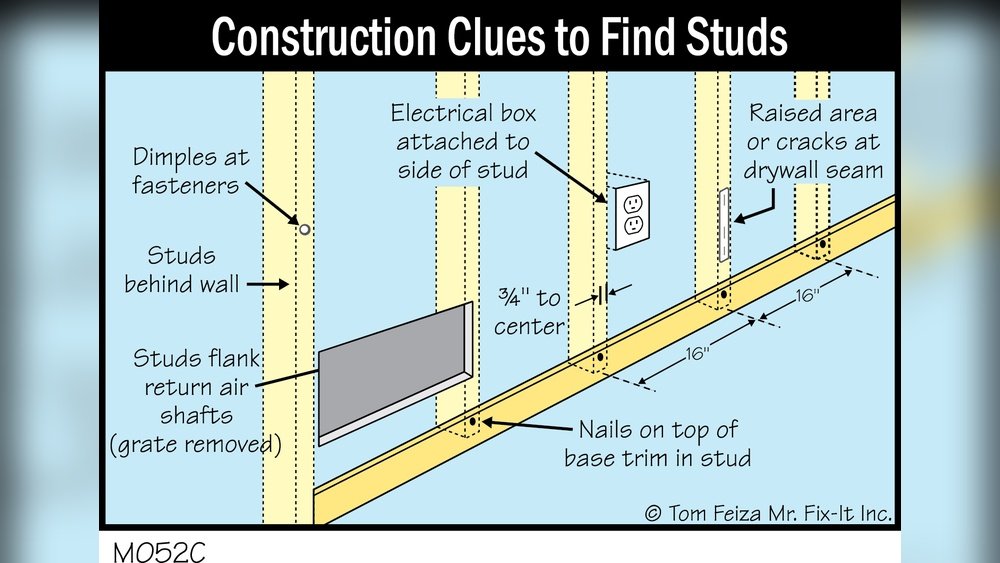
This is my favorite trick. Electricians usually attach outlet and switch boxes to a stud. Try this:
- Find an outlet or switch on the wall.
- Remove the cover plate (be careful, and turn off power if you’re worried).
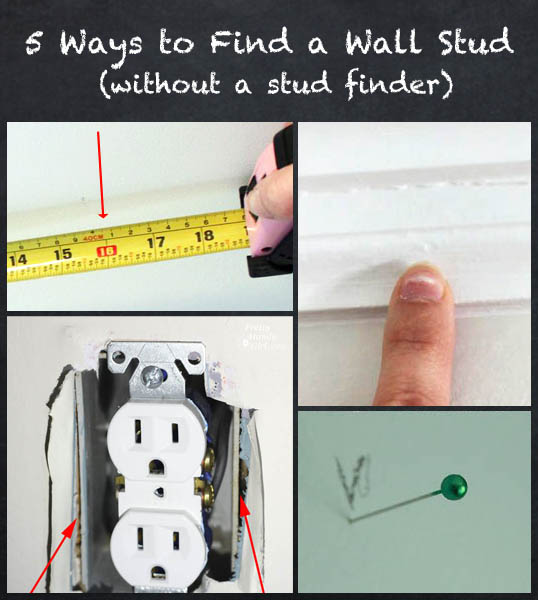
- Look at the edge of the box—one side will be right next to a stud.
- Tap or poke a small pin to confirm.
This method works about 90% of the time for me. Just remember, boxes are sometimes attached to either the left or right side of a stud.
2. Knock And Listen
If you don’t have an outlet nearby, try the “knock test.” Here’s how I do it:
- Place your knuckles against the wall and tap as you move sideways.
- Listen for a change in sound. Between studs, the wall sounds hollow and deep. Over a stud, it’s solid and higher-pitched.
This takes practice. At first, every part of the wall sounded the same to me. But after a few tries, I could hear the difference. Try it yourself—you’ll get better with time.
3. Measure From A Corner
Since studs are spaced evenly, you can measure from one corner. Most often, the first stud is 16 inches from the corner, then every 16 inches after that.
- Use your tape measure to mark 16, 32, 48 inches, and so on.
- At each mark, tap the wall or use a push pin to check for resistance.
Once, I found a stud exactly at 32 inches using this method. But in an older house, I discovered the spacing was a little off, so always double-check.
4. Look For Nails Or Screws In The Baseboard
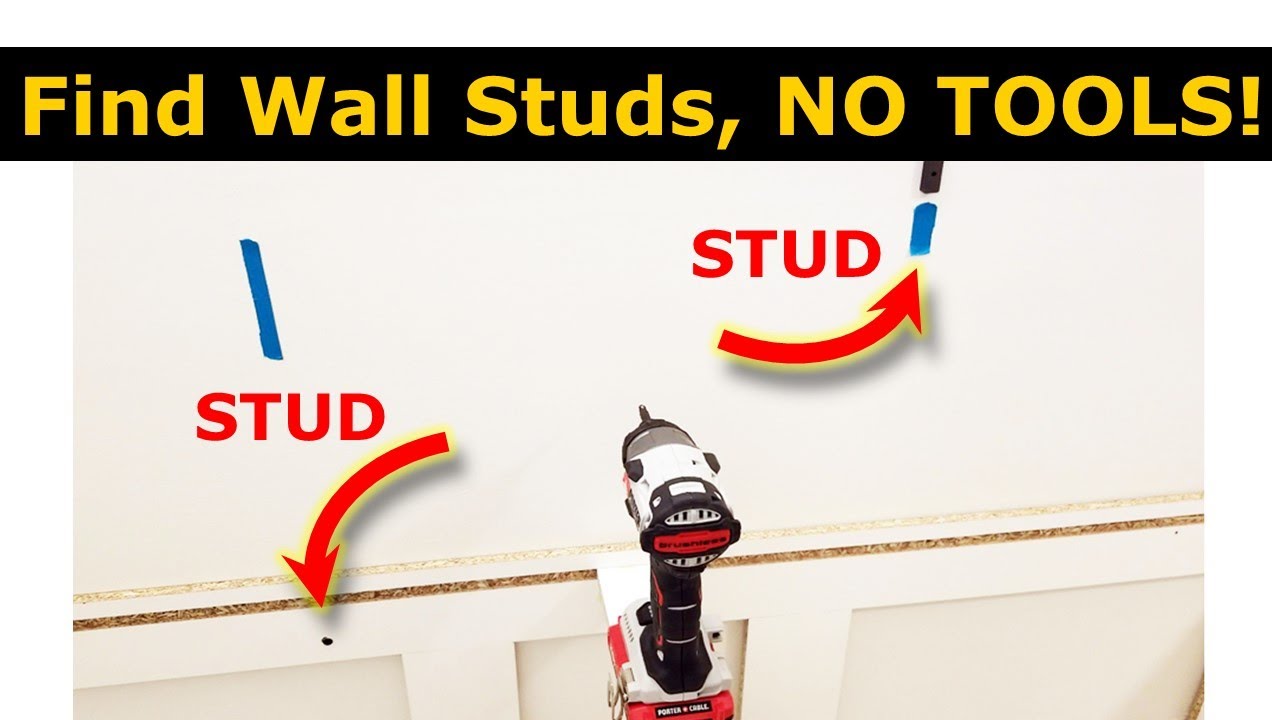
When builders install baseboards, they usually nail them into studs. If you look closely, you might see tiny dents or filled holes in the baseboard every 16 or 24 inches. I use a flashlight to spot these marks, then measure up the wall.
This saved me a lot of guessing when I was hanging shelves in my bedroom.
5. Use A Small Nail Or Pin
If you think you’ve found a stud, I like to use a thin nail or sewing needle to check. Push gently through the drywall. If you hit something solid right away, you’ve found a stud. If it goes in easily, you missed.
Don’t worry—the hole is so tiny, you can cover it with paint or spackle.
6. Follow The Light Switch Or Outlet Up
Sometimes, I can’t see inside the outlet box, or I don’t want to remove the cover. In that case, I measure about 3/4 inch to the left or right of the outlet edge, and use the knock test or push a pin into the wall.
It’s almost always a stud there.
7. Use Windows And Doors As Clues
Studs are always installed next to windows and doors. If you tap just to the side of a window frame, you’ll usually find a stud. This trick came in handy when I needed to hang curtains.
8. Try A Magnet
Here’s a tip not everyone knows: a strong magnet can help you find drywall screws or nails. Move the magnet slowly across the wall. When it sticks, you’ve found a screw—which means there’s a stud behind it.
I use a small fridge magnet tied to a string. It’s cheap and works surprisingly well.
9. Look For Wall Blemishes
Sometimes, you’ll see a small bump or paint bubble on the wall. This can be a sign of a nail or screw head underneath, which is likely in a stud.
One time, I noticed a tiny line of bumps running up the wall in my hallway. Sure enough, it matched the stud locations.
10. Combine Methods For Accuracy
No single method is perfect. I like to use two or three tricks together. For example, I’ll measure from a corner, then use the knock test, and finally check with a pin. This gives me the most confidence.

Common Mistakes To Avoid
I’ve made my share of mistakes, and I’d hate for you to repeat them.
- Assuming all walls are the same – Sometimes, walls are built differently, especially in old homes.
- Relying on one method only – I once used only the knock test and drilled into empty space. Always double-check.
- Not checking for pipes or wires – Be careful in kitchens and bathrooms. There may be pipes or wires where you don’t expect them.
Quick Comparison: Stud Finder Vs. No Stud Finder
Let’s compare using a real stud finder and these manual methods:
| Feature | Stud Finder Device | No Stud Finder |
|---|---|---|
| Accuracy | Very High | Good (with practice) |
| Cost | $15–$50 | Free |
| Skill Needed | Low | Medium |
| Speed | Fast | Slower |
When To Buy A Stud Finder
After years of using these tricks, I eventually bought a basic stud finder. If you do a lot of wall work, it’s worth it. But for most projects, you can get by with the methods above.
If you want to learn more about wall construction and why studs matter, check out this Wikipedia article.
My Top Tips For Success
Here are two insights I wish I’d known earlier:
- Studs aren’t always exactly 16 inches apart. Old homes, repairs, or remodels can change the spacing. Always test before drilling.
- Baseboards and trim are your friends. Looking for nail marks in the baseboard is often the fastest way to find a stud, especially in painted rooms.
And here’s a bonus: if you make a tiny mistake, don’t worry. Small holes are easy to patch.
Real-world Example
Let me share a recent story. I wanted to hang a large painting in my living room. I used my tape measure to mark 16 inches from the corner, did the knock test, and then used a push pin. I felt solid resistance.
I drilled a small pilot hole, and sure enough, I hit a stud. The painting has stayed up for months now, with no problems.
A friend of mine once skipped these steps and hung a shelf straight into drywall. It fell down, damaging both the wall and the shelf. Taking a few extra minutes to find a stud really pays off.
Table: Common Tools For Finding Studs Without A Stud Finder
Here’s a quick glance at what you can use:
| Tool | How It Helps | Extra Tip |
|---|---|---|
| Flashlight | Spot nail holes in baseboard | Check for bumps or paint marks |
| Tape Measure | Mark stud spacing from corner | Double-check with another method |
| Push Pin | Test for solid wood | Pin holes are easy to patch |
| Magnet | Find screws under paint | Use a strong fridge magnet |
Frequently Asked Questions
What If I Can’t Find A Stud Near Where I Want To Hang Something?
Try moving your item a few inches left or right. Most of the time, you’ll find a stud close by. If you can’t, use wall anchors made for drywall, but remember, they hold less weight.
Can I Use My Phone As A Stud Finder?
Some smartphone apps claim to find studs using magnets or sensors. I’ve tried them, but they’re not always accurate. I trust my hands and basic tools more.
Is It Safe To Poke Holes In The Wall?
Small holes from pins or nails are safe, as long as you avoid areas with pipes or wires. Stay away from kitchens and bathrooms if you’re not sure.
How Do I Know If I Hit A Wire Instead Of A Stud?
If you feel resistance but then the tool goes in suddenly, or you see a spark (rare), stop immediately. If you’re worried, use a wire detector or call a professional.
Why Is My Wall Different From What You Describe?
Some walls use metal studs or have double drywall. In that case, these methods might not work. If your wall feels strange or you hear metal, you may need a special tool.
Finding a stud without a stud finder is something anyone can do. It just takes patience, a few simple tools, and a little practice. I hope my experiences help you avoid mistakes and give you the confidence to hang your items safely.
Good luck with your project!
As an Amazon Associate, We earn from qualifying purchases