
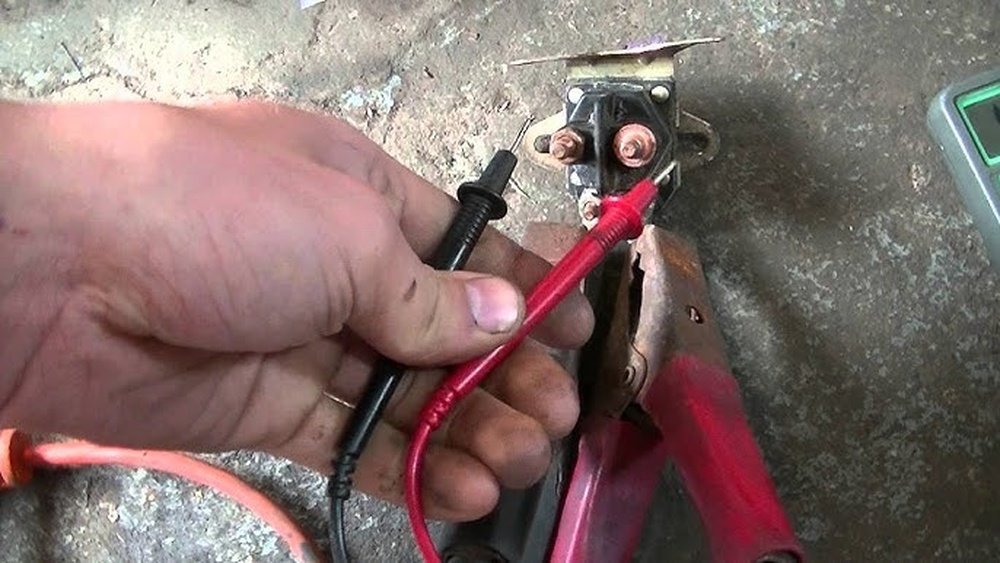
If you’ve ever tried to start your lawn mower and only heard a click or nothing at all, I know how frustrating that can feel. I’ve been there—standing in the backyard, ready to mow, but the mower just won’t go. One time, after pulling the cord and turning the key over and over, I learned that the problem was a tiny part called the solenoid. That day, I decided to find out how to test a lawn mower solenoid with just a screwdriver. I want to share my experience, step by step, so you can fix yours too, without feeling lost or overwhelmed.
What Is A Lawn Mower Solenoid?
Before I grabbed my tools, I wanted to know what a solenoid actually does. The solenoid is a small switch that uses electricity to connect the battery to the starter motor. When you turn the key, the solenoid clicks and sends power from the battery to the engine. If the solenoid is bad, your mower won’t start, even if the battery is fully charged.
Why I Needed To Test The Solenoid
One summer, after a heavy rain, my mower wouldn’t start. I tried charging the battery, but it still wouldn’t turn over. I read online that the solenoid is a common reason for this problem. Testing it with a screwdriver sounded simple and didn’t need special tools.
Plus, it felt good to fix things myself and not pay for a repair shop visit.

Safety First: Preparing To Test
I’ve learned the hard way that safety is key when working with engines and batteries. I always:
- Wear safety glasses to protect my eyes from sparks.
- Make sure the mower is off and in neutral.
- Disconnect the spark plug wire to stop the mower from starting accidentally.
And, I never wear loose clothes or jewelry around moving parts.
Tools You Need
You don’t need a big toolbox for this job. Here’s what I use:
- Flat-head screwdriver (at least 4 inches long)
- Insulated gloves (to protect from electric shock)
- Safety glasses
- A clean rag (for wiping parts and hands)
- A battery charger (optional, if your battery is weak)
Finding The Solenoid On Your Mower
The first time I looked for the solenoid, I spent a few minutes just figuring out where it was. On most riding mowers, the solenoid is a small metal or plastic cylinder near the battery or under the seat. It usually has two large posts with thick red wires attached.
Sometimes, there are smaller wires plugged into it too.
Here’s a quick way I found it:
- Follow the thick red wire from the positive battery terminal. It almost always leads to the solenoid.
- The solenoid is usually mounted on or near the frame, close to the starter motor.
Signs Your Solenoid Might Be Bad
After talking to a few neighbors and reading mower forums, I learned some common signs of a bad solenoid:
- You hear a clicking sound, but the engine doesn’t turn over.
- There’s no sound at all when you turn the key.
- The battery is fully charged, but nothing happens.
If your mower does any of these, the solenoid could be the problem.
Step-by-step: How I Test A Lawn Mower Solenoid With A Screwdriver
I remember my first try was nerve-wracking. But after following these steps, it felt easy. Here’s what I do:
1. Double-check The Battery
Before touching the solenoid, I make sure the battery is charged. Sometimes, the battery is the only problem. A weak battery can make a good solenoid act dead.
- Use a voltmeter to check for at least 12.6 volts on a fully charged 12V battery.
- If the voltage is low, try charging the battery first.
2. Locate The Solenoid Terminals
On the solenoid, there are usually two big terminals and sometimes two small ones. The big ones connect the battery and the starter motor.
- One big terminal connects to the battery.
- The other big terminal connects to the starter motor.
3. Prepare The Mower
I always:
- Set the parking brake.
- Make sure the mower is in neutral.
- Remove the key from the ignition.
Safety steps keep accidents from happening.
4. Bypass The Solenoid With A Screwdriver
Now for the main test. This is what I do, and it’s worked every time:
- Hold the insulated part of the screwdriver.
- Touch the metal shaft of the screwdriver to both large terminals at the same time.
- You will see a small spark—this is normal.
If the starter motor spins and the engine cranks when you do this, the solenoid is likely bad. If nothing happens, the problem might be with the battery, starter, or wiring.
5. Observe The Results
I learned to watch and listen carefully:
- If the engine turns over when you bridge the terminals, the solenoid is not sending power and is likely faulty.
- If the engine still does not crank, check the battery, wiring, and starter motor.
6. Clean Up And Reconnect
Once I’ve finished the test, I always:
- Remove the screwdriver.
- Reconnect the spark plug wire.
- Wipe down any dirty parts.
What I Learned From Mistakes
The first time I tried this, I forgot to set the parking brake. The mower rolled a bit when the starter spun, which could have been dangerous. I also once used a screwdriver with a thin handle and felt a shock—so always use a screwdriver with a thick, insulated handle.
Another thing: it’s easy to mix up the terminals. The big ones are the right ones; don’t try to bridge the small terminals.

What If Your Mower Still Won’t Start?
If the solenoid is fine but your mower still won’t start, here’s what I check next:
- Battery connections: Make sure they’re tight and free from corrosion.
- Starter motor: Sometimes the starter itself is worn out.
- Wiring: Look for broken or chewed wires. I once found a mouse nest under my seat!
- Safety switches: Many mowers have seat or brake switches that prevent starting.
A Real-world Example From My Yard
Last spring, I was in a hurry to get the first cut done. Turned the key—nothing. I tried jumping the battery, but still no go. I tested the solenoid with my trusty screwdriver. When I bridged the terminals, the engine turned over right away.
I replaced the solenoid the next day and had no more problems. That simple test saved me money and time.
Common Myths And Mistakes
Many people think that a clicking sound always means a bad battery, but it’s not true. A healthy battery can still leave you with a clicking sound if the solenoid is faulty. Another myth is that you need special testers. In reality, a screwdriver works just fine for most home repairs.
How A Solenoid Works: A Simple Explanation
I used to think the solenoid was just a wire. It’s actually a small electromagnet. When you turn the key, it creates a magnetic field that pulls an internal switch closed, letting battery power flow to the starter. If this electromagnet or the switch inside fails, the engine won’t crank.
Comparing Solenoid Problems To Other Mower Issues
When I started fixing my own mower, I wondered if other problems could look like a bad solenoid. Here’s a quick comparison:
| Symptom | Likely Cause | How to Check |
|---|---|---|
| Clicking sound, no start | Bad solenoid or low battery | Test battery & bypass solenoid |
| No sound, no start | Loose connections or dead battery | Check wires, battery voltage |
| Starter spins, engine won’t fire | Engine or fuel issue | Check spark, fuel, air filter |
Risks And Safety Tips
Testing a solenoid is safe if you follow basic steps. Here are a few reminders I always keep in mind:
- Only touch metal parts with the screwdriver, never your hands.
- Stand clear of moving parts when cranking the engine.
- Replace the solenoid if you see melted plastic, smoke, or heavy sparks.

Do You Need A New Solenoid?
After testing, if the solenoid is bad, replacement is usually cheap and easy. Most cost between $10 and $30. I always bring the old solenoid to the store to match the new one. A new solenoid can last many years if the battery and wiring stay healthy.
Step-by-step Table: Testing Process
For easy reference, here’s a quick summary of my steps:
| Step | What to Do | Why It Matters |
|---|---|---|
| 1 | Charge battery | Eliminates battery as the problem |
| 2 | Locate solenoid | Finds the right part to test |
| 3 | Set brake, neutral, disconnect spark plug | Keeps you safe |
| 4 | Bridge terminals with screwdriver | Bypasses solenoid to test it |
| 5 | Watch for engine crank | Confirms if solenoid is bad |
What Beginners Often Miss
When I first learned about mower repairs, I missed two important things:
- Corrosion on terminals: Even a little white or green buildup can stop power from flowing. Always clean battery and solenoid terminals with a wire brush.
- Safety switches: Most riding mowers have hidden safety switches under the seat or on the brake. If these are loose or broken, the mower won’t start, no matter how healthy the solenoid is.
Is It Safe To Use A Screwdriver For This Test?
This is a question I asked myself, and I’ve learned: Yes, it’s safe if you use an insulated screwdriver and take all the safety steps. Never use a wrench or pliers, since they can slip and cause a short circuit.
When To Call A Professional
If you test the solenoid and the starter still doesn’t spin, but the battery and wiring are fine, it might be time to call a pro. Electrical issues can be tricky, and sometimes a mower needs expert help.
Resources For More Information
For deep dives and wiring diagrams, I recommend checking out the Wikipedia Solenoid page. It helped me understand how solenoids work and what can go wrong.
Frequently Asked Questions
How Do I Know If My Lawn Mower Solenoid Is Bad?
If you hear a click but the engine won’t start, or nothing happens at all, the solenoid could be bad. Bridging the two large terminals with a screwdriver can help confirm this.
Can I Damage My Mower By Testing The Solenoid This Way?
If you follow the safety steps—insulated screwdriver, engine off, brake set—there’s very little risk. Just be careful to avoid shorting other parts.
What If My Mower Starts When I Bypass The Solenoid?
This means the solenoid isn’t working and should be replaced. The rest of the starting system is probably fine.
How Much Does A New Solenoid Cost?
Most mower solenoids cost between $10 and $30. They are easy to find at hardware stores or online.
Why Does My Solenoid Click But Not Start The Engine?
A click means the solenoid is trying to work, but maybe the internal switch is bad or the battery doesn’t have enough power. Testing with a screwdriver will show if the solenoid is the problem.
If you ever find yourself stuck with a mower that won’t start, don’t panic. Testing the lawn mower solenoid with a screwdriver is a quick, safe, and effective way to get answers. I hope my experience makes your repair a little easier and gives you the confidence to tackle this simple fix. Happy mowing!
As an Amazon Associate, We earn from qualifying purchases