
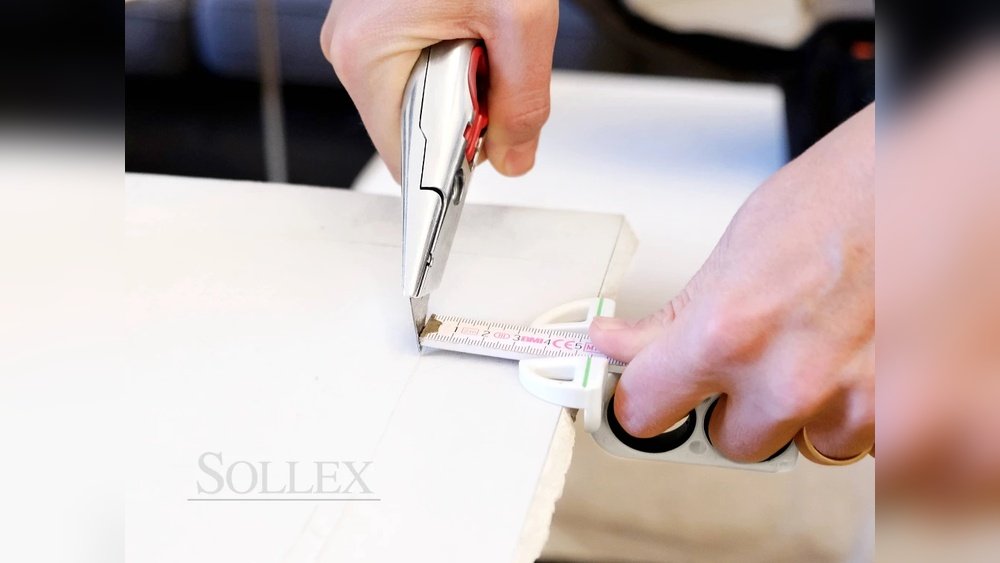
Can I Cut Drywall With A Box Cutter?
I remember the first time I tried to cut drywall. I stood in my garage, holding a box cutter, not sure if I was making a smart choice or a big mistake. My goal was simple: fix a hole in my living room wall. But I kept asking myself, “Can I really cut drywall with a box cutter?” If you’re wondering the same thing, I’ve got good news, real stories, and a few hard-learned lessons to share.
Why People Use A Box Cutter For Drywall
I chose a box cutter because it was easy to find. Most people have one at home. Drywall, or gypsum board, isn’t as tough as wood or metal. At first, I thought I needed a power tool, but my neighbor laughed and said, “Trust me, a box cutter can do the job.”
Box cutters are light and fit in your pocket. They feel safe compared to saws. I liked the control they gave me. I could score a straight line without worrying about cutting too deep or making a mess.
But the real reason I tried it? I didn’t want to buy another tool just for one repair. If you’re on a budget, you probably feel the same way.
How To Cut Drywall With A Box Cutter
Here’s how I did it, step by step. It’s simpler than you might think, but there are a few tricks you don’t want to miss.
1. Gather Your Supplies
You don’t need much to get started:
- A sharp box cutter (fresh blade is best)
- A measuring tape
- A pencil or marker
- A straight edge (I used a metal ruler)
- Safety gloves (optional, but I recommend them)
2. Measure And Mark
I measured twice—sometimes three times. Drywall is unforgiving if you cut in the wrong spot. Mark your line with a pencil. I used a level to keep things straight. A crooked cut can ruin a repair.
3. Score The Drywall
Place the straight edge on your line. Hold it tight. Then, with the box cutter, score along the mark. You don’t need to press too hard. I learned that one or two passes with light pressure work better than trying to cut through in one go.
Drywall is made of paper and chalky gypsum. The first cut should break through the paper. You’ll hear a soft scratch. That’s a good sign.
4. Snap The Board
After scoring, pick up the drywall and bend it gently. It will snap cleanly along your cut. This always feels satisfying. Just bend it away from the scored side.
5. Cut The Back Paper
Now, flip the board over. You’ll see the back paper is still attached. Use your box cutter to slice through this paper. It doesn’t take much force.
6. Clean Up The Edges
Sometimes, the cut edge feels rough. I run my box cutter lightly along it to smooth things out. If you want a perfect edge, a sanding block helps. But for most repairs, the box cutter alone is enough.
When A Box Cutter Works Best
Through trial and error, I found a box cutter is perfect for most drywall jobs. Here’s when it works best:
- Straight cuts: Making doorways, window openings, or patch panels.
- Small projects: Fixing holes, making patches, or trimming small pieces.
- Tight spaces: Cutting around outlets or pipes where a saw won’t fit.
- Quiet jobs: If you want to avoid noise and dust, a box cutter is perfect.
I used it to patch a hole after moving a picture frame. It worked so well that I never bothered with a drywall saw for small fixes again.
When Not To Use A Box Cutter
But I also learned that a box cutter isn’t magic. It has limits. Here’s when I struggled:
- Curved cuts: If you need a circle or odd shape, a box cutter is hard to control.
- Thick drywall: Some drywall is 5/8 inch thick. Cutting through with a box cutter gets tough.
- Large projects: If you’re hanging drywall in a whole room, your hand will get tired fast.
- Old, damp drywall: Wet drywall tears instead of snapping.
In those cases, I switched to a drywall saw or rotary tool. Trust me, it saves time and frustration.
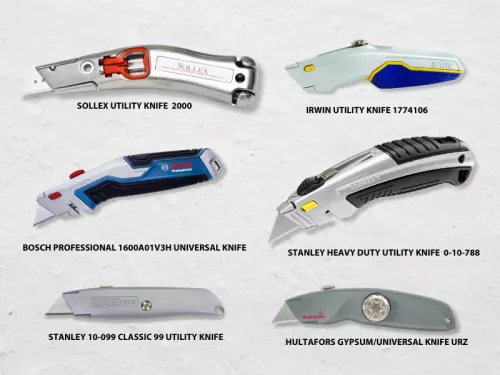
How A Box Cutter Compares To Other Tools
Let’s get real—people often wonder if they should just use a drywall saw, utility knife, or even a power tool. I’ve tried all three. Here’s what I found, and I put together a quick comparison for you.
| Tool | Best For | Pros | Cons |
|---|---|---|---|
| Box Cutter | Straight cuts, small jobs | Cheap, easy, no dust | Hard for thick or curved cuts |
| Drywall Saw | Curves, outlets, thick boards | Works on all shapes | Messy, takes longer |
| Power Tool | Large jobs, lots of cuts | Fast, easy on hands | Loud, makes dust, expensive |
If I need a quick patch, I grab the box cutter. For new walls, I use a saw or rotary tool.
Safety Tips I Learned The Hard Way
I’ve cut myself more times than I’d like to admit. Cutting drywall feels easy, but box cutters are sharp. Here are a few things I wish someone told me:
- Always use a sharp blade. Dull blades slip and cause accidents.
- Cut away from your body. I once sliced my finger because I was careless.
- Wear gloves if you’re new. The gypsum dust dries out your skin.
- Clean up dust right away. Drywall dust can be slippery.
- Keep the area well lit. Good light helps you see your line and avoid mistakes.
Mistakes I Made (so You Don’t Have To)
I’m not ashamed to admit I messed up a few times. Here are two things beginners often miss:
- Not changing the blade often enough. The blade gets dull fast. I used to think one blade would last all day, but after a few cuts, it started tearing the paper instead of slicing. Now I keep a pack of blades nearby.
- Cutting too deep. I once pressed too hard and cut right through the board, damaging the wall behind it. You only need to score the surface paper and a bit into the gypsum. Less is more.
And here’s a tip: Don’t force the snap. If the drywall doesn’t break cleanly, score it again. Forcing it can lead to rough, jagged edges.
How To Make Clean, Professional Cuts
When I wanted a cut that looked good (like for a visible patch), I started doing a few extra things:
- Use a long straight edge. Short rulers move around. I used a 4-foot level for big cuts.
- Score both sides if you need a really clean edge. This takes more time but gives a perfect result.
- Sand the edges lightly with a sanding block. It makes a big difference when taping and mudding.
If you want tight seams, take your time with measuring and marking. Rushing leads to gaps.
Common Questions When Using A Box Cutter On Drywall
People often ask me if a box cutter damages drywall. If you use the right technique, it won’t. But here are a few things to consider:
- Cheap box cutters can flex or break. Spend a few dollars more for a sturdy one.
- Watch for hidden wires or pipes. Always check before you cut, especially in old homes.
- Clean your blade after use. Gypsum can dull the edge faster than you think.
Cost And Convenience
One reason I love using a box cutter is the cost. A decent box cutter costs less than $10. Replacement blades are cheap too. Compare that to buying a power tool, which can cost $50 or more.
Plus, you can keep a box cutter in your kitchen drawer or toolbox. No batteries, no setup—just grab it and go. For small home repairs, convenience matters.
:max_bytes(150000):strip_icc()/easy-way-to-cut-big-drywall-1821492-hero_9400-654d717dce7a47839afcec5928bbf084.jpg)
How Drywall Thickness Affects Cutting
Drywall comes in different thicknesses. The most common are 1/2 inch and 5/8 inch. I made a simple table to show what works best:
| Drywall Thickness | Can Cut with Box Cutter? | Effort Needed |
|---|---|---|
| 1/4 inch | Yes | Very easy |
| 1/2 inch | Yes | Easy |
| 5/8 inch | Yes, but harder | Moderate effort |
| Double layers | No | Use power tool |
If you have thick or layered drywall, a box cutter will work, but it takes more time and force. For most home repairs, though, it’s all you need.
Environmental And Health Considerations
I learned that cutting drywall creates dust, even with a box cutter. Gypsum dust isn’t toxic, but it can irritate your nose and throat. Here’s what I do:
- Open a window for fresh air.
- Wear a dust mask if you’re sensitive.
- Clean up with a damp cloth, not a dry broom (which stirs up dust).
If you’re working in a kitchen or near electronics, cover things with a drop cloth. Drywall dust gets everywhere.
Alternatives To A Box Cutter
If you find the box cutter isn’t right for you, there are other options. I tried a few:
- Utility knife: Slightly sturdier than a box cutter. Blades are thicker.
- Drywall saw: Best for curves and deep cuts.
- Oscillating multi-tool: Fast but expensive and noisy.
But honestly, for small patches and straight cuts, I always return to my trusty box cutter.
Here’s a quick side-by-side look:
| Tool | Precision | Speed | Ease of Use |
|---|---|---|---|
| Box Cutter | High | Medium | Easy |
| Drywall Saw | Medium | Low | Medium |
| Oscillating Tool | High | High | Harder |
Where To Learn More
If you want extra tips, I found a helpful guide on Family Handyman. It covers advanced techniques and safety advice.

The Bottom Line
So, can you cut drywall with a box cutter? Absolutely. I’ve done it many times and saved money by using what I had on hand. It’s safe, clean, and easy for most small projects. The trick is to use a sharp blade, go slow, and don’t force the cut.
If you’re new to home repairs, start with a box cutter. You’ll be surprised how well it works. And if you run into thick drywall or tricky shapes, you can always switch to another tool. In my experience, keeping things simple is usually best.
Frequently Asked Questions
Can I Cut Drywall With A Dull Box Cutter Blade?
No, I don’t recommend it. Dull blades tear the paper and make messy cuts. Always use a fresh blade for clean results.
Is A Utility Knife Better Than A Box Cutter For Drywall?
They work almost the same. A utility knife is a bit sturdier, but a sharp box cutter works just as well for most jobs.
Will Cutting Drywall With A Box Cutter Create A Lot Of Dust?
Not much. Power tools make more dust. With a box cutter, you’ll have a little, mostly from snapping the board.
Can A Box Cutter Handle 5/8 Inch Drywall?
Yes, but it takes more effort. Score the line a few times and snap the board carefully. For lots of thick drywall, try a saw.
Is It Safe To Use A Box Cutter For Drywall If I’m A Beginner?
Yes, as long as you go slow and follow safety tips. Wear gloves, use a straight edge, and keep your blade sharp.
If you’re ready to try it, grab your box cutter and give it a shot. It’s easier than you think!
As an Amazon Associate, We earn from qualifying purchases