
Sanding a rounded edge isn’t something I learned overnight. The first time I tried, I made a mess. My edge was bumpy, scratched, and looked nothing like the smooth, soft corner I wanted. But as I kept practicing, I found tricks and tips that made a big difference.
If you want to get a perfect rounded edge—on a table, shelf, or even a guitar body—I’m excited to share what worked for me. I’ll walk you through each step, from choosing the right sandpaper to avoiding the common mistakes I made early on.
You’ll finish with a smooth, pro-looking edge and a lot more confidence for your next project.
Why Sanding Rounded Edges Matters
I used to think sanding was just about making things “not rough.” But sanding a rounded edge does so much more than that. It makes furniture safer—no more sharp corners to bump into. It also helps paint or varnish stick better and gives your project a finished, professional look. A well-sanded edge feels great to touch, which matters more than you’d think. I’ve seen pieces go from looking homemade to store-bought quality with just a bit of careful sanding.
Tools And Materials You’ll Need
I can’t count the number of times I started sanding, then realized I was missing something key. Here’s what I always keep on hand:
- Sandpaper: Grits from 80 (coarse) to 220 (fine)
- Sanding block: Holds the paper flat and even
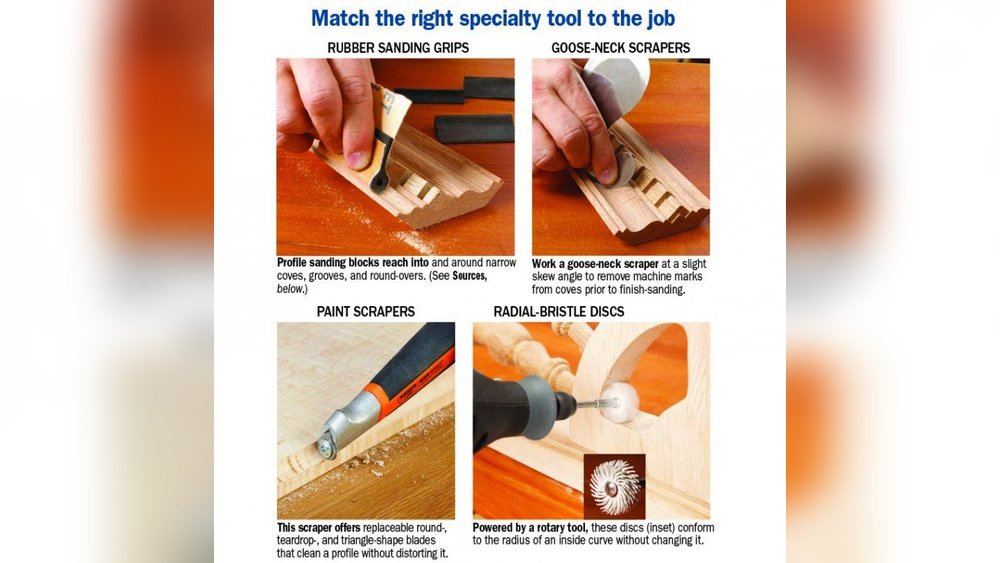
- Flexible sanding sponge: Bends around curves
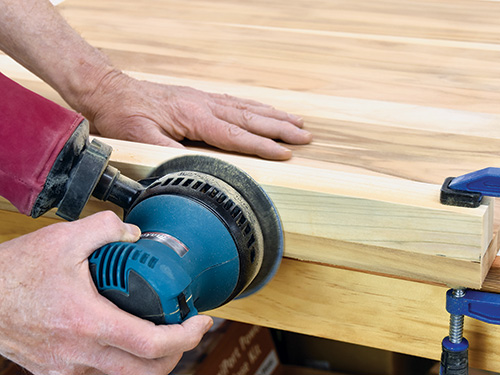
- Orbital sander (optional): For big projects
- Dust mask and eye protection
- Vacuum or brush: For cleaning dust
- Tack cloth: Picks up fine dust before finishing
Choosing the right sandpaper is especially important. Here’s a quick guide I wish I had early on:
| Grit | Use | Result |
|---|---|---|
| 80 | Shaping, removing lots of wood | Very rough, fast |
| 120 | General sanding, smoothing after shaping | Smoother, less scratching |
| 180-220 | Final finish, before paint or stain | Very smooth |
Step-by-step: How I Sand A Rounded Edge
Let me break down exactly how I do it. This works for wood, MDF, and even painted surfaces.
1. Mark Your Edge
Before picking up any sandpaper, I always mark the curve I want. Sometimes I use a coin or a round object to trace a perfect arc. This keeps my sanding even and stops me from going too deep on one side.
Trust me, freehanding almost always leads to a lopsided edge.
2. Start With Coarse Grit
I begin with 80-grit sandpaper if I need to shape the edge a lot, or 120-grit if it’s already close to the shape I want. I wrap the paper around a sanding block for straight sections, or use a sanding sponge for curves. I keep my strokes steady and even, always moving with the curve, not against it. If I press too hard, I get flat spots—so I use light, even pressure.
3. Check Your Progress Often
Early on, I learned the hard way that it’s easy to sand too much. Every couple of minutes, I stop and look at the edge from different angles. I run my fingers over it to feel for bumps or flat spots.
Sometimes I even shine a flashlight across the edge—the shadows show any problems.
4. Move To Medium Grit
Once I’ve shaped the curve, I switch to 120-grit sandpaper. This smooths out the rough scratches left by the coarse grit. I keep using the sanding block or sponge, always following the curve. If I see deep scratches, I go back to the coarse grit, then try again.
5. Finish With Fine Grit
For the final sanding, I use 180- or 220-grit paper. This step makes the edge really smooth and ready for finishing. I wipe away dust between grits, because leftover grit can scratch the wood. At this stage, I use very light pressure and short strokes to avoid creating new scratches.
6. Clean And Inspect
After sanding, I vacuum the dust and use a tack cloth to pick up anything left. I run my hand over the edge to check for rough spots. If it feels smooth everywhere, I’m done. If not, I touch up those areas with fine sandpaper.
Tricks I Wish I Knew Sooner
There are a few things I didn’t learn until I ruined a couple of pieces. Let me save you the trouble:
- Always sand with the grain. Going across the grain creates scratches that show up after painting or staining.
- Use flexible sanding sponges for curves. They shape themselves to the edge and don’t leave flat spots.
- Don’t rush. It takes less time to sand carefully than to fix a mistake.
- Check under bright light. Shadows show flaws you can’t see in normal light.
- Round edges before assembly. If you’re making something like a box, it’s much easier to sand parts before putting them together.
:max_bytes(150000):strip_icc()/10122547233-8817d679ac154cbb8c0044fbbd052d8f.jpg)
Different Ways To Sand Rounded Edges
You might not always use the same method. Here are a few I’ve tried, with their pros and cons:
| Method | Tools Needed | Best For | Drawbacks |
|---|---|---|---|
| By Hand (Block/Sponge) | Sandpaper, block or sponge | Small projects, tight curves | Slow, tiring for big jobs |
| Orbital Sander | Orbital sander, sandpaper discs | Large, gentle curves | Harder to control on sharp curves |
| Router with Roundover Bit | Router, roundover bit | Making perfect, repeatable edges | Needs practice, expensive |
For most home projects, I use hand sanding or a sanding sponge. If you want a perfect, machine-made look, a router is amazing, but it’s not a must-have for beginners.
Safety First
Breathing in wood dust isn’t safe. I learned to always wear a dust mask and eye protection. Softwoods like pine can make me sneeze for hours. Hardwoods sometimes give me a rash if I’m not careful. I also make sure to sand in a well-ventilated place, or outside if I can.

What To Do If You Make A Mistake
Everyone sands too deep or gets a flat spot sometimes. Here’s how I fix it:
- Fill deep gouges with wood filler. Let it dry and sand smooth.
- Blend in flat spots by sanding the area around them, not just the flat spot itself.
- Don’t panic! Most mistakes can be fixed with patience.
Sometimes, I’ve had to start over, but that’s rare if I check my work often.
Special Tips For Different Materials
Sanding Painted Or Finished Edges
If I’m sanding an edge that already has paint or varnish, I use fine grit sandpaper (180-220) and go slow. Old finishes can gum up the sandpaper, so I wipe it clean often. If the paint chips, I feather the edge with light sanding so the new coat will blend in.
Mdf And Plywood
These materials act different from solid wood. MDF edges can be fuzzy after sanding. I seal them with a bit of diluted wood glue or primer, then sand again with fine grit. Plywood edges sometimes splinter, so I use a sharp utility knife to trim rough spots before sanding.
How Long Does It Take?
Time depends on the size and how rough the edge is. Here’s my typical timing:
| Project Size | Estimated Time | Notes |
|---|---|---|
| Small shelf (1-2 ft edge) | 10-15 minutes | Hand sanding only |
| Medium tabletop (6-8 ft edge) | 30-45 minutes | Mix of hand and orbital |
| Large project (full table, many edges) | 1-2 hours | May need a break! |
Common Mistakes I’ve Made (and How To Avoid Them)
- Pressing too hard. This leaves grooves and wears out sandpaper fast.
- Skipping grits. Jumping from coarse to fine skips the middle step and leaves scratches.
- Not cleaning between grits. Old dust can scratch the wood when you switch to finer paper.
- Sanding only one side. This makes the edge uneven. I always sand both sides evenly.
- Not checking the curve. I use my finger and a light to check for flat spots often.
What To Expect After Sanding
A well-sanded rounded edge looks and feels soft. Paint or stain will go on evenly and look great. The edge should match the curve you traced, with no bumps, dips, or scratches. If you run your finger along it and it feels smooth everywhere, you’ve done it right!
When To Use A Router Instead
Sometimes, I use a router with a roundover bit if I want a perfect, repeatable edge on many pieces. It’s fast and gives a factory look. But routers are noisy and can be tricky for beginners. For most home projects, sanding by hand works fine and gives a softer, more natural feel.
Recommended Resources
If you want to see different sanding methods in action, I found the guides on Wood Magazine helpful for both beginners and advanced woodworkers.
Frequently Asked Questions
What Is The Best Sandpaper Grit For Rounding Edges?
I start with 80-grit for shaping, then move to 120-grit, and finish with 180- or 220-grit for a smooth edge. If the edge is already close to the shape I want, I skip the coarse grit.
Can I Use A Power Sander For Rounded Edges?
Yes, but it depends on the curve. Orbital sanders work well for large, gentle curves. For tight or small curves, I prefer hand sanding or a flexible sponge to keep control and avoid flat spots.
How Do I Avoid Flat Spots When Sanding?
I use a flexible sanding sponge and light, even pressure. I check my progress often by running my hand over the edge and looking under a bright light. Slow and steady wins here.
Do I Need To Seal Mdf Edges After Sanding?
Yes, MDF edges can be fuzzy. I seal them with diluted wood glue or primer, let it dry, then sand again with fine grit. This gives a much smoother finish for painting or staining.
What Should I Do If I Sand Too Much Off The Edge?
Don’t worry! I fill deep spots with wood filler, let it dry, then sand smooth. For smaller mistakes, I blend the area by sanding around it, not just the spot itself. Most errors can be fixed with patience.
Sanding a rounded edge took me from frustrated beginner to someone who actually enjoys the process. With the right tools, a little patience, and these tips, you’ll get a smooth, beautiful edge every time. And if you mess up? It’s just wood—you can always fix it or try again.
Happy sanding!
As an Amazon Associate, We earn from qualifying purchases