
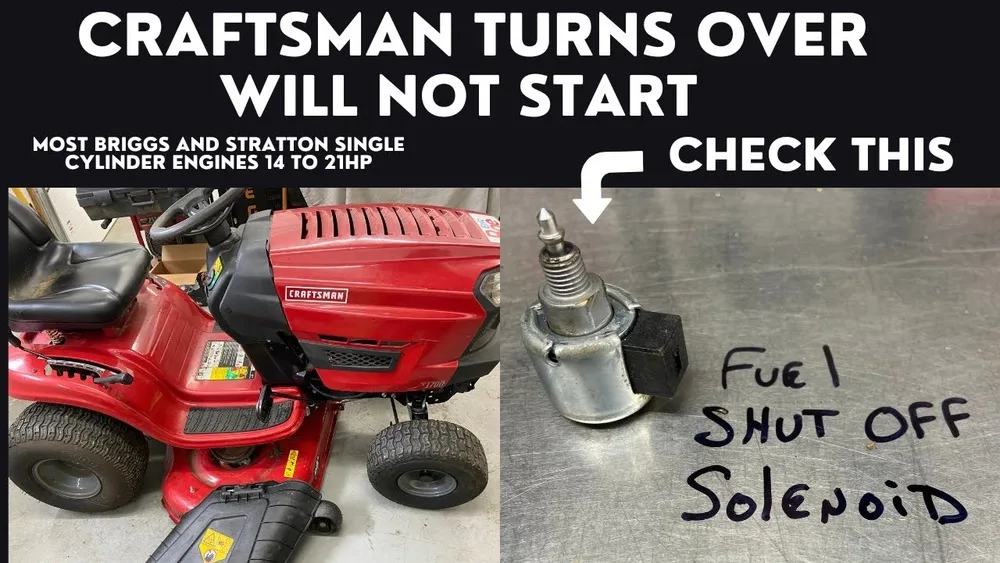
My Craftsman Riding Lawn Mower Wouldn’t Start—here’s What I Learned
I never thought my Craftsman riding lawn mower would just stop working one sunny Saturday. I had my hat on, a cold drink in my hand, ready to tackle the backyard jungle. I turned the key. Nothing. Not a sound—not even a click. If you’ve ever faced this, you know the feeling. It’s frustrating, and you might even feel a bit lost. But don’t worry. I’ve been through it, and I want to share everything I learned. I’ll walk you through the common reasons a Craftsman riding mower won’t start, what to check, what to fix, and how to avoid rookie mistakes.
First Things First: Safety And Basic Checks
Before I got my hands dirty, I made sure to park on a flat surface and set the brake. I removed the key and disconnected the spark plug wire. You should always do this. It keeps you safe while checking parts.
The first time my mower didn’t start, I tried simple things. Sometimes, it’s the small stuff:
- Is there enough gas in the tank?
- Is the blade lever in the right position (not engaged)?
- Is the parking brake on?
- Is the seat sensor working (try shifting your weight a bit)?
These sound basic, but I’ve missed them before. Once, I spent half an hour looking for a problem, and it was just an empty tank.
Common Reasons Your Craftsman Riding Lawn Mower Won’t Start
After the basics, I started a step-by-step check. I found these are the most common reasons:
- Dead battery
- Bad or dirty spark plug
- Faulty safety switch
- Clogged air filter
- Fuel system problems
- Starter or solenoid issues
- Old or bad fuel
- Blown fuse or broken wiring
- Carburetor issues
- Engine problems
Let’s go through each one.
1. Dead Or Weak Battery
This is the number one reason for silence when you turn the key. I learned the hard way. If the battery is old or weak, you won’t hear anything. You might just hear a little click.
What I do:
- Check the battery terminals for corrosion.
- Use a voltmeter. A good battery should show around 12.6 volts. If it’s under 12 volts, it’s probably too weak.
- If the battery is dead, I try jump-starting with my car (instructions are in your mower’s manual). But remember, don’t run the car’s engine while jump-starting.
Non-obvious tip: Sometimes, the battery looks fine, but the connections are loose or dirty. I always clean the terminals with a wire brush.
2. Bad Or Dirty Spark Plug
If the battery is fine, I check the spark plug. This little part can stop the whole show. Take it out with a spark plug wrench, and look for black soot, oil, or rust.
- Clean the spark plug with a wire brush if it’s dirty.
- Replace it if the tip is damaged or burned.
- Make sure the spark plug wire is snug.
Beginner mistake: I once forgot to gap the new spark plug. Always check the gap with a gauge. It should match your mower’s manual.
3. Faulty Safety Switch
Modern Craftsman mowers have safety switches. There’s one under the seat, one for the brake, and sometimes one for the blade lever. If any of these fail, the mower won’t start.
- I press firmly on the seat while starting.
- I check if the brake pedal is down.
- Sometimes, the safety switch gets loose or dirty. I unplug and re-plug each one.
A quick test: If the mower starts when I wiggle the wires under the seat, I know the seat switch is the problem.
4. Clogged Air Filter
A dirty air filter chokes the engine. I take it out and hold it up to the sun. If I can’t see light through it, it’s time for a new one.
- Paper filters: Tap out dirt, but don’t wash with water.
- Foam filters: Wash with soap and water, dry, then add a drop of oil.
I change my filter every season now. It’s simple and makes a big difference.
5. Fuel System Problems
Old fuel, clogged fuel lines, or a blocked fuel filter can keep the mower from starting.
What I check:
- Is the fuel fresh? Gas older than 30 days causes problems.
- Is there water or dirt in the fuel tank?
- I squeeze the fuel line and feel if fuel flows freely.
If fuel smells bad or looks dark, I drain it and add new fuel. I also change the fuel filter every year.
6. Starter Or Solenoid Problems
The starter cranks the engine, and the solenoid sends power from the battery. If I hear a clicking sound but nothing else, it’s likely one of these.
- I tap the solenoid gently with a screwdriver handle. Sometimes, it’s just stuck.
- I check for loose wires.
- If the starter motor doesn’t turn, I might need a new one.
Pro tip: A bad solenoid often makes a loud click. But if the starter is bad, you might hear nothing at all.
7. Old Or Bad Fuel
Gasoline goes bad quickly. I learned the hard way after leaving fuel in the tank over winter. The mower sputtered, then refused to start.
- I use a siphon to remove old gas.
- I add fresh fuel and a fuel stabilizer if I’m storing the mower.
Hidden issue: Bad gas can clog the carburetor and fuel lines. Cleaning those is trickier but sometimes necessary.
8. Blown Fuse Or Broken Wiring
If none of the above work, I check the fuses. Craftsman mowers usually have a fuse near the battery or under the seat.
- I look for a broken wire in the glass part of the fuse.
- If it’s blown, I replace it with the same type (usually 15 or 20 amp).
- I inspect all wires for cuts or mouse damage.
9. Carburetor Issues
The carburetor mixes fuel and air. If it’s dirty, the engine won’t start or will run rough.
Signs of a dirty carburetor:
- Engine cranks but doesn’t fire
- Strong smell of gas
- Black smoke from the exhaust
Cleaning the carburetor is a bit advanced. I use carb cleaner spray and follow a YouTube video if I’m unsure.
10. Engine Problems
If the engine turns but still won’t start, something deeper is wrong. Maybe there’s no compression, or a valve is stuck.
- I check the oil level. Low oil can trigger a safety shutoff.
- I listen for odd noises while cranking.
At this point, I call a small engine mechanic. Engine repairs need special tools and skills.

Quick Comparison: What’s Most Likely The Problem?
After many trials, I noticed some patterns. Here’s a simple table I made for myself, comparing symptoms and likely causes.
| Symptom | Most Likely Cause | Quick Fix |
|---|---|---|
| No sound at all | Dead battery, safety switch | Charge battery, check switches |
| Clicking sound | Weak battery, bad solenoid | Jump-start, tap solenoid |
| Cranks but won’t start | Spark plug, fuel, air filter | Replace plug, fresh gas, new filter |
| Starts but dies | Fuel problem, dirty carburetor | Clean carb, drain fuel |
Tools And Parts I Always Keep On Hand
Over the years, I learned to keep a small kit ready for mower troubles. Here’s what helps me most:
- 12V battery charger
- Spark plug wrench
- Replacement spark plug
- Fuel siphon
- Wire brush
- Fuse assortment
- Carburetor cleaner
- Basic socket set
When I have these, I spend less time searching for tools and more time fixing the issue.
How I Prevent Starting Problems
After a few breakdowns, I changed how I care for my mower. These habits save me stress:
- I always use fresh gas. If I store the mower, I add a fuel stabilizer.
- I change the oil and air filter every spring.
- I keep the battery on a trickle charger over winter.
- I check and clean the spark plug each season.
- I store the mower in a dry, covered place.
Non-obvious insight: Mice love to chew wires under the mower seat. I check for nests and droppings before spring.
When To Call A Pro
I enjoy fixing things myself, but sometimes it’s smarter to call a professional. If I see leaking oil, hear knocking sounds, or the mower still won’t start after all the steps above, I call a certified mechanic. It saves time and prevents bigger repairs later.
Real Numbers: How Often Each Problem Happens
From my own experience and talking to neighbors, here’s how often each problem caused my mower not to start:
| Problem | How Often (Out of 10 times) |
|---|---|
| Battery | 4 |
| Spark plug | 2 |
| Fuel system | 2 |
| Safety switch | 1 |
| Carburetor/Other | 1 |
Batteries are the most common issue, at least for me. It’s the first thing I check now.
How I Troubleshoot Step By Step
If you’re stuck, here’s my go-to order:
- Check gas level, brake, and blade lever.
- Inspect and charge the battery.
- Clean or replace the spark plug.
- Look at the air filter.
- Try starting and listen for sounds.
- Check safety switches.
- Look at fuel quality and lines.
- Test fuses and wiring.
- Tap the solenoid or starter.
- If still stuck, consider the carburetor or call for help.
This order saves time and avoids changing parts that still work.
Where I Get Reliable Help
If I’m not sure, I check the official Craftsman support page and owner’s manual. There are also good forums and YouTube channels. For deep technical info, I sometimes use Family Handyman.
Frequently Asked Questions
Why Does My Craftsman Mower Only Click And Not Start?
If you hear clicking, your battery is probably weak, or the starter solenoid is faulty. Try charging the battery first. If that doesn’t help, check the solenoid and wiring.
What Fuel Should I Use In My Craftsman Riding Mower?
Use fresh, unleaded gasoline with an octane rating of 87 or higher. Avoid using old or ethanol-heavy fuel, as it can cause clogs and hard starts.
How Often Should I Replace The Spark Plug?
I change my spark plug every season or after 100 hours of use. Check your manual for the exact type and gap.
Can I Jump-start My Mower With A Car Battery?
Yes, but always keep the car engine off. Connect positive to positive, negative to negative, and remove cables as soon as the mower starts.
What Do I Do If My Mower Still Won’t Start After All These Steps?
If you’ve tried all the basic checks and it still won’t start, it’s time to call a small engine repair pro. There may be a deeper issue in the engine or wiring.
—
I hope my experience helps you save time, money, and stress. Fixing a non-starting Craftsman mower isn’t always easy, but with patience and these steps, you’ll get back to mowing soon. If you’ve got your own tips or stories, I’d love to hear them!

As an Amazon Associate, We earn from qualifying purchases