
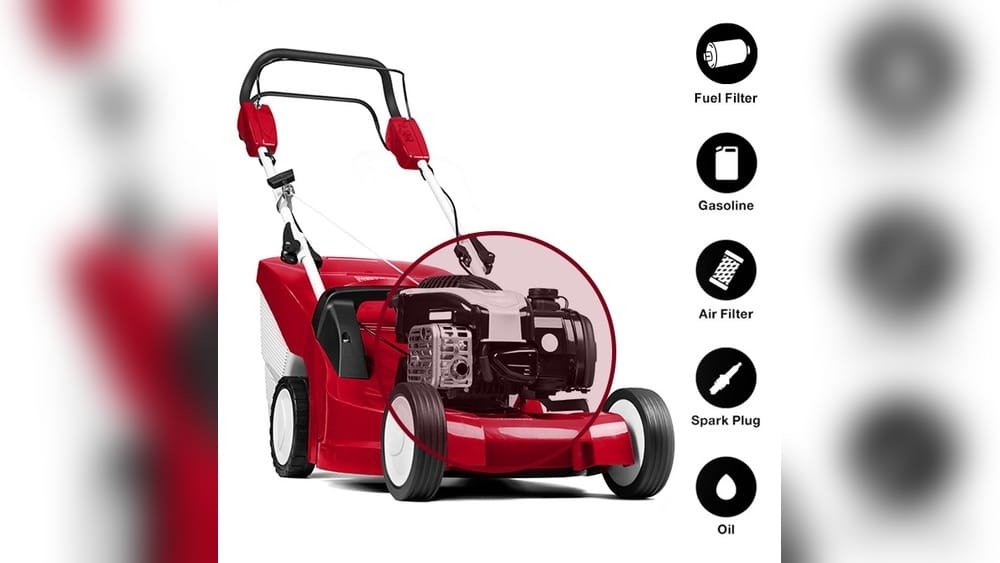
Have you ever pulled and pulled your lawn mower’s starter cord, only to hear nothing but a stubborn silence? I’ve been there, sweating in the sun, wondering what went wrong. One summer, my mower refused to start after sitting in the garage all winter. The culprit? Old gas in the tank. I learned the hard way that gas doesn’t age well, and it can make your mower act up or not start at all. If you’re facing a quiet mower that once roared, let me walk you through what I’ve learned about old gas, why it’s a big deal, and how you can get your mower running again.
Why Old Gas Is A Problem For Lawn Mowers
When I first heard that old gas could stop a mower from starting, I was a little skeptical. Isn’t gasoline just gasoline? Turns out, it’s not that simple. Gas starts to break down after about 30 days. That means, if you left gas sitting in your mower over the winter, it’s likely become stale.
Here’s what happens:
- Gasoline loses volatility. This means it doesn’t ignite as easily, so your engine can’t start.
- Moisture sneaks in. Over time, water from the air can mix with the gas. Water in the gas can cause sputtering or no start at all.
- Gum and varnish form. As gas ages, sticky deposits build up. These can clog the carburetor and fuel lines.
I learned that gas sitting in a sealed, approved container lasts maybe three months. In a mower tank? It can go bad much sooner, especially in heat or humidity.
How Old Gas Prevents Your Mower From Starting
Let me break down exactly what old gas does inside your mower. This is what I found when I tried to get mine started with last year’s fuel.
1. Hard Starting Or No Start
The engine might not fire at all. If it does, it may cough and die right away.
2. Poor Combustion
Old gas doesn’t burn right. It can cause the engine to stutter, backfire, or run rough.
3. Clogged Carburetor
This was my problem. Sticky varnish blocked the carburetor jets. Fuel couldn’t reach the engine.
4. Corroded Parts
Water in the gas can rust metal parts inside the fuel system. I once found a rusty fuel filter after leaving gas for too long.
5. Gummed Fuel Lines
Thick, sticky goo can block fuel lines, stopping gas from flowing.
It’s amazing how one simple thing—old gas—can cause a whole chain of problems. And most people, including me at first, think it must be a spark plug or oil issue.
How To Tell If Your Mower’s Gas Is Old
After my mower wouldn’t start, I got curious. How do you know if your gas is actually the problem? Here’s what I’ve learned to check.
Signs Of Old Gas
- Smell: Fresh gas has a sharp, clean smell. Old gas smells sour or stale.
- Color: Good gas is clear, almost see-through. Old gas turns darker or yellowish.
- Performance: If your mower ran fine last time but now sputters or won’t start, suspect the gas.
Simple Test
If you’re not sure, I suggest draining a little gas into a clear glass jar. Compare it with fresh gas. If the old stuff is darker or smells weird, it’s probably bad.
What I Did When My Mower Wouldn’t Start
Let me walk you through exactly what I did when my mower refused to start after sitting all winter.
1. Checked The Fuel
I looked in the tank and saw gas left from last year. It looked a bit dark, and the smell was off.
2. Drained The Old Gas
I tipped the mower carefully and drained all the old gas into a container for safe disposal.
3. Cleaned The Carburetor
I removed the air filter and sprayed some carburetor cleaner into the carb. I also checked for sticky residue.
4. Added Fresh Gas
I poured in fresh, clean gas. I used a fuel stabilizer to keep it fresh longer.
5. Tried To Start
This Time, The Mower Started On The Second Pull!
It was a relief, but I realized I could have avoided all this trouble with a few simple steps.

How To Fix A Lawn Mower With Old Gas
If you think old gas is stopping your mower, here’s what I recommend:
1. Drain All Old Gas
Use a siphon pump or carefully tip the mower and pour the old gas into a container. Don’t dump it—take it to a recycling center.
2. Clean The Fuel System
Remove the air filter. Spray carburetor cleaner into the carb. If you’re comfortable, remove the carburetor and clean it more deeply.
3. Check The Spark Plug
Sometimes, old gas fouls the spark plug. Take it out, clean it, or replace if needed.
4. Replace The Fuel Filter (if Present)
Some mowers have a small fuel filter. If it’s dirty or rusty, swap it out.
5. Add Fresh Gas
Fill the tank with new gasoline. If you want, mix in a fuel stabilizer.
6. Try Starting
Pull the cord. If it doesn’t start right away, wait a few minutes and try again.
Here’s a quick comparison of what happens with fresh gas versus old gas:
| Fresh Gas | Old Gas |
|---|---|
| Starts easily | Hard to start or won’t start |
| Clean combustion | Rough running or stalling |
| No buildup | Sticky residue and clogs |
How Long Does Gasoline Last In A Lawn Mower?
This is something I wish someone told me when I bought my first mower. Gasoline doesn’t last forever.
- In a mower tank: About 30 days before it starts to degrade.
- With a stabilizer: Up to 3-6 months, sometimes longer.
Heat, humidity, and air exposure speed up breakdown. Always use fresh gas at the start of the mowing season.
Here’s a quick reference:
| Storage Condition | Gasoline Lifespan |
|---|---|
| In mower tank (no stabilizer) | 1 month |
| In sealed gas can | 3 months |
| With stabilizer added | Up to 6 months |
Tips To Avoid Old Gas Problems
Now, I’m careful with my mower gas. Here are some tricks I use:
1. Buy Only What You Need
Don’t buy a big can of gas if you mow once a month. Fresh is best.
2. Use A Fuel Stabilizer
Add a stabilizer if you store your mower for more than a few weeks. It keeps gas fresh longer.
3. Run The Mower Dry Before Storage
At the end of mowing season, let the engine run until it stops. This empties the tank and carburetor.
4. Store Gas Properly
Use a clean, sealed container. Keep it in a cool, dry place away from sunlight.
5. Label Your Gas Can
Write the date you bought the gas. If it’s over two months old, don’t use it in your mower.
If you follow these tips, you’ll have fewer starting problems and a happier mower.
Common Myths About Old Gas
When I started out, I heard a lot of advice from neighbors and online forums. Some of it turned out to be wrong. Here are a few myths I want to clear up:
- “Old gas is fine if it looks clear.”
Not always. Even clear gas can lose its volatility.
- “You can revive old gas by mixing with fresh gas.”
This might work for a car, but in small engines, even a little bad gas can cause trouble.
- “Additives will fix any old gas.”
Fuel stabilizers work only on fresh gas, not on gas that’s already gone bad.
The truth is, small engines are picky. Don’t risk it—use fresh gas for best results.

When To Seek Professional Help
Sometimes, even after cleaning and fresh gas, the mower still won’t start. If you’ve tried everything and still get nothing, it might be time to see a pro.
- Persistent starting problems
- Visible rust or heavy deposits
- Engine won’t turn over at all
A professional can do a deeper cleaning, check for damaged parts, or spot bigger issues. I once had a mower with a cracked carburetor bowl—no amount of fresh gas could fix that!
Why This Matters: Saving Time, Money, And Frustration
Dealing with old gas taught me more than just mower maintenance. It saved me hours of frustration and money on parts I didn’t need. Now, I can get my yard work done without drama. And I know my mower will be ready whenever I am.
If you’re like me, you want things to just work when you need them. A little care with your gas can make a big difference.

Frequently Asked Questions
Why Does Old Gas Go Bad So Fast In Lawn Mowers?
Small engines have tiny fuel passages that clog easily. Exposure to air and moisture in a mower’s tank makes gas degrade faster than in a sealed car tank.
Can I Mix Old Gas With New Gas To Use It Up?
I don’t recommend it. Even a little stale gas can cause problems in a small engine. It’s safer to use fresh gas.
What Does Bad Gas Smell Like?
Bad gas smells sour, almost like varnish or paint thinner. Fresh gas smells sharp and clean.
How Do I Safely Dispose Of Old Gas?
Take old gas to your local hazardous waste center. Never dump it down a drain or on the ground. For more info, see the EPA’s guide: EPA Household Hazardous Waste.
Is Fuel Stabilizer Worth It For Lawn Mowers?
Absolutely. If you store your mower for more than a month, a stabilizer can keep gas fresh and prevent starting problems.
If you keep these lessons in mind, you’ll spend less time yanking that starter cord and more time enjoying a neat, green lawn. If you want a deeper dive into gasoline chemistry, check out this Wikipedia article on gasoline for more details. Happy mowing!
As an Amazon Associate, We earn from qualifying purchases