
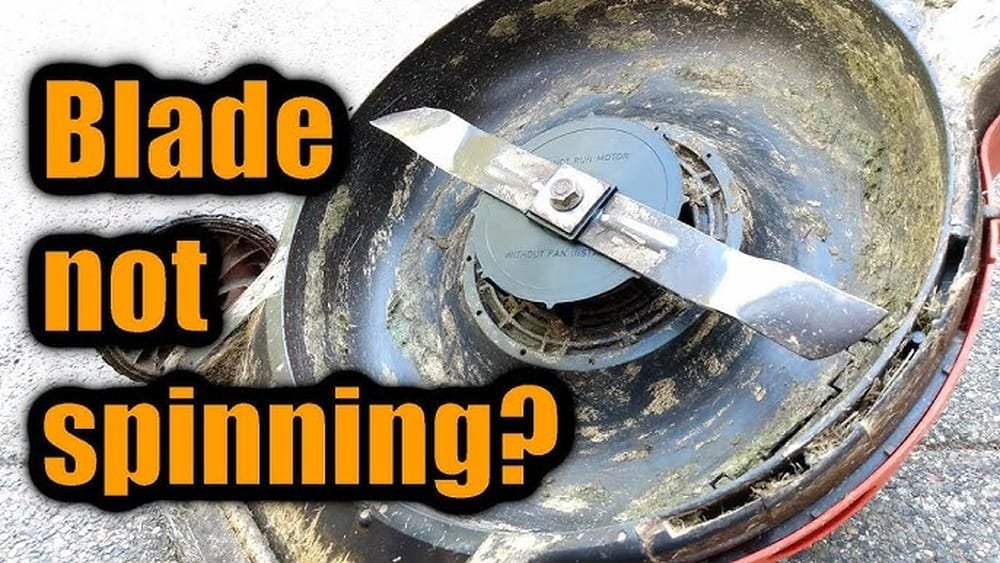
Blades Not Spinning On Lawn Mower: My Experience And Fixes
There’s nothing more frustrating than getting ready to mow your lawn, pulling the starter cord, and realizing the blades aren’t spinning. I’ve faced this problem many times with both push and riding mowers. Over the years, I learned that when the mower makes noise but the blades stay still, it’s usually not the engine’s fault. Let me walk you through what I’ve learned, what causes it, and how I fix it—step by step, with real examples from my own backyard battles.
When I First Noticed The Problem
One Saturday morning, I tried to start mowing. The engine ran, but the grass didn’t cut. I tilted the mower up (after turning it off!) And saw the blades were not moving. At first, I thought I just needed a break.
But no, something was wrong. If you’re reading this, you might be in the same spot. Don’t worry—most issues are fixable at home.
Common Reasons Blades Stop Spinning
After years of tinkering, I’ve seen the same reasons pop up again and again. Some are simple, some need a bit more patience.
1. Broken Or Slipped Belt
For riding mowers and some walk-behinds, the drive belt transfers power from the engine to the blades. If it’s broken or slipped off, the blades won’t move. I once found my belt hanging off like a broken shoelace. No wonder the blades were dead.
2. Blade Engagement Lever Or Cable Issue
Many mowers have a lever, switch, or cable that starts the blade spinning. If the cable snaps or the lever sticks, nothing happens. I’ve snapped a cable before by pulling too hard. It felt like pulling a string out of a hoodie—useless after that.
3. Blade Clutch Failure
On my riding mower, there’s a blade clutch (sometimes called a PTO clutch). If it fails, the engine runs but the blades won’t spin. I had mine wear out after about five years. The clutch just didn’t engage.
4. Debris Jammed In The Blades
A stick, rock, or even a pile of wet grass can jam the blades. One time, I mowed over a small toy, and the blades locked solid. I always check for debris first now.
5. Worn Or Broken Blade Adapter
The blade adapter connects the blade to the shaft. If it wears out, the blade can spin freely or not at all. I once found mine rounded off, so the blade just wobbled.
6. Sheared Flywheel Key
A flywheel key is a small metal piece that keeps the blade and engine in sync. If it shears off, the blade won’t spin properly, even if the engine runs. I’ve only seen this once, but it’s a sneaky culprit.
7. Faulty Safety Switch
Modern mowers have safety switches that stop the blades if you let go of a handle or get off the seat. If the switch fails, the blades won’t spin, even if everything else is fine. I’ve had to replace these switches before—they’re small but important.
8. Dull Or Damaged Blades
Surprisingly, dull blades can feel like they’re not spinning, especially in thick or wet grass. The mower bogs down, and it looks like the blades stopped. Sharpening or replacing the blades makes a big difference.
9. Low Engine Power
Sometimes, the engine isn’t making enough power to turn the blades. This can be from old spark plugs, dirty air filters, or old fuel. I’ve had mowers that barely ran, and the blades struggled to spin.
10. Transmission Or Gearbox Problems
On mowers with gearboxes, a broken gear or shaft can stop the blades. I saw this happen on a neighbor’s mower—the gearbox made awful noises, and the blades didn’t move.

How I Diagnose The Problem
Whenever my blades stop spinning, I follow a simple routine. This helps me find the problem without guessing.
- Turn off the mower and disconnect the spark plug. Safety first!
- I check under the deck for debris or obvious jams.
- For riding mowers, I inspect the drive belt for breaks or slips.
- I move the blade engagement lever or switch to see if it feels loose or broken.
- I look at the blade adapter and flywheel key if everything else seems fine.
- If nothing is obvious, I check the safety switches and listen for any clicking or buzzing.
Here’s a quick comparison of common problems and how I spot them:
| Problem | What I Notice | Quick Test |
|---|---|---|
| Belt Issue | Blade not spinning, belt loose or off | Look under deck, check belt tension |
| Cable/Lever Issue | Lever feels loose, no resistance | Move lever, check cable at both ends |
| Debris Jam | Blade stuck, sudden stop | Manually try to spin blade (engine off!) |
| Safety Switch | Works when pressed, fails when released | Press switch by hand, listen for click |
How I Fix The Blades Not Spinning
Let’s get practical. Here are the steps I use for each common cause. Most of these fixes need just basic tools, some patience, and common sense.
Fixing A Broken Or Slipped Belt
- Unplug the spark plug for safety.
- I tip the mower (handle up) or lift the deck on a riding mower.
- If the belt is off, I check for cracks or fraying. If it’s good, I put it back on the pulleys.
- If it’s broken, I get the right replacement using the model number.
- I install the new belt, making sure it’s tight but not too tight.
Tip: Always check the belt routing diagram—usually under the mower’s hood or in the manual.
Repairing The Blade Engagement Lever Or Cable
- I follow the cable from the lever to the deck.
- If it’s snapped, I buy a replacement cable.
- If it’s stretched, I adjust the tension using the adjuster nuts.
- For stuck levers, I spray a bit of lubricant to free them up.
Non-obvious insight: Sometimes, the cable end slips out of its holder. Pop it back in before buying a new cable.
Clearing Debris From The Blades
- With the spark plug unplugged, I use gloves to remove grass, sticks, or anything stuck.
- I spin the blade by hand to feel for smooth movement.
- If something is bent, I straighten it or replace the blade.
Replacing A Blade Adapter
- I remove the blade bolt with a wrench.
- I pull off the blade and adapter.
- I buy a new adapter that matches my mower.
- I install everything in reverse order.
Fixing A Sheared Flywheel Key
- I remove the top cover and flywheel nut.
- I look for the small metal key—if it’s broken, I replace it.
- I reassemble and test the mower.
This job can be tricky. The flywheel can be stubborn, so I use a rubber mallet, not a hammer.
Checking And Replacing Safety Switches
- I find the safety switch—usually under the seat or on the handle.
- I use a multimeter to test for continuity.
- If the switch is bad, I order a replacement and install it.
Non-obvious insight: Sometimes, dirt gets inside the switch. Cleaning it out can save the cost of a new part.
Sharpening Or Replacing Blades
- I remove the blade using a wrench.
- I sharpen the edge with a file, or I buy a new blade.
- I always balance the blade before reinstalling. An unbalanced blade can cause vibration and damage.
Restoring Engine Power
- I change the spark plug, air filter, and oil.
- I use fresh fuel.
- If power is still low, I check the carburetor for dirt.
After this tune-up, my mower usually runs like new.
Dealing With Gearbox Issues
This is the one fix I usually leave to the pros. If I hear grinding or see oil leaks, I take my mower to a repair shop. Gearboxes can be complicated and need special tools.

Preventive Maintenance Tips
After fixing my mower a few times, I realized that regular care saves time and money. Here’s what I do now:
- Clean the deck after every use to prevent buildup.
- Check the belt and cables every month.
- Sharpen blades at least twice a season.
- Use only fresh gas and change the oil yearly.
- Store the mower in a dry place to prevent rust.
Here’s a quick look at how regular maintenance compares to neglect:
| Care Routine | Blades Spin Smoothly | Breakdowns Per Season |
|---|---|---|
| Regular Maintenance | Yes, almost always | 0-1 |
| Neglected Mower | Often stuck/jammed | 2-4 |
When To Call A Professional
Most blade problems are easy to fix with a few tools and a bit of patience. But there are times when I call for help:
- When the gearbox or transmission is making noise
- If the engine is smoking or shaking
- When I’ve tried everything and nothing works
A good repair shop can save you hours of frustration. Plus, they have the right tools for big jobs.
Real-world Example: My Worst Blade Jam
Once, I hit a tree root and the blade stopped instantly. I checked everything—belt, cable, adapter. Nothing helped. Finally, I found the flywheel key was sheared. It took me two hours to get the flywheel off, but replacing the key fixed everything.
This taught me to never overlook the small parts. Sometimes, the problem is hidden deep inside.
Key Takeaways
- Always unplug the spark plug before working on the mower.
- Start with simple fixes—debris and belt issues are most common.
- Check safety switches if everything else looks good.
- Keep up with maintenance to prevent problems.
- Don’t be afraid to call for help if things get too complex.
If you want more details on mower maintenance, the Wikipedia page on lawn mowers is a great resource.

Frequently Asked Questions
Why Do My Mower Blades Stop Spinning When I Engage Them?
Often, it’s a loose or broken belt, a faulty cable, or something stuck under the deck. Check these areas first.
Can I Fix A Mower Blade That Won’t Spin By Myself?
Yes, most problems can be fixed at home with basic tools. Just remember to unplug the spark plug before starting.
How Often Should I Check The Mower Belt?
I check mine once a month during mowing season. If you mow often or on rough ground, check more frequently.
What If The Blades Spin Slowly Or Stop In Thick Grass?
This usually means the blades are dull or the engine is weak. Sharpen the blades and tune the engine for better results.
Do Electric Mowers Have The Same Blade Problems?
Some do, but electric mowers have fewer belts and cables. Most problems are from debris jams or worn switches.
Taking care of your mower keeps your lawn looking sharp and saves you from expensive repairs. I hope my experiences help you fix your blades not spinning issue with confidence. If you ever get stuck, remember—there’s always a solution, and you’re not alone!
As an Amazon Associate, We earn from qualifying purchases