
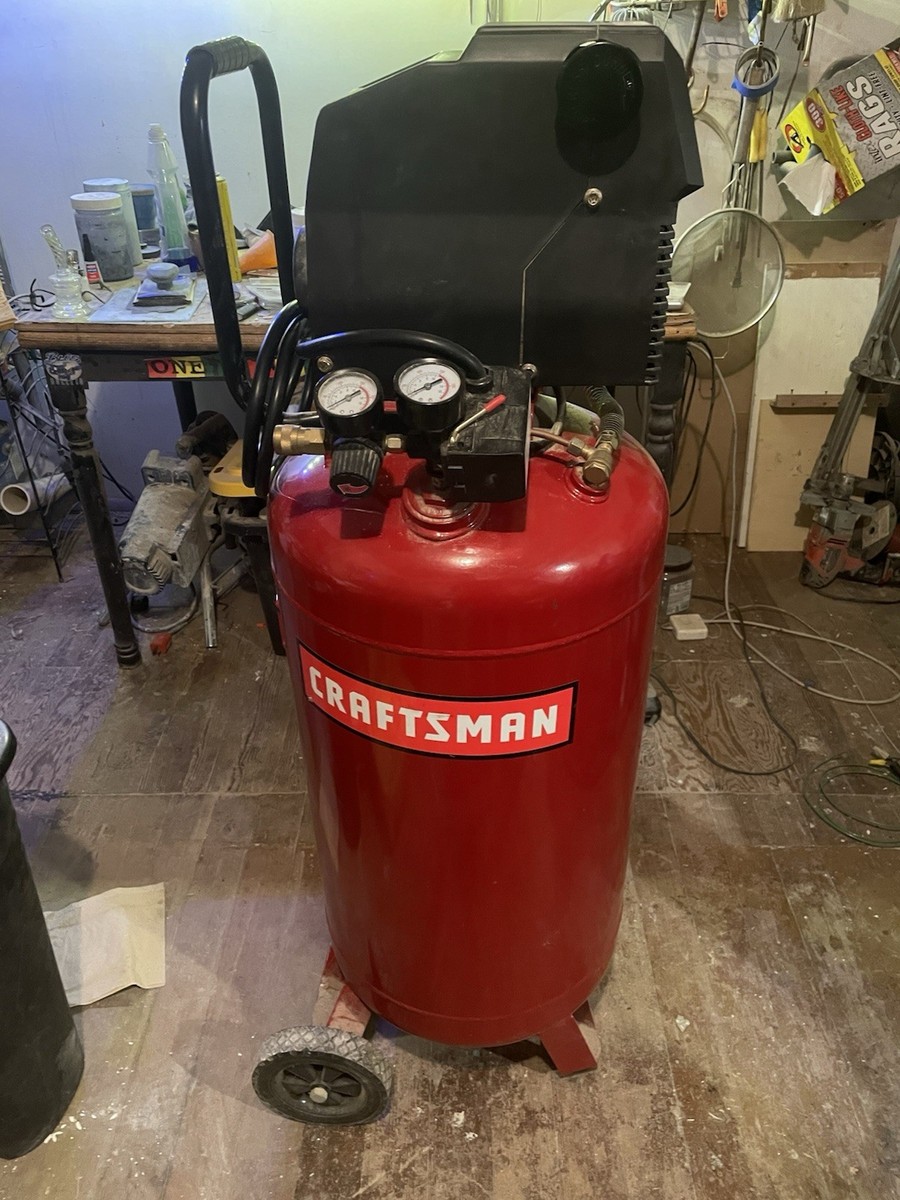
If you’ve ever had your Craftsman air compressor stop building pressure, you know the frustration. I’ve been there myself, standing in my garage, waiting for the gauge to move. Instead, nothing happens. No air, no pressure, just noise from the motor. I want to walk you through what I learned, step by step. These tips come from my own experience, a few mistakes, and a lot of research. If your Craftsman air compressor is not building pressure, read on—I’ll help you fix it.
What I Noticed First
My compressor used to fill up in a few minutes. But one day, I switched it on and the pressure gauge stayed at zero. The motor ran and ran, but the air tank was empty. At first, I thought maybe the gauge was broken.
But when I pressed the air nozzle, nothing came out. That’s when I realized the problem was bigger.
The Most Common Reasons
Through trial and error, and a few calls to my local tool repair shop, I learned that there are some common reasons why an air compressor won’t build pressure. Here’s what I found:
- Air leaks in the system
- Faulty check valve
- Broken pressure switch
- Worn piston rings or cylinder
- Dirty or damaged intake valve
- Clogged air filter
- Bad gaskets or seals
- Faulty reed valves
- Loose fittings or connectors
- Motor problems
Let’s break these down, one by one. I’ll explain what I did, what worked, and what mistakes you should avoid.
Checking For Air Leaks
Air leaks are sneaky. At first, I didn’t think this was my problem. But I grabbed a spray bottle with soapy water and sprayed around all the joints, hoses, and the tank itself. If you see bubbles forming, that’s a leak. I found a slow leak around the drain valve at the bottom of my tank. Tightening it helped, but I had to replace the washer for a perfect seal.
Tip: Even a tiny leak can stop your compressor from building pressure. Don’t skip this step.
The Check Valve Problem
The check valve keeps air from flowing back out of the tank into the pump. If it’s stuck open, air escapes every time the pump tries to fill the tank. To test this, I removed the valve (with the compressor unplugged and empty). I blew into it both ways. It should only let air through one way. Mine was full of grit and stuck open. After cleaning it, the compressor finally started holding some pressure.
Non-obvious insight: The check valve can look fine from the outside but still fail inside. Always test it!
Pressure Switch Issues
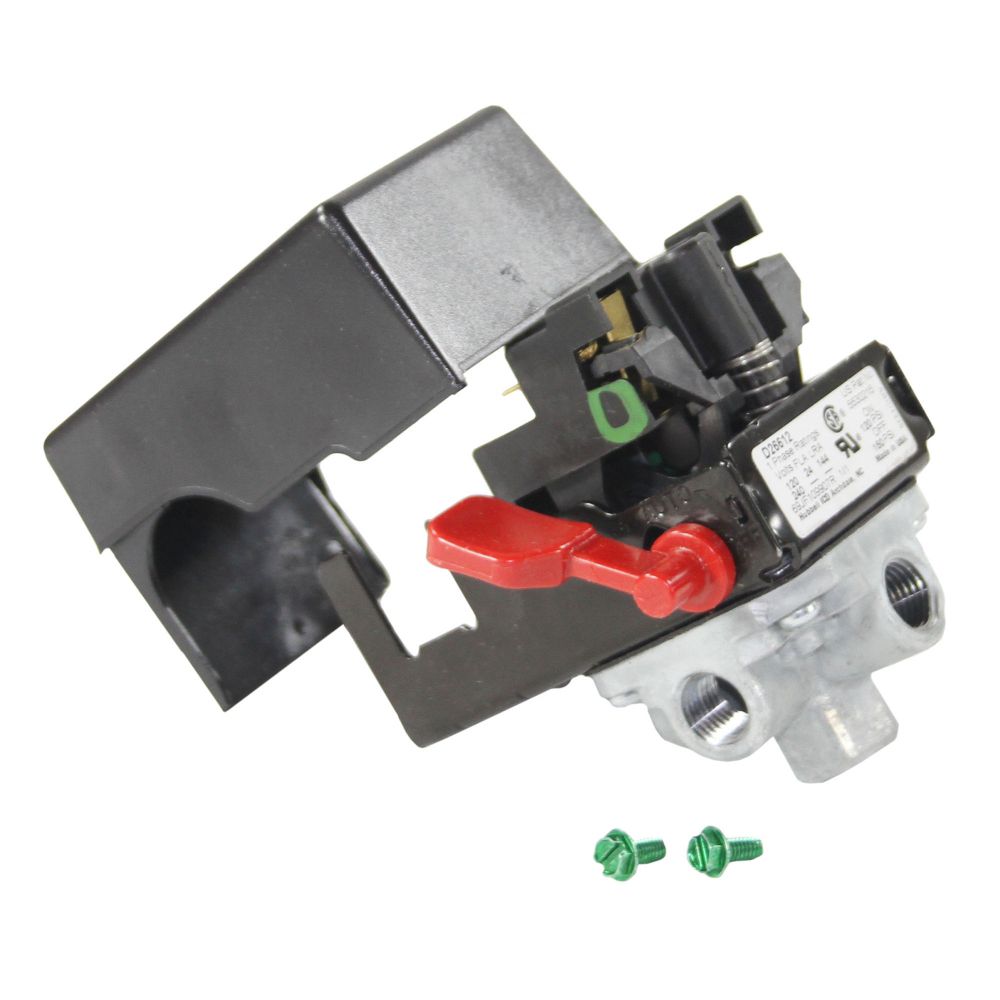
The pressure switch tells the compressor when to stop and start. When this goes bad, the motor might run non-stop or not run at all. I tested mine by listening for a “click” as I turned the switch. If you don’t hear anything, or if the switch is burned, it’s time to replace it.
Mistake to avoid: Don’t try to clean or repair the inside of the pressure switch unless you know what you’re doing. I tried and ended up breaking a tiny spring.
Worn Piston Rings Or Cylinder
If your compressor is older, the piston rings or cylinder might be worn out. This means air slips past the piston instead of going into the tank. I noticed my compressor was running louder and hotter than normal. When I took off the head, I saw scoring inside the cylinder and worn rings.
Fact: Replacing piston rings is possible, but for small compressors, it might be easier to replace the whole pump. I tried fixing mine, but the repair kit cost almost as much as a new unit.
Intake Valve Troubles
The intake valve lets air into the pump. If it’s dirty or damaged, very little air gets in. I took off the intake cover and found dust and old gasket material blocking the valve. After cleaning it with a toothbrush, the compressor’s pressure improved right away.
Non-obvious insight: Sometimes, a small piece of gasket can block the intake and you won’t see it unless you look closely.
Dirty Or Clogged Air Filter
The air filter sits on the intake side. If it’s clogged, your compressor can’t “breathe. ” I made this mistake once, thinking the filter didn’t matter much. When I pulled it out, it was black with dust and oil. A new filter cost a few dollars and made a big difference.
Tip: Clean or replace your air filter every few months, especially if you use your compressor in a dusty space.
Bad Gaskets Or Seals
Gaskets and seals keep air from leaking out of the pump. Over time, they can crack or shrink. I sprayed soapy water around the compressor head and saw bubbles forming at the gasket seam. The fix was a new gasket set.
After installing, the bubbles stopped and the pressure held steady.
Faulty Reed Valves
Reed valves control air flow in and out of the cylinder. If one is bent or broken, air goes the wrong way. I found a bent reed valve on my compressor after opening up the pump. Replacing it required some patience, but it made a huge improvement.
Example: If your compressor runs but only builds a little pressure, a reed valve might be leaking.
Loose Fittings Or Connectors
Sometimes, it’s as simple as a loose fitting. I went around with a wrench, tightening every connection. One hose fitting turned a full turn before it was snug. After that, I noticed less hissing and better pressure build-up.
Motor Problems
Last but not least, the motor itself can be weak or faulty. If the motor hums or gets hot but doesn’t spin fast enough, the compressor won’t build pressure. In my case, the capacitor on the motor was bad. Replacing the capacitor got the motor spinning at full speed again.
Fact: Electrical problems are less common than leaks or valve issues but do happen, especially with older units.

How I Diagnosed My Craftsman Compressor
Here’s a simple process I use now whenever my compressor acts up. This step-by-step method saves time and avoids guessing.
- Turn off and unplug the compressor.
- Drain the tank and let all pressure out.
- Check for leaks with soapy water.
- Inspect the air filter and intake.
- Test the check valve and replace if needed.
- Listen to the motor for unusual sounds.
- Check all fittings and hoses for tightness.
- Examine the pressure switch for clicking or burning.
- Open the pump (if comfortable) to check rings, valves, gaskets.
- Test the motor capacitor if the motor is weak.
By following these steps, I can usually find the problem in less than an hour.
Replacement Parts: What To Look For
When I needed parts, I learned that not all Craftsman compressors use the same components. Always write down your model number before shopping. Here’s a quick reference for common parts:
| Part | Common Issue | How to Check |
|---|---|---|
| Check Valve | Stuck or leaky | Air flows backward |
| Pressure Switch | Won’t click or stuck on/off | No “click” sound |
| Piston Rings | Low compression | Scoring or wear inside cylinder |
| Reed Valves | Bent or broken | Visible damage |
| Air Filter | Clogged or dirty | Looks dark or clogged |
Craftsman Air Compressor Models And Their Weak Points
I’ve owned two different Craftsman compressors. Each had its own quirks. Here’s what I found:
| Model | Weak Point | Repair Difficulty |
|---|---|---|
| 919 Series (Oil-free) | Reed valves, gaskets | Medium |
| 921 Series (Oil-lube) | Piston rings, check valve | Hard |
| CMEC6150 (6-gallon pancake) | Pressure switch, filter | Easy |
Knowing your model’s weak points can save you time when troubleshooting.
When To Call A Professional
I love fixing things myself. But sometimes, it’s smarter to call a pro. Here are a few signs:
- Burning smell from the motor
- Loud grinding noises inside the pump
- Repeated blown fuses or tripped breakers
- Broken tank (never try to weld or repair a tank yourself)
Safety comes first. Some repairs, especially on the electrical side, can be risky.
Avoiding Future Problems
After fixing my compressor, I started a simple maintenance routine:
- Drain the tank after every use to remove water
- Clean the air filter monthly
- Check for leaks every few months
- Run the compressor at least once a month, even if not needed
These steps keep my compressor running strong and avoid those “won’t build pressure” moments.
Cost Of Diy Repairs Vs. Buying New
I kept track of what I spent fixing my compressor, versus the cost of a new one:
| Repair | Cost | Time |
|---|---|---|
| Check valve | $15 | 30 min |
| Pressure switch | $25 | 45 min |
| Gasket set | $20 | 1 hour |
| New compressor (6 gal) | $150+ | — |
For me, fixing small parts was cheaper and satisfying. But if your pump or motor is bad, sometimes a new compressor makes more sense.
My Best Advice For Craftsman Compressor Owners
Don’t panic if your Craftsman air compressor stops building pressure. Most problems are simple and fixable. Start with the basics—check for leaks, clean the filter, and listen for strange sounds. Never skip safety: always unplug and release pressure before working. If you get stuck, ask for help or visit a tool repair shop.
If you want more info, the official Craftsman website and manuals are a great help. For more on how air compressors work, check out this Wikipedia article on air compressors.
Frequently Asked Questions
Why Does My Craftsman Compressor Run But Not Build Pressure?
Usually, this means there’s a leak, a bad valve, or worn piston rings. Start by checking for air leaks and cleaning the air filter. If those are fine, inspect the check valve and intake valve.
How Do I Know If My Pressure Switch Is Bad?
A bad pressure switch won’t “click” on or off. Sometimes it gets stuck. You might also see burned contacts inside if you open it. If you’re unsure, it’s safer to replace it.
Can I Fix A Compressor Tank With A Leak?
No. Never try to weld or patch a tank leak. It’s dangerous because the tank could burst. Replace the whole tank or the compressor.
How Often Should I Change The Air Filter?
Change or clean the air filter every few months. If you use your compressor in a dusty area, check it more often. A dirty filter can stop your compressor from building pressure.
Is It Worth Repairing An Old Craftsman Compressor?
If the problem is small—like a valve or gasket—yes, it’s worth fixing. If the pump or motor is bad, sometimes it’s cheaper to buy a new one. Compare repair costs to the price of a new compressor before deciding.
If you’re having trouble, remember: you’re not alone. I’ve been there myself, and I know how annoying it can be. With a little patience and these steps, you can get your Craftsman air compressor back to work.
As an Amazon Associate, We earn from qualifying purchases