
Using a Kobalt pipe cutter can feel tricky if you’re trying it for the first time. I remember when I bought my first one. I had a project to replace a leaky copper pipe under the kitchen sink. I didn’t want to spend money on a plumber, so I decided to do it myself.
At first, I was nervous. The tool looked simple, but I was worried I’d mess up and ruin the pipe.
But after using my Kobalt pipe cutter a few times, I realized it’s actually quite easy once you know the steps. In this article, I’ll walk you through everything I’ve learned about using a Kobalt pipe cutter. I’ll share practical tips, common mistakes to avoid, and even a couple of things I wish I knew when I started.
By the end, you’ll feel confident enough to cut pipes like a pro—without fear or confusion.
What Is A Kobalt Pipe Cutter?
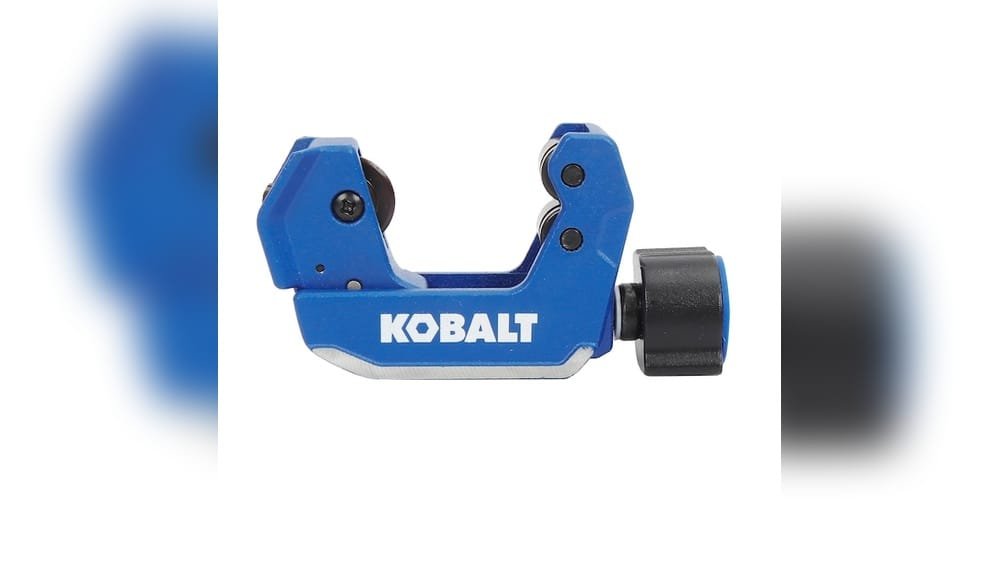
A Kobalt pipe cutter is a hand tool designed to cut through metal or plastic pipes. It’s most often used for copper, PVC, or PEX pipes. The tool looks like a small clamp with a sharp cutting wheel and two rollers.
You open it, fit it around the pipe, tighten the knob, and spin it around until the pipe is cut. I like it because it’s cleaner and easier than using a hacksaw. You get a straight cut, and there’s less mess.
Kobalt is a popular brand because their tools are solid, affordable, and easy to find at stores like Lowe’s. I’ve used other brands, but the Kobalt cutter feels sturdy in my hand, and the grip is comfortable—even when my hands are wet or dirty.
Types Of Kobalt Pipe Cutters
Not all pipe cutters are the same. Kobalt makes a few different types, and each has its own best use. Here’s a quick breakdown based on my experience:
| Type | Best For | Main Feature |
|---|---|---|
| Standard Tube Cutter | Copper, aluminum pipes | Manual operation, adjustable size |
| Mini Tube Cutter | Tight spaces, small pipes | Compact size |
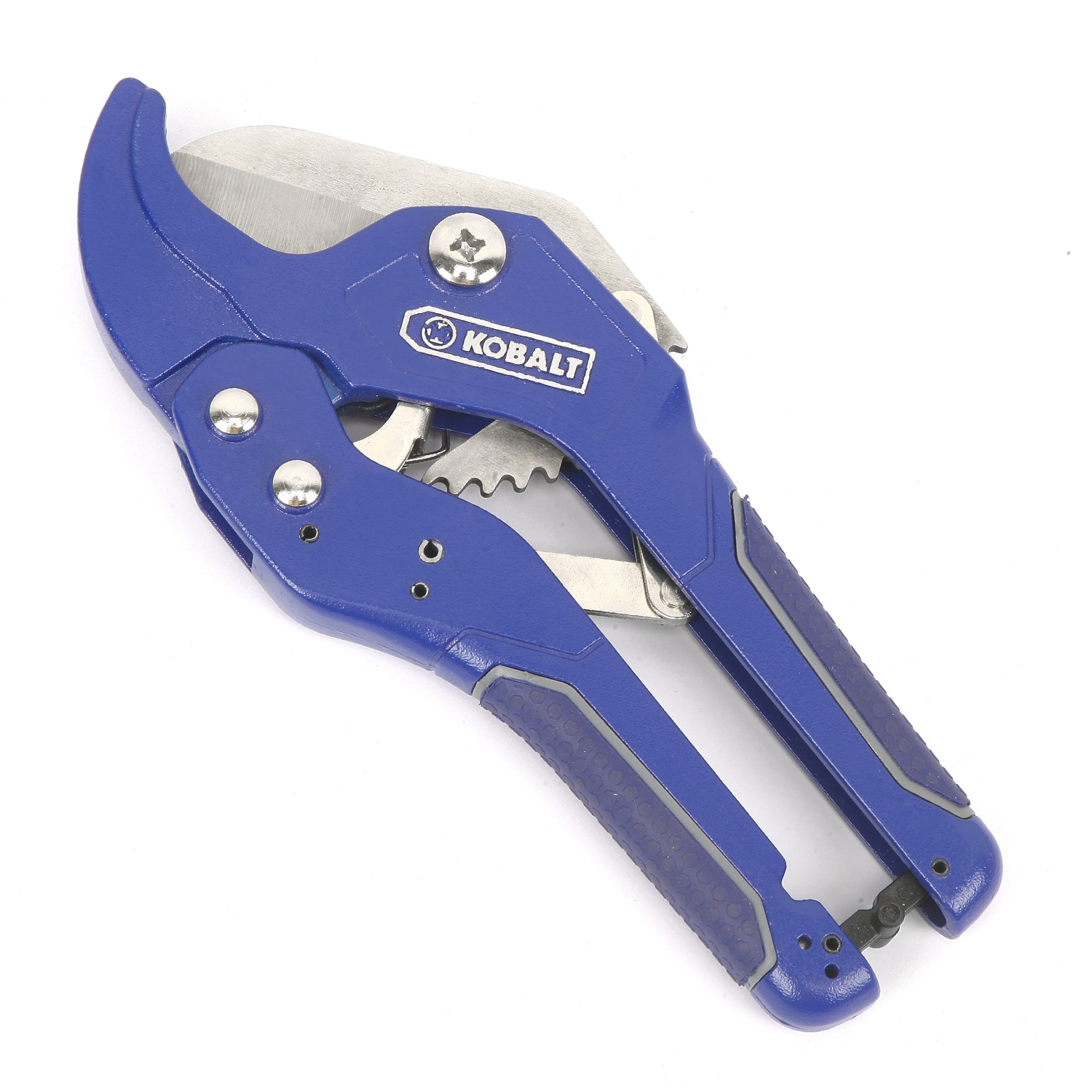
| PVC Pipe Cutter | PVC, CPVC, PEX pipes | Ratchet mechanism, easy squeeze |
I started with the standard tube cutter for copper pipes, but I bought the mini tube cutter later for repairs in cramped spots behind the washing machine. If you’re not sure which one you need, check the size and material of your pipes.
Essential Features To Know
When I was shopping for my first cutter, I didn’t realize some features make a big difference. Here are the ones I pay attention to now:
- Cutting Capacity: This tells you the pipe sizes the cutter can handle. Most Kobalt cutters list a range, like 1/8 inch to 1-1/8 inch. Make sure it matches your pipe.
- Material Compatibility: Some cutters are only for metal, some for plastic. Using the wrong one can break the tool or damage your pipe.
- Cutting Wheel Quality: A sharp, hard wheel gives smoother cuts. Dull wheels make rough edges.
- Ergonomic Grip: If you’re cutting a lot of pipes, a comfortable handle saves your hands.
- Extra Wheels or Reamer: Some Kobalt cutters come with a spare cutting wheel or a reamer to remove burrs. I always look for these, since they save time.
How To Use A Kobalt Pipe Cutter: My Step-by-step Process
I’ll walk you through the steps I follow every time I cut a pipe. Even if you’re new, this will help you avoid problems.
1. Gather Your Supplies
Before you start, have these items ready:
- Kobalt pipe cutter (right size for your pipe)
- Measuring tape
- Marker or pencil
- Safety gloves
- Pipe reamer or deburring tool (if your cutter doesn’t have one)
- Rag or towel
I learned the hard way that forgetting gloves or a reamer can make a simple job much harder.
2. Measure And Mark The Pipe
Use your measuring tape to measure the length you need to cut. Mark the spot with a marker or pencil. I like to double-check measurements. “Measure twice, cut once” saves you from wasting pipe.
3. Position The Cutter
Open the cutter by twisting the knob. Place the cutting wheel directly on your mark. Make sure the pipe sits snugly between the rollers and wheel. If it’s crooked, your cut will be uneven.
I once rushed this step and ended up with a slanted cut. That pipe didn’t fit well, and I had to start over.
4. Tighten The Cutter
Turn the knob to gently tighten the cutter around the pipe. Don’t over-tighten—you just want the wheel to touch the pipe. If you crank down too hard, you can dent or deform the pipe.
5. Rotate The Cutter
Hold the pipe steady and turn the cutter around it. After a full rotation, tighten the knob a little more. Keep spinning and tightening every turn or two. Let the cutter do the work. Don’t force it.
For copper pipes, I usually need 6–10 rotations before it cuts through. For plastic, it’s even faster.
6. Finish The Cut
You’ll feel the pipe give way, and the two pieces will separate. Stop tightening once you break through. If you keep twisting, you might damage the ends.
7. Deburr The Edges
The cut pipe will have a sharp edge, or burr. This can cause leaks or hurt your fingers. Use a deburring tool or the built-in reamer (some Kobalt cutters have this). Run it around the inside and outside of the pipe.
If you skip this step, fittings won’t seal well.
8. Clean Up
Wipe the pipe ends with a rag. Make sure there’s no metal dust or plastic shavings. Now you’re ready to install the new pipe or fitting.
Practical Tips I Wish I Knew Sooner
Here are a few things I wish someone told me before my first project:
- Start slow: You don’t need to rush. A gentle, steady hand gives the cleanest cut.
- Replace dull wheels: If you feel resistance or see rough edges, swap the cutting wheel. Kobalt sells replacements.
- Use the right cutter for the material: Don’t cut PVC with a metal-only cutter. You’ll ruin the wheel and the pipe.
- Keep the cutter clean: Wipe off metal shavings. Lubricate the knob if it feels stiff.
- Practice on scrap: Before cutting your actual pipe, try on a leftover piece. This builds your confidence.
Common Mistakes And How To Avoid Them
I’ve made my fair share of mistakes. Here are the biggest ones, and how you can avoid them:
- Over-tightening: This can crush copper pipes or crack plastic. Tighten just enough for the wheel to score the pipe.
- Cutting too close to fittings: Leave about an inch from elbows or couplings. Cutting too close makes it hard to fit new connectors.
- Skipping deburring: Rough edges can cut O-rings or cause leaks. Always smooth the ends after each cut.
- Not supporting the pipe: If the pipe moves, your cut will be crooked. Hold it steady or use a clamp.
- Using the wrong size cutter: Too large or too small, and it won’t grip well. Double-check before you start.

Comparing Kobalt Pipe Cutters To Other Brands
I’ve tried a few other brands. Here’s what I found when comparing Kobalt to Ridgid and Husky, two big names in pipe tools:
| Brand | Price Range | Build Quality | Ease of Use |
|---|---|---|---|
| Kobalt | Affordable | Sturdy, ergonomic | Beginner-friendly |
| Ridgid | Higher | Very durable | Professional feel |
| Husky | Mid-range | Decent quality | Simple design |
Kobalt’s cutters are usually a bit cheaper and easy to find. They’re strong enough for home projects and comfortable to hold. Ridgid is more expensive but feels like it would last forever. Husky is a middle ground. For most DIY jobs, Kobalt gives you the best balance of price and performance.
When To Use A Pipe Cutter Vs. A Saw
I used to think a hacksaw could do every job. But after using both, I learned there are times when a Kobalt pipe cutter is much better.
| Scenario | Pipe Cutter | Hacksaw |
|---|---|---|
| Clean, straight cuts | Yes | No (often jagged) |
| Small spaces | Yes | Difficult |
| Fast cutting | Yes | No (slower) |
| Thick steel pipes | No (not ideal) | Yes |
For most household pipes—copper, PVC, or PEX—a pipe cutter is easier and safer. I only use a hacksaw for extra-large or thick pipes.

Maintenance Tips For Your Kobalt Pipe Cutter
Taking care of your cutter keeps it working well. Here’s my maintenance routine:
- Clean after each use: Wipe off shavings and dust.
- Lubricate the knob and wheel: A drop of light oil keeps it smooth.
- Store in a dry place: Moisture causes rust.
- Check the cutting wheel: Replace if it’s dull or chipped.
- Tighten screws: If anything feels loose, fix it before the next job.
If you take care of your tool, it can last for years. My first Kobalt cutter is still going strong after dozens of projects.
Safety Advice
Don’t forget safety. Even though pipe cutters seem harmless, I’ve had a few close calls:
- Wear gloves: Pipes have sharp edges, and the cutting wheel is very hard.
- Keep your hands clear: When tightening or spinning the cutter, watch your fingers.
- Work slowly: Rushing increases the chance of slipping or cutting yourself.
- Wear eye protection: Especially when cutting metal, small shavings can fly off.
One time, I skipped gloves and ended up with a nasty cut from a copper burr. It wasn’t fun. Now I never skip safety.
Real-life Example: My Kitchen Sink Repair
Let me share a quick story. I had a leaky copper pipe under my kitchen sink. It was only a drip, but it annoyed me every time I did dishes. I shut off the water, measured the pipe, and marked it.
I used my Kobalt cutter, spinning it around the pipe about eight times. The cut was clean and fast.
I deburred the edges, wiped it clean, and installed a new fitting. No leaks since. That small tool saved me at least $150 in plumber fees. And it gave me a sense of pride, knowing I fixed it myself.
Where To Get More Help
If you’re stuck or want to see the tool in action, there are great tutorials online. The Lowe’s website has videos and guides for all Kobalt tools. Don’t be afraid to ask at your local hardware store, too. Staff there often have great advice.
Frequently Asked Questions
How Do I Know If My Kobalt Pipe Cutter Is Sharp Enough?
If the cutter slices through the pipe with little effort and leaves a smooth edge, it’s sharp. If you have to push hard or see rough, jagged ends, the wheel might be dull.
Can I Use A Kobalt Pipe Cutter On Steel Pipes?
Most Kobalt pipe cutters are made for copper, aluminum, or plastic pipes. Thick steel pipes can damage the cutting wheel. Check your cutter’s manual before trying.
What Size Pipes Can Kobalt Pipe Cutters Handle?
Standard Kobalt cutters usually cut pipes from 1/8 inch to 1-1/8 inch. Mini cutters handle smaller sizes, and PVC cutters vary. Always check the tool’s specs.
Do I Need To Deburr After Every Cut?
Yes. Deburring removes sharp edges and helps fittings seal better. Skipping this step can cause leaks or even injury.
What’s The Biggest Mistake Beginners Make With Pipe Cutters?
Most beginners over-tighten the cutter. This can crush or deform the pipe. Tighten just enough to score the pipe, then turn and tighten slowly.
Using a Kobalt pipe cutter isn’t hard once you know the process. With a little practice and care, you’ll get clean, straight cuts every time. If you’re like me, you’ll start finding all sorts of DIY jobs to tackle—saving money and feeling proud of your work.
As an Amazon Associate, We earn from qualifying purchases