
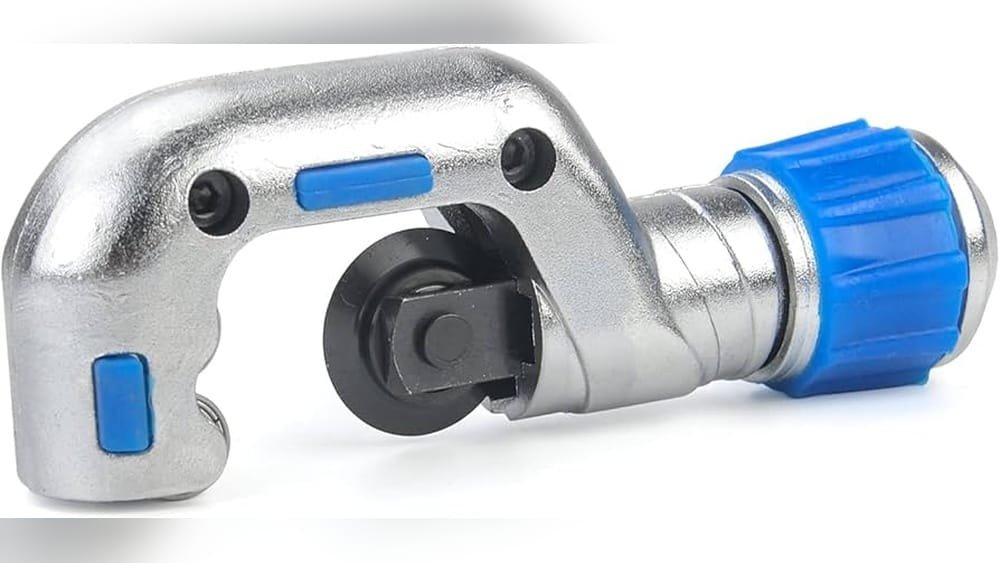
I remember the first time I tried to cut CSST (Corrugated Stainless Steel Tubing). I was in my garage, surrounded by tools, and staring at a shiny coil of gas line. My copper pipe cutter was right there, and I thought, “Why not use it?” After all, both copper and stainless steel are metals. How different could they be? If you’ve ever wondered the same thing, you’re not alone. Let me walk you through what I learned, what worked, what didn’t, and what you need to know before you reach for that cutter.
What Is Csst And Why People Use It
CSST is a flexible, corrugated stainless steel pipe used for gas lines. It’s much easier to snake through walls and tight spaces than traditional black iron pipe. If you’ve ever tried to retrofit gas lines in an old house, you know how valuable flexibility is. CSST bends around corners and cuts installation time in half.
But there’s a catch: CSST is not copper. It’s made for gas, not water. The tubing has a thin wall and a special yellow or black jacket to prevent damage. That makes it different from copper pipes in both feel and strength.
Many homeowners and even some pros think, “A pipe cutter is a pipe cutter. ” But is that true with CSST?
Copper Pipe Cutters: How They Work
I’ve used copper pipe cutters for years. They’re simple tools. You clamp the cutter around the pipe, spin it, and tighten the knob as you go. The cutting wheel scores the pipe deeper with each turn until it snaps off clean.
Copper pipe is soft and easy to cut. Even older copper lines don’t put up much of a fight. The cutter gives a smooth, even edge. That’s important for plumbing, because rough edges can damage seals and fittings.
But stainless steel – especially corrugated stainless steel – is another story.
My First Attempt: Using A Copper Pipe Cutter On Csst
I decided to try my copper cutter on a piece of CSST. Right away, I noticed something: the cutter struggled. The wheel didn’t bite as easily. I had to turn the knob tighter than usual. As I spun the cutter, the CSST started to flatten a bit. The soft yellow jacket bunched up, and the corrugated ridges made the cut uneven.
When I finally got through, the edge was jagged. The cut pushed some of the steel inward, narrowing the opening. I realized that this would be a problem for the fitting. CSST needs a clean edge to seal well. A rough cut could cause a gas leak – not something you want to risk.
Why Csst Is Harder To Cut With A Copper Pipe Cutter
Here’s what I learned:
- Material Difference: Copper is soft. Stainless steel is much harder. The wheel on a copper cutter can get dull fast on CSST.
- Shape: CSST is corrugated, not smooth. The cutter wheel jumps over the ridges, making the cut uneven.
- Jacket: The plastic jacket gets pinched and twisted during the cut.
In short, a copper pipe cutter is not made for CSST. The cut is rough, and the pipe can get crushed. I found that the fittings would not slide on easily after my first try. I even had trouble getting a gas-tight seal.

What The Experts Say
I called my local plumbing supply shop and asked about cutting CSST. The guy on the phone, who had decades of experience, laughed when I mentioned the copper cutter. “Get a good CSST cutter or use a hacksaw,” he said. “Otherwise, you’ll end up with leaks.”
He explained that CSST manufacturers often require a special cutter. Some brands sell their own tools. These cutters have a different wheel angle and are designed for the corrugated shape. They make a clean cut without smashing the tubing.
I did some more research online. The major CSST brands all say to use the right tool. Using the wrong cutter can void your warranty and cause safety problems.
Comparing Cutting Tools: Copper Cutter Vs. Csst Cutter Vs. Hacksaw
After my failed attempt, I wanted to see the difference with other tools. Here’s what I found after testing three common options:
| Tool | Cut Quality | Ease of Use | Pipe Damage Risk | Best For |
|---|---|---|---|---|
| Copper Pipe Cutter | Poor (jagged, uneven) | Hard (wheel slips) | High (crushing, jacket damage) | Copper pipe only |
| CSST Cutter | Excellent (clean, straight) | Easy (made for CSST) | Low | CSST gas lines |
| Hacksaw | Good (if careful) | Medium (slow, needs steady hand) | Medium (possible burrs) | CSST (if no cutter) |
So, can you cut CSST with a copper pipe cutter? Technically, yes. But should you? Based on my experience, it’s not a good idea.

What Happens If You Use The Wrong Tool
When I tried using the copper cutter, I noticed several problems right away:
- The CSST flattened, making it hard to fit connectors.
- The cut edge was rough and had sharp burrs.
- The yellow jacket twisted and tore.
- The pipe opening got smaller, which can block gas flow.
Most importantly, a rough or crushed cut can lead to gas leaks. That’s dangerous. Gas leaks can cause fires or explosions. Even a small leak is a big problem.
Some people try to fix a rough cut by filing the edge or using pliers to round it out. But that can weaken the pipe or damage the jacket even more. I found it’s not worth the risk.
Why Clean Cuts Matter For Csst
With CSST, the end of the pipe needs to be:
- Round and smooth
- Free of burrs or sharp edges
- Jacket trimmed back cleanly
Most CSST fittings use a compression seal. That means a special ring or gasket presses against the pipe. If the edge is rough, the seal can fail. Even a tiny gap can let gas escape.
I tried putting a fitting on my rough-cut CSST. It didn’t sit right. When I checked for leaks with soapy water, bubbles formed right away. That scared me. I realized I was lucky to catch it before turning on the gas.
My Advice: Use The Right Tool
If you’re working with CSST, get a proper CSST cutter. They cost a bit more, but they pay for themselves by making safe, clean cuts. If you don’t have a CSST cutter, a fine-tooth hacksaw will work, but go slow. Use a fresh blade and take your time.
After cutting, always:
- Trim back the jacket about 1/2 inch from the end.
- Remove any burrs with a small file or deburring tool.
- Check that the end is round and smooth.
- Test the fitting for leaks after assembly.
I learned the hard way: Don’t try to save time or money by using the wrong tool. Gas line work is no place to cut corners.
Csst Cutter Vs. Hacksaw: My Experience
I bought a CSST cutting tool from the hardware store. It looked a lot like a copper cutter, but the wheel was sharper and set at a different angle. The first cut was a breeze. No crushing, no torn jacket. The fitting slid on easily and sealed tight.
For one section, I used a fine-tooth hacksaw. It worked, but I had to hold the pipe steady and cut slowly. Afterward, I used a small file to clean up the edge. It took more time and effort, but the result was better than the copper cutter.
Here’s a quick comparison from my own hands-on test:
| Feature | CSST Cutter | Hacksaw |
|---|---|---|
| Cut Speed | Fast (5-10 sec) | Medium (30-60 sec) |
| Cut Quality | Very clean | Clean if careful |
| Risk of Crushing | Low | Low |
| Extra Clean-Up Needed | Minimal | File burrs required |
Safety Tips When Cutting Csst
From my own mistakes, I can’t stress safety enough. Here’s what I always do now:
- Turn off the gas before working. Even a small leak can be deadly.
- Wear gloves. The cut edges can be razor-sharp.
- Use eye protection. Small bits of metal can fly when cutting or filing.
- Work in a well-ventilated space. Don’t cut CSST near open flames.
- Test for leaks after installation. I use soapy water and watch for bubbles.
And one more tip: Always check your local codes. Some places only allow licensed pros to install gas lines. Don’t take risks with gas.
Common Mistakes I Made (and How To Avoid Them)
I wish someone had told me these when I started:
- Cutting too fast: With CSST, slow and steady wins. Rushing causes jagged edges.
- Not trimming the jacket: The plastic can get caught in the fitting and cause leaks.
- Using dull tools: A sharp blade or wheel is key for a clean cut.
- Not deburring: Even a small burr can ruin the seal.
Now, I always double-check my work before calling it done.
When To Call A Professional
There’s no shame in calling for help. If you’re not sure, or if the job involves multiple connections, get a licensed plumber or gas fitter. I tried doing it all myself at first, but for complex jobs, I call a pro now.
It’s safer, and peace of mind is worth it.
Summary: Can You Cut Csst With A Copper Pipe Cutter?
After trying it myself, I don’t recommend it. A copper pipe cutter might get through CSST, but it leaves a rough, uneven edge and can crush the pipe. That can lead to gas leaks, failed inspections, and even danger. A proper CSST cutter or a fine-tooth hacksaw is the way to go. Take your time, follow safety steps, and never rush gas line work.
If you want more details on CSST and safe installation tips, the official CSST industry site has great resources.

Frequently Asked Questions
Can I Use A Copper Pipe Cutter On Csst In An Emergency?
I wouldn’t recommend it, even in a pinch. The cut will likely be rough and might crush the pipe. If you have no other tool, use a fine-tooth hacksaw and clean up the edge well.
What’s The Best Tool For Cutting Csst?
The best tool is a CSST cutter made for corrugated stainless steel. It gives a clean, round cut that works well with CSST fittings.
Do I Need To Trim The Yellow Jacket After Cutting Csst?
Yes, you should always trim the jacket back about 1/2 inch from the end. This prevents it from interfering with the fitting and ensures a good seal.
Are There Any Safety Risks With Cutting Csst?
Yes, sharp edges can cut your hands, and a bad cut can cause gas leaks. Always wear gloves, use the right tool, and test for leaks after installation.
Can I Use A Regular Pipe Cutter For All Types Of Pipes?
No, not all pipe cutters are the same. Use the tool made for the type of pipe you’re cutting. For CSST, use a CSST cutter. For copper, use a copper pipe cutter. For PVC, use a plastic pipe cutter. This keeps your cuts clean and your connections safe.
If you’re ever unsure, ask a pro or your local building department. It’s always better to be safe when working with gas lines.
As an Amazon Associate, We earn from qualifying purchases