
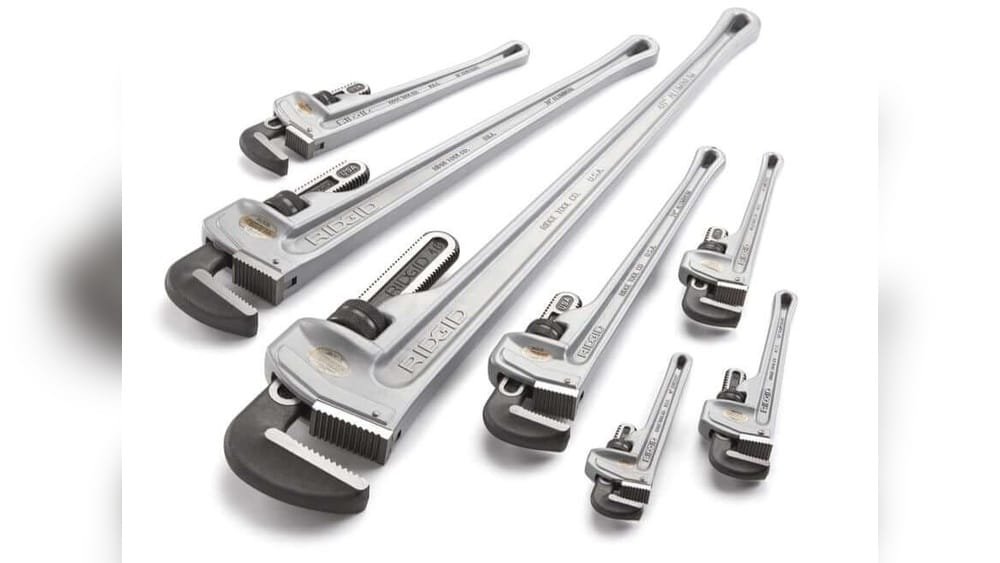
If you’ve ever worked with pipes, you know that choosing the right pipe wrench is not always as simple as it sounds. I remember the first time I tried to fit a wrench to a 4-inch pipe. I thought, “Bigger pipe?
Just grab the biggest wrench!” But I soon found out that there’s more to it than size alone. Today, I want to share what I learned—so you don’t have to make the same mistakes I did.
Why The Right Pipe Wrench Size Matters
When I started my plumbing projects, I didn’t think much about using the right pipe wrench. I figured, as long as it fits, it works. But I quickly learned that using the wrong size can lead to problems. A wrench that’s too small won’t grip well and might even slip. One that’s too large gets heavy and hard to control. Worse, using the wrong wrench can damage both the pipe and the tool.
With a 4-inch pipe, these issues get bigger. Four-inch pipes are heavy. They need a firm grip but also careful handling. Picking the right size wrench is about safety, efficiency, and protecting your tools.
What Is A 4-inch Pipe?
Before I get into the wrench sizes, let’s talk about what a 4-inch pipe really is. The “4-inch” refers to the pipe’s nominal diameter. That’s the inside measurement, not the outside. These pipes are common in drainage, main water lines, and some industrial uses. They’re big and heavy, often made from steel, cast iron, or PVC.
I remember carrying a section of 4-inch steel pipe up some stairs. It felt like lifting a log! Trust me, you want the right tools for the job.

How Pipe Wrenches Are Sized
I used to think a 24-inch wrench was always for a 24-inch pipe. Nope! Pipe wrench size is the length of the tool, not the pipe. A longer wrench gives more leverage, but that doesn’t mean you should always use the biggest one.
Every wrench size has a “pipe capacity. ” That’s the biggest pipe it can grip and turn safely. For a 4-inch pipe, not all wrenches will work well—even if they fit around the pipe. You want the wrench to grip easily, open wide enough, and give you enough leverage.
The 4 Best Pipe Wrench Sizes For A 4-inch Pipe
After many jobs and some sore hands, I found there are four main wrench sizes for 4-inch pipes. Each one has pros and cons. I’ve used all of them, so I’ll break down how they feel in real life.
1. 18-inch Pipe Wrench
An 18-inch pipe wrench is the smallest I’d ever use on a 4-inch pipe. If you’re working in tight spaces, this can be handy. The jaws just barely fit around a 4-inch pipe. But I found that you have to squeeze hard to keep it from slipping.
I once tried to loosen a rusty 4-inch joint with an 18-inch wrench. My hands hurt, and I didn’t get much movement. For light duty or PVC, it can work. But for heavy steel pipes, it’s often not enough.
Key points:
- Good for tight spots
- Light and easy to handle
- Not much leverage for stuck pipes
When to use: If the pipe is clean, not stuck, and you can’t fit a bigger wrench.
2. 24-inch Pipe Wrench
The 24-inch pipe wrench is what I grab most often for 4-inch pipes. It feels balanced. The jaws open wide enough to fit the pipe, and you get enough leverage to loosen or tighten most connections.
I remember a time when I was installing a new water main. The 24-inch wrench made quick work of the couplings. It wasn’t too heavy, and I didn’t have to fight for grip. For most people, this is the “sweet spot.
”
Key points:
- Great balance of power and control
- Fits 4-inch pipes with room to spare
- Not too heavy for most users
When to use: For most jobs with 4-inch pipes, especially if you’re working alone.
3. 36-inch Pipe Wrench
A 36-inch pipe wrench is a beast. I used one on a big cast-iron sewer pipe, and wow, it made the job easier. The long handle gave me lots of power. I barely had to pull to break the joint free.
But there’s a catch. These wrenches are heavy. If you’re working above your head or in a tight crawlspace, it’s tough to control. I only use a 36-inch when I know the pipe is stuck or if I need extra leverage.
Key points:
- Tons of leverage for tough jobs
- Very heavy and long
- Hard to use in small spaces
When to use: When the pipe is rusted, stuck, or you need lots of torque.
4. 48-inch Pipe Wrench
The 48-inch pipe wrench is the biggest I’ve ever used on a 4-inch pipe. Honestly, it’s overkill for most jobs. It’s huge, heavy, and takes two hands. But for really stubborn pipes—like old, corroded joints—it’s a lifesaver.
I helped a friend replace some ancient water lines in an old building. Nothing would budge until we brought out the 48-inch wrench. With two people, we finally got the joint loose. But unless you’re working with big, rusty pipes, you probably won’t need a wrench this large.
Key points:
- Maximum leverage, for the toughest jobs
- Very heavy, needs two hands (sometimes two people)
- Only for the most stubborn pipes
When to use: When all else fails and nothing smaller works.
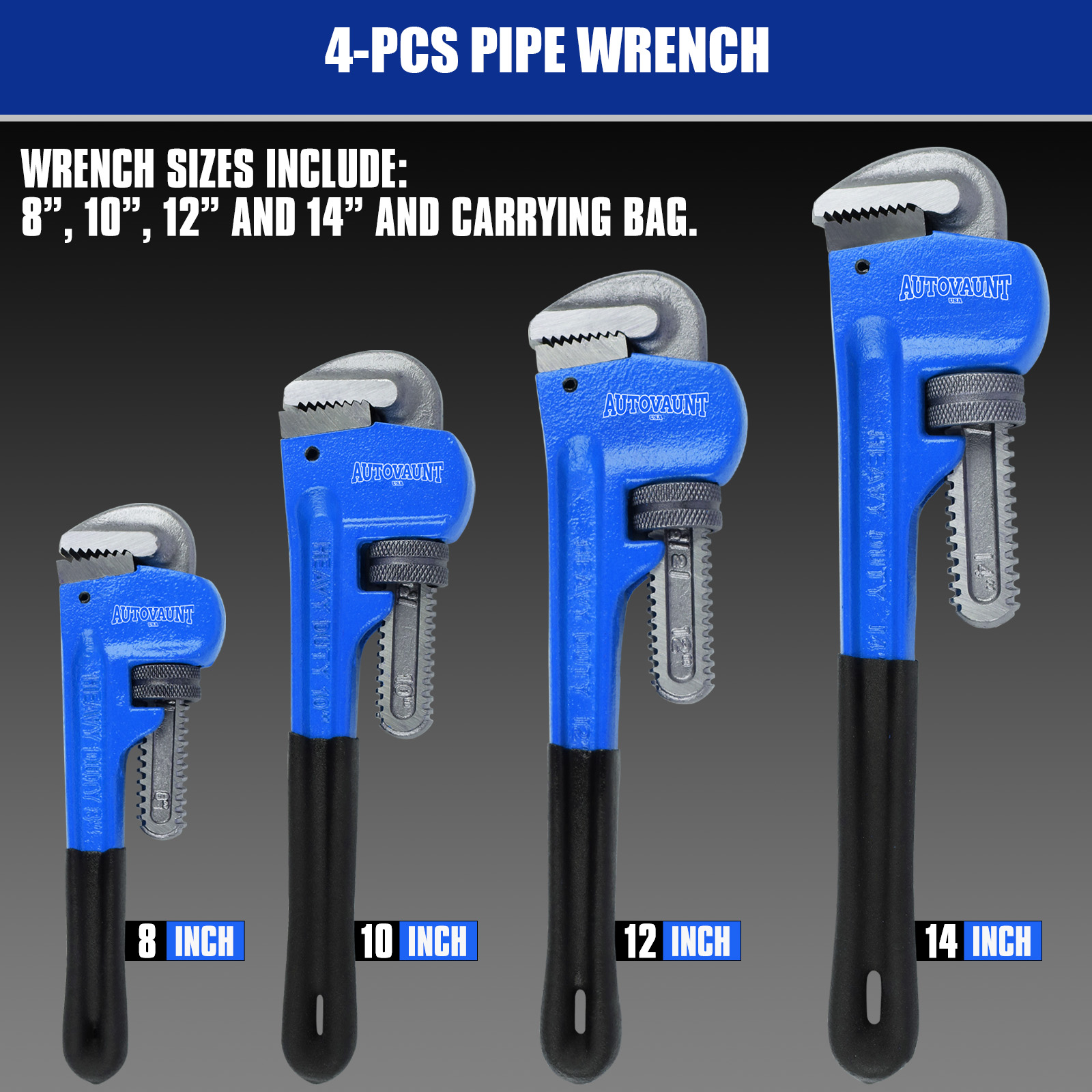
Pipe Wrench Size Comparison For 4-inch Pipe
To make it easy to see how these wrenches compare, here’s a quick look:
| Wrench Size | Typical Pipe Capacity | Best Use Case |
|---|---|---|
| 18-inch | Up to 2.5-inch (max 4-inch with care) | Tight spaces, light duty |
| 24-inch | Up to 3-inch (max 4.5-inch) | General use on 4-inch pipe |
| 36-inch | Up to 5-inch | Stuck or heavy-duty pipes |
| 48-inch | Up to 6-inch | Very tough jobs, large pipes |
How I Choose Which Wrench To Use
After years of trial and error, here’s my thought process:
- Space: Can I swing a big wrench? If not, I use the smallest that fits.
- Pipe Condition: If the pipe is old or rusty, I go bigger for more leverage.
- Strength: The bigger the wrench, the heavier. If I’m working alone or overhead, I use a 24-inch.
- Job Length: For long jobs, lighter wrenches save my arms and back.
It’s not always about using the largest tool. Sometimes, using a smaller wrench twice takes less effort than fighting with a giant one.
Common Mistakes To Avoid
I’ve made plenty of mistakes, and I hope you can learn from them.
- Using Too Small a Wrench: I once cracked a wrench jaw because I forced it on a pipe that was too big. Always check the wrench’s pipe capacity.
- Overtightening: More leverage means more power, but pipes can break. I overtightened a PVC fitting once, and it split.
- Wrong Jaw Angle: Make sure the jaws are square on the pipe. If not, the wrench will slip and can damage the pipe.
- Ignoring Weight: A heavy wrench sounds good, but it gets tiring fast. I’ve dropped a wrench on my foot more than once!
Steel Vs. Aluminum Pipe Wrenches
Not all pipe wrenches are made the same. Most people start with steel wrenches—they’re strong and last a lifetime. But they’re heavy. I bought my first aluminum wrench a few years ago, and it changed everything. Same strength, but much lighter.
Here’s a quick side-by-side:
| Material | Weight | Durability | Cost |
|---|---|---|---|
| Steel | Heavy | Very high | Lower |
| Aluminum | Light | High | Higher |
For long jobs or overhead work, I always use aluminum now. My back thanks me!
How To Use A Pipe Wrench Safely
I learned the hard way that using a pipe wrench wrong can hurt you or ruin your pipe. Here’s what works for me:
- Set the jaws tight: Adjust the wrench so the jaws fit snugly on the pipe.
- Pull, don’t push: Always pull the wrench toward you. If it slips, you won’t fall forward.
- Use two wrenches for couplings: One holds, one turns. This stops the pipe from twisting.
- Keep the wrench clean: Dirt and oil make the wrench slip. I wipe mine after every job.
- Don’t use a pipe for extra leverage: I once slid a pipe over the wrench handle for more torque. Bad idea! It bent the handle.
Real-world Example: Unsticking A 4-inch Joint
One time, I was called to fix a leaking 4-inch steel pipe in a basement. The joint hadn’t moved in 20 years. My 24-inch wrench didn’t budge it. I switched to the 36-inch, and after a few tries, it popped loose.
If I had started with the 36-inch, I’d have saved time and sweat.
This job taught me that being ready with the right wrench size can make or break your day.
Other Tools That Help
Sometimes, a pipe wrench alone isn’t enough. For big or stuck pipes, I use:
- Penetrating oil: Loosens rust.
- Pipe chain wrench: Works where standard wrenches can’t fit.
- Strap wrench: Good for delicate pipes like PVC.
- Extension handles: Some brands sell safe handle extenders.
These tools, combined with the right wrench size, make tough jobs easier.
Pipe Wrench Brand Choices
You might wonder if brand matters. In my experience, top brands like RIDGID or Bahco last longer and grip better. Cheaper brands sometimes slip or the teeth wear out fast. Spend a bit more, and your hands will thank you!
Quick Reference: Which Wrench For Which Pipe?
I made this cheat sheet for my own toolbox. Hope it helps!
| Pipe Size | Best Wrench Size | Backup Size |
|---|---|---|
| 2-inch | 14-inch | 18-inch |
| 3-inch | 18-inch | 24-inch |
| 4-inch | 24-inch | 36-inch |
| 6-inch | 36-inch | 48-inch |
Where To Learn More
I picked up a lot from other plumbers and from reading trustworthy guides, like those on the Wikipedia Pipe Wrench page. If you want to dive deeper, that’s a solid place to start.

Frequently Asked Questions
What Is The Ideal Pipe Wrench Size For A 4-inch Pipe?
Most of the time, a 24-inch pipe wrench is the best choice for a 4-inch pipe. It gives you enough leverage without being too heavy.
Can I Use An 18-inch Wrench On A 4-inch Pipe?
You can, but it’s not ideal. The grip is weaker and it’s harder to turn stubborn pipes. Use it only if space is very tight.
Is A 36-inch Pipe Wrench Too Big For A 4-inch Pipe?
A 36-inch wrench works well for old or stuck pipes. It’s heavier, but the extra leverage helps with tough jobs.
Does Material Matter—steel Or Aluminum?
Yes. Aluminum wrenches are lighter and easier to use for long periods. Steel wrenches are stronger and often cheaper.
What If The Pipe Is Plastic, Not Steel?
Be careful. For PVC or plastic pipes, use less force. A strap wrench or a well-adjusted pipe wrench works best, so you don’t crack the pipe.
Picking the right pipe wrench size for a 4-inch pipe isn’t guesswork—it’s about using the right tool for your job, your strength, and the pipe’s condition. I hope my experience saves you time, effort, and maybe even a sore hand or two.
Good luck on your next project!
As an Amazon Associate, We earn from qualifying purchases