
Have you ever stood there with a heavy pipe wrench in your hand, looking at a stuck pipe fitting, and wondered, “Which way do I actually turn this thing? ” I’ve been there more times than I care to admit.
The first time I picked up a pipe wrench, I twisted in the wrong direction, scraped my knuckles, and barely got the job done. It’s one of those tools that seems simple, but there are some tricks to using it right.
Over the years, I’ve learned a lot about using a pipe wrench, which way to turn it, and a bunch of things that can make your life easier (or harder!) When you’re working with pipes.
If you’re just starting out or you’re not sure which way to turn a pipe wrench, you’re in the right place. Let me walk you through everything I wish I knew from the start. I’ll share stories, tips, and some mistakes I made so you can avoid them.
By the end, you’ll know exactly how to use a pipe wrench with confidence.
Getting To Know The Pipe Wrench
Before we get into which way to turn it, let’s talk about what a pipe wrench actually is and why it’s different from other wrenches. A pipe wrench is designed for gripping and turning pipes. It has serrated jaws that bite into the metal.
The big difference is that the jaws are angled and one of them moves, making it self-tightening.
I remember the first time I tried to use an adjustable wrench instead of a pipe wrench on a stubborn pipe. It kept slipping and rounded off the pipe. When I finally bought a pipe wrench, it was a game-changer.
The grip is much stronger, and it’s made for round surfaces.
Which Way To Turn A Pipe Wrench
Now, let’s answer the big question. Which way do you turn a pipe wrench? The answer depends on what you’re trying to do: loosen or tighten the pipe.
Here’s the simple rule I always use: Righty tighty, lefty loosey. But with a pipe wrench, there’s a little twist (no pun intended).
- To tighten a pipe or fitting, you turn the wrench to the right (clockwise).
- To loosen a pipe or fitting, you turn the wrench to the left (counterclockwise).
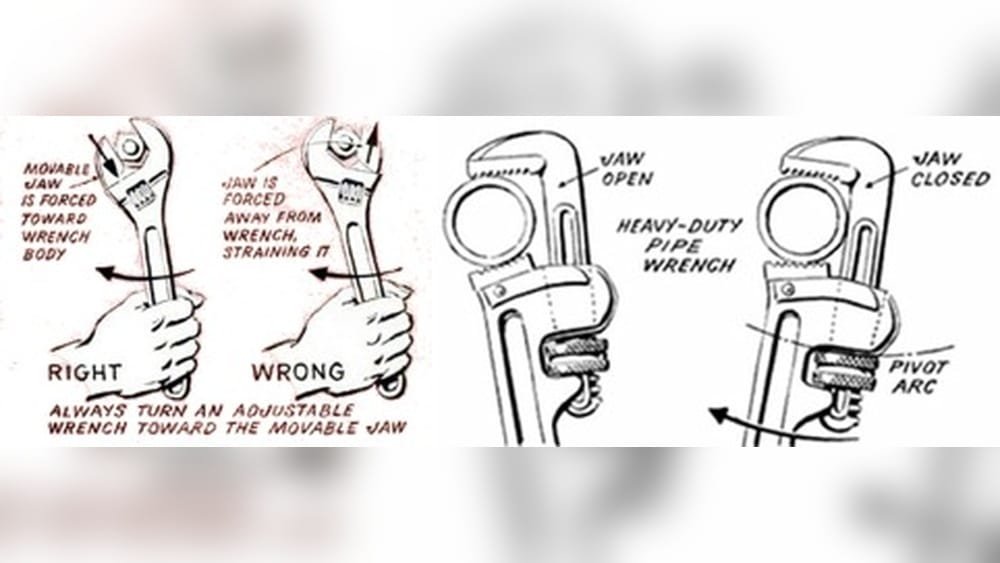
But there’s more. The way you hold the pipe wrench matters a lot. The jaws should always face the direction you want to turn. The movable jaw goes on top, and the fixed jaw goes on the bottom. When you pull the handle, the jaws grip tighter.
I once tried to use the wrench with the jaws facing the wrong way. It slipped off and nearly hit my foot. After that, I always double-checked the jaw direction before pulling hard.
How The Pipe Wrench Works
It helps to know how the pipe wrench actually works. The jaws are set at an angle. When you apply force, the teeth dig into the pipe. The more you pull, the tighter it gets. This is why it’s called a “self-tightening” tool.
But if you turn it the wrong way, it just slips.
If you’re not sure, look at the jaws. The teeth should “bite” into the pipe as you pull the handle. If they don’t, flip the wrench around.
Here’s a quick comparison to help you remember:
| Action | Turn Direction | Wrench Jaw Position |
|---|---|---|
| Tighten | Right (Clockwise) | Movable jaw on top, facing right |
| Loosen | Left (Counterclockwise) | Movable jaw on top, facing left |
This table is basically what I run through in my head every time.
Common Mistakes When Using A Pipe Wrench
If I could go back and talk to myself the first time I picked up a pipe wrench, I’d warn myself about some common mistakes. Here are the ones I see most:
- Holding the wrench backwards. If the teeth aren’t biting, you’re holding it wrong. I’ve done this more than once.
- Over-tightening the jaws. You want the wrench snug, but not so tight that you crush the pipe. If you squeeze too much, you might damage soft pipes.
- Using the wrong size wrench. Pipe wrenches come in many sizes. If your wrench is too small, you’ll have to use too much force. If it’s too big, it’s hard to control.
- Pulling, not pushing. Always pull the wrench toward you, not away. Pushing is less safe and less effective.
- Not using two wrenches. For threaded pipes, sometimes you need one wrench to hold the pipe steady and another to turn the fitting. This keeps both sides from twisting.
- Not checking for left-handed threads. Most pipes use right-handed threads, but gas lines and old systems sometimes use left-handed threads. I once spent 10 minutes turning the wrong way before I realized this.
These mistakes cost me time and frustration. If you keep these in mind, you’ll already be ahead.
Choosing The Right Pipe Wrench
Picking the right wrench for the job makes everything easier. I didn’t know this at first, so I tried to use the same wrench for every job. That got me into trouble a few times.
Here’s what matters most:
- Wrench size: Pipe wrenches come in sizes from 8 inches to 48 inches or more. For home plumbing, 14-inch or 18-inch is usually enough.
- Jaw width: Match the jaw width to the pipe. The pipe should fit deep into the jaws, but not so deep that it slips.
- Material: Cast iron is strong but heavy. Aluminum wrenches are lighter but cost more. I like aluminum for overhead work.
- Handle grip: Some wrenches have rubber grips. These are easier on your hands, especially if you’re working for a long time.
Here’s a quick look at different sizes I’ve used:
| Wrench Size | Best For | My Experience |
|---|---|---|
| 8-10 inch | Small pipes, tight spaces | Good for under sinks |
| 14-18 inch | Home plumbing | Most common size I use |
| 24 inch+ | Large pipes, outdoor work | Heavy, but needed for big jobs |
Don’t be afraid to try a different size if you’re struggling. Sometimes, just switching to a bigger or smaller wrench makes all the difference.
How To Use A Pipe Wrench: My Step-by-step
Let me walk you through how I actually use a pipe wrench. This is what works for me and helps me avoid slips and mistakes.
- Check the wrench size. Make sure your wrench is big enough for the pipe. The jaws should open wide enough to fit around, but not so wide that they only grab the edge.
- Position the jaws. Place the wrench on the pipe with the movable jaw on top. The jaws should face the direction you want to turn.
- Adjust the grip. Tighten the jaw until it just touches the pipe. Don’t overtighten. You want the teeth to bite, not crush.
- Pull, don’t push. Always pull the handle toward you. If you have to push, you’re more likely to slip or lose control.
- Use two wrenches if needed. For stuck pipes, hold the pipe steady with a second wrench.
- Work slowly. Don’t rush. A slow, steady pull works better than a fast jerk.
- Watch your hands. Keep your hands clear of the jaws and pipe ends. I’ve pinched my fingers more times than I like to admit.
One thing I learned the hard way: always wear gloves. Pipe wrenches have sharp teeth. If you slip, you’ll be glad your hands are protected.

Real-world Example: Fixing A Leaky Pipe
Last winter, I had a pipe under the kitchen sink that started leaking. I grabbed my trusty 14-inch pipe wrench and crawled under the sink. The space was tight, and I could barely see the fitting.
I remembered to check the jaw direction. I wanted to loosen the fitting, so I made sure the movable jaw was on top, facing left. I tightened the jaws until they just touched, then pulled the handle toward me. The teeth bit in, and with a little effort, the fitting started to turn.
If I had turned the wrong way or held the wrench backwards, I would have been stuck—or worse, I could have damaged the pipe or the wrench. That job took ten minutes instead of an hour, just because I set up the wrench right.
Advanced Tips Most People Miss
There are a few things I didn’t learn until I’d been using a pipe wrench for a while. These make your work safer and easier.
- Use pipe thread compound or tape. If you’re putting pipes back together, a little pipe thread sealant or Teflon tape helps prevent leaks. I used to skip this step and ended up with drips.
- Store your wrench with the jaws loose. If you leave the jaws tight, they can get stuck or wear out faster. I always loosen mine before putting it away.
- Clean the teeth regularly. Dirt and grease make the wrench slip. I use a wire brush to keep the teeth sharp.
- Don’t use a “cheater bar.” It’s tempting to put a pipe over the handle for extra leverage, but this can break the wrench or the pipe. If you need more force, use a bigger wrench.
These little habits make a big difference over time.

Pipe Wrench Vs. Other Wrenches
You might wonder why you can’t just use an adjustable wrench or a pair of pliers instead. I’ve tried, and here’s what happens:
| Tool | Best For | Why Pipe Wrench Wins |
|---|---|---|
| Pipe Wrench | Round pipes, tight fittings | Self-tightening, strong grip |
| Adjustable Wrench | Flat nuts, bolts | Slips on round pipes, can damage them |
| Pliers | Small pipes, nuts | Not strong enough for big pipes |
When you’re working with pipes, especially metal ones, the pipe wrench is the right tool. It’s designed for the job, and it makes everything easier.
Safety Tips I Learned The Hard Way
Safety is a big deal with pipe wrenches. They’re heavy, and the teeth are sharp. Here are some safety tips that saved me more than once:
- Wear gloves. This keeps your hands safe from slips and sharp edges.
- Keep your workspace clear. Pipes can swing or drop when they come loose.
- Don’t use a broken wrench. If your wrench is cracked or the teeth are worn, replace it.
- Use your body weight, not just your arms. Stand with your feet apart and use your whole body for more control.
I once ignored a cracked handle and the wrench snapped in my hand. I was lucky I didn’t get hurt. Now I always check my tools before I start.
When Not To Use A Pipe Wrench
Sometimes, a pipe wrench is not the right tool. If you’re working with soft pipes (like copper) or decorative fittings, the teeth can leave marks or even crush the pipe. In those cases, I use a strap wrench or a smooth-jawed wrench instead.
If you’re ever unsure, stop and think. It’s better to take a minute to get the right tool than to damage your pipes.
Final Thoughts
Using a pipe wrench seems simple, but getting it right takes a little practice and know-how. The key is always making sure the jaws face the right way, using the right size, and pulling (not pushing) as you work. Most mistakes I made were from rushing or not double-checking the wrench setup.
If you take it slow, pay attention to jaw direction, and use the right wrench for the job, you’ll save yourself a lot of headaches. I learned all this the hard way, but you don’t have to.
If you want to dive even deeper, you can check out this Wikipedia page on pipe wrenches for more details.
Frequently Asked Questions
Which Way Do I Turn A Pipe Wrench To Loosen A Fitting?
You turn the pipe wrench to the left (counterclockwise) to loosen a fitting. Make sure the movable jaw is on top and faces the direction you want to turn.
Can I Use A Pipe Wrench On All Types Of Pipes?
You can use a pipe wrench on most metal pipes, but avoid using it on soft materials like copper or plastic. The teeth can damage or crush soft pipes.
Why Does My Pipe Wrench Keep Slipping?
A pipe wrench slips if the jaws are facing the wrong way, the teeth are dirty or worn, or if you’re using the wrong size wrench. Always check jaw direction and clean the teeth.
What Should I Do If The Pipe Is Still Stuck?
Try using two pipe wrenches—one to hold the pipe steady, another to turn the fitting. Apply steady pressure and use penetrating oil if needed. Don’t use a cheater bar, as it can break the wrench.
How Do I Maintain My Pipe Wrench?
Loosen the jaws before storing, clean the teeth after each use, and check for cracks or wear. This keeps the wrench working well and safe for next time.
With these tips and experiences, you’ll be ready to use your pipe wrench safely and effectively every time.
As an Amazon Associate, We earn from qualifying purchases