
Have you ever faced a clogged drain and wondered if there’s an easier way to fix it yourself? I’ve been there—standing over a sink full of dirty water, frustrated and hoping for a solution that doesn’t mean calling a plumber. That’s when I discovered the drain snake. This simple tool changed how I handle clogs at home. Today, I’ll walk you through how to use a drain snake, step by step, sharing what I’ve learned from my own experience. I’ll also include tips, mistakes to avoid, and some helpful comparisons to make your life easier.
What Is A Drain Snake And Why Use One?
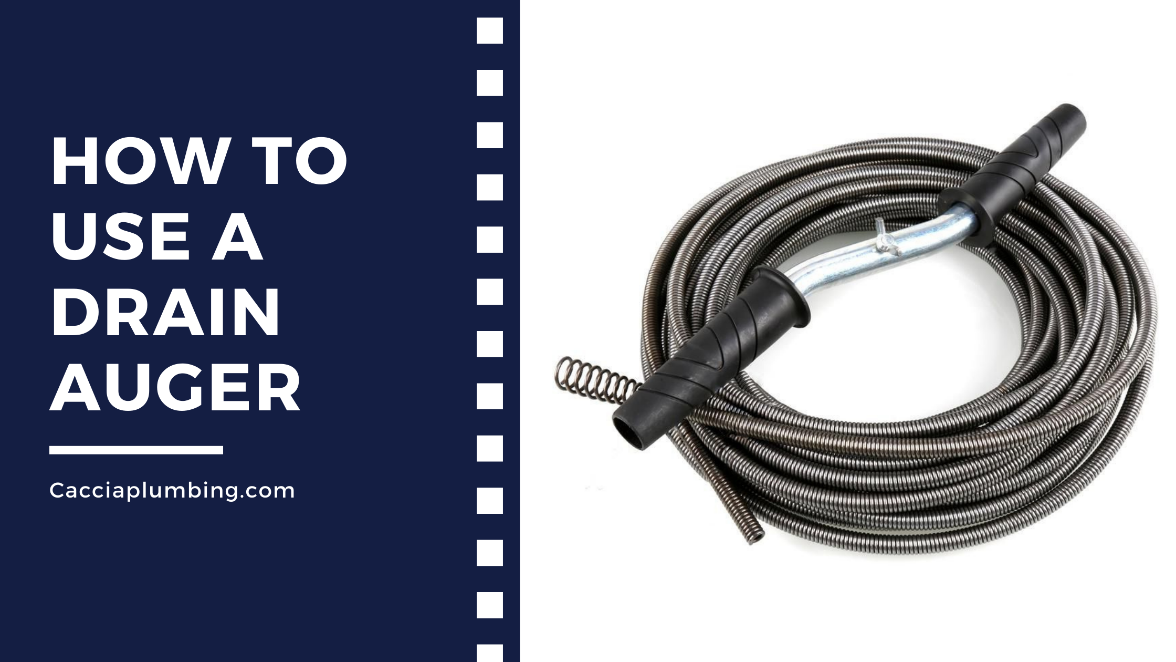
A drain snake, also called a plumber’s snake or auger, is a long, flexible tool. You feed it into your drain to break up or pull out clogs. When my kitchen sink stopped draining, I first tried boiling water and store-bought chemicals. Nothing worked. The water just sat there. That’s when I tried a drain snake—and I was amazed at how quickly it cleared the blockage.
There are different types of drain snakes, but most work the same way. They’re better for tough clogs than plungers or chemical cleaners. The snake gets deep into the pipe, grabs the gunk, and helps you remove it. I was surprised how much hair and soap scum came out the first time I used one!
Types Of Drain Snakes: Which One Is Right For You?
Before you grab any snake, it helps to know the types. I made the mistake of using a tiny snake for a big clog once. It barely made a dent. Here’s a quick look at the main types:
| Type | Best Use | How Far It Reaches |
|---|---|---|
| Handheld Drain Snake | Bathroom/kitchen sinks, showers | Up to 25 feet |
| Toilet Auger | Toilets only | 3-6 feet |
| Motorized Snake | Main line, deep or tough clogs | Up to 75 feet or more |
Most homes only need a handheld drain snake. But if you’re dealing with a toilet clog, get a toilet auger. For really deep or stubborn clogs (like in the main drain line), you might need a motorized snake. These are heavy and usually rented.
My First Time Using A Drain Snake: What To Expect
When I first used a drain snake, I felt nervous. Would I break the pipe? Would it get stuck? But honestly, it turned out easier than I thought. Here’s what I learned:
- It gets messy. Wear old clothes and gloves.
- The snake can twist or get stuck if you force it.
- The clog might smell bad, so open a window.
I soon realized patience is key. You don’t have to use much force. Let the tool do the work.
What You Need Before You Start
Before you start, gather a few things. I forgot some of these on my first try and had to stop halfway through.
- Drain snake (right type for your drain)
- Rubber gloves
- Bucket (to catch water or gunk)
- Old towels or rags
- Flashlight (to see inside the drain)
- Safety goggles (if you want extra protection)
I also keep some disinfectant wipes nearby. Cleaning up after is much easier.

How To Use A Drain Snake Step-by-step
Let me walk you through the exact steps I use. I’ll share a few tricks that took me a while to learn.
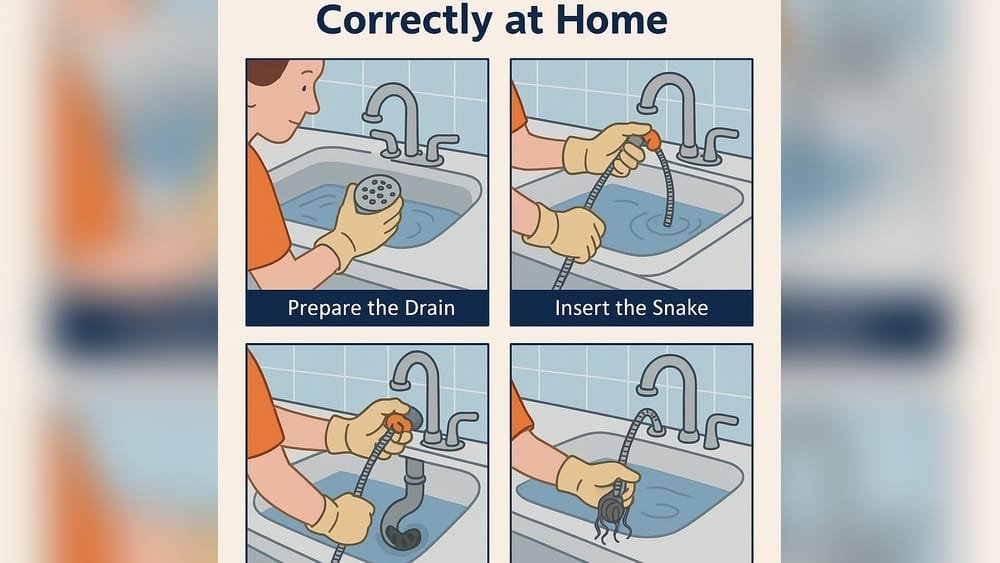
1. Clear The Area
Move any items out of the way. Place towels around the area. Put your bucket under the pipes if you’re working under a sink.
2. Remove The Drain Cover
Most sinks and tubs have a drain cover or stopper. You may need a screwdriver or just your hands. Don’t lose the screws! I put them in a small cup.
3. Insert The Snake Slowly
Feed the end of the drain snake into the drain. Go slowly. Don’t force it. If you feel resistance, twist the handle gently. This helps the snake move around bends.
4. Work Through The Clog
When you hit a blockage, keep turning the handle. You’ll feel the snake push through or grab the clog. Sometimes, it pulls hair or gunk up. Other times, it breaks it apart and you’ll hear a “whoosh” as the water drains.
A mistake I made once was yanking the snake out too fast. It splashed dirty water everywhere. Go slow when removing it.
5. Remove The Snake And Clean Up
Pull the snake out slowly. Check what came out. You might want to wear a mask if the smell is strong. Clean the snake with disinfectant before storing it.
Wipe up the area, run hot water through the drain, and replace the cover.
Common Mistakes To Avoid
I’ve made plenty of mistakes with drain snakes, especially when I was new. Here are a few to watch out for:
- Forcing the snake: This can damage pipes, especially older ones. Go slow and let the tool do the work.
- Using the wrong type: A toilet auger won’t work for a kitchen sink, and vice versa.
- Not cleaning the snake after use: The gunk can dry on the tool and make it smell later.
- Skipping gloves: Trust me, you don’t want that stuff on your hands.
- Not testing the drain after: Always run water to make sure the clog is gone.
When Should You Call A Plumber?
Most simple clogs can be fixed with a drain snake. But there are times when you shouldn’t try to fix it yourself. If you notice any of these, it’s best to call a professional:
- Water backs up in multiple drains at once.
- The clog keeps returning, even after snaking.
- You hear gurgling from the pipes after clearing the clog.
- There’s a strong sewage smell in your home.
I once tried to fix a main line clog on my own, and the problem came back. The plumber found tree roots in my outside pipes. Some jobs are just too big for a drain snake.
How Does A Drain Snake Compare To Other Methods?
I tried plungers, hot water, and even baking soda before using a snake. Here’s a quick comparison that helped me understand why the snake works better for tough clogs:
| Method | Best For | Effectiveness | Cost |
|---|---|---|---|
| Boiling Water | Minor grease clogs | Low | Free |
| Chemical Cleaners | Soft clogs, not for pipes with old plumbing | Medium | $$ |
| Plunger | Toilets, sinks with light clogs | Medium | $ |
| Drain Snake | Hair, soap, deep clogs | High | $$ (one-time tool) |
From my experience, the drain snake is the most reliable. It costs a little more up front, but you can use it again and again.
Tips For Better Results (from My Own Mistakes)
Over the years, I’ve learned a few things that make using a drain snake easier:
- Always have a bucket and towels ready. The mess can be bigger than you expect.
- Twist, don’t push. Turning the handle works better than forcing the snake.
- Clean the drain cover and stopper before putting them back. They collect hair and gunk too.
- If your snake gets stuck, reverse the handle a bit. This often loosens it.
- Store your snake in a dry place. If it stays wet, it can rust or smell bad.
One trick that helped me: After clearing the clog, run hot water and a bit of dish soap through the drain. This helps clear away leftover grease or soap.
How To Keep Your Drains Clear After Snaking
After you fix a clog, you want to avoid another one soon. I learned this the hard way after my shower drain clogged again just two weeks later.
Here’s what I do now:
- Use a drain strainer to catch hair and food bits.
- Pour boiling water down the drain once a week.
- Don’t pour grease or coffee grounds into the sink.
- Clean stoppers and covers every month.
- Use enzyme drain cleaners (not chemicals) once a month. They help break down gunk safely.
These small steps save a lot of time and trouble. I even set a reminder on my phone for monthly drain cleaning.

Is It Safe To Use A Drain Snake?
Many people worry about damaging their pipes. I get it—I was nervous too. But for most homes with modern pipes, a drain snake is safe if you use it gently.
A few things to keep in mind:
- For old or fragile pipes, be extra careful.
- Don’t use a power snake unless you know what you’re doing.
- Always read the instructions for your tool.
If you ever feel unsure, it’s okay to stop and get advice or call a plumber. Better safe than sorry.
Real-world Example: Clearing My Kitchen Sink
Let me share a quick story. Last winter, my kitchen sink stopped draining after I washed a greasy pan. I tried hot water, then a plunger. No luck. I almost called a plumber, but then I remembered my drain snake.
I cleared out under the sink, put down towels, and unscrewed the drain trap. After feeding in the snake, I felt it hit something soft. I twisted the handle for about a minute, then slowly pulled the snake out. A wad of grease and food bits came out with it—gross, but satisfying.
After cleaning up, I ran hot water. The drain worked like new. And best of all, I saved at least $100 on a plumber call.
Where To Get A Good Drain Snake
If you’re ready to try this yourself, you can find drain snakes at hardware stores or online. I recommend reading reviews and picking one with a sturdy handle. Don’t go for the cheapest option—they can break easily.
For more details on the types and uses of drain snakes, I found this Wikipedia page helpful when I was learning.
Frequently Asked Questions
What Size Drain Snake Should I Use For My Sink?
For most bathroom and kitchen sinks, a 1/4-inch to 3/8-inch diameter snake that’s 15 to 25 feet long works well. Toilet clogs need a special auger, which is a bit thicker and shorter.
Can A Drain Snake Damage My Pipes?
If used gently, a drain snake is safe for most pipes. Avoid forcing it, and don’t use a large, motorized snake unless you have experience. Old or brittle pipes need extra care.
How Often Should I Clean My Drains With A Snake?
You only need to use a snake when you have a clog. For prevention, clean your drain covers and use hot water weekly. If clogs happen often, check for bigger plumbing problems.
Are Chemical Drain Cleaners Better Than A Snake?
Chemical cleaners can damage pipes and are not as effective for tough clogs. I’ve found that a drain snake works better and is safer for your plumbing and the environment.
What If The Drain Is Still Clogged After Snaking?
If the clog remains, try snaking again and make sure you reach deep enough. If it still won’t clear, the clog may be in the main line or too tough for a home snake. This is when I call a plumber.
Using a drain snake has saved me time, money, and stress. It’s a simple skill that anyone can learn. I hope my experience helps you feel confident tackling your next stubborn clog. Good luck—and don’t forget the gloves!
As an Amazon Associate, We earn from qualifying purchases