
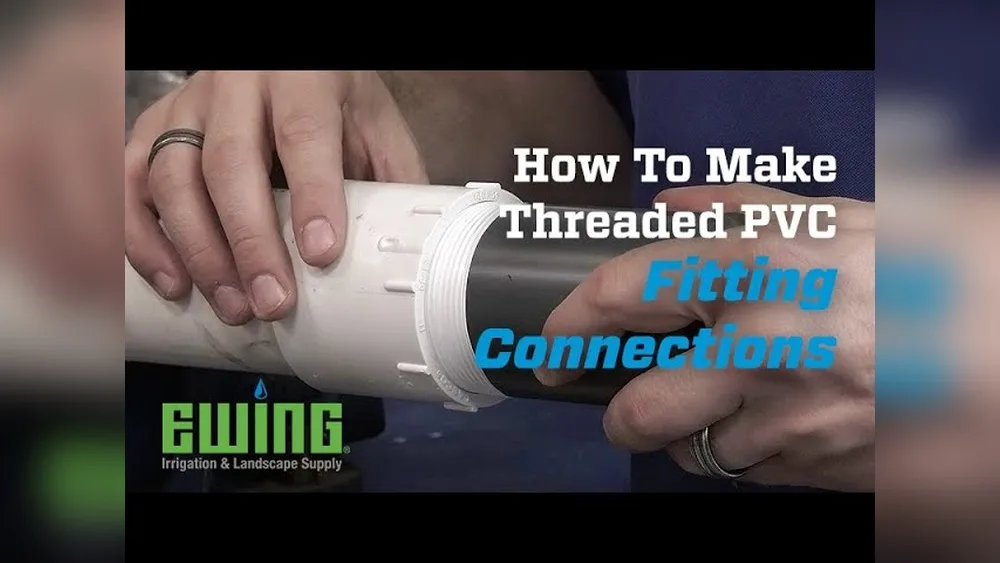
Can PVC Pipe Be Threaded? My Real-World Experience & What You Need to Know
I’ll never forget the first time I tried to thread a PVC pipe. I was standing in my garage, tools scattered everywhere, feeling pretty confident. I had worked with metal pipes before. How hard could PVC be? Well, that day taught me a lot.
If you’re wondering, “Can PVC pipe be threaded? ”—I’ve been there, made mistakes, and learned the ins and outs. Let me walk you through everything you need to know so you don’t repeat my early blunders.
What Is Pvc Pipe And Why Do People Want To Thread It?
PVC, or polyvinyl chloride, is one of the most common plastics used in plumbing. It’s light, cheap, and doesn’t rust. People use PVC pipes in homes for water lines, drains, and even sprinkler systems. But sometimes, you need to connect these pipes differently. That’s where threading comes in.
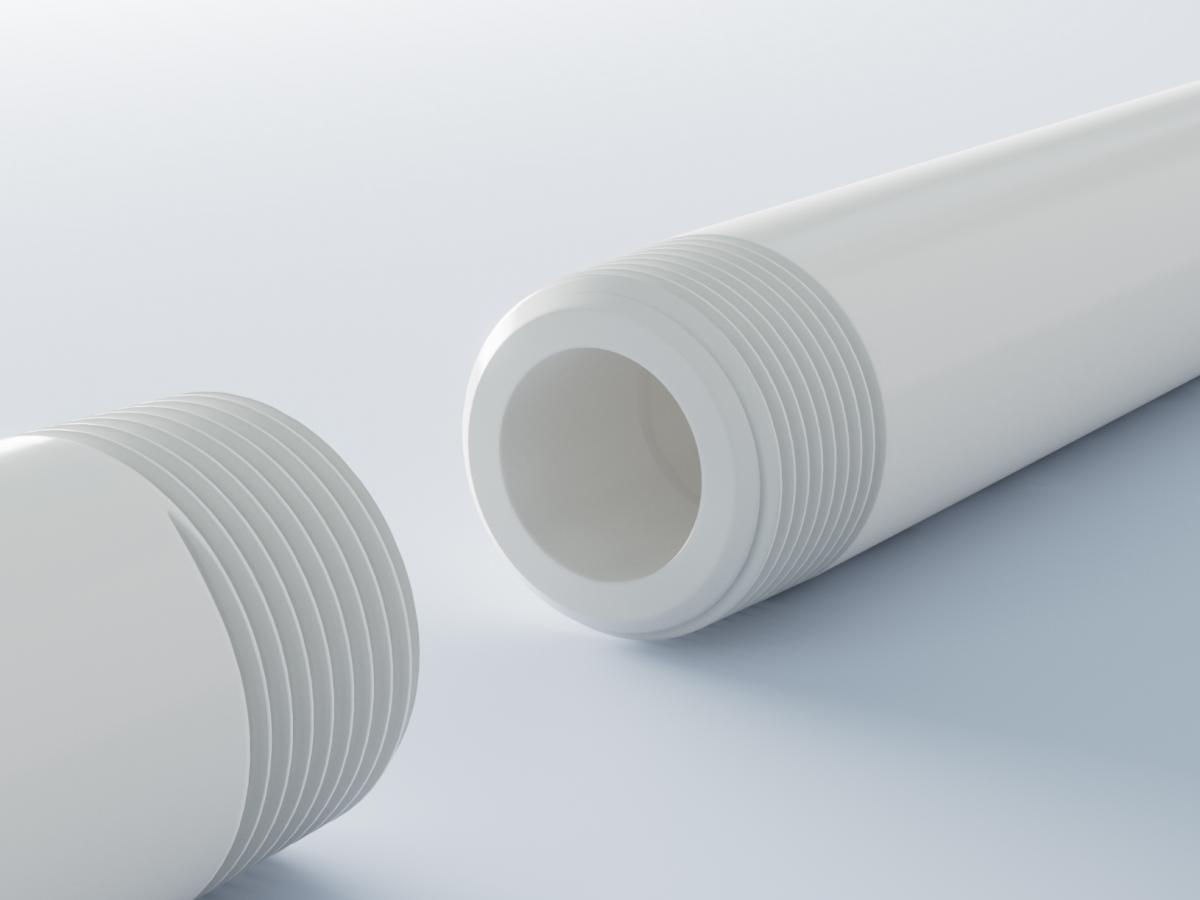
Threading means making spiral grooves at the pipe’s end. This lets you screw the pipe into fittings, valves, or other pipes—just like with metal pipes. I’ve seen people try this when they want a tight seal or need to take things apart later for repairs.
The Short Answer: Yes, But It’s Tricky
So, can you thread PVC pipe? Yes, you can—but not always, and not without care. Unlike metal, PVC is soft and can crack if you force it. I learned the hard way that you need the right tools, the right pipe type, and a gentle touch.
Types Of Pvc Pipe: Not All Are Made For Threading
If you walk down the plumbing aisle, you’ll see different PVC pipes. Not all of them are good for threading. Here’s what I’ve found:
| PVC Pipe Type | Threading Suitability | Notes |
|---|---|---|
| Schedule 40 | Possible | Thicker wall, can be threaded with care |
| Schedule 80 | Better | Even thicker, more resistant to cracking |
| Thin-wall (DWV) | Not Recommended | Wall is too thin, cracks easily |
From my experience, Schedule 80 pipes are the best choice if you must thread. They’re thicker and take the stress better. Schedule 40 works, but you need to be gentle. DWV pipes? Don’t even try. I snapped one with barely any pressure.
How To Thread Pvc Pipe: Step-by-step
If you’re like me, you want to try it yourself. Here’s how I do it, including tips I wish I knew at the start.
1. Gather Your Tools
You’ll need:
- A PVC pipe threader (manual or powered)
- A pipe vise to hold the pipe steady
- Cutting oil or lubricant (even though PVC is plastic, this helps reduce heat)
- A deburring tool or sandpaper
2. Cut The Pipe Square
Always start with a straight, clean cut. I use a pipe cutter or a fine-tooth saw. If your cut is crooked, your threads won’t line up, and leaks will happen.
3. Secure The Pipe
Clamp the pipe in a vise. Don’t squeeze too hard—PVC can deform. Just enough to hold it steady.
4. Lubricate
A drop of oil or even plain water helps the die move smoothly. I used to skip this step, and my threads came out rough.
5. Thread Slowly
Place the die on the pipe and turn it gently. Apply steady pressure. If you go too fast, heat builds up, and the pipe can melt or crack. I learned to turn a half turn forward, then back off a quarter turn to clear shavings.
6. Check And Clean Up
Once you’re done, run your fingers over the threads. Smooth? You’re good. Jagged or cracked? You’ll need to cut and try again.
7. Deburr And Test
Use your deburring tool or sandpaper to smooth the inside edge. Then, test-fit your fitting. If it’s too tight, don’t force it—PVC doesn’t stretch.
Factory-threaded Vs. Diy: What’s The Difference?
You might notice pre-threaded PVC parts at the store. I buy these whenever possible, and here’s why.
| Factory-Threaded | DIY-Threaded |
|---|---|
| Perfect, uniform threads | Can be uneven if hand-cut |
| Less chance of leaks | Higher leak risk if not done right |
| Ready to use | Takes time and patience |
Factory threads are made with special machines. They’re cleaner and less likely to leak. I only thread pipes myself if I can’t find the right part.
When Should You Thread Pvc—and When Should You Not?
I’ve found threading is best in these cases:
- You need a removable joint (not glued forever)
- The system runs at low pressure
- You’re connecting to metal or threaded plastic parts
But I avoid threading if:
- The pipe will carry high-pressure water (over 150 psi)
- The pipe is thin-walled or old
- The joint will be buried (repairs are harder if it leaks)
Threaded PVC can handle home water systems, but not industrial pressure. I once tried using a DIY-threaded joint for a pool pump. It leaked after a few weeks because the pressure was too high.
Common Mistakes I’ve Made (so You Don’t Have To)
I’ve made plenty of mistakes learning about threading PVC. Here are some to watch for:
- Threading too close to the end. If you start the threads right at the edge, the pipe can split. Leave a small margin.
- Over-tightening fittings. PVC threads can strip or crack if you wrench them down hard. Hand-tight plus a quarter turn is usually enough.
- Skipping thread sealant. Always use PTFE tape or thread sealant. Dry threads almost always leak.
These may sound simple, but they make a huge difference.
Threaded Vs. Glued Pvc Joints
People often ask me: “Should I glue or thread my PVC?” Here’s how I compare them:
| Feature | Threaded Joint | Glued Joint |
|---|---|---|
| Strength | Lower | Very High |
| Ease of Removal | Easy | Permanent |
| Leak Risk | Higher | Low |
| Pressure Suitability | Low/Medium | High |
I use threaded joints for things I may need to take apart, like sprinkler heads. For buried lines or main water pipes, I always glue.

Tips For A Leak-free Threaded Pvc Joint
Here’s what works for me after years of trial and error:
- Always use thread tape. Wrap it clockwise around the male threads 2-3 times.
- Hand-tighten first. Only use pliers for a final snug fit. Don’t overdo it.
- Check for cracks before installing. If you see hairline cracks, start over.
- Support the joint. Don’t let pipes hang from a threaded fitting. Support both sides to avoid stress.
Special Cases: Can You Thread Large Or Small Pvc Pipes?
Threading works best for pipes between ½ inch and 2 inches in diameter. Smaller pipes are too weak. Large pipes (over 2 inches) are hard to thread by hand, and factory-threaded options are rare.
I once tried threading a 4-inch pipe. It took forever and the threads were uneven. Now, I use flanges or couplings for big pipes.
Alternatives To Threading Pvc
If threading sounds risky, you have options. Here’s what I use instead:
- Solvent welding (glue)—strongest and most common
- Compression fittings—no threads, easy to install and remove
- Rubber couplings—for repairs or connecting different pipe types
Solvent welding is my go-to for most permanent jobs. Compression fittings work well for temporary setups.
What Most People Miss About Threading Pvc
Two things people often overlook:
- Threaded PVC is weaker than glued joints. Even if it feels strong, it can split under stress.
- Temperature changes can make threaded PVC leak. Hot or cold water makes the plastic expand or shrink, loosening the threads.
I Learned Both By Fixing Leaks In Winter!
Safety Tips When Threading Pvc
- Wear gloves. Shavings can be sharp.
- Use eye protection. Tiny bits fly off when cutting or threading.
- Work in a well-ventilated space. Some lubricants have fumes.
It sounds basic, but I’ve had shavings stick to my hands more times than I want to admit.
Where To Learn More
If you want to see machines that thread PVC in factories, or read about official standards, check out the Wikipedia PVC page. They cover the chemistry and industry standards.
Wrapping Up: Should You Thread Pvc Pipe?
Threading PVC pipe is possible, but it’s not always the best option. I only do it when there’s no other choice, and I always use thick-walled pipe, go slow, and check for leaks. For most jobs, glue or compression fittings are safer and last longer.
Threaded PVC joints work for low-pressure, temporary, or removable connections. But they’re not as strong as glued joints, and they do leak more if you rush the job. If you need a permanent, high-pressure line, stick to solvent welding.
In the end, my advice is: thread only if you must—and when you do, take your time. It’s better to do it right the first time than fix leaks later.
Frequently Asked Questions
Can All Pvc Pipes Be Threaded?
No. Only Schedule 40 and Schedule 80 PVC pipes can be threaded safely. Thin-walled (DWV) pipes will crack or break if you try to thread them.
What Size Pvc Pipe Can Be Threaded?
Threading works best for pipes between ½ inch and 2 inches. Smaller pipes are too fragile, and larger pipes are hard to thread and not widely supported.
How Do I Seal A Threaded Pvc Joint?
Always use PTFE thread tape or a plastic-compatible thread sealant. Wrap the tape around the male threads 2-3 times before screwing in the fitting.
What Pressure Can A Threaded Pvc Joint Handle?
Threaded PVC is good for low to medium pressure systems (usually up to 150 psi). For higher pressure, use glued or solvent-welded joints.
Is It Better To Glue Or Thread Pvc Pipe?
For permanent, high-pressure, or buried lines, gluing is much stronger and safer. Threaded joints are best for removable connections or low-pressure uses, but they are weaker and more prone to leaks.

As an Amazon Associate, We earn from qualifying purchases