
When I first started working on my own plumbing projects, the words soil pipe cutter sounded pretty intimidating. I imagined some huge, noisy machine that only pros could handle. But after using one several times, I realized it’s a simple tool—once you know how it works. Today, I want to walk you through exactly how to use a soil pipe cutter, sharing my tips, the mistakes I made, and how you can avoid them. If you’re planning to cut cast iron pipes, this is a tool you’ll want to get comfortable with.
What Is A Soil Pipe Cutter?
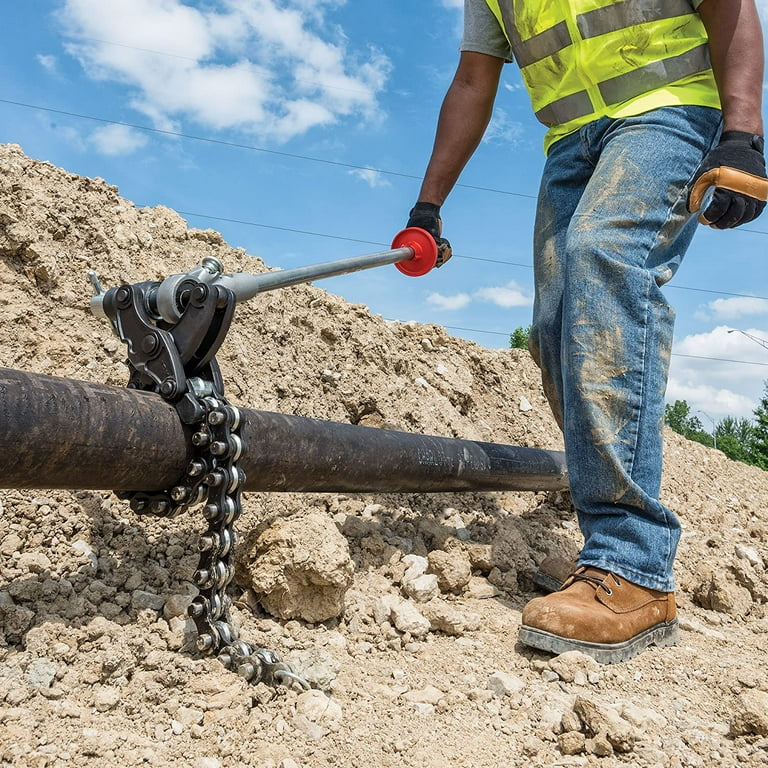
A soil pipe cutter is a tool made to cut thick pipes, usually cast iron or clay. You’ll mostly find these pipes in older homes or commercial buildings. The cutter looks a bit like a chain with small sharp wheels. When you wrap it around a pipe and tighten it, the wheels press in and crack the pipe, giving you a clean break.
I remember the first time I saw one at a rental shop. It looked heavy, but the shop owner assured me it was easier than a saw. He was right. The process is much quicker and leaves a smoother edge, which is important if you need to attach new pipes or fittings.
Why Use A Soil Pipe Cutter?
I’ve tried a few methods to cut cast iron pipes. I started with a hacksaw, then moved to an angle grinder. Both worked, but they were slow, messy, and sometimes dangerous. The soil pipe cutter is different. It’s:
- Fast (cuts in seconds)
- Safer (no sparks or flying debris)
- Leaves a neat cut
If you want to avoid hours of sawing and a lot of sweat, this tool is a game changer. For anyone tackling plumbing repairs or renovations, it’s almost essential.
Types Of Soil Pipe Cutters
There are a few different kinds, and I’ve used two main types:
| Type | How It Works | Best For |
|---|---|---|
| Manual Chain Cutter | Hand-operated with a ratchet or lever | Home DIY, small jobs |
| Hydraulic Soil Pipe Cutter | Uses hydraulic pressure, less effort needed | Professional, frequent use |
My first cutter was a manual chain type. It was a bit heavy but easy to manage. I’ve also tried the hydraulic version, and while it’s smoother, it’s overkill for most home jobs.
When Should You Use A Soil Pipe Cutter?
You’ll need this tool if you’re:
- Replacing old cast iron pipes
- Adding a new bathroom or kitchen
- Fixing a damaged section of pipe
If your home is newer and uses PVC or plastic pipes, you probably don’t need one. But for older buildings, especially those built before the 1970s, cast iron pipes are common. I ran into them while renovating my old basement.
Tools And Safety Gear You’ll Need
Before you start, gather these items:
- Soil pipe cutter (manual or hydraulic)
- Safety glasses (pipe can splinter)
- Work gloves (chain and pipe edges are sharp)
- Tape measure
- Marker or chalk
- WD-40 or lubricant (optional, for old pipes)
If you’re working in a tight spot, a headlamp can help. I once tried to cut a pipe in a dark crawl space—never again without extra light.
Preparing The Pipe
This step can make or break your project. Here’s what I do:
- Clear the Area: Remove anything around the pipe. You’ll need space to move the tool.
- Clean the Pipe: Dirt and rust can make the cutter slip. I use a wire brush to scrub the area where I’ll cut.
- Mark Your Cut: Use chalk or a marker to draw a clear line. Measure twice, cut once—trust me, it saves headaches later.
If the pipe is wet or greasy, wipe it down. A slippery pipe makes it hard to keep the chain in place.

How To Use A Soil Pipe Cutter: Step-by-step
Let’s get to the main event. Here’s exactly how I do it:
1. Position The Chain
Open the cutter and wrap the chain around the pipe. Make sure the cutting wheels line up with your mark. The first time I tried, I put the chain on crooked. The pipe cracked unevenly. Take a few seconds to double-check alignment.
2. Secure The Chain
Tighten the tool so the chain hugs the pipe snugly. You don’t want gaps. If the tool has a ratchet, start clicking it closed until the chain is tight.
3. Apply Steady Pressure
For a manual cutter, pump the handle or turn the ratchet slowly. For hydraulic, squeeze the trigger. You’ll hear the pipe start to crack. Don’t rush—steady, even pressure is key. The pipe will give way with a loud “pop. ”
4. Finish The Cut
Once you hear the pop, the pipe should split cleanly. If not, release the tool and check the cut. Sometimes, you need to tighten and try again. If it only cracks partway, move the chain around a bit and repeat.
5. Check The Edges
After the cut, inspect the pipe ends. Sometimes, small chips or sharp edges stick out. I use a metal file to smooth them out. This step prevents leaks and injuries later.
Here’s a quick look at how long it took me with different methods:
| Method | Time to Cut (per pipe) | Cleanliness of Cut |
|---|---|---|
| Hacksaw | 20+ minutes | Rough, uneven |
| Angle Grinder | 10-15 minutes | Messy, sparks, noisy |
| Soil Pipe Cutter | 1-3 minutes | Very clean, quick |
Common Problems And How To Fix Them
I’ve run into a few issues, and here’s how I solved them:
Chain slips off: Usually means the pipe is dirty or the chain isn’t tight enough. Clean the pipe and try again.
Pipe won’t crack: Old pipes can be tough. Applying a little WD-40 helps. Sometimes, I move the chain around the pipe and try a different spot.
Uneven cut: This happened to me when I rushed. Make sure the chain is level and apply pressure slowly.
Chain gets stuck: Release the pressure, wiggle the tool, and start again. Never force it.
Practical Tips I Learned The Hard Way
- Test the tool on a scrap pipe if you can. The first time I used the cutter, I wasted a whole section because I wasn’t sure how much force to use.
- Double-check your measurements. Pipes are expensive to replace if you mess up the cut.
- Work with a friend if you can. Holding the pipe steady and using the cutter at the same time is tricky alone—especially in awkward spaces.
- Lubricate old pipes. A little spray makes the cut much smoother.
- Wear gloves. Cast iron edges are razor-sharp. I still have a small scar from skipping gloves once.
When Not To Use A Soil Pipe Cutter
There are times when this tool isn’t right. If the pipe is too close to a wall or in a tight corner, the chain might not fit. In those cases, I use an angle grinder with a diamond blade, even though it’s messier.
PVC and plastic pipes don’t need a soil pipe cutter. Use a regular pipe saw instead. I learned this after almost ruining a plastic pipe with the wrong tool.
How To Care For Your Soil Pipe Cutter
If you buy or rent one, take care of it:
- Clean after use. Wipe off debris and oil the chain.
- Store dry. Rust can ruin the tool.
- Check for dull wheels. Replace them if they look worn out.
A well-kept cutter lasts for years. My first rental was rusty and hard to use. The next one, clean and oiled, made the job twice as easy.
Buying Vs. Renting A Soil Pipe Cutter
Should you buy or rent? Here’s what I’ve learned:
| Buy | Rent |
|---|---|
| Good if you do lots of plumbing work Costs $80–$200+ | Best for one-time projects Usually $15–$30 per day |
| Always available when you need it | No maintenance or storage worries |
| Needs cleaning and care | May be worn out if rented often |
For most homeowners, renting is fine. I bought my own after needing it several times for old pipes in my house.

Safety Reminders
This tool is safer than saws or grinders, but don’t get careless:
- Always wear safety glasses and gloves
- Keep your hands away from the chain
- Don’t force the tool—let it work at its own pace
- Watch for falling pipe sections after the cut
- Never use the cutter on pipes that aren’t well supported
If you’re ever unsure, ask someone with experience or check a trusted source like Family Handyman.
Frequently Asked Questions
What Is The Main Use Of A Soil Pipe Cutter?
The main use is cutting cast iron or clay pipes cleanly and quickly, often during plumbing repairs or renovations. It saves time and effort compared to saws or grinders.
Can I Use A Soil Pipe Cutter On Plastic Pipes?
No, it’s not made for plastic pipes like PVC. It might crush or crack them. Use a pipe saw or a specialized PVC cutter instead.
How Much Force Do I Need To Use?
Not as much as you might think. With a manual cutter, firm and steady pressure works best. Don’t rush—let the tool do the work. Hydraulic models need even less effort.
Is It Safe For Beginners To Use?
Yes, with some basic safety steps. Wear gloves and glasses, follow the instructions, and don’t force the tool. I found it easy after a few tries.
What If The Pipe Doesn’t Break Cleanly?
If it cracks unevenly, file down sharp edges. Sometimes, pipes are too old or thick—try a different spot, or use a grinder if you’re stuck.
Cutting old pipes used to scare me, but after using a soil pipe cutter a few times, I realized it’s straightforward and safe. With a little prep and the right technique, you’ll get a clean cut and finish your project much faster.
If you’re facing cast iron pipes, don’t be nervous—grab a soil pipe cutter and give it a try.
As an Amazon Associate, We earn from qualifying purchases