
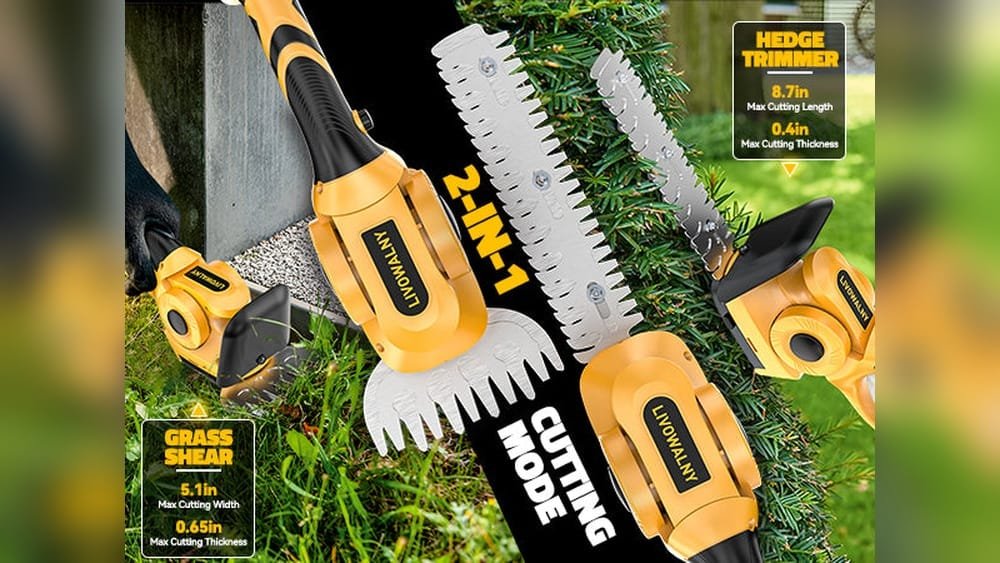
Can A Hedge Trimmer Cut Branches? My Real-world Experience
I still remember the first time I picked up a hedge trimmer. I had just moved into my new house, and the garden was wild. The hedges were overgrown, and small branches poked out everywhere. I wondered, “Can a hedge trimmer cut branches, or do I need something stronger?” If you’ve ever asked yourself that question, you’re not alone. I’ve been there, and I’ve learned a lot through trial and error. Let me share what I discovered, so you can avoid the mistakes I made.
What Is A Hedge Trimmer Really For?
When I bought my first trimmer, I thought it was a magic tool for everything green and woody in my yard. But after using it, I realized that a hedge trimmer is designed mainly for one thing: trimming hedges. It’s great for soft, leafy growth and thin twigs.
A hedge trimmer uses sharp, moving blades to slice through stems quickly. It’s perfect for shaping bushes and making clean, straight lines. But not all branches are created equal. Some are thin and soft, while others are thick and tough.
This is where things get tricky.
Types Of Branches In A Garden
To really answer if a hedge trimmer can cut branches, you have to know what kind of branches you’re dealing with. In my garden, I found three main types:
- Soft, green shoots – These are new and bend easily. Hedge trimmers cut them like butter.
- Thin, woody branches – Usually less than 1/4 inch thick. Trimmers can handle most of these.
- Thick, hard branches – Anything thicker than a pencil, especially if it’s dry or old. This is where hedge trimmers start to struggle.
I learned early on that if you push a hedge trimmer to cut thick branches, you might end up damaging the tool or making a mess of the plant.
How A Hedge Trimmer Works
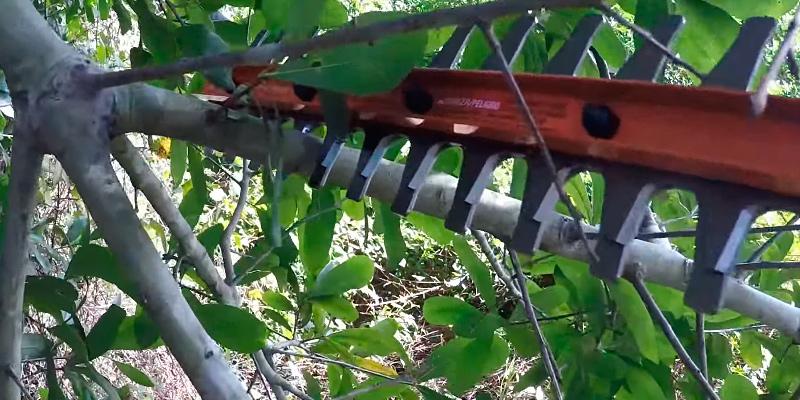
Let me explain, in simple words, how a hedge trimmer actually cuts. The blades move back and forth, almost like scissors. They have small gaps between them, called “blade gaps.” These gaps decide the maximum size of branch you can cut.
If a branch is too thick for the gap, the blades will just squash it or get stuck. Trust me, I’ve tried pushing my luck, and it only led to frustration.
My Real Experience: What Happened When I Tried
The first time I tried to cut a thick branch with my trimmer, I heard a loud “clack. ” The branch didn’t cut, and the trimmer jammed. I had to stop, open the blades, and clean out the stuck wood.
It was annoying, and I worried I had broken the tool.
After that, I started using the trimmer only for branches I could squeeze between my fingers. Anything thicker, I’d switch to pruning shears or a small saw. It made the work much faster and safer.
What Size Branch Can A Hedge Trimmer Cut?
Most hedge trimmers can cut branches up to about 1/2 inch (12 mm) thick. Some heavy-duty models claim to cut a bit more, but in my experience, the sweet spot is around 1/4 to 3/8 inch.
Here’s a table to help you compare:
| Branch Thickness | Hedge Trimmer Effectiveness | Recommended Tool |
|---|---|---|
| Less than 1/4 inch (6 mm) | Very easy | Hedge trimmer |
| 1/4 to 1/2 inch (6-12 mm) | Possible, but slower | Hedge trimmer or loppers |
| Over 1/2 inch (12 mm) | Hard, may jam | Loppers or pruning saw |
Always check your hedge trimmer’s manual for the maximum cutting diameter. The number is there for a reason—going over it can dull or damage the blades.
Electric Vs. Gas Vs. Manual Hedge Trimmers
I’ve owned all three types over the years. They each have their own strengths and limits.
| Type | Power | Best For | Branch Size Limit |
|---|---|---|---|
| Electric (corded/battery) | Low to medium | Small to medium hedges | Up to 1/2 inch |
| Gas-powered | High | Large, tough jobs | Up to 3/4 inch |
| Manual (shears) | Hand strength only | Precision trimming | Up to 1/4 inch |
I noticed that gas-powered trimmers can tackle slightly thicker branches, but they’re heavier and noisier. For most jobs, my electric trimmer worked fine as long as I didn’t force it.
Key Factors That Matter When Cutting Branches
When I first started, I thought power was everything. But over time, I learned that blade gap, blade sharpness, and branch type matter just as much.
- Blade gap: If your trimmer has a 3/4 inch gap, it can “fit” bigger branches, but cutting may still be slow.
- Blade sharpness: Dull blades struggle even with small twigs.
- Branch type: Green, soft branches cut easier than dry, woody ones.
Another thing I learned: wet branches can jam the blades, especially if they’re thick. So, I always try to trim when the plants are dry.
Safety Tips I Wish I Knew Sooner
Trimming hedges looks easy, but I had a few close calls. Here’s what I wish someone told me:
- Wear gloves and eye protection – Tiny wood chips can fly everywhere.
- Don’t force the trimmer – If it jams, stop. Forcing it can break the blades or hurt your hands.
- Keep both hands on the tool – The vibration can make you lose grip.
- Clear the area – Make sure pets and kids are far away.
- Check for hidden wires or rocks – I once hit a metal fence hidden by leaves. It sparked and scared me!

What Happens If You Use A Hedge Trimmer On Thick Branches?
I’ve made this mistake before, so let me save you the trouble. Here’s what can happen:
- Jammed blades: You’ll spend more time fixing than trimming.
- Bent or broken blades: Expensive to repair.
- Ragged cuts: This hurts the plant and can invite disease.
- Motor damage: For electric trimmers, the extra strain can burn out the motor.
One time, I tried to rush through a hedge with lots of thick, woody stems. Not only did I ruin the blades, but the hedge looked worse than before. Clean, sharp cuts heal better. For thick branches, I now always use loppers or a pruning saw.
When To Use A Hedge Trimmer Vs. Other Tools
I used to grab the trimmer for everything, but now I match the tool to the job:
- Hedge trimmer: For leafy, thin stems and regular shaping.
- Hand pruners: For small, precise cuts (like flowers or tiny twigs).
- Loppers: For branches up to 1 inch.
- Pruning saw: For anything bigger.
This mix keeps all my tools in good shape and makes the work smoother.
Common Mistakes I Made (and How You Can Avoid Them)
I’ve learned a lot from doing things the wrong way. Here are mistakes I made, and what I do differently now:
- Ignoring the manual: I once ruined a brand-new trimmer by trying to cut a thick branch. Now, I always check the specs.
- Not sharpening blades: Dull blades tear instead of cut. I now sharpen them every season.
- Trimming wet plants: Wet branches jam more often. I wait for dry weather.
- Trying to cut everything with one tool: Switching tools saves time in the end.
- Not cleaning after use: Sap and debris can harden on the blades. Now, I wipe them down after each use.
Real-world Examples From My Garden
Let me give you two quick stories. In spring, my hedge explodes with fresh, green growth. The trimmer slices through everything fast and easy. But in late summer, some branches get woody and thick. That’s when the trimmer starts to jam or slow down.
On one occasion, I tried to cut a 1-inch branch. The trimmer stalled, and the motor started to smoke. I stopped just in time. Since then, I use a pruning saw for anything over 1/2 inch. The cuts are smoother, and my tools last longer.
Maintenance Tips To Keep Your Hedge Trimmer Working
A hedge trimmer is not cheap, so I protect my investment with regular care:
- Clean the blades after every use. I use a brush and a little oil.
- Sharpen the blades every few months if you use the tool often.
- Store it indoors, away from rain and moisture.
- Check for loose screws and bolts before each use.
These simple steps have saved me money and headaches.
Pros And Cons Of Using A Hedge Trimmer For Branches
To sum up my experiences, here are the main pros and cons:
| Pros | Cons |
|---|---|
| Fast for thin branches | Jams on thick branches |
| Easy to shape hedges | Can damage tool if misused |
| Good for high, hard-to-reach spots | Not precise for large branches |
| Less tiring than manual tools | Can make rough cuts on thick wood |
Final Thoughts: Should You Use A Hedge Trimmer For Branches?
After years of gardening, my answer is clear: Yes, a hedge trimmer can cut branches, but only if they’re thin and green. For thicker, woody branches, use the right tool. You’ll get better results and save your trimmer from damage.
My best advice? Don’t try to make a hedge trimmer do the job of loppers or a saw. Respect each tool’s limits, and your garden—and your wallet—will thank you.
If you want to learn more about garden tools, check out Wikipedia’s hedge trimmer page for extra tips.
Frequently Asked Questions
Can I Use A Hedge Trimmer To Cut Tree Branches?
You can use a hedge trimmer for thin tree branches (less than 1/2 inch). For thicker branches, use loppers or a saw. Trying to cut big branches with a hedge trimmer can break the tool.
What Happens If I Cut Thick Branches With My Hedge Trimmer?
You risk jamming the blades or damaging the motor. The cut may be rough, which can hurt the plant. Always use the right tool for thick branches.
How Do I Know If A Branch Is Too Thick?
If you can’t squeeze the branch between your fingers, it’s probably too thick for a hedge trimmer. Check your trimmer’s manual for the maximum branch size.
What’s The Difference Between A Hedge Trimmer And A Chainsaw?
A hedge trimmer is for small, leafy growth and thin branches. A chainsaw is for cutting thick wood and tree trunks. Never use a hedge trimmer like a chainsaw.
How Can I Keep My Hedge Trimmer In Good Shape?
Clean the blades after use, keep them sharp, and store the tool in a dry place. Never force it to cut thick branches, and check for loose parts before each use.
If you have more questions about garden tools or trimming hedges, feel free to ask. I’ve made enough mistakes for both of us!
As an Amazon Associate, We earn from qualifying purchases