
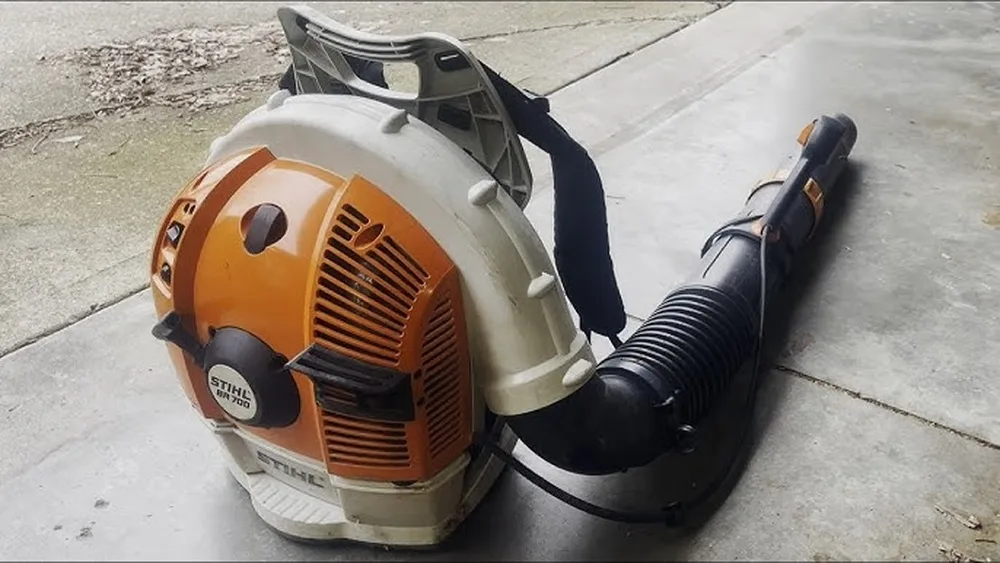
Starting a Stihl leaf blower for the first time felt a bit scary to me. I remember looking at all the buttons, levers, and labels and thinking, “What if I mess this up? ” But after a few tries and some good advice, I realized that using a Stihl leaf blower is much simpler than it looks.
If you’re new to these machines, or you just want a clear, easy guide, let me walk you through everything I’ve learned. I’ll share every tip, every mistake, and every “aha!” moment I had with my Stihl blower. I wish someone had explained it all to me like this when I started.
Understanding Your Stihl Leaf Blower
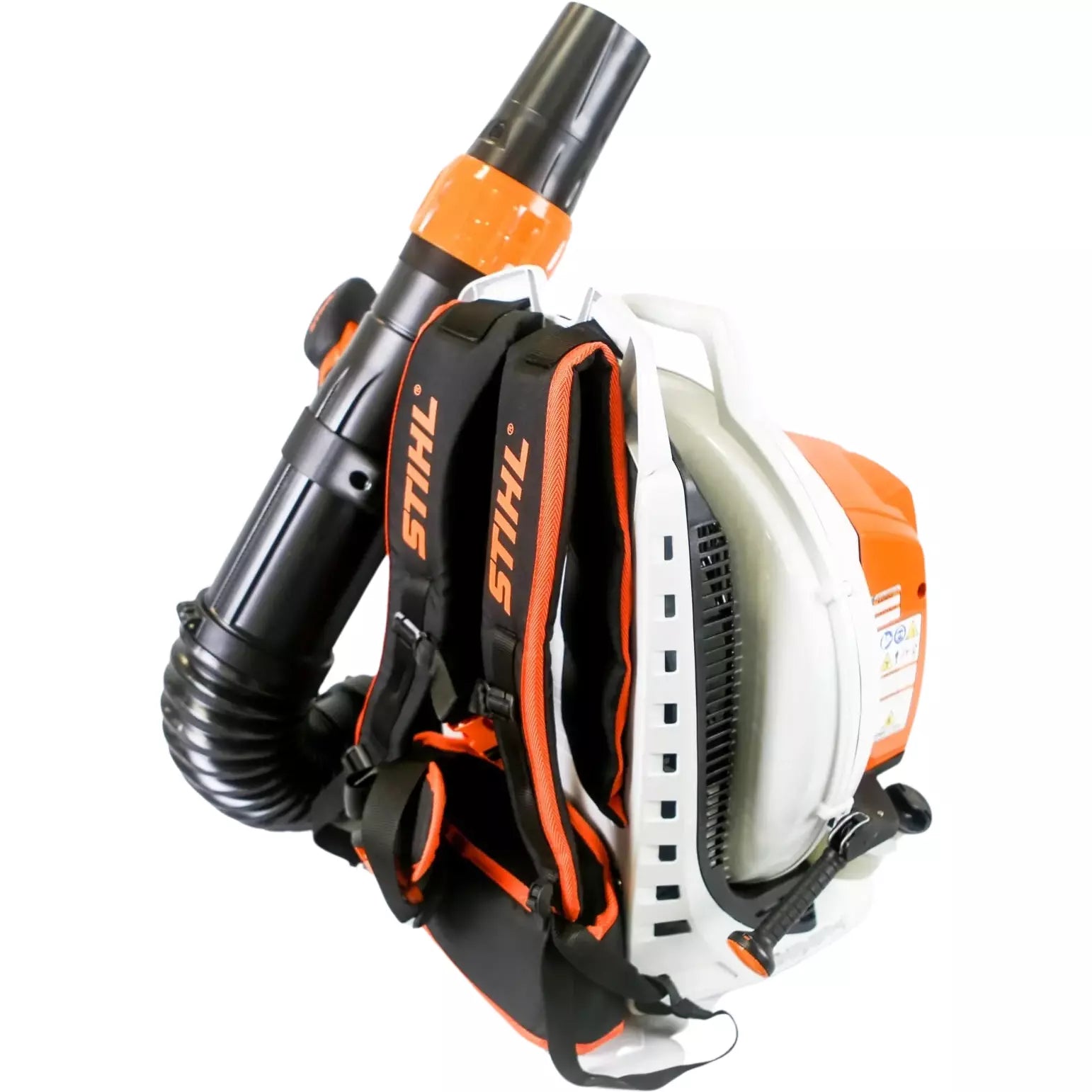
Before you start your blower, it’s good to get to know it. I made the mistake of skipping this step, and I ended up searching for the choke and the primer bulb for ten minutes. Most Stihl blowers have a few basic parts:
- Fuel tank
- Starter grip
- Choke lever
- Primer bulb
- Throttle trigger
- On/Off switch
On my first day, I took a few minutes to read the user manual. I also watched a video from Stihl’s official website. That helped me find each part and understand what it does. If you don’t have your manual, you can find a digital copy on the official Stihl website.
Safety First: What You Need To Know
I can’t stress enough how important safety is. When I started, I thought, “It’s just a leaf blower, right?” But these machines are powerful. Here’s what I learned:
- Wear safety glasses. I had a bit of dust fly into my eye once. Never again without glasses.
- Use ear protection. Stihl blowers are loud. Earplugs or earmuffs make a big difference.
- Wear gloves. They help you keep a good grip, especially if your hands get sweaty.
- Wear closed shoes and long pants. I once got a scratch on my leg from flying twigs.
Always check your area for pets or children before you start. Once, my cat came running out of nowhere! Now, I always look around before pulling the starter.

Fuel: Mixing And Filling
The first big hurdle for me was the fuel. Stihl leaf blowers use a mix of gasoline and 2-cycle oil. If you use only gas, you can ruin the engine. Here’s how I do it:
- Find the right gasoline. I use unleaded gas with at least 89 octane.
- Get 2-cycle oil. Stihl recommends their own brand, but others work if they meet the standard.
- Mix ratio. For my blower, it’s 50: 1. That means 2.6 ounces of oil for each gallon of gas.
I use a clean gas can and shake it well. Mixing in a separate container is best. Never mix in the blower’s tank! I made that mistake once and ended up with clumps of oil at the bottom.
Practical tip: If you only use your blower sometimes, buy pre-mixed fuel. It costs more, but it doesn’t go bad as fast as regular gas.
Pre-start Checks: What I Always Look For
Before I start, I do a quick check. It saves me headaches later.
- Check the fuel level. Is there enough mix? If not, add more.
- Look at the air filter. If it’s clogged, clean or replace it. A dirty filter makes starting harder.
- Inspect the spark plug. I check for dirt or damage. If it looks bad, I clean or swap it.
- Check all screws and bolts. I once had the nozzle come loose during use. Now, I always give everything a quick look.
This routine takes me about two minutes, but it keeps my blower running well.
Starting: Step-by-step Guide
Now comes the main part—starting the Stihl blower. Here’s exactly what works for me, every time.
1. Move The Blower Outside
Never start your blower in a closed space. The fumes are dangerous. I learned this the hard way in my garage—open air is a must.
2. Set The On/off Switch
Make sure the On/Off switch is set to “On.” I’ve forgotten this step before and spent five minutes pulling the cord for nothing.
3. Set The Choke
If the engine is cold, move the choke lever to the “choke” position. This helps the engine get enough fuel to start. If it’s warm, you might not need the choke.
4. Press The Primer Bulb
I press the primer bulb about five times. This gets fuel into the carburetor. If you see fuel in the bulb, you’re good.
5. Secure The Blower
Place the blower on a flat surface. I put my foot gently on the base to keep it steady.
6. Pull The Starter Rope
Hold the starter grip and pull it sharply. Don’t yank too hard—just a firm, quick pull. I usually need two or three pulls when the engine is cold.
7. Move The Choke Lever
As soon as the engine coughs or tries to start, move the choke to the “half-choke” or “run” position. Pull the starter again. Usually, the engine starts now.
8. Let It Warm Up
Let the blower run for about 30 seconds before squeezing the throttle. This warms up the engine oil.
Common mistake: Don’t keep pulling the starter with the choke on after it sputters. You can flood the engine.
What If It Won’t Start? Troubleshooting
It’s normal to have some trouble at first. I did! Here’s what I check if my blower won’t start:
- Is there fresh fuel? Old gas won’t burn well. I always use fuel less than a month old.
- Is the spark plug clean? I carry a spare plug just in case.
- Is the air filter clean? If not, I clean it with soapy water and let it dry.
- Is the On/Off switch in the right place? It’s easy to forget.
- Is the choke in the right position? Too much choke can flood the engine.
If the blower still won’t start, I wait five minutes. Sometimes, I’ve flooded the engine. Waiting lets the extra fuel evaporate.
Warm Start Vs Cold Start
I didn’t realize at first that starting a warm engine is different.
- Cold start: Use the full choke, prime, and several pulls.
- Warm start: No choke, maybe one or two primes, and usually just one pull.
Here’s a quick comparison to help:
| Start Type | Choke Position | Primer Bulb | Pulls Needed |
|---|---|---|---|
| Cold Start | Full Choke | 5 times | 2-4 |
| Warm Start | No Choke | 1-2 times | 1-2 |
I always try to remember how long it’s been since I last used the blower. That tells me which method to use.
How Long Does It Take?
The first time, it took me about ten minutes to start my Stihl blower. Now, it takes less than a minute. Here’s my breakdown:
| Step | Time Needed (Minutes) |
|---|---|
| Fuel Check | 1 |
| Pre-Start Checks | 2 |
| Actual Starting | 1 |
| Total | 4 |
Practice really does help. Don’t worry if it takes you longer at first.
Maintenance Tips For Easy Starts
If you want your Stihl blower to start easily every time, a little care goes a long way. Here are my top tips:
- Use fresh fuel. Old gas causes most starting problems.
- Run the blower dry before storage. When I’m done for the season, I let the blower run until it stops. This keeps the carburetor clean.
- Clean the air filter often. I wash mine every few uses, especially in dusty weather.
- Change the spark plug yearly. Even if it looks good, a fresh plug makes a difference.
- Check for loose parts. Vibration can loosen screws over time.
I set reminders on my phone for these tasks. It sounds simple, but it really helps.
Common Mistakes And How I Fixed Them
Looking back, I made a lot of beginner mistakes. Here are a few and how I solved them:
- Over-priming: I pressed the primer bulb too many times and flooded the engine. Now, I stick to five pushes.
- Forgetting the On/Off switch: I pulled the rope for ages with the switch off. Now, I check every time.
- Using old gas: One spring, I tried to start the blower with last year’s gas. It didn’t work until I refilled with fresh mix.
- Not reading the manual: I missed out on some simple tips just because I skipped the manual. Now, I always check it for new machines.
Why Stihl Leaf Blowers Stand Out
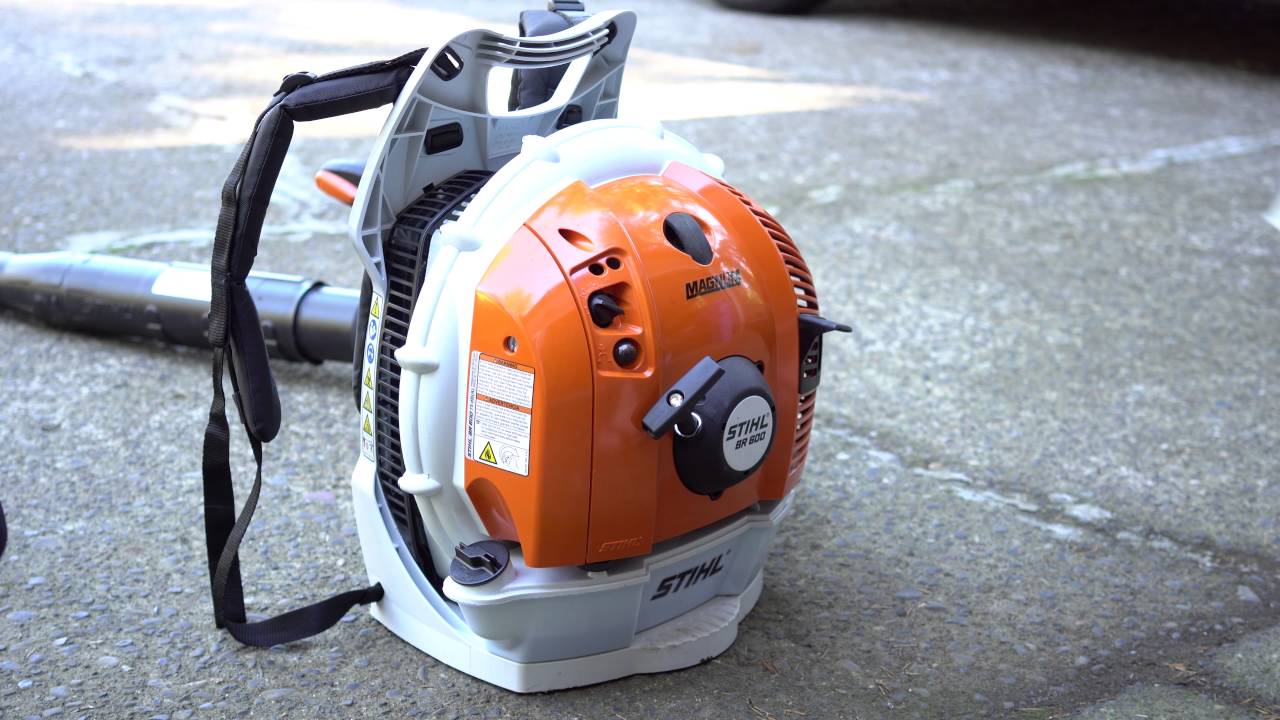
After using other brands, I can say Stihl blowers are reliable and strong. They start easily (once you know how), and they last for years if you take care of them. The design is user-friendly, and the parts are easy to find.
I like that they have service centers in many places, so if I need help, I can get it.
Quick Reference: Starting Steps At A Glance
Here’s a fast checklist I keep on my phone:
| Step | Action |
|---|---|
| 1 | Fuel: Check and fill with 50:1 mix |
| 2 | Switch: Turn to “On” |
| 3 | Choke: Set to “Choke” if cold |
| 4 | Prime: Press bulb 5 times |
| 5 | Secure: Place on flat ground |
| 6 | Pull: Start rope firmly |
| 7 | Choke: Move to “Run” after engine sputters |
| 8 | Warm up for 30 seconds |
I find that having a quick reference like this saves time and avoids mistakes.
Frequently Asked Questions
How Often Should I Change The Spark Plug In My Stihl Leaf Blower?
I change mine once a year or after about 100 hours of use. If the engine is hard to start or runs rough, I check the plug sooner.
Can I Use Regular Gasoline In My Stihl Blower?
No, you need to mix gas and 2-cycle oil. The right ratio (usually 50:1) is very important. Using plain gasoline can destroy the engine.
Why Does My Blower Smoke When Starting?
A little smoke is normal at start-up, especially if the mix has extra oil. If it smokes a lot, check your fuel mix and air filter.
What Do I Do If The Starter Rope Is Stuck?
First, make sure the engine isn’t flooded. If not, check for debris around the starter. If it’s still stuck, the recoil spring may need service.
Is It Okay To Store My Blower With Fuel Inside?
I always empty the tank before long-term storage. Old fuel can gum up the carburetor and make starting harder next time.
Starting a Stihl leaf blower might feel overwhelming at first, but with practice and a few good habits, it becomes second nature. I hope my experience and tips make your first start smooth and easy. Once you get the hang of it, you’ll spend less time starting and more time getting your yard just the way you like it.
If you ever run into trouble, don’t worry—you’re not alone. Happy blowing!
As an Amazon Associate, We earn from qualifying purchases