
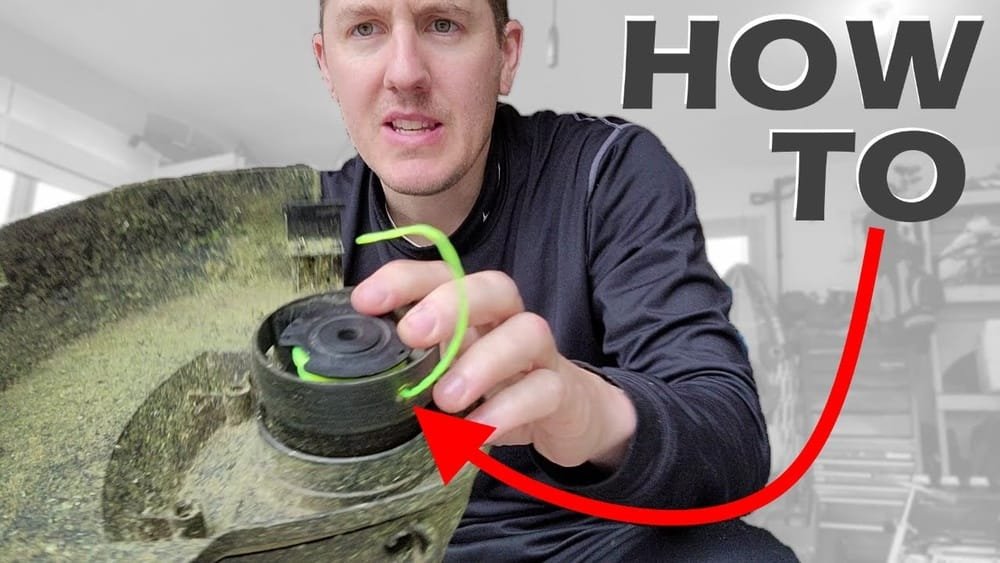
When I first bought a weed trimmer, I thought it would be simple to use. But the first time the line ran out, I stood there staring at the spool, feeling lost. If you’re like me, you probably want to get the job done quickly.
You don’t want to spend half your day fighting with a weed eater. Over the years, I’ve learned a lot of tricks about how to string a weed trimmer. Let me share what I’ve learned, so you can save time, avoid frustration, and keep your yard looking sharp.
What You Need Before You Start
Before I get into the steps, let’s talk about what you’ll need. Don’t worry—there’s nothing fancy here. But having everything ready will make things much smoother.
- Weed trimmer – Obvious, but make sure it’s turned off.
- Replacement trimmer line – Check your manual for the right size.
- Scissors or wire cutters – To cut the line.
- Clean rag – For wiping away dirt.
- Gloves (optional) – For protecting your hands.
I used to just grab any old string from the garage, but I learned that using the right size matters. If you use a line that’s too thick, it might jam. If it’s too thin, it breaks fast. Most trimmers use line between 0.065” and 0.095” thick. Always check the spool or your manual for the right size.
Know Your Weed Trimmer Type
Before you start, you need to know what kind of trimmer you have. There are different types, and stringing each one is a bit different. Here are the main types I’ve used:
| Trimmer Type | Spool System | Difficulty Level |
|---|---|---|
| Single-Line | One line wound onto the spool | Easy |
| Dual-Line | Two lines wound separately | Medium |
| Bump Feed | Tap head to feed line | Easy-Medium |
| Automatic Feed | Feeds line automatically | Easy |
If you’re not sure which you have, check the head of the trimmer or look in the manual. My first trimmer was a bump feed. The one I use now is a dual-line. The process is similar, but there are some key differences I’ll cover.

Step-by-step: How To String A Weed Trimmer
Let me walk you through the process I use. These steps work for most string trimmers, but I’ll mention differences where they matter.
1. Turn Off And Unplug The Trimmer
Safety comes first. I always make sure the trimmer is off. If it’s gas-powered, I pull the spark plug wire off. For electric trimmers, I unplug it. For battery trimmers, I remove the battery. You don’t want this thing firing up while your hands are near the head.
2. Remove The Spool Cap
Most trimmers have a cap you need to remove to get to the spool. Sometimes you push in tabs, sometimes you twist it off. If it feels stuck, don’t force it. Dirt often builds up. I wipe it with a rag and try again.
A lesson I learned: When you take off the cap, lay everything out in the order you removed it. This makes putting it back together much easier. I once lost a small spring and spent 20 minutes looking for it in the grass.
3. Take Out The Old Line And Clean
Pull out any old string left inside. Sometimes there’s only a little left. Other times it’s a tangled mess. I always clean out the spool with a rag. Dirt or old pieces can jam the new line.
4. Measure And Cut The New Line
Check your manual for the right length. Most single-line trimmers need about 10 to 20 feet of line. Dual-line trimmers need two equal pieces. I measure the line out and cut it with scissors or wire cutters.
A tip I picked up: If you cut the line too short, you’ll need to restring again soon. If you cut it too long, it might not fit in the spool. Aim for the length your manual suggests.
5. Find The Starter Hole
Look at the spool. There’s usually a small hole or notch where the line starts. For dual-line, there will be two. Thread about 1/2 inch of the line into this hole. Bend it to keep it in place.
I used to forget this step and the line would slip out as I wound. That’s no fun. Securing the line at the start makes winding much easier.
6. Wind The Line Evenly
Now, wind the line in the direction of the arrow on the spool. If there’s no arrow, check your manual. Usually, it goes clockwise.
Keep the line tight and even. Don’t let it overlap or cross over itself. If it does, it might jam. For dual-line trimmers, wind each line in its own section.
Here’s something I learned the hard way: Don’t wind too tightly. If you do, the line can fuse together, especially in hot weather. Keep a steady, firm tension.
7. Leave Enough Line To Feed Through The Eyelets
Stop winding when you have about 6 inches left. This extra line will feed through the holes in the trimmer head.
8. Thread The Line Through The Eyelets
Slide the ends of the line through the eyelets or holes in the trimmer head. Hold the spool so the lines don’t slip back in.
On dual-line trimmers, make sure each line goes through its own eyelet. If you mix them up, the line won’t feed properly.
9. Snap The Spool Back In
Press the spool and line back into the head. Pull gently on the lines to make sure they’re secure. Replace the cap and lock it in place.
I always give the lines a little tug to check they’re secure. If they pull out, I open it up and try again. It’s better to check now than have the line come out while you’re working.
10. Test It
Plug the trimmer back in, or reattach the spark plug or battery. Hold the trimmer away from anything and start it up. Tap the head (if it’s a bump feed) to make sure the line feeds out.
If it doesn’t, turn it off and check everything again. When I first started, I sometimes wound the line backwards. If that happens, it won’t feed. But now, I always check the arrow on the spool.
Common Mistakes And How To Avoid Them
I’ve made plenty of mistakes over the years. Here are some of the most common, and how to avoid them:
- Wrong Line Size – Always use the size listed in your manual. The wrong size can jam or break.
- Winding Too Loose or Tight – Wind with even tension. Too loose, it tangles. Too tight, it fuses.
- Crossed Lines – Keep the line flat and even. Crossed lines jam the spool.
- Cutting the Line Too Short – Follow the recommended length. Too short means you’ll restring more often.
- Forgetting the Starter Hole – Secure the line at the start so it doesn’t slip.
- Mixing Up Dual Lines – For dual-line trimmers, keep each line in its own section and eyelet.

Types Of Trimmer Lines And Which To Choose
Not all trimmer lines are the same. Picking the right line makes a big difference in how your trimmer works.
| Line Shape | Best For | Pros | Cons |
|---|---|---|---|
| Round | Regular grass | Durable, easy to load | Less cutting power |
| Twisted | Thick weeds | Less noise, cleaner cut | More expensive |
| Square/Star | Heavy brush | Sharp edges, cuts thick stems | Wears faster |
I mostly use round line for my yard. It lasts longer and is easier to wind. If you have a lot of thick weeds, try twisted or square line. Just make sure your trimmer can handle it.
Tips For Trouble-free Trimming
Over time, I’ve picked up a few tricks that make stringing and using a weed trimmer less stressful.
- Store line in a cool, dry place – Heat makes line brittle.
- Soak line in water overnight – This keeps it flexible and less likely to break. I tried this, and it really helps.
- Clean the head regularly – Dirt and grass build up, which can jam the spool.
- Keep extra line handy – I keep a spare pack in my shed so I never run out in the middle of a job.
- Replace the spool if it’s damaged – Sometimes the spool itself wears out. If it’s cracked or rough, get a new one.
When To Replace The Whole Spool
Sometimes, no matter what you do, the trimmer line won’t feed right. If you’ve tried everything—using the right line, winding it neatly, cleaning the head—and it still jams, the spool might be worn out.
I used to keep fighting with an old spool, blaming myself for doing something wrong. When I finally bought a new spool, the problem went away. If you use your trimmer a lot, check the spool for cracks or rough spots every season.
Stringing A Bump Feed Vs. Automatic Feed
Most of my experience is with bump feed trimmers, but I’ve used automatic feed types too. Here’s what I’ve learned:
| Feature | Bump Feed | Automatic Feed |
|---|---|---|
| How it works | Tap head to release line | Line feeds out as needed |
| Stringing method | Manual winding | Usually uses pre-wound spools |
| Common issues | Jams if not wound right | Can misfeed or use extra line |
| Maintenance | Needs regular cleaning | Replace spool when empty |
If you have an automatic feed trimmer, you might just swap out the whole spool. Some brands let you rewind your own, but many sell pre-wound spools. It’s easier but can cost more over time.

Stringing A Weed Trimmer: The Real Benefits
Learning to string your own trimmer saves money and time. Pre-wound spools are handy, but they cost more. Plus, knowing how to do it yourself means you’re never stuck in the middle of a job.
I’ve found that stringing my trimmer gives me more control. I can use the line I like. I can wind it neatly, so it feeds out smoothly. And I don’t have to run to the store every time I run out.
Safety Tips I Always Follow
Weed trimmers are handy, but they can be dangerous if you’re not careful. Here’s what I do every time:
- Wear safety glasses – Debris flies everywhere.
- Wear long pants and closed shoes – Protect your legs and feet.
- Keep people and pets away – The line can throw rocks.
- Never touch the head when the trimmer is powered – Always disconnect first.
I learned to never skip safety gear after a small rock hit my leg one summer. It stung, but it could have been worse.
Frequently Asked Questions
How Often Should I Restring My Weed Trimmer?
It depends on how much you use it. For a small yard, I usually restring once every two or three months. If you trim thick weeds or use your trimmer a lot, you might need to restring more often.
Can I Use Any Kind Of String?
No. Always use trimmer line made for your model. The size and type matter. Using the wrong line can break your trimmer or make it jam.
My Line Keeps Breaking. What Am I Doing Wrong?
It could be a few things. Maybe the line is too old or brittle. Try soaking it in water overnight. Also, check if you’re hitting rocks or fences. Sometimes, using the wrong line shape or thickness makes it break faster.
How Do I Know If My Trimmer Uses Single Or Dual Line?
Look at the spool. If there’s one slot, it’s single line. If there are two, it’s dual line. You can also check your manual. Some trimmers have a label on the head.
Where Can I Find More Information About My Specific Trimmer?
The best source is your user manual or the manufacturer’s website. For general information, you can visit Wikipedia for a broad overview.
Keeping your weed trimmer working smoothly doesn’t have to be hard. Once you’ve strung it a few times, it becomes second nature. Trust me, with a little practice, you’ll be back to tackling your lawn in no time.
As an Amazon Associate, We earn from qualifying purchases