
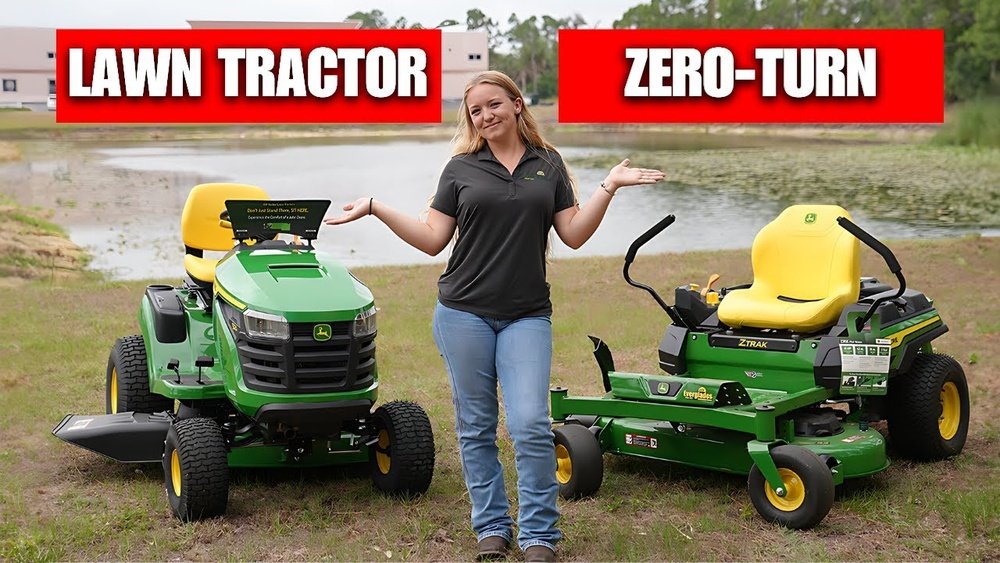
Choosing between a ZTR mower and a lawn tractor can feel confusing, especially if you want a machine that makes mowing faster, easier, and maybe even a bit fun. These two types of riding mowers look similar at first, but they work in very different ways. If you’re thinking about investing in one for your yard—or upgrading from what you have now—it’s important to understand how they compare. This guide walks you through all the key differences, practical pros and cons, and what really matters for homeowners, landscapers, and anyone who wants a better lawn.
Many first-time buyers focus only on price or size, but those are just part of the story. Cutting quality, maneuverability, comfort, maintenance, and even resale value all play a role. And, surprisingly, small details like tire type and control layout can make a big difference over years of use.
Let’s break down what you need to know so you can choose the right mower for your yard and get the best value for your money.
What Is A Ztr Mower?
Zero-turn radius (ZTR) mowers are riding lawn mowers designed for speed and sharp turns. They use two handles instead of a steering wheel. Each handle controls one rear wheel, letting you spin the mower on its own axis—almost in place. This “zero-turn” ability is where the name comes from.
Most ZTR mowers are built with a wide deck (from 42 to 60 inches or more), a low center of gravity, and powerful engines. They’re made for people who want to cut grass quickly, especially around obstacles like trees, flower beds, or fences.
ZTR mowers are popular with professional landscapers, but homeowners with big yards are also buying them more and more. Unlike tractors, ZTRs are mainly focused on mowing and don’t usually support heavy attachments for digging or hauling.
What Is A Lawn Tractor?
A lawn tractor looks more like a small farm tractor, with a steering wheel, four wheels, and a front engine. The cutting deck is usually underneath the middle of the machine. Lawn tractors turn in a wider circle, and you drive them more like a car.
These mowers are known for being versatile. Most models can pull small trailers, spreaders, or snow blades. They may not cut as fast as a ZTR, but they can help with more types of yard work. Lawn tractors are often chosen by homeowners who want a multi-use machine and have large, mostly open lawns.
Key Differences Between Ztr Mower And Lawn Tractor
Understanding the main differences can help you avoid a purchase you regret later. Here’s a look at the most important areas:
| Feature | ZTR Mower | Lawn Tractor |
|---|---|---|
| Steering | Dual lever (independent control) | Steering wheel (car-like) |
| Turning Radius | Zero or near-zero | 12-18 inches (typical) |
| Speed | Up to 8 mph | Up to 6 mph |
| Attachments | Limited (some tow-behind) | Many (carts, snow blades, spreaders) |
| Best for | Complex lawns, obstacles | Open, large lawns |
Control And Handling
The most obvious difference is in how you steer. ZTR mowers use two levers—one for each wheel. Push both forward to go straight, pull back to stop, and move one more than the other to turn. With practice, this lets you make tight turns and even spin in place.
Lawn tractors use a steering wheel and pedals, just like a car. The turning circle is wider, so it takes more space to turn around. This matters a lot if your yard is full of trees or garden beds.
Cutting Speed
ZTR mowers almost always finish the job faster. Many models can mow at 6 to 8 mph, compared to 3 to 6 mph for most lawn tractors. The difference comes from both speed and turning—ZTRs don’t need extra space to turn at the end of each row.
Versatility
Lawn tractors win when it comes to attachments. You can add a cart, a sprayer, a snow plow, or even an aerator. ZTR mowers are mainly for mowing. Some can tow small carts or bagging systems, but they’re not built for heavy pulling or snow work.
Comfort And Ease Of Use
Lawn tractors are often easier for beginners to drive. The car-like controls feel familiar, and you don’t need much practice. ZTRs can be tricky at first, especially on slopes or with uneven ground. However, many people find ZTRs more comfortable after a few uses, thanks to smoother steering and better seats.
Price
Price varies by brand and size, but ZTR mowers usually cost more for the same deck size and engine power. Lawn tractors are more affordable and can be a better value if you need a multi-task machine.
Where Ztr Mowers Excel
Choosing a ZTR mower can make a big difference if your yard is the right fit. Here’s where they stand out:
Speed And Efficiency
If you want to mow as fast as possible, ZTRs are hard to beat. Their high speed and tight turning mean less time spent going over the same area. For yards with lots of obstacles (trees, flowerbeds, playgrounds), the zero-turn feature lets you cut close without extra trimming.
Cutting Quality
Most ZTR mowers have a floating deck that follows the ground better, giving an even cut. The high blade tip speed means a cleaner finish, even in thick or tall grass. Many landscapers prefer ZTRs because the cut looks professional, with fewer missed strips or uneven patches.
Maneuverability
This is the big one. If your yard has curves, corners, or objects to mow around, a ZTR can save you hours each season. You won’t need to back up and reposition as often, and you can cut right up to trees or fences.
Reduced Fatigue
It’s not obvious at first, but using a ZTR is less tiring for long mowing sessions. The controls need less effort, and you’re not constantly turning a steering wheel or shifting gears. Most ZTRs have high-back seats with armrests, which helps on hot days.
Non-obvious Insight: Less Trimming Needed
Most people don’t realize that with a ZTR, you’ll spend less time with a string trimmer. Because you can get so close to obstacles, you may only need to trim around posts or very tight spots. Over a summer, this can save hours.
Where Lawn Tractors Are Better
Lawn tractors are still the best choice for some yards and owners. Here’s why:
Multi-tasking
No ZTR mower can match a good lawn tractor for all-around yard work. You can pull heavy loads, move firewood, spread fertilizer, or plow snow. Some owners use their tractor year-round, not just for mowing.
Stability On Slopes
If your property has hills or uneven ground, a lawn tractor is usually safer. ZTR mowers can slip or lose control on steep slopes because of their rear-wheel steering. Tractors, with four equal-sized wheels and a heavier front end, handle slopes with less risk.
Lower Cost
For the same deck size and power, lawn tractors are less expensive than ZTRs. This makes them a good choice for families, people on a budget, or anyone who wants a reliable mower without breaking the bank.
Learning Curve
Most people can drive a lawn tractor within minutes. The controls are simple, and you don’t need to learn a new way of steering. This is important for older adults, new homeowners, or anyone who doesn’t want surprises.
Non-obvious Insight: Better For Wet Or Soft Lawns
Lawn tractors often have larger, softer tires that spread weight better. If your yard is wet or has soft ground, a tractor is less likely to leave ruts or get stuck.
Yard Types: Which Mower Fits Best?
Every yard is different. Here are some examples to help you match the mower to your property:
- Large, open lawns (1+ acre, few trees): Lawn tractor or ZTR. Both work, but a ZTR is faster.
- Medium yard (½-1 acre, lots of obstacles): ZTR is best for speed and easy turning.
- Hilly or uneven ground: Lawn tractor is safer and more stable.
- Small yard (under ½ acre): Neither is ideal. Consider a walk-behind mower.
- Multi-use (hauling, snow, year-round): Lawn tractor wins for versatility.
A common mistake is buying a ZTR for a hilly yard. Most ZTRs do not handle slopes well, especially if the grass is wet. Always check your yard’s layout before buying.
Detailed Comparison: Ztr Mower Vs Lawn Tractor
Let’s look deeper at how ZTR mowers and lawn tractors compare in the real world.
| Criteria | ZTR Mower | Lawn Tractor |
|---|---|---|
| Mowing Time (1 acre) | 35-45 minutes | 50-60 minutes |
| Deck Sizes Available | 42″ to 72″ | 38″ to 54″ |
| Fuel Efficiency (per hour) | 1-2 gallons | 1-1.5 gallons |
| Comfort Features | High-back seat, armrests, vibration reduction | Standard seat, some with high-back |
| Best Terrain | Flat, obstacles | Flat or hilly |
Mowing Time
ZTR mowers can cut down your mowing time by up to 30% compared to a lawn tractor. This is because you don’t have to make as many turns or go over missed spots.
Deck Sizes
If you have a huge yard or mow commercial properties, ZTRs offer wider decks (up to 72 inches). This means fewer passes and faster mowing. Lawn tractors usually max out at 54 inches.
Fuel Use
ZTRs are a little less fuel-efficient, mostly because of their bigger engines and faster speeds. However, because they finish faster, the total fuel used can be similar for the same area.
Comfort
Most ZTRs come with a better seat, armrests, and less vibration. If you mow for hours at a time, this matters. Some high-end lawn tractors offer these features too, but not all.
Terrain
If your yard is flat, both types work well. On hills, a lawn tractor is safer and less likely to tip.
Maintenance: What To Expect
Both machines need regular care, but there are some important differences.
Ztr Mower Maintenance
- Hydrostatic transmission: Needs fluid changes, can be costly to repair.
- Deck belts: Exposed belts may wear out faster.
- Blades: Easy to change, but sharp blades are critical for a clean cut.
- Tires: Turf tires can lose traction on hills or wet grass.
Lawn Tractor Maintenance
- Engine: Usually easier to access for oil changes or spark plugs.
- Transmission: Simpler than ZTR; some use gear, some hydrostatic.
- Attachments: More moving parts if you use plows or carts.
- Deck: May need to remove deck for blade changes.
Practical Tip: Always Check The Owner’s Manual Before Starting Maintenance. Skipping Oil Changes Or Ignoring Belts Can Lead To Expensive Repairs.
Common Mistakes
- Ignoring tire pressure. Both ZTRs and tractors need proper tire pressure for even cutting.
- Overloading attachments. Lawn tractors can pull carts, but overloading can bend axles or damage the transmission.
- Not sharpening blades. Dull blades tear grass and stress the engine.

Cost Breakdown: Initial And Long-term
Let’s compare real numbers so you can plan your budget.
Ztr Mower
- Entry-level residential: $3,000 to $4,500 (42-50 inch deck)
- Mid-range residential: $4,500 to $7,000 (50-60 inch deck)
- Commercial: $7,000 to $12,000+
Lawn Tractor
- Entry-level residential: $2,000 to $3,500 (38-46 inch deck)
- Mid-range residential: $3,500 to $5,500 (46-54 inch deck)
- Heavy-duty: $5,500 to $8,000
Ownership Costs
- Repairs: ZTR hydrostatic systems are more expensive if they break.
- Blades and belts: Similar for both, around $50-100/year for average use.
- Fuel: Both use regular gas, but ZTRs may use a bit more.
- Resale value: ZTRs keep their value better if maintained well.
Non-obvious Insight: Insurance
Some homeowners’ insurance covers tractors but not ZTRs. Always check before buying, especially for expensive models.
Safety: What Every Buyer Should Know
Both mowers are safe when used correctly, but each has risks.
Ztr Mower Safety
- Slopes: ZTRs are not safe for steep hills (over 15 degrees). Rear wheels can lose grip, causing a slide or tip.
- Speed: The fast speed means you must be careful around children, pets, or cars.
- Learning curve: Inexperienced users can make sharp, sudden turns that damage turf or cause loss of control.
Lawn Tractor Safety
- Tipping: Tractors are less likely to tip but can still flip if you pull heavy loads up hills.
- Attachments: Improper use of plows or carts can cause accidents.
- Children: Never let kids ride as passengers; both machines are dangerous if misused.
Practical Tip: Always Wear Hearing Protection And Sturdy Shoes. Flying Debris Can Cause Injuries, Even With The Best Mowers.

Which Should You Buy? A Step-by-step Guide
If you’re still unsure, here’s a decision process to help you choose:
- Measure your yard. Under ½ acre? Consider a walk-behind mower.
- Count your obstacles. Many trees, beds, or tight spaces? Lean toward a ZTR.
- Check your slopes. More than a 15-degree hill? A lawn tractor is safer.
- Think about other tasks. Need to haul, plow, or spread? Lawn tractor wins.
- Budget. ZTRs cost more upfront but may save mowing time.
- Test drive. Try both at a dealer if possible. Comfort and controls matter more than many people expect.
Environmental Impact
Both types of mowers use gasoline engines, but there are small differences. ZTRs can finish mowing faster, which means less engine time and potentially lower emissions per cut. However, their larger engines may use more fuel per hour.
Battery-powered ZTRs and tractors are starting to appear, but they cost more and have shorter run times. For those wanting a greener solution, walk-behind battery mowers are still the best choice for small lawns.
For more about mower emissions and environmental tips, the U.S. EPA Greenacres program has useful advice.
Real-world Examples
Example 1: Busy Suburban Homeowner
John has a 1-acre, flat yard with lots of trees and a pool. He works full time and wants to finish mowing quickly. He chooses a ZTR mower with a 48-inch deck. Now, mowing takes under an hour, and he rarely needs to use his string trimmer.
Example 2: Rural Property Owner
Linda has 2 acres of mostly open lawn, a long gravel driveway, and needs to move firewood each fall. She buys a lawn tractor with a 54-inch deck and a small trailer. It takes a little longer to mow, but she uses the tractor year-round for many tasks.
Example 3: Landscaper
Miguel owns a small landscaping business. He uses two commercial ZTRs (60-inch decks) because they mow fast and handle complex yards. For his own home, he keeps a lawn tractor for snow plowing in winter.
Performance On Wet And Rough Ground
Lawn tractors usually handle soft or uneven ground better. Their tires are designed to float over wet soil, and the heavier front end keeps them steady. ZTRs can slide on wet grass, especially on hills, and their turf tires can dig in and leave ruts.
If you often mow after rain or in spring, this is an important detail. Some ZTRs offer wider tires or weight kits for better traction, but these add cost.
Storage And Space Requirements
ZTR mowers are wider and take more space to store, especially with large decks. Lawn tractors are usually a bit narrower but longer. Always measure your garage or shed before buying. Don’t forget to allow space for attachments, fuel cans, and maintenance tools.
Upgrade Paths And Resale Value
Many owners upgrade from a lawn tractor to a ZTR after a few years, especially if their yard changes or they want faster mowing. ZTRs keep their value better if you do regular maintenance and store them indoors.
Lawn tractors are easier to sell locally, especially in rural areas, because more people have jobs for them (hauling, plowing, etc. ).
Service And Parts Availability
Both types are sold by big brands like John Deere, Husqvarna, Cub Cadet, and Toro. Parts and dealer support are usually good in most areas, but ZTRs may need special service for their hydrostatic systems.
Before buying, check if you have a local dealer for your chosen brand. Getting warranty service or repairs is much easier if you can drop off your mower nearby.
Final Advice: Getting The Most From Your Mower
No matter which mower you choose, a few simple habits can make it last longer and work better:
- Keep blades sharp for a clean cut and healthier grass.
- Change oil and filters every season.
- Check tire pressure monthly.
- Store indoors to prevent rust.
- Read the manual—features and controls vary by model.
Choosing between a ZTR mower and a lawn tractor is about more than price or deck size. It’s about how you mow, your yard’s layout, and the other jobs you need to do. Take your time, ask for a demo, and think about both today’s needs and future plans.

Frequently Asked Questions
What Is The Main Difference Between A Ztr Mower And A Lawn Tractor?
The biggest difference is how they turn and steer. A ZTR mower uses two levers and can spin in place, making it very fast and agile. A lawn tractor uses a steering wheel and turns in a wider circle, more like a car.
Which Is Better For Hills: Ztr Mower Or Lawn Tractor?
A lawn tractor is usually safer for hills and uneven ground. ZTR mowers can lose traction or tip on steep slopes, especially if the grass is wet. Always follow the manufacturer’s slope guidelines.
Can You Use A Ztr Mower For Snow Removal?
Most ZTR mowers are not designed for snow removal. They don’t have the right attachments or traction for pushing snow. Lawn tractors, on the other hand, can use plows or snow blowers.
Which Type Of Mower Lasts Longer?
With proper maintenance, both can last 10-15 years or more. ZTR mowers may need more expensive repairs if the hydrostatic system fails. Lawn tractors are simpler to fix and may have more local parts support.
How Do I Choose The Right Deck Size?
Pick a deck size that fits your yard and storage space. Larger decks (50 inches or more) mow faster but may not fit through gates or tight spaces. Measure your gates, beds, and storage before buying.
In the end, both ZTR mowers and lawn tractors have their place. The right choice depends on your yard, your needs, and what you want from your mower. Take your time, ask questions, and you’ll find a machine that makes mowing easier and maybe even enjoyable.
As an Amazon Associate, We earn from qualifying purchases