
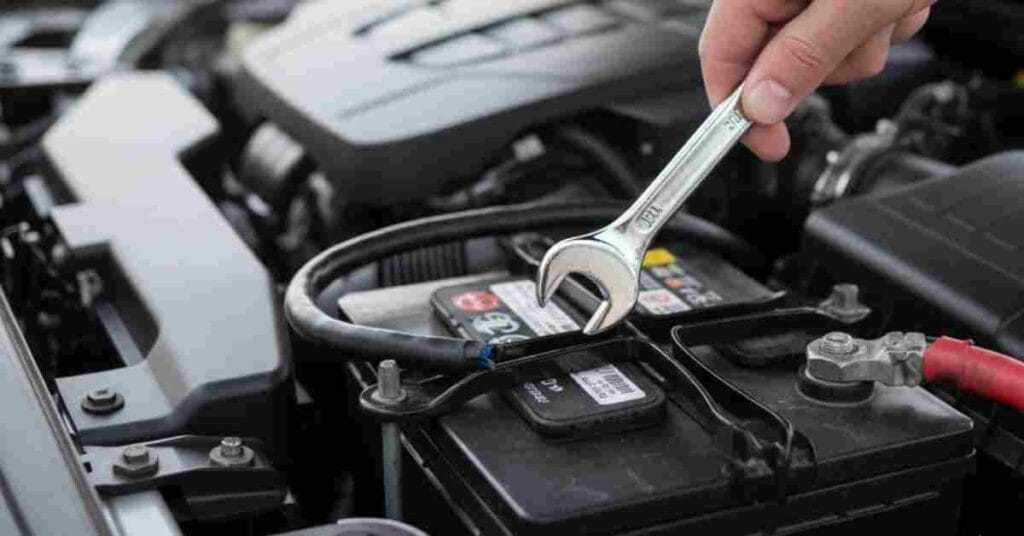
It was a freezing Tuesday morning last February. I had a meeting in forty minutes. I walked to my driveway and turned the key.
Click-click-click.
My heart sank. The battery was dead.

I ran to my garage and dug through my messy toolbox. I felt panic rising. Which tool did I need? If you are in that same spot right now, take a deep breath. Don’t sweat it.
Most cars follow a simple rule. Let’s make sure you grab the right tool so you don’t strip a bolt.
The Golden Rule: The 10mm Wrench
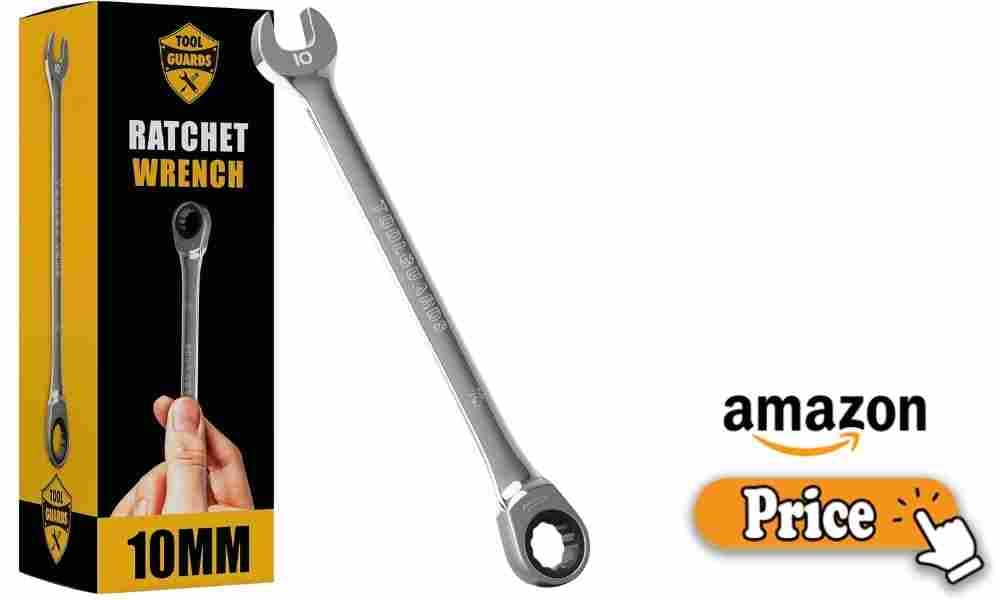
I have worked on old Hondas and my neighbor’s new Ford. Nine times out of ten, a 10mm wrench is the winner. It is the universal tool for car batteries.
Why 10mm?
Almost every car from Japan, Korea, or Europe uses 10mm nuts on the clamps. Even new American cars use them now. The 10mm size is perfect. It fits in the tight gap between the battery and the car wall.
If you have a socket set, use a 10mm deep socket. It fits over the whole nut. This helps if the nut is slippery or has white “battery fuzz” on it.
The American Exception
Do you drive an older Chevy, GMC, or Cadillac? You might not see posts on top.
Some older GM cars have wires that screw into the side of the battery. These look like small bolts. A 10mm wrench won’t fit here. You usually need a 5/16-inch wrench (or 8mm).
Quick Reference Guide for Wrench Sizes
I made this list based on cars I have fixed over the years.
| Car Brand | Terminal Nut Size | Hold-Down Bolt Size |
| Toyota, Honda, Nissan | 10mm | 10mm or 12mm |
| Ford, Jeep, Chrysler | 10mm | 13mm (1/2-inch) |
| VW, BMW, Audi | 10mm | 13mm |
| Chevy / GM (Side Post) | 5/16-inch (8mm) | 13mm |
How to Remove It Safely
Taking a battery out is easy. But you must do it in the right order.
I remember my first time. I touched my wrench to the metal car frame while I was turning the red positive bolt.
Zap!
A huge blue spark jumped out. It smelled like burning ozone. I nearly jumped out of my shoes. Here is how to stay safe.
1. Start with the Negative (Black)
Look for the black cable or the minus (-) sign. Loosen this one first. Once the black cable is off, the car is safe. If your wrench slips later, it won’t spark.
2. Move to the Positive (Red)
Now, go to the red positive (+) side. It might have a red plastic cover. Flip that up. Use your 10mm wrench. Loosen the nut until the clamp is loose. If it is stuck, do not pry on it. Wiggle it side-to-side like a loose tooth.
3. The Hold-Down Bolt
The battery is not just sitting there. It is bolted down so it doesn’t bounce. Look for a bolt at the very bottom of the tray. You will likely need a long bar and a 13mm socket to reach it.
READ MORE: How Does an Impact Wrench Work
Stuck Without Tools?
We have all been there. You are stuck in a parking lot with only a junk kit in the trunk.
If you don’t have a 10mm wrench, a small adjustable wrench can work. Pull it very tight so it doesn’t slip.
I once used a pair of pliers in a rainy grocery store lot. It was not pretty. It chewed up the nut a little bit. But it got me home. If you can, always use the right size socket to keep the metal clean.
FAQs- What Size Wrench for a Car Battery
What size wrench fits a car battery?
Most cars use a 10mm wrench. It is the best tool for the job. Some older trucks may need a 1/2 inch size. Check your car manual to be sure.
Can I use a crescent wrench on a battery?
Yes, an adjustable tool can work. It is great if you lack the exact size. Be careful not to slip. You do not want to hurt your hand or the nut.
What tool do I need for a side post battery?
You will usually need a 5/16 inch wrench. These are common on GMC and Chevy cars. A small socket also works well. It makes the task very quick.
Why is my battery nut stuck?
Old dirt or rust can make it stick. Pour some warm water on it to help. This eats the white fuzz away. Then your 10mm wrench will slide right on.