
When you need a hose for watering plants, washing your car, or handling tough cleaning jobs, it’s easy to get confused by all the options. Two of the most common choices are the utility hose and the garden hose. At first glance, they look similar. Both are long, flexible tubes that carry water. But their differences can impact your work more than you might think. If you choose the wrong one, you might end up frustrated or even damage your equipment. Let’s dig deep into what sets a utility hose apart from a garden hose, so you can choose the right tool for your needs and get the job done efficiently.
What Is A Utility Hose?
A utility hose is a tough, multipurpose hose designed for demanding jobs. These hoses are often used in garages, construction sites, workshops, and sometimes even in factories. They handle tasks like draining water, cleaning driveways, connecting to pressure washers, or moving large volumes of water quickly. Some are also used for transferring chemicals or other industrial fluids, but for this article, we’ll focus on the general water utility hoses.
Key Features Of Utility Hoses
Utility hoses are built for strength and durability. Here’s what sets them apart:
- Material: Usually made from heavy-duty rubber, reinforced PVC, or hybrid polymers. This gives them resistance to cuts, abrasions, and chemicals.
- Thickness: Thicker walls help them handle higher pressure and resist kinks or crushing.
- Fittings: Often have strong metal or industrial-grade plastic connectors.
- Temperature Range: Designed to handle extreme temperatures, both hot and cold.
- Pressure Rating: Many can handle water pressure up to 400 psi or more, which is much higher than what most garden hoses can take.
Typical Uses For Utility Hoses
Utility hoses show their value in tasks where strength and reliability matter:
- Connecting to pressure washers for deep cleaning
- Pumping out flooded basements
- Cleaning industrial equipment
- Draining water from large containers
- Use in commercial car washes
Non-obvious Insights
- Some utility hoses are rated for potable water, but many are not. If you plan to use the hose for drinking water or around food, check the rating.
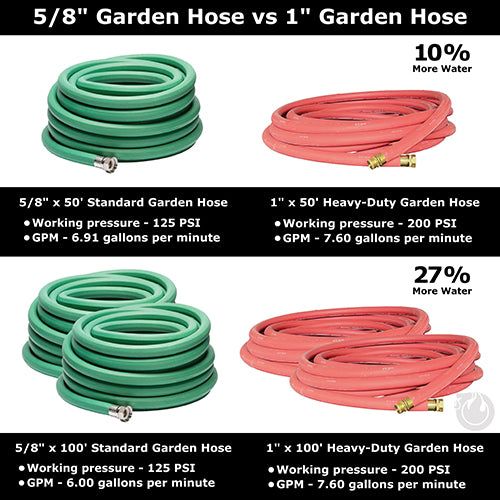
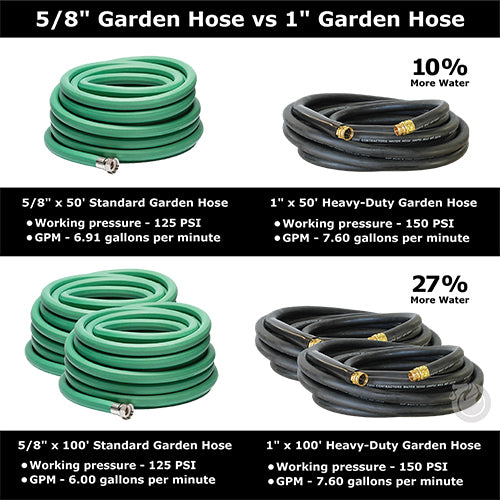
- Utility hoses often have larger internal diameters (5/8″ to 1″) compared to garden hoses, allowing faster water flow but requiring more grip strength to handle.
What Is A Garden Hose?
A garden hose is designed for lighter, everyday tasks around the home and garden. They are popular for watering lawns, filling pools, washing cars, or connecting to sprinklers and hose-end sprayers. These hoses are made with user comfort and flexibility in mind.
Key Features Of Garden Hoses
Garden hoses focus on convenience and ease of use:
- Material: Most are made from lighter PVC, vinyl, or a rubber blend. Many have several layers for kink resistance.
- Flexibility: Designed to be easy to coil, drag, and store.
- Fittings: Standard brass or plastic connectors fit most outdoor faucets and accessories.
- Length Options: Available in a wide range of lengths, from 15 feet to 100 feet.
- Pressure Rating: Usually rated for 60-100 psi, which is enough for most household water systems.
Typical Uses For Garden Hoses
You’ll reach for a garden hose for:
- Watering plants, flowers, and lawns
- Filling up kiddie pools or ponds
- Washing cars, bikes, or garden tools
- Connecting to sprinklers or drip irrigation systems
Non-obvious Insights
- Many garden hoses are not safe for drinking water unless labeled “drinking water safe.” Regular hoses may leach chemicals into water.
- Garden hoses often come with UV-resistant coatings to prevent sun damage, but leaving them in direct sunlight for months can still shorten their lifespan.
Utility Hose Vs Garden Hose: Direct Comparison
To help you see the differences clearly, here’s a side-by-side look at the most important factors.
| Feature | Utility Hose | Garden Hose |
|---|---|---|
| Material | Heavy-duty rubber, reinforced PVC, hybrid polymers | PVC, vinyl, rubber blend |
| Typical Diameter | 5/8″ to 1″ | 1/2″ to 3/4″ |
| Pressure Rating | Up to 400 psi or more | 60–100 psi |
| Flexibility | Less flexible (stiffer) | Highly flexible |
| Weight | Heavier | Lighter |
| Connection Fittings | Industrial, often metal | Standard brass/plastic |
| Cost | Higher | Lower |
| Typical Uses | Heavy-duty, commercial, industrial | Gardening, home use |
Detailed Feature Breakdown
Materials And Durability
Utility hoses use stronger materials to survive tough conditions. Some even have extra reinforcement layers inside the tube, making them less likely to burst or split. If you drag a utility hose across concrete or gravel, it won’t wear out as fast as a garden hose.
Garden hoses are lighter and easier to handle. Most are reinforced, but they can still get punctured or kinked if caught on sharp edges. Premium garden hoses use rubber or layered vinyl, which improves their lifespan, but they won’t match a true utility hose’s toughness.
Water Pressure And Flow Rate
A major difference is pressure tolerance. Utility hoses are built to handle high-pressure water from pumps or pressure washers. If you try to use a garden hose with a high-pressure washer, it might balloon, leak, or even burst. On the other hand, if you use a utility hose for regular garden watering, you’ll notice it’s heavier and harder to maneuver.
The flow rate also changes based on the internal diameter. Utility hoses (5/8″ or 3/4″) can move more water in less time. This is great for draining a pool or cleaning a driveway, but it can waste water when you just want to water your flowers.
Flexibility And Handling
Garden hoses are made to be flexible, so you can wind them around trees, corners, or garden beds. Many use anti-kink designs, but they can still twist if not coiled properly.
Utility hoses are stiffer. This can make them harder to coil and move, but it helps prevent kinking and collapsing under pressure. If you need to lay a hose flat and keep water moving fast, a utility hose holds its shape better.
Fittings And Connectors
Utility hoses often have larger, stronger connectors. Some use heavy-duty metal threads or quick-connect systems for industrial tools. If you have a standard outdoor faucet, you might need an adapter.
Garden hoses use standard-sized connectors (usually 3/4″ GHT – garden hose thread) that fit most outdoor spigots, nozzles, and sprinklers. Replacement parts are easy to find at any hardware store.
Temperature Resistance
Utility hoses can handle boiling water, steam, or freezing conditions, depending on the type. This is crucial if you’re draining hot water heaters or working outdoors in winter.
Most garden hoses are rated for mild temperatures. Some can crack or harden in freezing weather or if left out in the sun for too long.
Cost And Value
A utility hose costs more than a garden hose, sometimes two or three times as much. But it lasts longer under tough use. If you only need a hose for watering the garden, a utility hose is probably overkill. But if you do heavy cleaning, pumping, or construction, the extra investment pays off.
Garden hoses are affordable and work for most homes. Premium models with reinforced rubber and brass fittings cost more but offer better value over years of use.
Weight And Storage
Utility hoses are heavy. Carrying a 50-foot utility hose can feel like dragging a fire hose, especially when full of water. Storing them takes more space and stronger hose reels.
Garden hoses are lighter and easier to hang on a reel or hook. Flexible designs let you coil them up neatly, saving garage or shed space.
Choosing The Right Hose For Your Needs
Picking between a utility hose and a garden hose depends on what you need to do. Here are some scenarios to help you decide:
- Regular watering: For plants, lawns, and small cleaning jobs, a garden hose is best. It’s light, flexible, and fits standard accessories.
- Heavy-duty cleaning: For pressure washers, draining large tanks, or construction cleanup, go with a utility hose. It can handle high pressure and rough use.
- Cold or hot water use: If you need to use hot water or will leave the hose outside in freezing weather, choose a utility hose rated for extreme temperatures.
- Drinking water: Make sure the hose is marked “drinking water safe” if you need to use it for pets, RVs, or filling water tanks.
- Budget: If you want to save money and only do light chores, a garden hose is usually enough.
Example Scenarios
- You’re cleaning mud off a driveway with a pressure washer: Utility hose is the right choice.
- You’re watering a vegetable garden: Garden hose is easier and more comfortable.
- You need to pump water out of a flooded basement: Utility hose will move more water and resist collapse.
- You want a hose for your RV’s drinking water supply: Choose a drinking water safe garden hose (often white or blue).
Common Mistakes When Choosing A Hose
Even experienced homeowners make mistakes when picking a hose. Avoid these pitfalls:
- Buying based only on price: Cheap hoses break down faster, leak, or kink often. You often get what you pay for.
- Ignoring pressure rating: Using a standard garden hose with a pressure washer can be dangerous.
- Not checking length: Long hoses (over 50 feet) can lose pressure. Only buy as much hose as you need.
- Forgetting about fittings: Some hoses have non-standard connectors that don’t fit your faucet or accessories.
- Overlooking material safety: Not all hoses are safe for drinking water or for use with chemicals.
Maintenance Tips To Extend Hose Life
No matter which hose you choose, proper care can double its lifespan.
- Drain after use: Never leave water sitting inside. It can freeze, expand, and split the hose.
- Store in shade: Sunlight weakens hose material over time.
- Coil neatly: Don’t kink or twist the hose when storing. Use a reel if possible.
- Check fittings: Tighten loose connectors, and replace washers to prevent leaks.
- Clean regularly: Rinse the hose to remove dirt, chemicals, or debris that can cause wear.
Utility Hose And Garden Hose: Real-world Examples
Let’s look at how these hoses perform in everyday situations.
Heavy-duty Utility Hose Example
A mechanic’s shop uses a utility hose for cleaning oil spills. The hose connects to a high-pressure water source and must handle hot water and cleaning chemicals. The outer layer resists cuts from tools, and the strong fittings don’t leak under pressure. Over a year, the hose is dragged across the concrete floor hundreds of times and still works like new.
Garden Hose Example
A homeowner uses a garden hose to water flowers and wash their car. The hose is lightweight, easy to wind up, and has a spray nozzle that fits perfectly. After several summers, the hose starts to crack at the ends, but replacing the washers and trimming the cracked section gives it new life.
Hybrid Use: When Lines Blur
Some hoses are marketed as “hybrid” or “contractor” hoses. These combine the best of both worlds: they’re tougher than standard garden hoses but lighter than pure utility hoses. If you need a hose for both home and occasional heavy-duty use, these hybrids can be a good investment.
Environmental And Health Considerations
Hoses can impact your health and the environment, often in ways people overlook.
- Chemical leaching: Cheaper hoses may release lead, phthalates, or BPA into water. For drinking water or use around kids and pets, always look for hoses labeled “lead-free” or “drinking water safe.”
- Material recycling: Most utility hoses are not recyclable in home bins. Old hoses can be repurposed for garden edging or tying up plants, but they usually end up in landfills.
- Water waste: Utility hoses move more water, which can waste gallons quickly if left running. Use nozzles that shut off automatically to save water.
Key Data: Hose Size, Flow Rate, And Pressure
Here’s a quick reference chart for the most common hose sizes and what they mean for water flow and pressure.
| Hose Size (Diameter) | Average Flow Rate (GPM) | Best For |
|---|---|---|
| 1/2″ | 5–7 GPM | Light watering, small gardens |
| 5/8″ | 8–10 GPM | General garden use |
| 3/4″ | 15–18 GPM | Heavy-duty cleaning, utility jobs |
| 1″ | Up to 25 GPM | Commercial/industrial use |
*GPM = Gallons Per Minute
How To Test A Hose Before Buying
If you’re shopping in a store, here’s how to check if a hose meets your needs:
- Bend test: Try bending the hose into a loop. If it kinks easily, it may not last long.
- Check connectors: Brass or metal connectors last longer than plastic.
- Feel the weight: A heavier hose is usually more durable, but make sure you’re comfortable carrying it.
- Read the label: Look for pressure rating, temperature range, and any “drinking water safe” certifications.
- Inspect for layers: Reinforced hoses have visible layers or “webbing” inside for strength.
When To Replace Your Hose
Even the best hose won’t last forever. Replace your hose if:
- It leaks in several places, even after changing washers
- The outer layer is cracked, stiff, or flaky
- It bursts under normal water pressure
- Connectors are stripped or won’t seal
Don’t risk flooding your garden, damaging your pressure washer, or wasting water with a worn-out hose.
Safety Tips When Using Hoses
- Never leave a hose under pressure for long periods. Turn off the faucet when not in use.
- Don’t use a garden hose for hot water unless rated for it; it may burst or release harmful chemicals.
- Keep hoses out of walkways to prevent tripping.
- Store hoses away from direct sunlight and freezing temperatures.
- If using a hose for drinking water, let it run for a minute before filling containers to flush out any stagnant water.
Innovations In Hose Design
In recent years, hose technology has improved. Here are some features you might find on modern hoses:
- Expandable hoses: Lightweight hoses that expand when filled with water and shrink when empty. Great for small gardens, but not for high-pressure or utility use.
- Kink-free designs: Internal reinforcement keeps hoses from twisting or kinking.
- Anti-microbial linings: Useful for drinking water hoses to prevent bacteria growth.
- Quick-connect fittings: Snap hoses on and off tools or faucets in seconds.
- Hybrid polymers: Combine flexibility and strength for all-purpose use.
The Bottom Line
Choosing between a utility hose and a garden hose is all about matching the hose to your job. For light watering and household chores, a garden hose is easier and more comfortable. For serious cleaning, draining, or construction, a utility hose is safer and more reliable. Don’t be tempted to use one hose for everything—using the right tool makes work faster, safer, and more satisfying.
If you want to learn even more about hose specifications and pressure ratings, check out this Wikipedia article on garden hoses.
Frequently Asked Questions
What Is The Main Difference Between A Utility Hose And A Garden Hose?
The main difference is that utility hoses are built for high-pressure, tough jobs and can handle rough use, while garden hoses are designed for flexibility and everyday tasks like watering plants. Utility hoses are heavier, stiffer, and more expensive, but they last longer under harsh conditions.
Can I Use A Garden Hose With A Pressure Washer?
Most garden hoses are not rated for the high pressure of a pressure washer. Using a garden hose can cause leaks or bursts. Check the pressure rating of your hose and always use a utility hose or a hose specifically rated for pressure washers for safety.
Are All Utility Hoses Safe For Drinking Water?
No. Many utility hoses are made from materials that are not safe for drinking water. Always look for hoses labeled “drinking water safe” if you plan to use them for RVs, pets, or any application involving water consumption.
How Do I Prevent My Hose From Kinking?
Choose hoses with anti-kink reinforcement or hybrid materials. Store your hose coiled loosely, and avoid sharp bends. Utility hoses are less likely to kink, but they can still bend if misused.
How Long Should A Good Quality Hose Last?
A quality utility hose can last five years or more with proper care, while a garden hose typically lasts two to five years. Storing your hose out of the sun and draining it after use will extend its life.
Choosing the right hose means fewer headaches, less wasted water, and better results for your work. Take the time to match your needs to the right product, and you’ll be glad you did.
As an Amazon Associate, We earn from qualifying purchases