
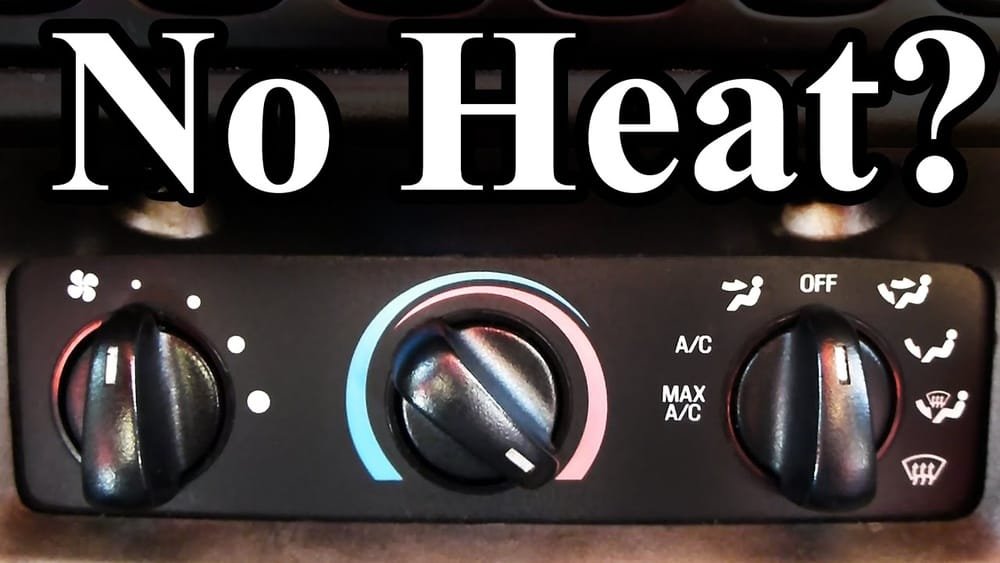
I remember the first cold morning my truck heater stopped blowing hot air. It was freezing outside, and I was looking forward to a warm drive. Instead, I got nothing but cold air and a lot of frustration. Over the years, I’ve learned a lot about why this happens and how to fix it.
If you’re reading this, you probably feel the same confusion and discomfort I once did. Let me walk you through what I’ve learned, so you can get your truck’s heat back and stay comfortable on the road.
How Truck Heaters Work (and Why That Matters)
Before you can fix a heater, it helps to know what’s going on under the hood. In most trucks, the heater uses engine coolant. When your engine runs, it heats up coolant that flows through a heater core (like a mini radiator). A fan blows air over the hot heater core, sending warm air into the cab.
Here’s the simple flow:
- Engine heats coolant
- Hot coolant flows to heater core
- Fan blows air through heater core
- Warm air comes out vents
If any step fails, you get cold air instead of hot. When I realized this, I stopped guessing and started checking each part.
Common Reasons A Truck Heater Blows Cold Air
After dealing with this problem a few times, I found some issues pop up more than others. Here are the main reasons your truck heater might not blow hot air:
1. Low Coolant Level
Low coolant was the first problem I ever had. I opened my hood and saw the reservoir almost empty. The heater can’t work if there’s not enough coolant to heat up.
Tip: Check your coolant level when your engine is cold. Add the right type of coolant if it’s low. Don’t just add water. Use the mix your truck needs.
2. Stuck Thermostat
One winter, my truck took forever to warm up. Even after driving for 20 minutes, the air was still cold. My mechanic friend said, “Sounds like your thermostat is stuck open. ” The thermostat controls coolant flow. If it’s stuck open, the engine never gets hot enough, so the heater doesn’t either.
How to spot it: Your temperature gauge may stay low, even after a long drive.
3. Clogged Heater Core
This one surprised me. Rust or debris can block the small tubes inside the heater core. When that happens, hot coolant can’t flow through. I had to flush mine out—messy, but it worked.
Warning sign: You might smell a sweet odor (coolant) inside the cab. Sometimes, the floor gets damp.
4. Broken Heater Controls
I once thought my heater was broken, but it was just the control knob. If the heater control cable or the electronic switch fails, the vent door doesn’t move. The heater core might be hot, but the air never reaches you.
Quick check: Try switching between hot and cold. If nothing changes, your controls might be the problem.
5. Faulty Blower Motor
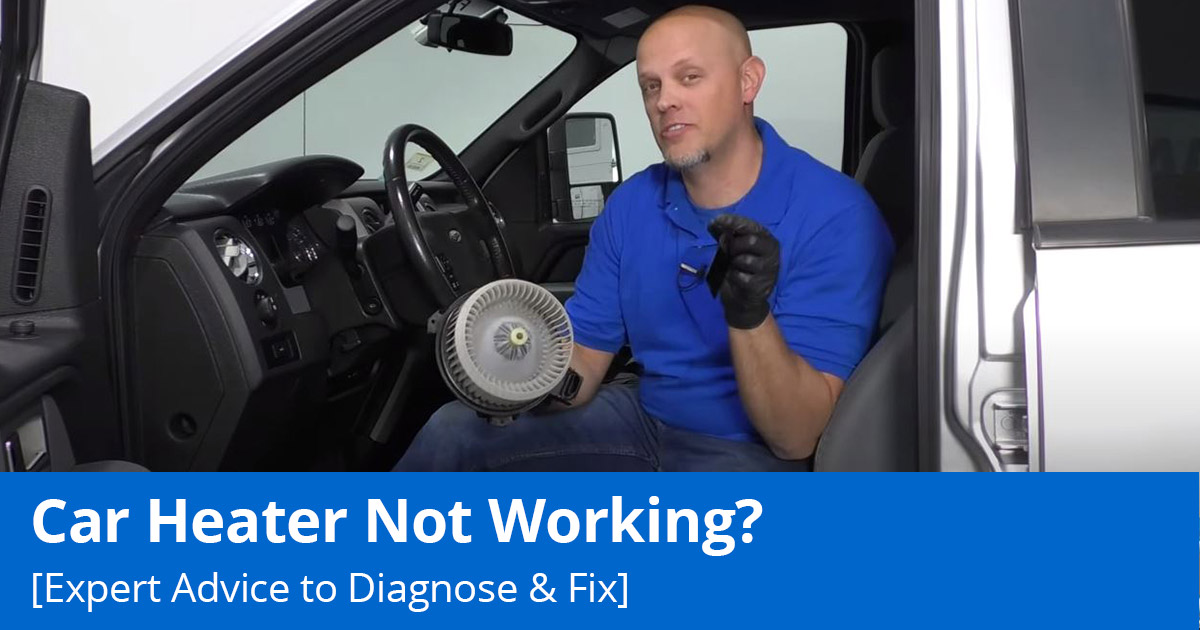
No air at all? Your blower motor could be dead. I once turned my fan up and heard silence. Replacing the motor fixed it.
Test: Turn your fan on high. If you don’t hear anything, that’s a big clue.
6. Air In The Cooling System
Air bubbles in the coolant can block flow to the heater core. I had this after changing my radiator. You need to “bleed” the system to remove air.
Hint: If your heat comes and goes, but your coolant is full, suspect air in the system.
7. Heater Core Valve Problem
Some trucks use a valve to control hot coolant. If it sticks closed, you get no heat. My old pickup had this issue, and a little WD-40 got it working again.
8. Blend Door Issues
Inside the heater box is a blend door that directs air over the heater core or the AC evaporator. If it sticks or the motor fails, the air won’t heat up.
Strange noises: Clicking or ticking under the dash means the blend door actuator could be bad.
9. Faulty Temperature Sensor
Most modern trucks have sensors that control heating. If the sensor is bad, the system may not know to send hot air.
What I noticed: Sometimes, a faulty sensor caused my heater to blow warm one minute, cold the next.
10. Plugged Cabin Air Filter
If the cabin air filter is clogged, airflow drops. You might still get a little warm air, but not enough to heat the whole cab.
Simple fix: I check and replace my cabin air filter every year now.
Diagnosing The Problem: Step By Step
When my heater failed, I learned that guessing wastes time. Here’s how I break down the problem:
Step 1: Check Coolant Level And Condition
Look at the coolant reservoir. If it’s low, top it up. If it’s dirty or rusty, flush and refill. Clean coolant is key for heat.
Step 2: Inspect For Leaks
I look under the truck for drips. Wet spots inside could mean the heater core leaks. Losing coolant means your heater can’t work right.
Step 3: Test The Thermostat
Start the truck cold. Feel the upper radiator hose after a few minutes. If it gets hot slowly, the thermostat may be stuck open.
Step 4: Feel The Heater Hoses
With the engine warm, I check the two heater hoses. Both should feel hot. If one is cold, you may have a clogged heater core.
Step 5: Listen To The Blower
Turn the fan to high. No sound? You might need a new blower motor or fuse.
Step 6: Work The Controls
Switch between hot, cold, defrost, and floor settings. If nothing changes, the controls, blend door, or actuators could be faulty.
Step 7: Check For Air In The System
If you just worked on the cooling system, air pockets may block heat. Bleed the system according to your truck’s manual.
Quick-reference: Problems And Signs
Here’s a simple chart I made for myself when I was troubleshooting. It helps match symptoms to likely causes.
| Problem | What You Notice | Likely Cause |
|---|---|---|
| No air at all | Blower silent | Blower motor or fuse |
| Cold air, always | Temp gauge low | Stuck thermostat |
| Heat comes and goes | After coolant work | Air in system |
| Weak airflow | Fan works, little air | Clogged cabin filter |
| Wet floor, sweet smell | Sticky windows | Leaking heater core |
The Most Overlooked Fixes
When I first faced heater problems, I spent hours looking for complex issues. But sometimes, the fixes are so simple, they’re easy to miss.
Overlooked Fix 1: Air Pockets After Coolant Change
Any time you drain coolant, air can get trapped. This stops the heater core from filling fully. I ran my truck with the radiator cap off (while parked and cold) and squeezed the hoses to let bubbles out. After a few minutes, the heat came back.
Overlooked Fix 2: Cabin Air Filter
I ignored my cabin air filter for years. When I finally checked, it was packed with leaves and dust. Replacing it made a huge difference in airflow and heat.
Repair Costs: What To Expect
If you’re like me, you want to know if you can fix it yourself or need a mechanic. Here’s a breakdown of typical costs and what you can DIY.
| Repair | DIY Difficulty (1-5) | Parts Cost (USD) | Shop Cost (USD) |
|---|---|---|---|
| Add coolant | 1 | $15-30 | $50-100 |
| Replace thermostat | 2 | $20-60 | $120-250 |
| Heater core flush | 3 | $20-40 | $100-200 |
| Replace blower motor | 3 | $40-120 | $200-400 |
| Heater core replacement | 5 | $60-200 | $500-1200 |
Note: DIY difficulty is based on my experience. If you’re new to working on trucks, ask for help before tackling big jobs like the heater core.

Preventing Heater Problems
After going through all this, I’ve learned a few habits to avoid heater trouble:
- Check coolant level every month.
- Change coolant every 2-5 years, depending on your truck’s manual.
- Replace the cabin air filter once a year.
- Run your heater every few weeks, even in summer, to keep things moving.
- Fix small leaks right away before they cause bigger problems.
These steps have saved me money and kept my truck’s heater working when I need it most.
What Not To Do
I made a few mistakes before I got things right. Here’s what I learned to avoid:
- Don’t keep driving with low coolant. It can overheat your engine.
- Don’t ignore strange smells or foggy windows. A leaking heater core can ruin your truck’s interior.
- Don’t force the heater controls. If a knob is stuck, get it checked.

When To See A Mechanic
Some heater problems are tough to fix on your own. Here’s when I go to a pro:
- If the heater core needs replacing (it’s buried deep in the dash)
- If I see coolant leaking inside the cab
- If I’ve tried the easy fixes and nothing works
A trusted mechanic can save you time and hassle, especially if you don’t have the right tools.
Real-world Example: My Worst Heater Failure
A few years back, I was on a winter road trip. The heater quit, and cold air poured out. I checked everything I could at a gas station—coolant was full, controls seemed fine, but still no heat. I made it home, barely, and found the heater core was plugged solid.
It took a full weekend and a lot of learning, but I fixed it. I’ll never forget how miserable that drive was. That’s why I always check my heat before cold weather hits.
Frequently Asked Questions
Why Does My Truck Heater Only Blow Hot Air When Driving?
When you’re moving, the engine runs warmer, and coolant flows faster. If you only get heat while driving, your thermostat might be stuck open or you could have a weak water pump.
Can A Bad Water Pump Cause No Heat In My Truck?
Yes. The water pump moves coolant through the engine and heater core. If it’s failing, you might get little or no heat, especially at idle.
How Often Should I Change My Truck’s Coolant?
Most trucks need coolant replaced every 2-5 years. Check your manual. Old coolant can clog the heater core and cause heater problems.
Is It Safe To Drive With A Truck Heater Not Blowing Hot Air?
You can drive, but it’s risky. If the problem is low coolant or a leak, your engine can overheat. Also, no heat means no defrost, which is dangerous in cold weather.
What Is The Best Way To Bleed Air From The Cooling System?
Let your truck cool down. Open the radiator cap, start the engine, and run the heater on high. Squeeze the upper hose to release air bubbles. Always follow your truck’s service manual.
If you want to learn more about how automotive heating systems work, check out this Wikipedia page on vehicle climate controls.
I hope sharing my story and tips helps you solve your truck heater problems faster than I did. Stay warm and drive safe!
As an Amazon Associate, We earn from qualifying purchases