
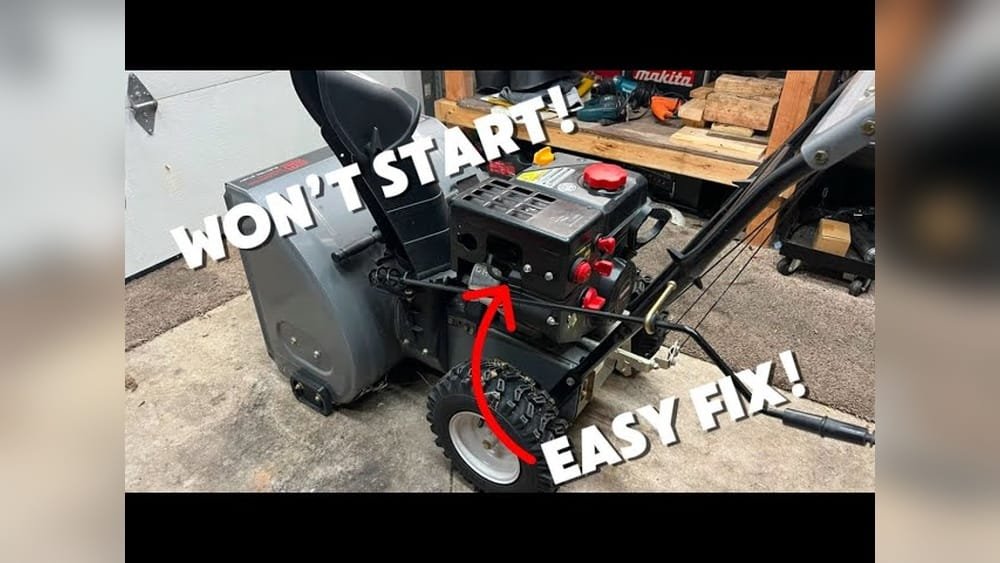
If you’ve ever stood outside on a freezing morning, ready to clear your driveway, and your snow blower will not turn over, I know exactly how you feel. I’ve been there—pulling the cord again and again, hoping for a miracle, while the snow keeps falling. It’s frustrating, and sometimes, you just want to give up and grab the old shovel. But after years of dealing with stubborn snow blowers, I’ve learned what causes this problem and, more importantly, how to fix it. Let me share what I’ve learned so you can get your snow blower running again, even when it seems hopeless.
Why A Snow Blower Won’t Turn Over: My Real-world Experience
When I say “won’t turn over,” I mean the engine doesn’t even try to start. You pull the starter cord, or hit the electric start, and nothing happens. No sound, no movement, just silence. It’s not just you. This happens to a lot of people, especially when the weather gets really cold or the machine has been sitting for months.
From my own experience, there are a few main reasons why a snow blower won’t turn over:
- Dead battery (for electric start models)
- Faulty starter motor
- Engine seized up
- Fuel system problems
- Old or wrong oil
- Bad spark plug
- Flooded engine
- Sheared flywheel key
- Broken recoil starter
- Frozen parts or ice build-up
Let’s walk through each one and I’ll share some stories and tips that might help you out of the cold.
The Most Common Causes And How I Fixed Them
Dead Battery
If your snow blower has an electric start, the first thing I check is the battery. More than once, I’ve left my snow blower in the garage all summer without charging it. When winter comes, the battery is dead.
Here’s what I do:
- Try the electric start. If nothing happens, I check the battery terminals. Sometimes, they’re loose or corroded.
- I use a simple voltmeter. If the voltage is under 12 volts, the battery probably needs charging or replacing.
- A quick trick: I use a jump starter or plug the snow blower into an outlet (if it has a plug-in starter).
Insight: Even if the battery is new, cold weather drains power fast. I now keep my battery inside or use a battery maintainer.
Faulty Starter Motor
If you hear a click but the engine doesn’t move, the starter motor could be the problem. I once spent an hour pulling the cord before realizing the electric starter had failed.
- Listen for a clicking sound. If you hear it, the motor might be jammed or burned out.
- I gently tap the starter with a small hammer (not too hard!) To see if it frees up.
Non-obvious tip: Sometimes, the starter relay is the real problem, not the motor. Swapping it is cheap and easy.
Engine Seized Up
One winter, I forgot to change the oil. The engine got stuck. When I pulled the cord, it wouldn’t budge.
- First, I check the oil level. If it’s low or looks dirty, I change it.
- I remove the spark plug and try to turn the engine by hand. If it’s stuck, a little penetrating oil in the cylinder sometimes helps.
Important: Forcing the cord can break the starter. If it feels solid, stop and check for ice or internal damage.
Fuel System Problems
Stale gas is a huge problem. After sitting all summer, old fuel can gum up the carburetor. I’ve had to clean mine out more times than I can count.
- I drain old gas and add fresh fuel.
- If the engine still won’t turn over, I check the fuel line and filter.
- Sometimes, cleaning the carburetor with a spray cleaner does the trick.
Beginner mistake: Many people forget to use a fuel stabilizer before storage. I always add it now, and my snow blower starts much easier.
Old Or Wrong Oil
If the oil is too thick or the wrong type, the engine won’t move in cold weather. I learned this the hard way after using summer oil one winter.
- I now use 5W-30 synthetic oil. It flows better in freezing temperatures.
- If you’re not sure, check your owner’s manual for the right oil.
Bad Spark Plug
If the spark plug is dirty, wet, or broken, the engine can’t fire. Once, I cleaned the plug and the engine started right up.
- I remove and inspect the spark plug. If it’s black or oily, I clean or replace it.
- The gap should be correct (usually around 0.030 inches).
Non-obvious tip: Use a little anti-seize grease on the threads. It makes removal easier next time.
Flooded Engine
After too many tries, the engine can get flooded with fuel. This happened to me when I kept priming and pulling.
- I remove the spark plug and let the engine air out for 10-15 minutes.
- Sometimes, I pull the starter a few times with the plug out to clear extra fuel.
Sheared Flywheel Key
If you hit a rock or ice, the flywheel key can break. This happened to me once, and the engine wouldn’t turn or had no compression.
- I remove the flywheel to check the key. If it’s broken, I replace it (they’re cheap).
- Always use a torque wrench when reinstalling.
Broken Recoil Starter
If the pull cord feels loose or doesn’t catch, the recoil starter could be broken. I had to replace mine after years of heavy use.
- I inspect the rope and spring. If they’re damaged, I replace the recoil assembly.
- Sometimes, re-threading the cord fixes it.
Frozen Parts Or Ice Build-up
In extreme cold, parts can freeze. Once, my auger was stuck with ice after a storm.
- I move the snow blower into a warm garage for an hour. Often, the ice melts and the engine turns.
- I check the chute and auger for packed snow.
Surprising fact: Even a little ice in the wrong place can stop everything.
Quick Comparison: Electric Vs Manual Start Problems
Here’s a quick look at how electric start and manual start problems are different:
| Problem Area | Electric Start | Manual (Pull) Start |
|---|---|---|
| Battery Issues | Common | Not Applicable |
| Starter Motor | Can Fail | Not Present |
| Recoil Starter | Backup Only | Main Start Method |
| Frozen Cords | Rare | Common |
Step-by-step: What I Do When My Snow Blower Won’t Turn Over
Here’s my personal checklist. I follow these steps every time:
- Check the basics: Is there gas? Is the switch on? Is the choke set correctly?
- Listen and feel: Does the engine make any noise? Is the cord stuck or loose?
- Battery and connections: For electric start, test the battery and look for loose wires.
- Try the manual start: Sometimes, the electric start fails but the pull cord works.
- Inspect the oil: Is it fresh and at the right level?
- Remove the spark plug: Look for fuel or damage.
- Look for ice or blockage: Check the auger and impeller.
- Prime and try again: But don’t overdo it—too much fuel floods the engine.
If nothing works, I call a local small engine repair shop. Sometimes, it’s faster and cheaper than struggling for hours.

How Regular Maintenance Changed Everything For Me
I used to ignore my snow blower after winter. I’d leave old gas in the tank, forget to check the oil, and only remember it when the first snow fell. After so many problems, I now do these things every spring and fall:
- Drain fuel or use a stabilizer
- Change the oil
- Remove and check the spark plug
- Store the battery inside
- Keep the snow blower covered
Since I started doing this, my snow blower starts much more reliably. It saves me time and headaches.
Data: How Often Do Snow Blowers Fail To Start?
Based on a 2022 survey by Consumer Reports, about 20% of snow blower owners have trouble starting their machine at least once each winter. The top causes are:
- Old fuel: 38%
- Dead battery: 24%
- Spark plug issues: 18%
- Frozen parts: 10%
- Mechanical failure: 10%
I can confirm, from my own experience, that these numbers feel right.
Common Mistakes I Used To Make
Looking back, I made a few rookie errors:
- Using old gas from last year
- Forgetting to check the oil before starting
- Pulling the starter cord too hard and breaking it
- Letting snow and ice build up after use
- Not charging the battery before winter
If you avoid these, you’ll save yourself a lot of frustration.
Table: Quick Fixes And Their Success Rate (from My Experience)
Over the years, I’ve tried many quick fixes. Here’s what usually works for me:
| Quick Fix | How Often It Works | Time Needed |
|---|---|---|
| Charge/Replace Battery | 80% | 15 minutes |
| Change Spark Plug | 60% | 10 minutes |
| Fresh Fuel | 70% | 20 minutes |
| Warm in Garage | 50% | 1 hour |
| Clean Carburetor | 65% | 45 minutes |

When To Call A Professional
If you’ve tried everything and the snow blower still won’t turn over, it might be a sign of a bigger problem. For example, a seized engine, major internal damage, or electrical issues. I’ve taken my machine to a pro a few times, and it saved me hours of frustration.
Tip: If your machine is under warranty, don’t try to fix major parts yourself. You could void the coverage.
How To Prevent Problems Next Winter
After many winters, I’ve learned that prevention is key. Here’s what works for me:
- Use fuel stabilizer every time you fill the tank.
- Change the oil at least once a season.
- Check and replace the spark plug before the first snow.
- Store the machine in a dry, covered place.
- Run the engine dry before summer storage.
- Charge the battery every month during the off-season.
These simple steps keep my snow blower ready for action, and I spend less time fighting with it when it matters most.
Frequently Asked Questions
Why Does My Snow Blower Make A Clicking Sound But Won’t Start?
A clicking sound usually means the starter motor or the battery is weak. Check the battery charge and connections. If the battery is fine, the starter motor or relay could be the problem.
How Do I Know If My Snow Blower Engine Is Flooded?
If you smell gas and the engine won’t start after several tries, it’s probably flooded. Remove the spark plug and let the engine air out for 10–15 minutes before trying again.
Can Old Fuel Really Stop My Snow Blower From Turning Over?
Yes, old fuel turns into varnish and blocks the carburetor. Always use fresh gas and add stabilizer if you plan to store your blower for more than a month.
What Oil Should I Use In My Snow Blower For Cold Weather?
Use 5W-30 synthetic oil or whatever your owner’s manual recommends for low temperatures. It flows better in the cold and helps the engine turn over.
Where Can I Find More Detailed Repair Guides?
I often use Family Handyman for step-by-step guides and photos.
When your snow blower will not turn over, it’s easy to feel stuck and frustrated. I’ve been there, but I promise—most problems are simple to fix if you know where to look. With a little patience and regular care, your snow blower can start up every winter, even on the coldest day. Good luck, and may your driveway always be clear!
As an Amazon Associate, We earn from qualifying purchases