
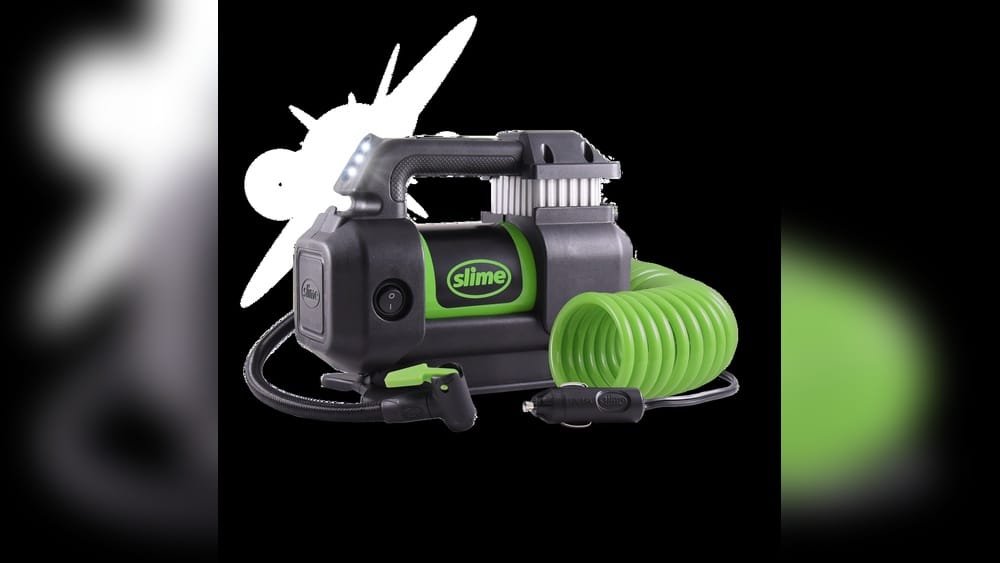
If you’ve ever been stuck with a flat tire and your Slime air compressor refused to work, you know the feeling. My first time was late at night, in a quiet parking lot, with rain drizzling down. I expected a quick fix, but my trusty little compressor didn’t even make a sound. That moment taught me a lot about these handy gadgets, and I want to share everything I’ve learned—so you don’t get caught off guard like I did.
Why Your Slime Air Compressor Might Not Work
When my Slime air compressor failed, I realized there are many reasons why these devices can stop working. Some problems are simple, while others need a bit more work. Here are the most common causes:
1. No Power Supply
The compressor needs power to run. If the outlet or car adapter isn’t working, the compressor won’t start.
2. Blown Fuse
Many models have a fuse inside the plug. If it blows, the device won’t get power.
3. Loose Or Damaged Wires
Wires inside the compressor or in the cable can break or come loose.
4. Faulty Switch
Sometimes, the on/off switch wears out or breaks inside.
5. Defective Motor
The motor can fail, especially if the compressor overheats.
6. Internal Blockage
Dirt or debris inside can block airflow.
7. Leaking Hose Or Nozzle
Air leaks from the hose or nozzle mean less pressure.
8. Overheating Protection
Most compressors shut off if they get too hot, to prevent damage.
9. Dead Battery (for Rechargeable Models)
If you’re using a cordless model, the battery might just be dead.
The first time my compressor failed, I didn’t know where to start. But after a few more incidents, I learned how to check each of these quickly.
Simple Troubleshooting Steps
Let’s walk through the steps I use whenever my Slime air compressor won’t work. These checks are quick and require no special tools.
1. Check The Power Source
The first time my compressor failed, I found out my car’s 12V outlet was dead because of a blown fuse in the car. I now always:
- Try a different outlet if possible
- Make sure the key is in the right position for power
- Test the socket with another device (like a phone charger)
2. Inspect The Compressor’s Fuse
Most Slime compressors have a fuse in the tip of the 12V plug. I once fixed mine in five minutes by changing this fuse.
- Unscrew the tip (you may need pliers)
- Pull out the fuse and check if the wire inside is broken
- Replace it with the same rating if needed
3. Examine The Cords And Connectors
Cords get stepped on or pinched easily. I had a wire break near the plug once. Here’s what to do:
- Wiggle the cord gently while the compressor is on (if it cuts in and out, the cord is likely bad)
- Look for visible damage or burns
4. Test The On/off Switch
A sticky or loose switch can keep the compressor from starting. Once, I fixed mine by just toggling the switch back and forth several times.
- Try flicking the switch a few times
- If it feels loose or doesn’t click, the switch may be worn out
5. Listen For Motor Sounds
If the compressor is silent, the motor could be dead. If it hums but doesn’t run, something might be stuck inside.
- Place your hand on the unit and feel for vibration
- Listen for buzzing or clicking sounds
6. Check The Hose And Nozzle
A few times, I thought my compressor was broken, but air was just leaking out of a cracked hose.
- Look for splits or holes in the hose
- Make sure the nozzle is attached tightly to the tire
7. Let It Cool Down
If you’ve been using the compressor for a while, it can overheat and shut off. I learned this the hard way during a long road trip.
- Wait 15–20 minutes and try again
8. Charge The Battery
For cordless models, I once forgot to charge the battery. Make sure it’s charged, and if it’s old, consider replacing the battery.

Common Issues And How I Fixed Them
After years of using different Slime air compressors, I’ve run into almost every problem. Here are a few stories and fixes that might help you.
Dead Outlet Surprise
On a camping trip, I plugged in my compressor and got nothing. My phone charger also didn’t work, so I checked the car’s fuse box. Sure enough, the cigarette lighter fuse was blown. A quick swap with a spare, and I was back in business.
The Hidden Fuse
One cold morning, my compressor would not turn on. I remembered the little fuse in the plug. It looked fine from outside, but when I opened it, the metal inside was broken. I replaced it with a spare (they’re cheap at auto stores), and it worked instantly.
The Leaky Hose
A slow leak is hard to notice. Once, the compressor ran but the tire never filled up. I sprayed soapy water on the hose and saw bubbles—meaning air was leaking. I wrapped the hole with electrical tape as a quick fix until I could get a new hose.
Overheating Shutdown
During a long drive, I used the compressor for several tires in a row. It suddenly stopped and wouldn’t turn on. I panicked, but after a 20-minute rest, it started right up. That’s when I learned about the built-in thermal cut-off.
How To Prevent Future Problems
After a few bad experiences, I started taking better care of my compressor. Here are my best tips:
1. Store It Properly
Keep it in a dry spot, away from heavy objects.
2. Check The Fuse And Wires Before Each Trip
It takes one minute and saves you trouble later.
3. Don’t Run It For Too Long
Give the compressor breaks, especially if you’re filling more than one tire.
4. Keep Spare Parts
I always carry extra fuses and a small roll of tape.
5. Charge The Battery Regularly
For cordless models, a dead battery is useless in an emergency.
These small habits make a big difference.
Comparing Slime Air Compressor Problems
I made a quick comparison between the most common issues I faced and how easy they were to fix.
| Problem | How I Fixed It | Difficulty |
|---|---|---|
| No Power | Checked outlet, changed car fuse | Easy |
| Blown Plug Fuse | Replaced fuse in 12V plug | Very Easy |
| Hose Leak | Taped hose, replaced later | Medium |
| Overheating | Waited 20 minutes | Easy |
| Dead Battery | Charged battery, replaced if old | Easy |
When To Repair And When To Replace
Not all problems are worth fixing. I learned this after spending too much time and money on an old compressor. Here’s how I decide:
- If the motor is dead or the body is cracked, I buy a new one.
- If it’s a simple fuse, wire, or hose, I fix it myself.
Here’s a quick overview of what’s usually worth repairing:
| Issue | Repair or Replace? | Estimated Cost |
|---|---|---|
| Blown Fuse | Repair | $1–$3 |
| Broken Hose | Repair (if replaceable) | $5–$10 |
| Dead Motor | Replace | $30–$60 |
| Cracked Case | Replace | $30–$60 |
| Worn Switch | Repair (if handy) | $0–$5 |
The Most Overlooked Mistakes (from My Experience)
It’s easy to blame the compressor, but sometimes the problem is simple. Here are two things I used to miss:
- Not checking the car outlet fuse. I wasted hours troubleshooting the compressor before realizing the car’s fuse was the real problem.
- Ignoring small air leaks. Even a tiny hole in the hose or a loose nozzle can make the compressor seem useless.
I now check these things first, and it saves a ton of time.
When It’s Time To Call For Help
Sometimes, a Slime air compressor not working is a sign of a bigger issue. If you smell burning, see smoke, or the unit is physically damaged, don’t try to fix it yourself. Safety comes first. I once saw sparks from a damaged cord—definitely not worth the risk.
If you’re unsure, it’s smart to contact the company or a professional. Slime has a customer service page with helpful guides and support. You can check their official help section at Slime.com for more details.
My Final Thoughts And Advice
Having a Slime air compressor that works when you need it is a huge relief. I’ve learned the hard way that simple checks—like testing the outlet or carrying spare fuses—can save you stress and time. Most problems are small and easy to fix if you catch them early. But if your compressor is old, cracked, or smells burnt, it’s safer to get a new one.
Don’t wait for an emergency to find out your compressor is dead. Test it every few months, keep it charged, and always carry the basics (like fuses and tape). That way, you’ll be ready when you need it most.
Frequently Asked Questions
Why Won’t My Slime Air Compressor Turn On At All?
This usually means there’s no power. Check the car’s outlet fuse, the compressor’s plug fuse, and the power cord. Try another outlet if you can.
What Should I Do If Air Leaks From The Hose?
Look for cracks or holes. You can use electrical tape as a short-term fix, but replace the hose as soon as possible for safety.
How Long Can I Run My Slime Air Compressor?
Most models can run for about 10–15 minutes before needing a break. Let it cool for at least 15 minutes to prevent overheating.
Why Does My Compressor Keep Blowing Fuses?
This might mean there’s a short circuit or the compressor is pulling too much current. Check for damaged wires or a blocked motor. If it keeps happening, don’t use the device until it’s repaired.
Can I Fix A Dead Motor On My Own?
Fixing a motor is usually not worth it unless you are very handy. For most people, replacing the compressor is the safest and easiest choice.
If you ever get stuck, remember: You’re not alone. I’ve been there, and a little patience goes a long way!
As an Amazon Associate, We earn from qualifying purchases