
Choosing the right lawn mower engine can mean the difference between a quick, enjoyable weekend chore and a frustrating afternoon spent battling bogged-down blades. Over the years, I have tested both single-cylinder and twin-cylinder engines across all types of terrain, from flat suburban patches to overgrown, sloping acreages. In this comparison, I will break down how these two engine configurations actually perform in the real world so you can make the right investment for your property.
single cylinder vs twin cylinder lawn mower: At a Glance
| Single-Cylinder Lawn Mower Engine | Twin-Cylinder (V-Twin) Lawn Mower Engine | |
|---|---|---|
| Power Output & Torque | Lower power, best suited for smaller, flat lawns and standard grass. | Higher power and torque, easily handling thick grass, hills, and heavy towing. |
| Engine Vibration | Higher vibration levels, leading to more operator fatigue over time. | Significantly smoother operation with balanced cylinders and minimal vibration. |
| Fuel Efficiency | Highly fuel-efficient, consuming less gas due to a smaller displacement. | Higher fuel consumption to feed two cylinders and produce more power. |
| Maintenance & Repair | Simple and inexpensive to maintain with fewer moving parts to service. | More complex maintenance requiring dual spark plugs, filters, and precise tuning. |
| Initial Purchase Cost | Budget-friendly, making it the standard choice for entry-level mowers. | More expensive, typically found on premium residential and commercial mowers. |
| Engine Lifespan | Shorter overall lifespan as the engine works harder under heavy loads. | Excellent durability and longer lifespan due to shared workload between cylinders. |
| Weight and Size | Lightweight and compact, making the mower highly maneuverable. | Heavier and bulkier, requiring a larger, sturdier mower chassis. |
Complete Comparison: Single-Cylinder Lawn Mower Engine vs Twin-Cylinder (V-Twin) Lawn Mower Engine
| Briggs and Stratton 725EXi Series Single | Briggs and Stratton 44T977-0009-G1 Commercial Turf | |
|---|---|---|
| Product Image | 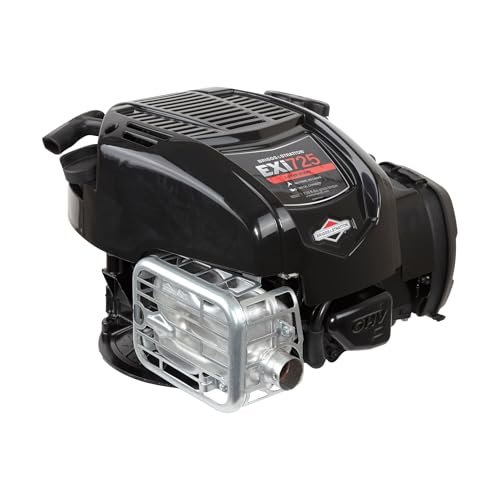 | 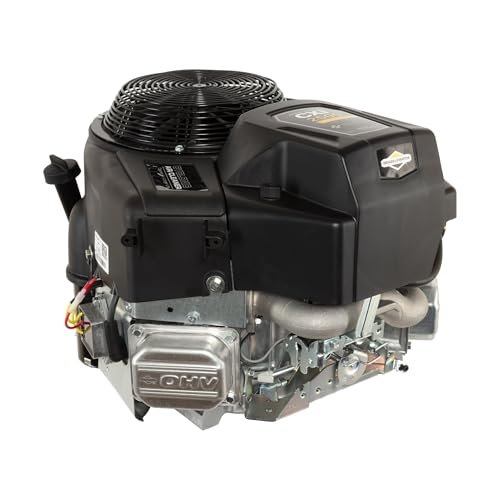 |
| Price | View On Amazon | View On Amazon |
| Category | Mid-Range (Walk-Behind Mowers) | Premium (Commercial Ride-On/Zero-Turn) |
| Engine Design & Cylinder Type | Single Cylinder, Lightweight Air-Cooled 4-Cycle | Commercial Turf Series V-Twin, OHV Technology with Cast Iron Sleeve |
| Starting System | ReadyStart System (no priming/choking required) & Magnetron Electronic Ignition | Magnetron Electronic Ignition with Optional Electronic Fuel Management |
| Lubrication System | DuraLube Splash Lubrication System | Full Pressure Lubrication with automotive-style oil filter |
| Maintenance Requirements | Check and Add Technology (never change the oil, just top off) | High oil fill tube and oil filter changes required for heavy-duty protection |
| Debris and Air Filtration | Standard filtration with low-tone muffler design | Integrated Cyclonic Air Cleaner for advanced protection against airborne debris |
| Governor and Power Delivery | Standard speed governance for regular residential lawn duties | Mechanical Governor and higher torque for consistent power under heavy usage |
| Best For | Residential homeowners seeking lightweight, hassle-free walk-behind mowing | Commercial landscapers and owners of large acreages requiring heavy-duty ride-on power |
| Amazon Link | View On Amazon | View On Amazon |
| Overall Winner | Runner-up (Best for Residential) | Winner (Best for Heavy-Duty/Commercial) |
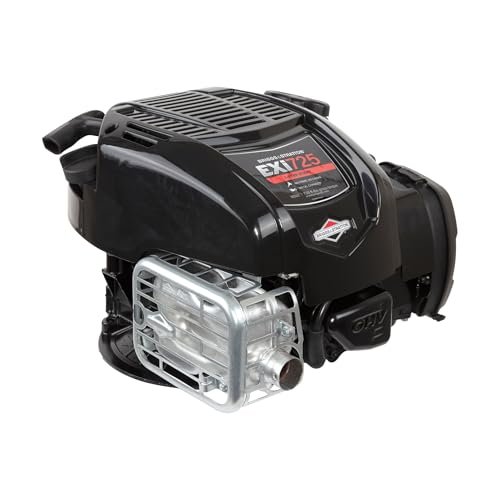
Briggs and Stratton 725EXi Series Single Cylinder Air-Cooled 4-Cycle Gas Engine
The Briggs and Stratton 725EXi Series represents the modern peak of walk-behind mower utility, offering a lightweight and remarkably user-friendly experience. I found that this engine completely eliminates the traditional headaches of pull-start mowers thanks to its ReadyStart starter system which requires no priming or choking before you pull the cord. Maintenance is virtually non-existent here because the Check and Add technology means you never have to change the engine oil, only top it off when it gets low. Its Magnetron Electronic Ignition System delivers a reliable spark every single time, even after the mower has sat in a cold shed all winter. The engine runs surprisingly cool and quiet due to the DuraLube Splash Lubrication System which keeps critical internal components coated in oil. Finally, the lightweight design keeps the overall mower weight down, making it incredibly easy to maneuver around tight flowerbeds without wearing out your arms.
- Check and Add technology eliminates the messy chore of draining and changing the engine oil.
- ReadyStart starter system allows you to start the engine with a single, light pull without priming.
- Magnetron Electronic Ignition System provides a maintenance-free, highly reliable ignition spark.
- DuraLube Splash Lubrication System continuously bathes internal parts for cooler operation.
- Lightweight design reduces overall mower weight to minimize operator fatigue during long jobs.
Pros
- Incredibly easy to start on the first pull without choking.
- No oil changes required over the lifetime of the engine.
- Light enough for effortless maneuvering and pushing.
Cons
- Lacks the raw torque needed for thick, wet, overgrown brush.
- Noticeable vibrations can tire out your hands during extended use.
Best for:
Homeowners with small to medium-flat lawns who want a reliable, push-and-go mower without the hassle of routine oil changes.
Expert Opinion: This engine is a triumph of convenience for the average homeowner, proving that you do not need heavy machinery to get a perfectly manicured lawn.
Briggs and Stratton 44T977-0009-G1 Commercial Turf Series V-Twin Engine
When you step up to the Briggs and Stratton Commercial Turf Series V-Twin, you are entering the realm of serious, commercial-grade landscaping power. This engine utilizes a Cast Iron Sleeve that adds massive structural integrity to withstand daily abuse while significantly improving oil control. I noticed a massive difference in dusty conditions thanks to the Integrated Cyclonic Air Cleaner which flings dirt particles away before they can reach the filter. When you hit a patch of dense, tall grass, the Mechanical Governor instantly opens the throttle to deliver more usable power without letting the engine bog down. It features a Full Pressure Lubrication system with a spin-on oil filter, working just like a car engine to pump clean oil directly to critical bearing surfaces. Consistent starting is handled by the Magnetron Electronic Ignition System which ensures this heavy-duty workhorse fires up quickly in all weather conditions.
- Cast Iron Sleeve protects the cylinder wall from premature wear and improves long-term durability.
- Integrated Cyclonic Air Cleaner uses centrifugal force to keep dirt out of the combustion chamber.
- Mechanical Governor senses heavy loads and instantly adjusts throttle to maintain blade speed.
- Full Pressure Lubrication uses an automotive-style oil filter for superior engine protection.
- Magnetron Electronic Ignition System delivers effortless, reliable starting without point maintenance.
Pros
- Unstoppable torque that glides through thick, tall, and wet grass.
- Exceptionally smooth operation with minimal vibration through the steering handles.
- Built to last for thousands of hours under professional workloads.
Cons
- Considerably heavier and more expensive than single-cylinder options.
- Consumes significantly more fuel during operation.
Best for:
Owners of large properties, estates, or commercial landscapers who operate heavy zero-turn mowers on challenging terrain.
Expert Opinion: This V-twin is an absolute powerhouse, built for anyone who treats lawn care as a serious job rather than a quick weekend chore.
Single Cylinder vs Twin Cylinder Lawn Mower: Key Differences That Matter
Performance Comparison
When you compare a single cylinder vs twin cylinder lawn mower in real-world conditions, the power delivery feels completely different. The single-cylinder engine works hard but can struggle when you drive into deep, wet patches of grass. You will hear the engine RPMs drop, and you may have to slow your walking pace to let the blade catch up.
The V-twin engine handles these obstacles without breaking a sweat. Because the two cylinders fire alternately, they generate continuous torque that maintains blade speed through almost anything. If your yard has steep hills or thick weeds, the twin-cylinder platform provides the sustained muscle you need to keep moving.
Price/Value Analysis
Budget is where the single cylinder vs twin cylinder lawn mower debate gets interesting. Single-cylinder engines are much cheaper to purchase initially. They also save you money over time because they use less fuel and require fewer spark plugs and filters.
V-twin engines demand a premium price tag. The initial cost of a riding mower or zero-turn equipped with a V-twin is significantly higher. You will also spend more on routine maintenance, including buying two spark plugs, larger air filters, and regular oil and filter changes. However, if you have several acres to cut, the time saved by using a faster, more powerful machine easily justifies the extra cost.
Build Quality Comparison
The physical construction of these two engine types reflects their intended lifespans. Single-cylinder engines like the 725EXi are built with lightweight aluminum components to keep the machine agile and affordable. They are designed for residential use, meaning they will last for many years if you use them for an hour or two each week.
V-twin commercial engines are heavy-duty machines. They feature cast iron cylinder sleeves, robust crankshafts, and advanced filtration systems designed to survive dusty, hot environments for hours on end. A well-maintained V-twin can easily outlast two or three single-cylinder engines under heavy use.
User Experience Differences
Operating these engines reveals a stark contrast in comfort. Single-cylinder engines naturally produce more vibration because there is only one piston moving up and down. After an hour of mowing with a single-cylinder machine, you will likely feel some tingling in your hands and arms.
A V-twin engine operates with supreme balance. The two pistons counteract each other’s movement, which cancels out most of the harsh vibrations. The exhaust note of a V-twin is also deeper and smoother, making for a much less fatiguing day in the yard.
Which Should You Choose?
Your choice between these two powerhouses depends entirely on the size of your property and how much time you want to spend maintaining your equipment.
If you own a typical suburban yard under half an acre, a walk-behind mower powered by a single-cylinder engine is the smartest choice. You will appreciate the lightweight design when maneuvering around trees and garden beds. You also will not have to worry about storing bulky oil pans or buying oil filters.
If you are managing a property larger than an acre, or if your yard features steep slopes and thick brush, you need the strength of a V-twin. A riding mower or zero-turn equipped with a twin-cylinder engine will cut your mowing time in half. The extra power ensures a clean cut on the first pass, even in tough conditions.
For the average homeowner with a standard yard, the simplicity and low maintenance of the single-cylinder engine make it the practical winner. For acreage owners and lawn professionals, the smooth power and sheer durability of the V-twin engine make it worth every single penny.
Frequently Asked Questions
Q: What is the main difference when comparing a single cylinder vs twin cylinder lawn mower?
A: The primary difference lies in power delivery and balance. A single-cylinder engine has one piston and is ideal for smaller, lighter push mowers, while a twin-cylinder engine has two pistons that deliver smoother power, higher torque, and less vibration for large yards.
Q: Is a single cylinder vs twin cylinder lawn mower better for fuel economy?
A: Single-cylinder engines are much more fuel-efficient. They have less displacement and only one combustion chamber to feed, whereas V-twin engines burn significantly more gas to produce their higher horsepower.
Q: Do V-twin engines last longer than single-cylinder engines?
A: Generally, yes. V-twin engines are built with heavier-duty components, cast iron sleeves, and full-pressure lubrication systems. This commercial-grade construction allows them to survive many more operating hours than a standard residential single-cylinder engine.
Q: Why does my single-cylinder mower vibrate so much more than my neighbor’s V-twin?
A: Single-cylinder engines have an inherent physical imbalance because there is only one piston moving back and forth. V-twin engines set the cylinders at an angle, allowing the forces of the two moving pistons to cancel each other out, resulting in a much smoother ride.
Q: Can I use a single-cylinder engine on a riding mower?
A: Yes, many entry-level riding mowers use large single-cylinder engines. They work perfectly fine for flat, medium-sized lawns, but they may struggle on steep hills or when pulling heavy cart attachments.
Q: How often do I need to change the oil on a V-twin engine?
A: Most manufacturers recommend changing the oil and the spin-on oil filter every 50 to 100 hours of operation, or at least once per season. This is different from some modern single-cylinder engines that only require you to top off the oil level.
As an Amazon Associate, We earn from qualifying purchases