
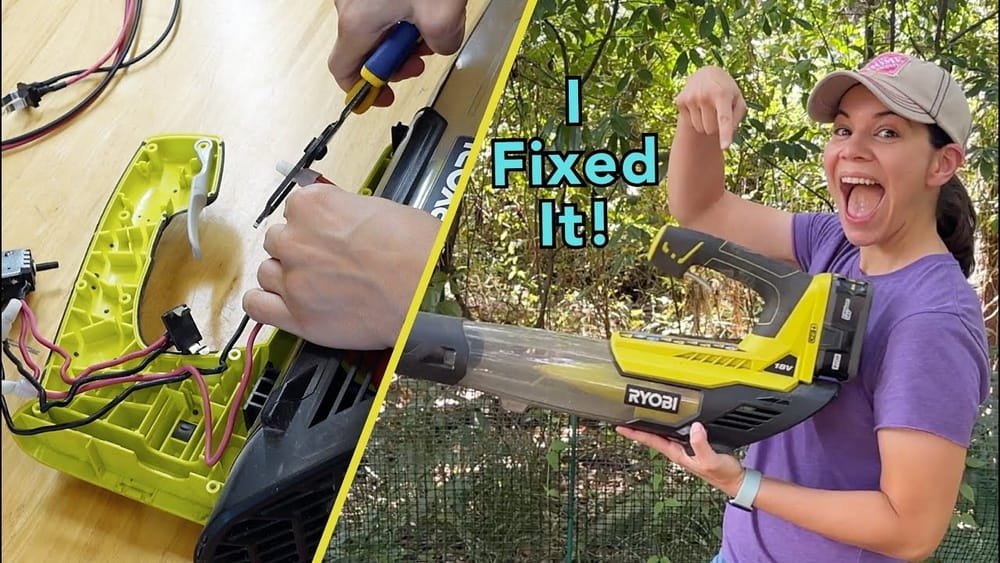
If you’re like me, you love a clean yard but hate raking for hours. That’s why my Ryobi leaf blower is one of my favorite tools. But one day, it just stopped working. I felt frustrated. I depended on it, and now it wouldn’t start. If you’re having trouble with your Ryobi leaf blower not working, you’re not alone. I’ve been through it, tried different fixes, and learned a lot along the way. I want to share my experience so you can get yours running again—without all the stress I had.
The Day My Ryobi Leaf Blower Wouldn’t Start
I remember the first time my Ryobi blower wouldn’t turn on. I squeezed the trigger, but nothing happened. No sound. No air. At first, I panicked. Did I break it? Was it dead for good? I set it down and took a deep breath.
Then, I decided to go step by step to find out what was wrong.
Common Reasons Your Ryobi Leaf Blower Isn’t Working
Over the years, I’ve learned that most problems come from a few common areas. Let me walk you through each one and what you can do about it.
1. Battery Problems
Most Ryobi blowers use 18V or 40V lithium-ion batteries. I learned that battery problems are usually the main reason for a blower not working. Here’s what to check:
- Is the battery charged? Sometimes I thought mine was charged, but it wasn’t.
- Is the battery seated properly? If it’s loose, the blower won’t turn on.
- Is the battery old? Lithium batteries lose power over time.
I once found my battery wasn’t charging at all. I tried a different charger, and it worked. Sometimes, the charger is the problem, not the battery.
2. Trigger Or Switch Issues
After checking the battery, I realized the trigger switch can fail too. If you press the trigger and nothing happens, the switch might be worn out or stuck. Once, I noticed dust had built up around the trigger. I cleaned it with a soft brush, and suddenly, it worked again. It sounds simple, but it’s easy to forget.
3. Blocked Air Intake Or Tube
One day, I noticed my blower made a strange noise but didn’t blow much air. Turns out, leaves and debris can block the air intake. I turned off the blower, took off the tube, and cleaned it out. After that, the airflow was much better. Don’t forget to check both the front and back for blockages.
4. Motor Problems
If you check everything else and the blower still won’t start, the motor might be the problem. Motors can burn out, especially if the blower is old or you use it a lot. I’ve never replaced a motor myself, but I spoke to a repair shop. They said it’s possible, but sometimes it costs more than buying a new blower.
5. Faulty Connections
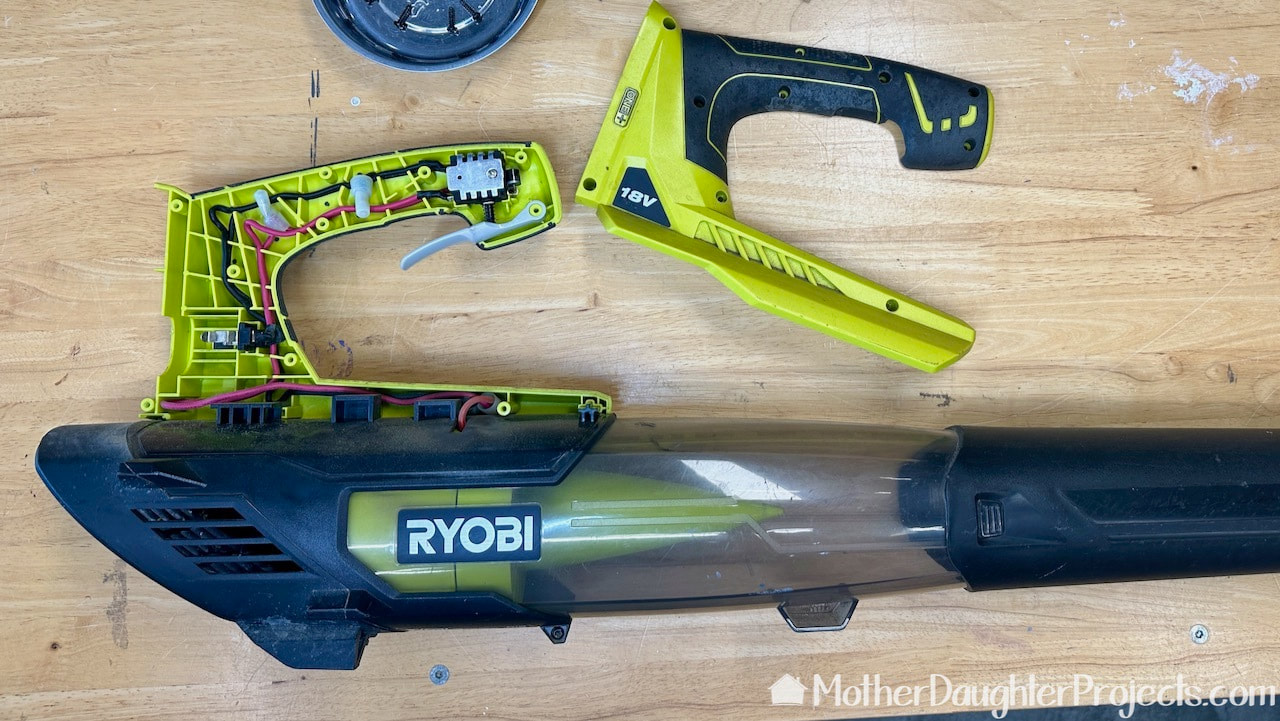
Sometimes, wires inside the blower get loose or corroded. This happened to me after I left my blower in the shed during a damp winter. If you’re comfortable opening up the case, you can check for loose wires. I found one wire that had slipped out.
After pushing it back in, my blower started right up. If you’re not sure, it’s okay to ask for help.

How To Troubleshoot Your Ryobi Leaf Blower
Over time, I created my own step-by-step process to find out why my blower wasn’t working. Here’s what I do every time:
- Check the battery: Make sure it’s fully charged. Try a different battery if you have one.
- Look at the trigger: Press it a few times. Clean around it if needed.
- Inspect the air intake and tube: Remove any leaves, dirt, or other blockages.
- Listen for sounds: If the blower clicks or tries to start, it could be a motor or connection problem.
- Open the case: Only if you feel safe. Look for loose wires or burnt smells.
- Swap chargers: Sometimes, it’s just the charger that’s bad.
Here’s a quick comparison of what usually causes the problem in my experience:
| Problem | How Often I’ve Seen It | Easy to Fix? |
|---|---|---|
| Dead battery | Very common | Yes |
| Blocked air intake | Common | Yes |
| Faulty trigger | Sometimes | Sometimes |
| Motor issue | Rare | No |
| Loose wires | Sometimes | Sometimes |
My Top Tips For Fixing A Ryobi Leaf Blower
Through trial and error, I found some tricks that saved me time and money. Here are my best tips:
Clean Regularly
I learned that cleaning the blower after every use makes a big difference. Dust and leaves can sneak inside. I use a dry cloth and a small brush to keep the vents and tube clear.
Store In A Dry Place
Leaving the blower in the garage or shed is okay, but make sure it’s dry. I had rust on the contacts once because of moisture. Now, I keep it on a shelf off the ground.
Label Your Batteries
I use a marker to write the date I bought each battery. That way, I know which ones are old. If a battery gets weak, I recycle it and get a new one.
Don’t Force The Trigger
If the blower doesn’t start, don’t keep squeezing the trigger. I did this once, and it made things worse. Stop, check the basics, and go step by step.
Use Genuine Ryobi Parts
I tried a cheaper battery once, and it didn’t last. Now I stick with Ryobi-branded batteries and chargers. They might cost more, but they work better and last longer.
Electric Vs Gas Ryobi Leaf Blowers: What I Noticed
My neighbors ask me if electric or gas blowers are better. I’ve used both, and here’s what I found.
| Feature | Electric (Battery) | Gas |
|---|---|---|
| Start-up | Push button, easy | Pull cord, harder |
| Maintenance | Very low | Needs fuel, oil, cleaning |
| Noise | Quieter | Louder |
| Weight | Lighter | Heavier |
| Run time | Shorter (depends on battery) | Longer (depends on fuel) |
| Pollution | None | Emits fumes |
From my experience, I prefer battery-powered. It’s easier to use, and I don’t have to mess with gas or oil. But if you have a huge yard, gas might be better for longer jobs.
Things I Wish I Knew Earlier
When I first bought my Ryobi blower, I didn’t know much about caring for it. These are two things I wish I had learned sooner:
- Battery storage matters. If you leave the battery in the blower all winter, it can lose power. Now, I take out the battery and store it indoors when I’m not using it for a long time.
- Dust loves the intake. Even if you use your blower for just a few minutes, dust can build up fast. I now check the intake every time before I start.
These little steps would have saved me hours of confusion and maybe some money too.

When To Repair Or Replace
One big question I always had: Should I repair or replace my blower? Here’s how I decide:
- If it’s just a battery or a clogged tube, I fix it myself.
- If the motor is burnt out or the circuit board is broken, I look at the cost of a new blower.
- If repairs cost more than half the price of a new one, I replace it.
Sometimes, Ryobi has warranties or repair programs. I found that calling their support line was helpful. They even sent me a replacement part once when my blower was still under warranty.
Maintenance Checklist I Follow
Now, I follow a simple checklist every season:
- Remove and clean the battery contacts with a dry cloth.
- Check the tube and vents for blockages.
- Wipe down the entire blower.
- Charge all batteries fully before storing.
- Store the blower and batteries indoors during cold or wet months.
This routine keeps my blower ready to go and helps me avoid most problems.
Is It Worth Fixing An Old Ryobi Blower?
If your Ryobi blower is more than five years old, you might wonder if it’s worth fixing. In my view, if the fix is cheap and easy (like a new battery), go for it. But if you need a new motor or the repairs cost a lot, it might be smarter to buy a new model.
Newer blowers are often stronger, lighter, and use less power. Plus, technology improves every year.
Where To Find Help
If you run into a problem you can’t fix, don’t worry. There are many ways to get help:
- Ryobi’s official website has troubleshooting guides.
- Local hardware stores often have repair services.
- Online forums are full of people sharing their own fixes.
- YouTube has step-by-step videos for almost every problem.
I found a great step-by-step guide on the Ryobi official support page. It helped me fix a tricky issue with my battery contacts.
What I Learned From My Experience
Looking back, I realize that most problems with my Ryobi leaf blower were small things. A little cleaning, good storage, and the right batteries made a big difference. It’s easy to get frustrated when your tool doesn’t work, but a calm, step-by-step approach usually solves it.
Frequently Asked Questions
Why Won’t My Ryobi Leaf Blower Start At All?
Usually, it’s because of a dead battery or a loose connection. Make sure the battery is charged and snapped in tightly. If that doesn’t help, check the trigger and look for blockages.
Can I Use Any Battery With My Ryobi Blower?
No, you should use Ryobi-branded batteries that match your blower’s voltage (18V or 40V). Using other brands can damage your blower or not work at all.
How Do I Clean The Air Intake On My Blower?
Turn off the blower and remove the battery. Use a soft brush or cloth to clear away dust and leaves from the intake and tube. Check both sides for blockages.
Is It Safe To Open My Ryobi Blower To Check The Wires?
If you’re comfortable with tools and the warranty is over, you can open the case and look for loose wires. But be careful—not all parts are easy to fix, and you could void any warranty.
What Should I Do If My Blower Smells Like Burning?
Stop using it right away. A burning smell can mean the motor is overheating or wires are shorting out. Let it cool down, then check for blockages. If it still smells, get professional help.
Taking care of your Ryobi leaf blower isn’t hard, but it does take a little attention. With some simple checks and a bit of cleaning, you can keep it running for years—just like I have. Don’t get discouraged if it stops working.
Most of the time, the fix is easier than you think!
As an Amazon Associate, We earn from qualifying purchases