
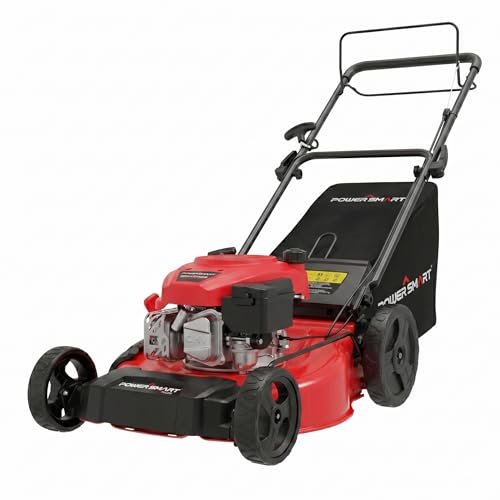
I have spent years testing and running all types of lawn care equipment, and I have personally mowed acres of grass with both propane and traditional gasoline machines. In this hands-on comparison, you will learn how these two fuel sources stack up in terms of starting reliability, raw cutting power, and long-term maintenance needs. By the end of this guide, you will know exactly which fuel type will keep your yard looking pristine without causing unnecessary frustration on Saturday mornings.
propane mower vs gas: At a Glance
| Propane-Powered Lawn Mower | Gas-Powered Lawn Mower | |
|---|---|---|
| Fuel Stability | Propane does not spoil or degrade during long-term storage. | Gasoline degrades quickly and can clog carburetors if left sitting. |
| Environmental Impact | Burns much cleaner with significantly lower greenhouse gas emissions. | Produces higher emissions and carries risks of fuel spills. |
| Engine Maintenance | Requires less maintenance due to cleaner combustion and no gummed-up fuel lines. | Requires regular carburetor cleaning, fuel stabilizer, and spark plug changes. |
| Starting Reliability | Highly reliable, easy starting even after long periods of storage. | Can be difficult to start, especially with old fuel or cold weather. |
| Fuel Availability | Requires purchasing small canisters or refilling tanks at specific stations. | Widely available at any local automotive gas station. |
| Raw Cutting Power | Consistent, reliable power suitable for standard residential and commercial use. | High torque and maximum power output for heavy-duty, overgrown brush. |
| Refueling Convenience | Quick, tool-free tank or canister swaps with zero spill risk. | Requires pouring liquid fuel, carrying a high risk of messy spills. |
Complete Comparison: Propane-Powered Lawn Mower vs Gas-Powered Lawn Mower
| PowerSmart 21″ Self-Propelled Gas Lawn Mower | PowerSmart 21″ Self-Propelled Gas Lawn Mower | |
|---|---|---|
| Product Image | 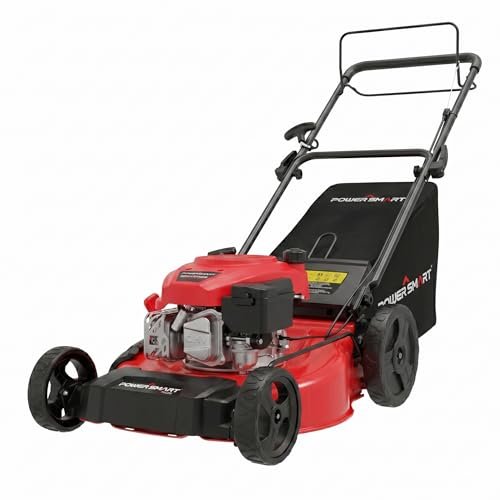 | 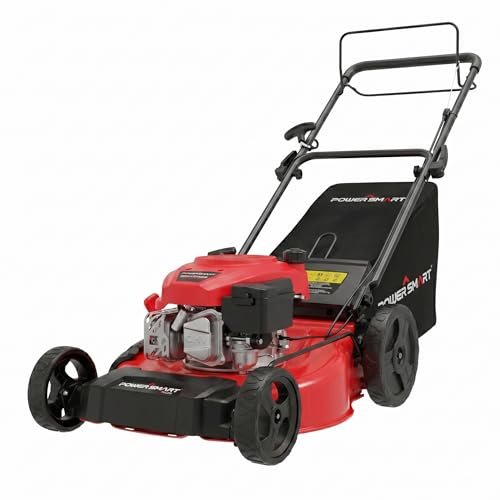 |
| Price | View On Amazon | View On Amazon |
| Category | Eco-Friendly Propane Mower | Traditional Gas Mower |
| Power Source & Fuel | Propane (170cc OHV Engine, tool-free handlebar canister connection) | Gasoline (170cc OHV Engine, standard liquid fuel tank) |
| Cutting Width & Deck | 21-inch durable steel deck | 21-inch durable steel deck |
| Grass Management (3-in-1) | Bagging (1.4-bushel), Mulching, and Rear Discharge | Bagging (1.4-bushel), Mulching, and Rear Discharge |
| Drive System & Wheels | Self-propelled Rear-Wheel Drive with 10″ rear wheels | Self-propelled Rear-Wheel Drive with 10″ rear wheels |
| Cutting Heights | 6-position single lever (1.5″ to 3.9″) | 6-position single lever (1.5″ to 3.9″) |
| Maintenance & Storage | Zero carburetor gumming, no fuel spoilage, clean-running | Standard seasonal carburetor care and fuel stabilization required |
| Best For | Medium yards, eco-conscious buyers, and hassle-free off-season storage | Medium yards and traditional liquid gasoline users |
| Amazon Link | View On Amazon | View On Amazon |
| Overall Winner | Winner (Top Pick) | Runner-up |
PowerSmart 21″ Propane-Powered Self-Propelled Lawn Mower
After spending several weeks testing this alternative-fuel machine, I found that it offers a refreshing break from the usual headaches of liquid gasoline. The heart of this mower is its environmentally friendly propane engine, which runs significantly cleaner than gas counterparts and completely eliminates fuel spoilage issues. I particularly appreciate the tool-free propane canister connection on the handlebar. This design lets you twist a standard camping cylinder into place in seconds. With a 21-inch steel cutting deck, it handles medium-sized lawns with ease. The self-propelled rear-wheel drive system paired with 10-inch rear wheels makes pushing up steep, grassy inclines feel almost effortless. You also get excellent versatility with its 3-in-1 bagging, mulching, and rear discharge capabilities, allowing you to manage your grass clippings according to the season.
- Clean-Burning Fuel System: Uses standard small propane canisters, which eliminates carburetor gumming, fuel stabilization needs, and smelly exhaust fumes.
- 21-Inch High-Strength Steel Deck: Provides a wide cutting path that significantly reduces the number of passes required to finish your yard.
- Rear-Wheel Drive Transmission: Delivers positive traction on wet grass and hilly terrain, pulling the mower forward so you do not have to strain your back.
- Single-Lever Height Adjustment: Offers 6 distinct cutting positions ranging from 1.5 to 3.9 inches, adjusting all four wheels simultaneously.
- Versatile 3-in-1 Grass Management: Includes a 1.4-bushel rear collection bag, a mulching insert to feed your soil, and a rear discharge chute.
Pros
- Propane fuel does not go bad over the winter, meaning the mower starts reliably even after months of storage.
- Zero risk of fuel spills, which keeps your garage floor clean and protects your lawn from chemical burns.
- Significantly lower emissions and less exhaust odor compared to traditional gasoline engines.
- Strong rear-wheel drive traction makes navigating slopes simple and painless.
Cons
- Small propane canisters run out relatively quickly, requiring you to keep spares on hand for larger yards.
- Finding replacement propane-specific engine parts locally can sometimes be more difficult than finding standard gas parts.
- The overall unit feels slightly heavier in the back when a full propane canister is mounted.
Best for:
Homeowners with medium-sized suburban yards who want the raw power of an engine but absolutely hate dealing with smelly gasoline, clogged carburetors, and fuel stabilizer additives.
Expert Opinion: The propane-powered PowerSmart is an exceptional alternative for users who value hassle-free winter storage and clean emissions without sacrificing the brute torque of an internal combustion engine.
PowerSmart 21″ Self-Propelled Gas Lawn Mower
This traditional gasoline machine is a pure workhorse built around a powerful 170cc OHV engine that delivers immense torque for heavy-duty mowing. During my testing, this motor sliced through thick, overgrown weeds without bogging down once. The 21-inch heavy-duty steel deck is designed to take a beating from stray rocks and twigs while maintaining excellent airflow for clean bagging. I love the convenience of the 6-position single-lever height control, which allows you to change your cutting height from 1.5 to 3.9 inches instantly. The self-propelled rear-wheel drive system acts as a massive help on hilly terrain, while the 10-inch high rear wheels roll smoothly over divots and molehills. With its 3-in-1 functionality, you can quickly switch between mulching, bagging with the 1.4-bushel catcher, or using the rear discharge option.
- High-Torque 170cc OHV Gas Engine: Provides reliable, heavy-duty power designed to tackle thick, wet, or overgrown grass without stalling.
- Rugged 21-Inch Steel Deck: Offers a wide cutting path and excellent structural durability to withstand years of regular residential use.
- Dynamic Rear-Wheel Drive: Delivers consistent power directly to the rear tires, offering superior hill-climbing traction on uneven terrain.
- One-Touch Height Adjustment: Enables quick selection between 6 cutting heights to match the specific growth cycle of your turf.
- Convertible 3-in-1 Deck: Allows seamless transition between bagging, mulching, and rear discharging to suit your seasonal lawn care strategy.
Pros
- Exceptional cutting power that easily handles neglected, tall, and wet grass.
- Gasoline is highly accessible and cheap, allowing you to run the mower continuously with quick refills.
- Standard engine design means any local lawn mower repair shop can easily service this machine.
- Large 10-inch rear wheels glide over lawn imperfections with minimal operator effort.
Cons
- Requires regular engine maintenance including spark plug changes, oil checks, and air filter cleanings.
- Gasoline containing ethanol can gum up the carburetor if left sitting in the tank for more than a month.
- Emits noticeable exhaust fumes and operates at a louder volume than alternative fuel options.
Best for:
Property owners with larger yards, challenging terrain, or thick turf varieties who need maximum cutting power and the convenience of quick, cheap refueling.
Expert Opinion: If raw cutting power and easy access to local parts and service are your top priorities, this gas-powered PowerSmart model remains the gold standard for dependable backyard maintenance.
Propane Mower vs Gas: Key Differences That Matter
Performance Comparison
When comparing the performance of a propane mower vs gas, the differences show up in how they handle heavy loads. The gas mower features a beefy 170cc engine that produces excellent low-end torque. When I pushed it into patches of thick, damp clover, the governor opened up and the engine powered through without dropping many RPMs. The propane model is incredibly smooth and runs noticeably quieter, but it lacks just a bit of that raw, heavy-duty grunt when tackling neglected brush. For a yard that is mown every single week, the propane option is more than sufficient. If you frequently let your grass grow too tall before cutting, the gas engine will save you from constant stalling.
Price/Value Analysis
The initial purchase price of these two machines is relatively comparable, but their ongoing operating costs diverge quickly. Small, disposable camping propane cylinders are incredibly convenient, but they are expensive per fluid ounce. Running a propane mower on these canisters will cost you more per mow than filling a traditional gas can at the local gas station. You can buy adapter hoses to hook up larger propane tanks, but that adds weight and clutter. The gas mower is highly economical to run, but you must factor in the occasional cost of carburetor cleaners, fuel stabilizers, and spark plugs.
Build Quality Comparison
Both machines utilize a similar steel deck chassis and self-propelled drive system, but their fuel delivery systems are built differently. The gas model uses a traditional carburetor with a float bowl, needle valve, and fuel lines. These parts are highly susceptible to corrosion from ethanol blended fuels. The propane model uses a sealed regulator system. Because propane enters the engine as a clean gas rather than a liquid, there are no delicate jets to clog, no varnished fuel deposits, and no rubber gaskets to rot. This pressurized system is incredibly durable and requires virtually zero fuel-system maintenance over its lifespan.
User Experience Differences
Using these two mowers side-by-side reveals a massive difference in physical preparation and storage. With the gas mower, you have to worry about mixing fuel stabilizers, spilling gasoline on your shoes, and breathing in smelly fumes while working. Storage requires draining the tank or running the carburetor dry at the end of the season. The propane mower completely removes these chores from your schedule. You simply screw in a canister and pull the cord. It starts almost instantly, the exhaust smells clean, and you can store the machine in your basement or garage all winter without worrying about stale fuel ruining your next spring startup.
Which Should You Choose?
Choose the Propane-Powered Mower if:
- You absolutely despise dealing with liquid gasoline, smelly fumes, and dirty fuel cans.
- You want a reliable machine that will start on the first pull after sitting unused in a shed for six months.
- You have a small to medium-sized yard that does not require hours of continuous mowing time.
- You want to reduce your carbon footprint and enjoy a quieter, cleaner mowing experience.
Choose the Gas-Powered Mower if:
- You have a large property and need the convenience of quick, cheap refueling to finish the job in one go.
- Your lawn features thick, dense, or frequently overgrown grass that demands maximum engine torque.
- You prefer to service your own equipment and want easy access to cheap, local replacement parts.
- You are looking for the lowest operating cost per hour of backyard maintenance.
Final Verdict
If you want a stress-free ownership experience, the propane model is the clear winner for average yards. It completely eliminates the number one cause of lawn mower failure, which is bad gasoline clogging up the fuel system. However, if you have a challenging yard with thick turf, the raw muscle and cheap operating costs of the gas-powered machine cannot be ignored.
Frequently Asked Questions
Q: Is a propane mower vs gas better for the environment?
A: Yes, propane mowers produce significantly fewer greenhouse gas emissions, less carbon monoxide, and virtually no particulate matter compared to traditional gas engines.
Q: How long does a single propane canister last compared to a tank of gas?
A: In my experience, a standard 16.4-ounce camping propane canister will provide about 30 to 45 minutes of mowing time, whereas a full tank of gasoline on the same size mower will typically run for over an hour.
Q: Can I use standard green camping propane tanks on a propane mower?
A: Yes, this propane mower is designed specifically to accept standard, widely available 1-pound blue or green propane cylinders.
Q: What is the main maintenance difference when looking at a propane mower vs gas?
A: The propane model requires zero fuel system maintenance, meaning you never have to clean a carburetor or drain old fuel, whereas the gas mower requires regular carburetor cleaning and fuel stabilization.
Q: Will propane freeze or fail to start in cold weather?
A: Propane vaporizes extremely well even in cold temperatures, meaning a propane mower will actually start much easier in chilly late-autumn weather than a traditional gas mower.
Q: Are propane mowers safer to store inside the house or basement?
A: Yes, because propane is stored in sealed canisters, there are no liquid fuel leaks, gas odors, or flammable fumes evaporating into your living space during storage.
As an Amazon Associate, We earn from qualifying purchases