
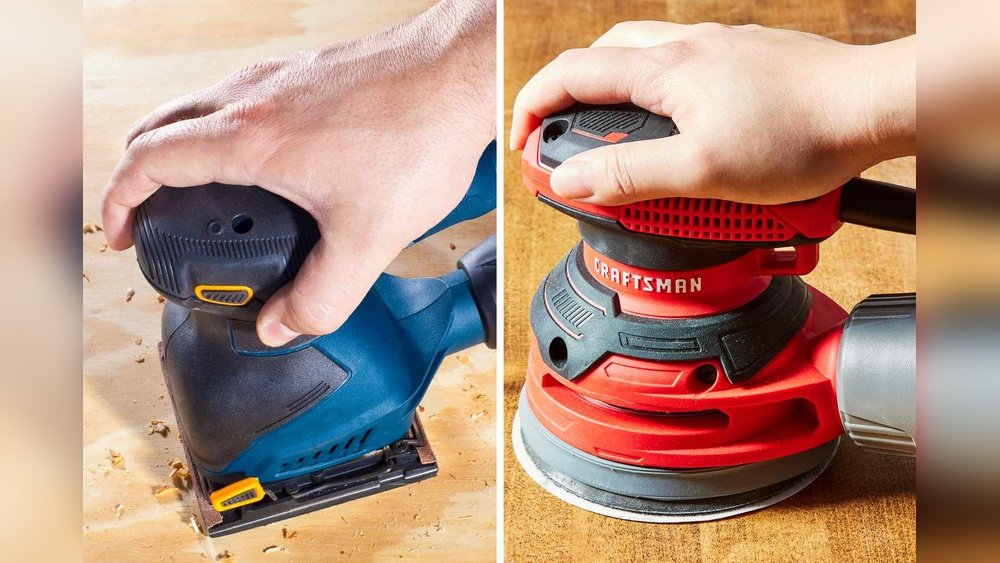
Choosing the right sander can make a big difference in your DIY project or professional woodworking job. Many people struggle to decide between an orbital sander and a palm sander. Both tools look similar and serve the same basic purpose—making surfaces smooth. But they work in different ways and are best for different tasks. Understanding how they compare will help you avoid wasted time, poor results, and even costly mistakes.
This guide breaks down the differences, pros, cons, and best uses of each sander type. You’ll also find expert tips and insights that go beyond the basics. Whether you are new to sanding or want to upgrade your tools, you’ll learn what matters most for your projects.
What Is An Orbital Sander?
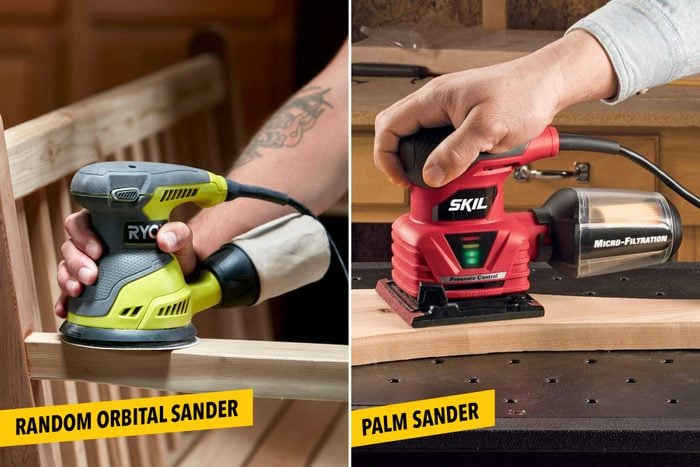
An orbital sander is a power tool that moves its sanding pad in small, circular orbits. This motion helps the tool remove material quickly and evenly. Most orbital sanders use round pads, and they often have a motor power between 2 and 5 amps. The speed usually ranges from 6,000 to 12,000 oscillations per minute (OPM).
Orbital sanders are sometimes called random orbital sanders when their pad both spins and orbits at the same time. This random pattern prevents visible sanding marks, making them a favorite for finishing work.
Common applications include:
- Smoothing wood before painting or staining
- Removing old finishes from furniture
- Preparing drywall before painting
- Light shaping or rounding of edges
What Is A Palm Sander?
A palm sander, also called a 1/4 sheet sander or finishing sander, is smaller and lighter. It gets its name because it fits nicely in the palm of your hand. This tool moves its square or rectangular pad in a tight, fast back-and-forth motion.
Palm sanders use regular sandpaper cut to size, often holding a quarter of a standard 9×11-inch sheet. They run at a speed similar to orbital sanders, but their design is focused on control and gentle sanding rather than speed.
Typical uses include:
- Final smoothing of wood before finishing
- Sanding small or delicate surfaces
- Working in corners and along edges
- Quick touch-ups between coats
Side-by-side Comparison
To help you see the differences quickly, here’s a breakdown:
| Feature | Orbital Sander | Palm Sander |
|---|---|---|
| Pad Shape | Round (usually 5″ or 6″) | Square or rectangular |
| Motion | Orbital (often random) | Back-and-forth (vibration) |
| Material Removal | Faster, can be aggressive | Gentle, slower removal |
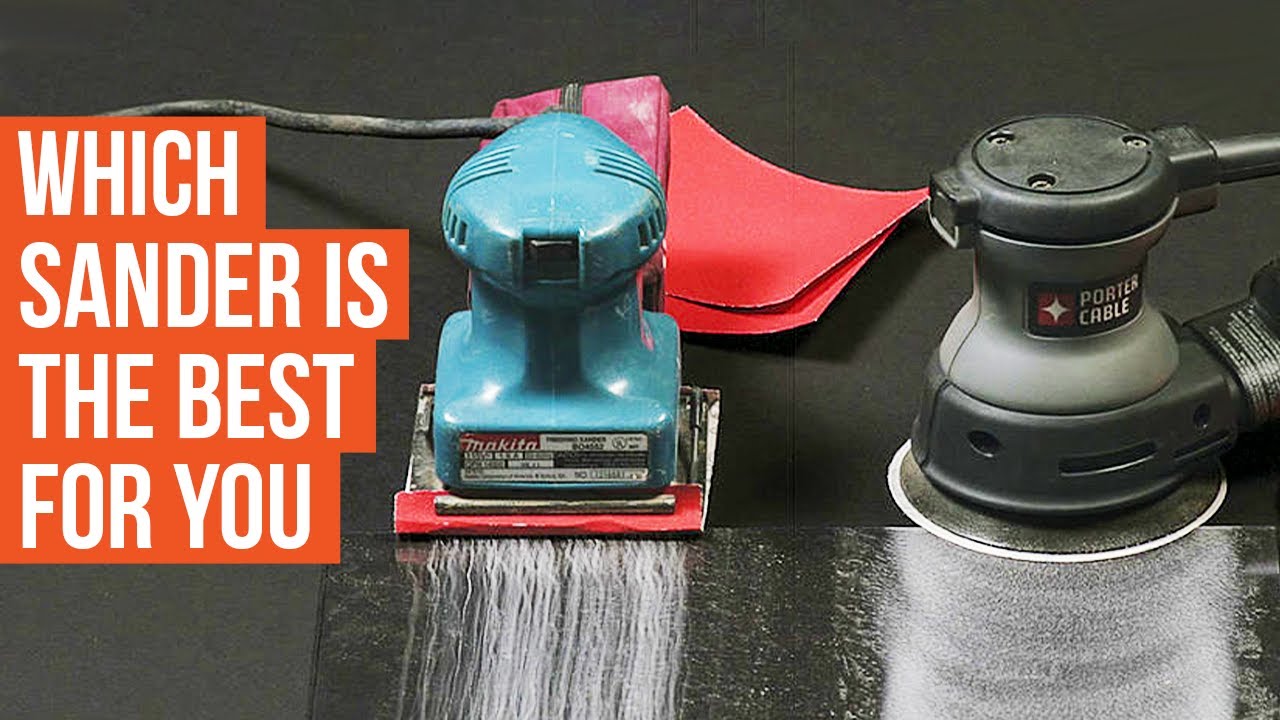
| Finish Quality | Very smooth, swirl-free | Smooth, but can leave tiny lines |
| Best For | Large, open surfaces | Edges, corners, smaller jobs |
| Sandpaper Type | Discs (hook-and-loop or adhesive) | 1/4 sheet regular sandpaper |
| Price Range | $40–$200 | $20–$80 |
How Each Sander Works
Knowing how each tool works helps you pick the right one.
Orbital Sander Operation
The orbital sander pad moves in overlapping circles. When you turn it on, the motor spins a shaft connected to the round sanding pad. Some models add a spinning action (random orbital) on top of this. The random movement means the sander never follows the same path twice, so it avoids creating patterns in the wood.
This tool is best for:
- Removing paint and varnish from large areas
- Smoothing rough boards quickly
- Blending edges and surfaces evenly
Palm Sander Operation
The palm sander moves its pad in tiny straight lines—like a vibration. The pad is square or rectangular, which makes it easy to sand right up to edges and into corners. You hold it with one hand and guide it gently over the surface.
This tool is best for:
- Light sanding between coats of finish
- Working in tight spaces
- Polishing or very fine finishing

Pros And Cons
Each sander has its strengths and weaknesses. Here’s what you need to know.
| Type | Pros | Cons |
|---|---|---|
| Orbital Sander |
|
|
| Palm Sander |
|
|
Key Factors To Consider When Choosing
Choosing between an orbital sander and a palm sander depends on several factors. Think about these before you buy:
1. Project Size
If you often work on large, flat surfaces like tabletops or doors, an orbital sander will save you time. For small projects or detailed items, a palm sander is easier to control.
2. Surface Detail
Need a perfectly smooth finish with no swirl marks? Orbital sanders are better. If you need to get into corners and tight spots, a palm sander’s square shape wins.
3. Sanding Speed
Orbital sanders are much faster for removing material. Palm sanders are slower, but that’s good for careful, gentle work.
4. Price And Budget
Palm sanders are usually cheaper—both to buy and to maintain. Orbital sanders cost more, but you may get better results on big jobs.
5. Sandpaper Cost And Availability
Palm sanders use regular sandpaper, which is cheaper and sold everywhere. Orbital sanders use special discs, which cost more and sometimes are harder to find.
6. Dust Collection
Both types usually come with a dust bag or port. Orbital sanders often have better dust control, which is important if you want a cleaner work area.
Real-world Examples
Let’s look at some practical situations to help decide:
- If you’re refinishing a coffee table, an orbital sander will quickly remove old varnish and smooth the wood. Finish with a palm sander to get into corners.
- For window frames or picture frames, a palm sander is easier to control and fits the tight areas.
- Sanding a hardwood floor? Orbital sanders can do the job, but you may need a larger, specialized floor sander for best results.
- For DIY crafts or model building, palm sanders are gentle enough for delicate materials.
Common Beginner Mistakes
Many first-time users make similar errors. Avoid these:
- Using too much pressure—Let the sander do the work. Pressing down can cause uneven sanding or damage.
- Skipping grits—Start with a coarse sandpaper and work up to fine. Jumping straight to fine grit gives poor results.
- Using the wrong sander—Trying to sand a large surface with a palm sander takes forever. Using an orbital sander on tiny parts can be hard to control.
- Not changing sandpaper often enough—Worn-out paper stops working well and can burn wood.
- Ignoring dust collection—Dust can clog paper and make your finish rough. Attach dust bags or a vacuum if possible.
Which Is Best For You?
There’s no single answer. Here are some guidelines:
- Choose an orbital sander if:
- You want to sand large, flat surfaces fast
- You need a swirl-free finish
- You don’t mind spending a bit more
- Choose a palm sander if:
- You work on small projects
- You need to sand in corners or along edges
- You have a tight budget or need something lightweight
Many woodworkers own both tools. They use the orbital sander for most of the work and the palm sander for finishing touches and tight spots.
Maintenance And Longevity
Both sanders need care to work well for years:
- Clean dust ports after each use. Dust buildup can block airflow and cause overheating.
- Check cords and plugs for damage regularly.
- Replace pads and sandpaper as needed. Torn pads can damage your workpiece.
- Store in a dry place to avoid rust on metal parts.
A well-maintained sander can last 5–10 years or longer. Some brands offer long warranties—always check before buying.
Safety Tips
Power sanders are safer than many tools, but follow these rules:
- Always wear a dust mask or respirator—fine wood dust is harmful.
- Use ear protection if sanding for long periods.
- Keep loose clothing and hair away from moving parts.
- Unplug the tool before changing sandpaper or doing maintenance.
- Work in a well-ventilated area.
Environmental Impact
Most sanders are electric and use little power (100–400 watts). Still, sanding creates a lot of fine dust. Use HEPA filters or connect to a shop vacuum to reduce air pollution.
Choosing sandpaper made from recycled materials or biodegradable backings can also lower your environmental footprint.
Latest Trends In Sanders
Tool technology keeps improving. Some new features include:
- Variable speed control for more precise sanding
- Cordless models with long-lasting batteries
- Improved dust collection systems
- Ergonomic grips for less hand fatigue
- Brushless motors for longer tool life
These features cost more but can be worth it if you use your sander often.
Data On Market Popularity
According to industry reports, orbital sanders are the most popular type for home and professional use, making up about 60% of all handheld sander sales in the US in 2023. Palm sanders are often chosen by beginners and hobbyists due to their lower price and ease of use.
For more in-depth industry data, visit the Wikipedia Sander page.
Frequently Asked Questions
Is An Orbital Sander Better Than A Palm Sander For Beginners?
Both tools are beginner-friendly, but a palm sander is lighter, quieter, and easier to control, making it a better choice for most first-time users. However, if you need to sand a large surface, an orbital sander will save time and effort.
Can I Use Regular Sandpaper With Both Sanders?
Palm sanders use regular sandpaper cut into quarters. Orbital sanders use special round discs with hook-and-loop or adhesive backing. You cannot use standard sheets with most orbital models.
Do Orbital Sanders Leave Swirl Marks?
Modern random orbital sanders rarely leave visible swirl marks if used properly. Always keep the sander moving and finish with a fine grit for best results.
What Safety Gear Should I Use With Sanders?
Wear a dust mask or respirator, safety glasses, and ear protection. Fine dust can cause breathing problems, and sanders can be noisy.
How Often Should I Replace Sandpaper?
Change sandpaper when it feels smooth, stops cutting well, or is clogged with dust. For big jobs, you may need several changes per project.
Choosing between an orbital sander and a palm sander depends on your needs, budget, and the types of projects you plan. Understanding the strengths and weaknesses of each tool will help you get the best results and enjoy your woodworking or DIY tasks much more.
As an Amazon Associate, We earn from qualifying purchases