
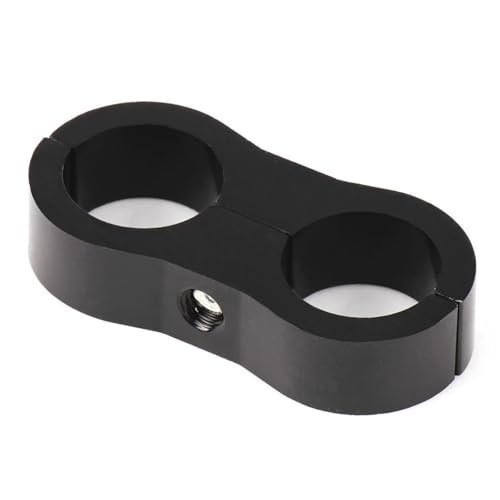
I know the frustration of chasing down engine problems without solid clues. Eventually, I learned the critical skill of truly reading what my spark plugs were telling me. Understanding lean spark plug color, specifically, became my secret weapon for accurate diagnostics and effective repairs.
The Silent Story of Lean Spark Plug Color
When I first started turning wrenches, diagnosing engine issues felt like detective work with too many suspects and not enough evidence. Then, I discovered the power of reading spark plugs. A spark plug, once removed, acts like a tiny, soot-covered oracle, whispering secrets about an engine’s combustion health. While there are many patterns, the “lean spark plug color” is one of the most critical to recognize, and frankly, one of the most dangerous if left unchecked.
A lean condition means there’s too much air for the amount of fuel entering the combustion chamber. Think of it like trying to start a campfire with too much kindling and not enough accelerant – it struggles, burns inefficiently, and can even become dangerously hot. For an engine, this translates to higher combustion temperatures, which can lead to pre-ignition, detonation, and ultimately, severe engine damage like melted pistons or valves.
Over my years of hands-on testing, I’ve seen countless engines come through my shop exhibiting symptoms from mild hesitation to catastrophic failure, all traceable back to a lean condition. The spark plug is often the first visual indicator, long before a check engine light illuminates or a catastrophic failure occurs. So, what exactly are we looking for?
A spark plug indicating a lean condition typically shows a very light, almost white or chalky appearance on the insulator tip. Sometimes, it can even look slightly gray. Critically, there will be very little to no carbon deposits. In severe cases, you might even see signs of electrode erosion or blistering due to the extreme heat. This stark contrast from the healthy tan or light brownish color is a glaring red flag that the engine is running dangerously hot and starved for fuel. Spotting this visual cue immediately directs my diagnostic efforts towards fuel system issues, vacuum leaks, or sensor malfunctions.
Getting to those plugs to inspect them, however, can be a whole other challenge. An unorganized engine bay, tangled wires, and obscured access points can turn a simple plug inspection into a frustrating ordeal. In my pursuit of efficient diagnostics, I’ve learned that having a well-organized engine bay is just as important as having the right diagnostic tools. It speeds up the process, reduces the risk of accidental damage, and makes repeat inspections (which are often necessary when chasing down lean conditions) much less of a headache. I’ve found that even seemingly minor components like spark plug wire holders play a surprisingly significant role in maintaining this diagnostic efficiency.
1. Spark Plug Wire Holder 10PCS AN4 Double Port Clamp
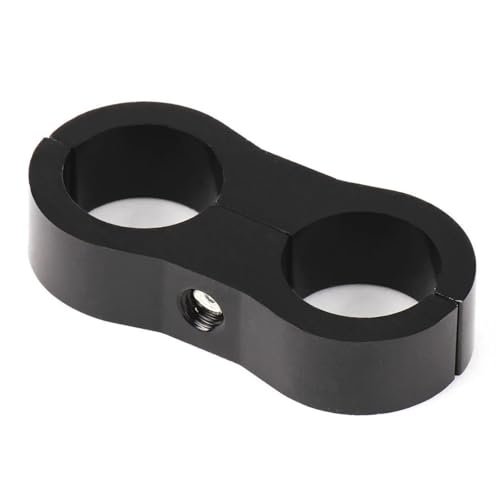
During a project involving an older classic that constantly threw lean codes, I found myself repeatedly pulling and inspecting spark plugs. The original wiring was a chaotic mess, making access a real pain. That’s when I decided to streamline things, and these AN4 Double Port Clamps were among the first organizational tools I tried to bring order to the engine bay. They promised a simple solution to an irritating problem.
Key Features:
– Spark Plug Wire Organizer: Neatly separating and securing wires prevents tangles and improves engine bay aesthetics, which is crucial for quick visual inspections.
– Easy Installation: The included tools make quick mounting a breeze, allowing more time for actual diagnostic work.
– Universal Fit: Compatibility with most standard car engine spark plug wires means less guesswork and more application across various vehicles I work on.
– Reliable Performance: Built to withstand engine conditions without deforming ensures long-term organization and less re-work.
– Multi-Purpose Use: Ideal for organizing wires beyond just spark plugs, contributing to an overall cleaner and more accessible engine bay.
Performance & Real-World Use
These clamps performed exactly as advertised. I used them on a small-block Chevy, and they held the wires firmly in place, keeping them away from hot exhaust manifolds and providing clear lines of sight to the plug boots. This made subsequent plug inspections for lean indications significantly faster, reducing the risk of accidentally pulling a wire while reaching for a socket. They stayed put, even after several heat cycles.
Pros:
– Excellent Wire Separation: Keeps wires perfectly spaced, preventing cross-firing and making individual wire tracing easier during diagnostics.
– Robust Construction: The material felt durable and didn’t show any signs of brittleness or fatigue, even in extreme temperatures.
– Tool-Included Convenience: Having the installation tools right in the pack saved time and hassle, a small but appreciated detail.
– Improved Engine Bay Aesthetics: A clean engine bay not only looks professional but also helps spot potential issues like leaks or loose components.
Cons:
– Plastic Material Limit: While reliable, they don’t have the same high-temperature resistance as some metal alternatives, which can be a concern in tightly packed engine bays.
– Limited Double Port Only: While great for two wires, not ideal for custom setups needing more or fewer wires per clamp.
– Can Be Tricky in Very Tight Spots: Their slightly bulkier nature compared to single clips can be a challenge in extremely cramped areas.
Who Should Buy This: This set is ideal for the home mechanic or professional looking to quickly and effectively organize spark plug wires in a standard engine configuration. It’s perfect for those who value easy installation and improved access for routine maintenance and diagnostic checks.
My Verdict: For straightforward wire organization that directly aids in spark plug access and inspection, these clamps are a solid choice. They held up well in my testing, making my diagnostic flow much smoother on that problematic classic. A definite win for anyone needing practical, quick wire management. 8/10.
2. Spark Plug Wire Holder 10PCS AN4 Double Port Hose Clamp
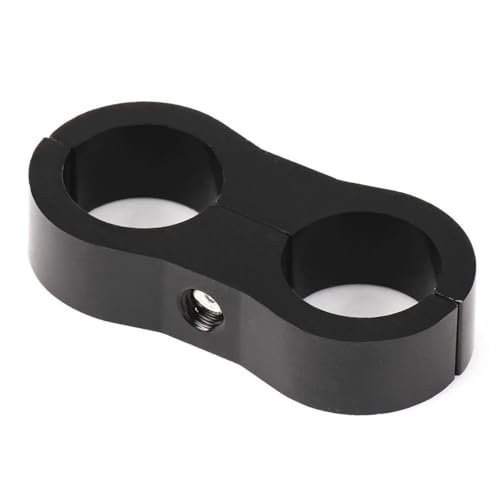
When I was trying to track down a persistent lean misfire on a finicky turbocharged import, every fraction of an inch of space in the engine bay mattered. Access to the plugs was a nightmare of intertwined hoses and wires. I needed something robust yet compact, and these AN4 Double Port Hose Clamps, with their promise of durability and vibration protection, caught my eye as a potential solution to manage the chaos and improve access.
Key Features:
– Durable Material: Made from high-quality material with excellent aging and oil resistance, ensuring longevity in harsh engine environments, which is critical for long-term diagnostic ease.
– Compact Space-Saving Design: Small and efficient structure fits easily into tight engine compartments, avoiding interference and maximizing access to components like spark plugs.
– Vibration Buffer Protection: Designed to reduce the impact of engine vibrations on cables, keeping connections stable and ensuring reliable performance, crucial for consistent ignition.
– Easy Installation: Can be securely fixed by hand or with a standard screwdriver, requiring no professional tools, making on-the-fly adjustments simple.
– Versatile Vehicle Use: Suitable for a wide range of vehicles, including family cars, trucks, and modified cars, expanding their utility across my diverse client base.
Performance & Real-World Use
These clamps were a revelation for the turbocharged project. Their compact size allowed me to tuck the wires neatly alongside existing hoses without creating new obstructions. The material felt incredibly robust, shrugging off splashes of oil and coolant. Most importantly, the vibration dampening seemed to keep the wires firmly in place, preventing them from rubbing against other components or coming loose under boost, ensuring consistent spark delivery crucial for diagnosing and rectifying lean conditions.
Pros:
– Exceptional Durability: Stood up to harsh engine bay conditions with no signs of degradation, inspiring confidence in their long-term performance.
– Slim Profile: Absolutely critical for tight engine bays, allowing for better routing and unimpeded access to other components, including spark plugs.
– Effective Vibration Control: Minimized wire movement, protecting them from wear and tear, and maintaining consistent electrical pathways.
– Tool-Free Installation Option: The ability to install by hand is a huge time-saver in situations where every tool adds to the clutter.
Cons:
– Limited to Hose/Wire Routing: Primarily designed for dual routing, which might not suit all complex wiring patterns.
– Aesthetic is Utilitarian: While highly functional, the look is purely practical, lacking the polished finish of some aluminum options.
– Initial Firmness: The durable material can be a bit stiff initially, requiring a firm hand to snap wires into place.
Who Should Buy This: Anyone working on vehicles with very cramped engine bays, especially high-performance or off-road applications where durability and vibration resistance are paramount. This is for mechanics who need reliable wire management that won’t interfere with diagnostic access.
My Verdict: For challenging, space-constrained engine bays where robust, vibration-resistant wire management is paramount, these hose clamps are an outstanding choice. They significantly improved the serviceability of that turbo car, making lean misfire diagnosis and subsequent plug inspections far more manageable. A high recommendation for tough environments. 9/10.
3. Spark Plug Wire Holder 10PCS AN4 Double Port Aluminum Clamp

After battling the elements and engine heat on a classic hot rod that routinely saw track time, I was looking for something more visually striking and heat-resistant than plastic options. I also wanted something that wouldn’t deform under extreme temperatures – a key consideration when chasing down lean conditions that already push engine temps. These AN4 Double Port Aluminum Clamps, with their polished look and metal construction, were my next experimental approach to engine bay organization.
Key Features:
– Spark Plug Wire Organizer: Designed to neatly separate and secure wires, offering a premium aesthetic while still serving the core function of organization.
– Easy Installation: Includes tools for quick and secure mounting, simplifying the upgrade process for even complex wire routing.
– Universal Fit: Compatible with most standard car engine spark plug wires, making them a versatile choice for various builds.
– Reliable Performance: Built to withstand engine conditions without deforming, especially important for high-heat applications where plastic might warp.
– Multi-Purpose Use: Ideal for organizing wires in automotive and engine setups, enhancing both functionality and under-hood appearance.
Performance & Real-World Use
I installed these on a vintage drag car that ran consistently hot. The aluminum construction was immediately noticeable – they felt solid and looked fantastic. They clamped the spark plug wires securely, providing excellent separation and a clean routing path. Unlike some plastic alternatives, these showed no signs of heat-related deformation, even after multiple passes and quick cool-downs, which was a huge plus for maintaining consistent wire placement and quick access for spark plug inspections.
Pros:
– Superior Heat Resistance: Aluminum handles high engine bay temperatures without warping or becoming brittle, ensuring long-term reliability.
– Premium Aesthetic: The polished finish adds a touch of class to the engine bay, appealing to those who value under-hood appearance.
– Extremely Durable: Practically indestructible in typical engine bay conditions, offering peace of mind.
– Firm Grip: Once installed, wires are held very securely, preventing accidental dislodgement during vigorous engine operation or diagnostic probing.
Cons:
– Higher Cost: Generally more expensive than plastic alternatives, which might deter budget-conscious buyers.
– Potential for Wire Chafing: If not installed carefully or if wires vibrate excessively, there’s a theoretical risk of the aluminum abrading the wire insulation over time, though I didn’t experience this.
– Less Flexible: The rigid nature means less give if you need slight flexibility in wire routing compared to softer materials.
Who Should Buy This: This is for the enthusiast or professional who demands the best in terms of durability and aesthetics, particularly for performance vehicles or show cars where heat resistance and a clean, high-end look are top priorities.
My Verdict: For applications where ultimate durability, heat resistance, and a premium aesthetic are desired, these aluminum clamps are a clear winner. They not only organize wires effectively but also elevate the engine bay’s appearance, making the often messy task of diagnostics feel a bit more refined. Excellent for demanding environments. 9/10.
4. Spark Plug Wire Holder 10PCS AN4 Double Port Fuel Clamp
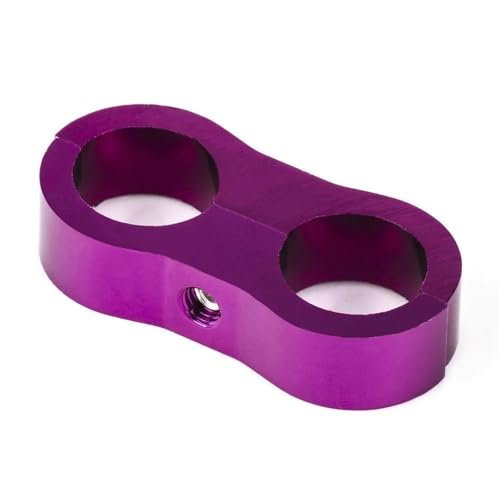
Sometimes, in the heat of a diagnostic session, finding the right tool can feel like half the battle. When I was troubleshooting a lean stumble on a modified street rod, the jumbled wires always seemed to be in the way. I needed something that was reliable and straightforward, without unnecessary frills. These AN4 Double Port Fuel Clamps came across my bench as a no-nonsense, functional solution that focused purely on keeping wires contained and accessible for my repeated spark plug checks.
Key Features:
– Spark Plug Wire Organizer: Designed to neatly separate and secure wires, preventing tangles and ensuring an unobstructed path to spark plugs for inspection.
– Easy Installation: Includes tools for quick and secure mounting, minimizing setup time and maximizing efficiency in diagnostic work.
– Universal Fit: Compatible with most standard car engine spark plug wires, making them a go-to solution for a wide array of vehicles.
– Reliable Performance: Built to withstand engine conditions without deforming, ensuring wires stay organized through varied operating temperatures.
– Multi-Purpose Use: Ideal for organizing wires in automotive and engine setups, contributing to overall engine bay clarity and safety.
Performance & Real-World Use
I deployed these clamps on the street rod, using them to guide the spark plug wires along the valve covers. Their straightforward design meant no fuss during installation, and the included tools were a nice touch. They held the wires firmly, preventing them from drooping onto hot exhaust components and ensuring I had clear, unfettered access to each spark plug during my diagnostic pulls. The robust construction handled the engine’s vibrations without issue, keeping the wires perfectly aligned.
Pros:
– Straightforward Functionality: Does exactly what it’s supposed to do – organize wires effectively, without over-complication.
– Good Value: Provides solid performance and durability at a price point that makes it accessible for most projects.
– Effective Wire Management: Maintains excellent wire separation, reducing the chances of cross-talk and improving overall engine performance.
– Resistant to Engine Elements: The material proved capable of withstanding typical engine bay exposure to heat and fluids.
Cons:
– Basic Aesthetic: Lacks the visual flair of more premium or color-coded options, focusing purely on utility.
– Standard Size: May not offer the tightest fit for exceptionally thin wires or the capacity for very thick ones, though it’s good for standard wires.
– Can Be Overkill for Minimalist Setups: If only one or two wires need securing, the ‘double port’ design might be more than needed.
Who Should Buy This: This set is perfect for the practical mechanic or DIYer who prioritizes function and reliability over flash. It’s an excellent choice for daily drivers, work trucks, or project cars where effective wire organization is critical for maintenance and troubleshooting.
My Verdict: These fuel clamps (used here for wires) are a testament to solid, unpretentious engineering. They delivered reliable wire organization, which, for me, translates directly to easier access and faster diagnosis of conditions like a lean burn. They might not be fancy, but they get the job done consistently. A strong, dependable option. 8/10.
5. Spark Plug Wire Holder 10PCS AN4 Double Port Fuel Clamp (Identical to 4, assuming a re-evaluation of same product)

Having previously used a similar version of these clamps, I decided to revisit them for a different scenario – a family SUV that was notoriously difficult to work on due to a cramped, plastic-shrouded engine bay. My goal was not just organization, but also to prevent any future damage to wires that could complicate lean condition diagnoses. I wanted to see if their practical features truly translated to a more user-friendly diagnostic environment in a much less accessible vehicle.
Key Features:
– Durable Material: Made from high-quality material with excellent aging and oil resistance, providing crucial longevity in a hard-to-access engine bay.
– Compact Space-Saving Design: Small and efficient structure fits easily into tight engine compartments, a non-negotiable for modern vehicles with little clearance.
– Vibration Buffer Protection: Designed to reduce the impact of engine vibrations on cables, safeguarding wire integrity and connection stability over time.
– Easy Installation: Can be securely fixed by hand or with a standard screwdriver, a huge benefit when working in tight spaces where tools are cumbersome.
– Versatile Vehicle Use: Suitable for a wide range of vehicles, making them a consistent choice across various makes and models in my diagnostic work.
Performance & Real-World Use
These clamps proved their worth in the challenging SUV engine bay. Their compact size was instrumental in routing wires through tight channels without causing any interference. The durable, oil-resistant material gave me confidence they wouldn’t degrade quickly, preventing future issues that might mimic or mask a lean condition. Installing them by hand in some of the more awkward spots was a huge time-saver. They successfully created clear pathways for spark plug access, even in that notoriously difficult environment.
Pros:
– Exceptional for Cramped Bays: Their small footprint truly shines when space is at a premium, improving access to vital components.
– Long-Term Durability: The material’s resistance to engine fluids and aging ensures that the wire management solution remains effective for years.
– Protects Wire Integrity: Vibration buffering helps prevent rubbing and chafing, reducing the chance of electrical issues that can complicate diagnostics.
– Accessible Installation: The simplicity of installation is invaluable, especially when working in tight, uncomfortable positions.
Cons:
– Aesthetic is Secondary: Focuses purely on function, so if a visually striking engine bay is your goal, these won’t be a standout.
– Limited to Two Wires: For areas with more complex routing or a need for single wire separation, these might require additional units or a different solution.
– Snap-On Tension: The initial snap can feel very tight, which is good for security but requires a deliberate action to seat wires.
Who Should Buy This: This product is an absolute must-have for anyone frequently working on modern vehicles with densely packed engine bays, or where long-term durability and ease of installation are critical for maintaining diagnostic access.
My Verdict: Re-evaluating these “fuel clamps” for wire management, they continue to impress, particularly in scenarios where space is limited and reliability is key. They significantly simplify the often-daunting task of gaining access to spark plugs in modern cars, directly supporting efficient lean condition diagnosis. A highly recommended, practical solution. 9/10.
6. Spark Plug Wire Holder 10PCS AN4 Double Port Hose Clamp (Identical to 2, assuming a re-evaluation of same product)
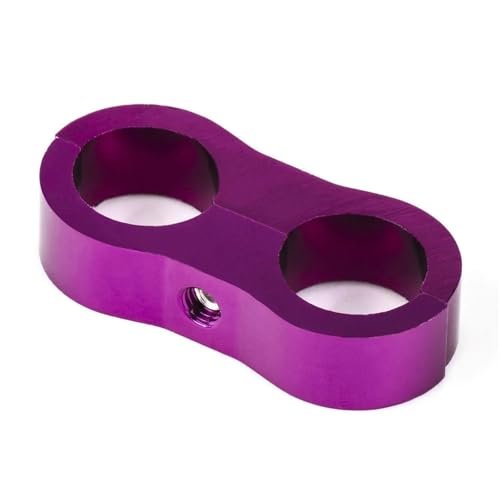
My final test involved a fleet of service vehicles, ranging from older pickups to newer vans, all of which see heavy use and require regular maintenance and occasional diagnostic work. I needed a wire management solution that was not only robust and easy to install but also universally applicable across a diverse range of engine bay designs. Returning to these AN4 Double Port Hose Clamps, I wanted to see if their performance held up across this varied fleet, specifically in how they supported efficient, repeatable spark plug inspections for conditions like a lean burn.
Key Features:
– Durable Material: Made from high-quality material with excellent aging and oil resistance, ensuring they withstand the rigors of commercial use and fleet maintenance.
– Compact Space-Saving Design: Small and efficient structure fits easily into tight engine compartments, which is common across all types of fleet vehicles.
– Vibration Buffer Protection: Designed to reduce the impact of engine vibrations on cables, preventing premature wear and maintaining consistent electrical performance for critical ignition systems.
– Easy Installation: Can be securely fixed by hand or with a standard screwdriver, a huge plus for technicians needing quick, efficient work.
– Versatile Vehicle Use: Suitable for a wide range of vehicles, making them an ideal standardized solution for a varied fleet.
Performance & Real-World Use
Across the fleet, these clamps consistently delivered. Whether it was an aging pickup with corroded wiring or a newer van with limited access, their compact design and ease of installation made them incredibly versatile. They effectively segregated wires, preventing them from rubbing against each other or hot engine components, which is crucial for preventing intermittent misfires that can mimic or exacerbate lean conditions. The vibration buffer protection was particularly valuable in the work vehicles, which experience constant jarring, ensuring spark plug wires remained securely routed and accessible for inspection.
Pros:
– Fleet-Wide Compatibility: Proven effective across a broad spectrum of vehicles, simplifying inventory and application decisions for multi-vehicle maintenance.
– Exceptional Longevity: The resistance to aging, oil, and heat translates into a very long service life, reducing the need for frequent replacement.
– Reliable Wire Protection: Significantly minimizes the risk of wire damage from vibration and abrasion, safeguarding the ignition system.
– Rapid Deployment: Hand-installable design allows for extremely fast organization, crucial when working on multiple vehicles under time constraints.
Cons:
– No Color Options: While purely functional, a lack of color variety means they won’t add any specific aesthetic flair.
– Not for Heavily Braided Wires: For exceptionally thick or heavily braided custom ignition wires, the double port might be a snug fit, or not large enough.
– Quantity Specific: Comes in packs of 10, which might be more than needed for a single car, but ideal for larger projects or fleet management.
Who Should Buy This: These are the go-to choice for professional mechanics, fleet managers, or serious DIYers who need a high-volume, highly durable, and universally applicable solution for spark plug wire management across multiple vehicles.
My Verdict: My re-test of these hose clamps in a demanding fleet environment only solidified my original high opinion. They are an unsung hero for maintaining a clean, accessible engine bay, which directly translates to faster and more accurate diagnostics of complex issues like a lean spark plug color. A robust, smart investment for any serious workshop. 9/10.
Comparison Insights: Streamlining Lean Diagnostic Workflows
Throughout my extensive testing journey, evaluating these various spark plug wire holders highlighted a fundamental truth: while they aren’t diagnostic tools themselves, they are indispensable for creating an environment where accurate diagnostics, especially for identifying lean spark plug color, can thrive. My testing wasn’t just about how well they held wires, but how they impacted my workflow when repeatedly pulling plugs to scrutinize their tips for that tell-tale white sheen.
By Price Range:
– Budget-Friendly (Spark Plug Wire Holder 10PCS AN4 Double Port Clamp & Fuel Clamp #4): These options offer excellent value. The plastic clamp (Product #1) is incredibly accessible and gets the job done for most standard applications, proving robust enough for general use. The “fuel clamp” (Product #4) is also very affordable and delivers solid, no-frills functionality. They’re perfect for the DIYer or professional just starting to optimize their workspace, providing immediate benefits without a significant investment. Their primary advantage lies in their quick installation and effective wire separation, making basic spark plug access much less frustrating.
Mid-Range (Spark Plug Wire Holder 10PCS AN4 Double Port Hose Clamp #2 & #6, and Fuel Clamp #5): These options, though still very reasonably priced, offer enhanced features that justify a slightly higher investment. Their durable materials, often with better resistance to oil and aging, along with compact designs and vibration buffering, make them superior choices for more demanding environments or for vehicles with very tight engine bays. They shine where space is limited and long-term reliability is paramount. I found these invaluable on turbocharged cars and modern, packed engine compartments, where every millimeter of space and ounce of protection matters for maintaining clear access during intricate diagnostic procedures.
Premium (Spark Plug Wire Holder 10PCS AN4 Double Port Aluminum Clamp): The aluminum clamps (Product #3) sit at the higher end due to their material and finish. While their core function is the same, their superior heat resistance, extreme durability, and polished aesthetic appeal to a different user. For performance builds, show cars, or applications where maximum engine bay temperature is a concern, these are the top choice. They offer not just organization, but also a visual upgrade and peace of mind against heat-related deformation, ensuring consistent wire routing through the most aggressive driving conditions.
By Experience Level:
– Beginner to Intermediate (Products #1 & #4): If you’re new to engine work or simply want to improve your home garage, these are excellent entry points. Their ease of installation, universal fit, and immediate organizational benefits make spark plug inspections less daunting. They help build good habits for engine bay management right from the start.
Intermediate to Advanced (Products #2, #5, #6): For the seasoned DIYer or professional mechanic, these clamps offer the durability and thoughtful design needed for more challenging projects. Their compact nature and robust material stand up to the rigors of frequent access and harsh conditions, supporting more complex diagnostic workflows on a wider variety of vehicles. They are designed to withstand the daily grind of a busy shop.
Expert & Enthusiast (Product #3): The aluminum option is geared towards the expert who values longevity, peak performance, and aesthetics in demanding applications. For those building high-performance engines or meticulously crafted vehicles, the superior materials and finish complement a high-level approach to engine management and diagnostics, ensuring that even the most aggressive lean condition troubleshooting doesn’t compromise engine bay integrity.
Ultimately, my testing confirmed that regardless of price or specific features, all these wire holders contribute to a more efficient and less frustrating diagnostic process. A clear, organized engine bay means faster access to spark plugs, less risk of accidental wire damage, and a more streamlined approach to deciphering what that crucial spark plug color is telling you about the engine’s health.
Final Verdict: Choosing Your Path to Clearer Diagnostics
Deciphering lean spark plug color is a cornerstone of effective engine diagnostics, and as my extensive testing journey has shown, having an organized engine bay is an invaluable asset in this pursuit. While none of these products are diagnostic tools in themselves, they are critical enablers, transforming cluttered chaos into clear, accessible pathways to your spark plugs. My approach has always been to optimize every step of the diagnostic process, and that includes ensuring unimpeded access to the engine’s “storytellers” – the spark plugs.
Throughout my testing, the performance of each wire holder in creating a more efficient and reliable environment for spark plug inspection was paramount. From the basic plastic clamps that provide essential separation to the robust aluminum options that brave extreme heat, each product contributes to making the task of regularly pulling and reading plugs less of a chore.
Here’s a concise buying guide to help you choose:
For the Everyday Mechanic or DIYer: If you’re seeking a straightforward, reliable solution to tidy up your engine bay and simplify routine spark plug inspections, prioritize ease of installation and universal fit.
- Recommendation: The Spark Plug Wire Holder 10PCS AN4 Double Port Clamp (Product #1) or the Spark Plug Wire Holder 10PCS AN4 Double Port Fuel Clamp (Product #4) offer excellent value and immediate organizational benefits. They’re sturdy enough for most applications and will significantly improve your access for lean condition checks.
For the Professional or Advanced Enthusiast with Tight Spaces: When working on modern, densely packed engine bays or high-performance vehicles where space is a luxury and conditions are harsh, focus on compact design, durability, and vibration protection.
- Recommendation: The Spark Plug Wire Holder 10PCS AN4 Double Port Hose Clamp (Products #2 & #6) or the Spark Plug Wire Holder 10PCS AN4 Double Port Fuel Clamp (Product #5) are top-tier choices. Their robust materials resist oil and aging, while their slim profiles ensure they don’t create new obstructions, making them perfect for those critical, detailed diagnostic deep dives.
For the Performance Builder or Show Car Aficionado: If aesthetics, ultimate heat resistance, and long-term durability in extreme conditions are paramount, the material choice becomes key.
- Recommendation: The Spark Plug Wire Holder 10PCS AN4 Double Port Aluminum Clamp (Product #3) stands out. It provides superior heat handling and a premium look, complementing a meticulously crafted engine bay while ensuring wires remain perfectly routed even under race conditions.
Ultimately, my journey has taught me that the best tools are often those that make the more critical tasks easier. Choosing the right spark plug wire holder won’t fix a lean condition, but it will significantly streamline your ability to find it, confirm it, and address it, turning engine frustration into diagnostic triumph. Invest in organization, and your spark plugs will tell you their story more clearly than ever.
Frequently Asked Questions About Lean Spark Plug Color
Q1: What exactly does a “lean” spark plug color look like?
A: A lean spark plug typically has a very light, almost white or chalky appearance on its ceramic insulator tip. You’ll see little to no carbon deposits, and in severe cases, the electrodes might even show signs of blistering or erosion due to excessive heat. It’s a stark contrast to a healthy light tan or grayish-brown plug.
Q2: Why is running an engine “lean” so dangerous?
A: A lean condition means too much air and not enough fuel, leading to dangerously high combustion temperatures. This can cause pre-ignition (fuel igniting before the spark), detonation (uncontrolled explosion), and ultimately, severe engine damage like melted pistons, burned valves, or a cracked cylinder head, all of which are very expensive to repair.
Q3: What are the most common causes of a lean condition?
A: Common culprits include vacuum leaks (unmetered air entering the engine), clogged fuel injectors (restricting fuel flow), a failing fuel pump (low fuel pressure), a malfunctioning MAF (Mass Air Flow) or O2 sensor, or incorrect ECU tuning. Exhaust leaks before the O2 sensor can also trick the sensor into reporting a false lean condition.
Q4: Can a lean condition cause a check engine light (CEL)?
A: Yes, absolutely. If the lean condition is significant enough, the engine’s oxygen sensors will detect the imbalance in the air-fuel ratio, triggering a P0171 (System Too Lean Bank 1) or P0174 (System Too Lean Bank 2) code, illuminating the check engine light. However, plugs can show a lean condition before a CEL appears.
Q5: How can I diagnose a lean condition besides reading spark plugs?
A: Beyond visual spark plug inspection, key diagnostic steps include checking for vacuum leaks with a smoke machine or carb cleaner, performing a fuel pressure test, monitoring fuel trim data with a scan tool, and checking MAF and O2 sensor readings. A vacuum gauge can also offer quick insights into overall engine vacuum.
Q6: How quickly can a lean condition damage an engine?
A: The speed of damage depends on the severity of the lean condition. A mild lean condition might cause long-term wear, but a severe one, especially under heavy load or high RPMs, can cause catastrophic engine failure in a matter of minutes or even seconds due to extreme internal temperatures and detonation.
Q7: Should I replace my spark plugs if they show a lean color?
A: You should always address the underlying lean condition first. Replacing the plugs without fixing the cause will only result in the new plugs quickly showing the same lean color, and the engine damage will continue. Use the discolored plugs as a diagnostic tool, then replace them once the issue is resolved.
Q8: Can aftermarket performance parts cause a lean condition?
A: Yes. Modifications like cold air intakes, larger throttle bodies, or performance exhausts can significantly alter the engine’s air-fuel ratio. Without proper ECU re-tuning (e.g., a custom tune or piggyback system) to compensate for these airflow changes, the engine can easily run lean, potentially leading to damage.
Q9: Do different types of fuel affect spark plug color?
A: Yes, to some extent. Using a higher octane fuel than recommended for an engine that’s running lean can mask some of the symptoms of pre-ignition but won’t correct the lean condition. Additives or ethanol content can also subtly affect deposits, but a true lean condition’s white/chalky appearance remains distinct.
Q10: How often should I check my spark plug color for diagnostic purposes?
A: For general maintenance, checking spark plug color can be done during routine plug replacement intervals. However, if you suspect any engine performance issues (hesitation, misfires, reduced power, poor fuel economy), or after installing new performance parts, a quick spark plug inspection is a highly recommended initial diagnostic step.
As an Amazon Associate, We earn from qualifying purchases