
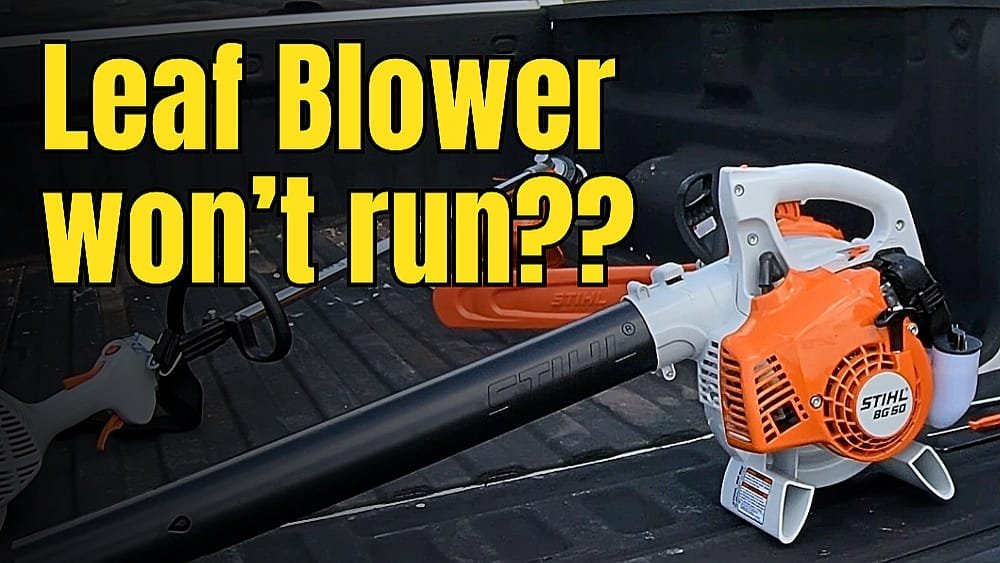
If you’ve ever pulled on a leaf blower cord until your arm felt like jelly, you know the frustration. I’ve been there, sweating in the yard, wondering why my leaf blower won’t start. After working through my own struggles with stubborn blowers, I’ve learned a lot—sometimes the hard way. In this article, I’ll walk you through everything I’ve discovered about fixing a leaf blower that just won’t come to life. My goal is to save you time, money, and sanity.
First Things First: Check The Basics
Before taking anything apart, I always start with the simple stuff. You’d be surprised how often the problem is minor.
Is There Fresh Fuel?
More than once, I’ve forgotten to refill the tank or used old gas. Gasoline can go bad in as little as 30 days. Old fuel makes starting hard, or sometimes impossible. I once tried using gas from last fall and my blower wouldn’t even sputter.
- Use only fresh, clean gasoline (preferably under 30 days old)
- For 2-stroke engines, mix oil and gas in the correct ratio
- Never use gas with more than 10% ethanol
Is The Blower Switched On?
I’ve embarrassed myself here. Sometimes the power switch is off, or I haven’t moved the choke to “start.” Double-check these:
- Power switch in “on” position
- Choke lever set to “start”
- Primer bulb pressed several times (if your model has one)
Is The Spark Plug Connected?
Once, I spent 20 minutes pulling the cord before I noticed the spark plug wire was loose. Always check this connection.
Common Problems And How I Fix Them
If the basics are good, it’s time to dig deeper. Over the years, I’ve seen the same problems come up again and again.
1. Spark Plug Issues
A dirty or damaged spark plug is a common reason a leaf blower won’t start. If the plug is black or wet, it might not spark.
How I check:
- Remove the spark plug using a plug wrench
- Inspect for carbon buildup, cracks, or damage
- Clean with a wire brush or replace with a new one
I learned to always keep a spare plug handy. They’re cheap and make a huge difference.
2. Air Filter Is Clogged
Your blower needs air to run. If the air filter is dirty, the engine can’t “breathe.”
What I do:
- Remove the air filter cover
- Tap the filter gently to remove dust
- Wash foam filters with soapy water, dry fully before reinstalling
- Replace paper filters if very dirty
Once, cleaning the filter made my blower roar back to life after weeks of weak performance.
3. Fuel Filter Is Blocked
A clogged fuel filter starves the engine. It’s easy to forget this tiny part, but it matters.
How I check:
- Find the filter (usually inside the tank, at the end of the fuel line)
- Replace if dirty or covered in sludge
This solved my starting issues when my blower sat unused for a year.
4. Carburetor Problems
The carburetor mixes fuel and air. If it’s dirty, the engine can’t start. I’ve had to clean my carb more times than I like to admit.
Signs of carb issues:
- Engine won’t start or starts then dies
- Rough idling
Cleaning steps:
- Remove the carburetor (follow your manual)
- Spray with carb cleaner
- Use a small brush or compressed air for stubborn grime
If cleaning doesn’t help, a carburetor rebuild kit is cheap and can work wonders.
5. Flooded Engine
It’s easy to flood the engine, especially if you prime too much or pull the cord repeatedly.
How I fix it:
- Set the choke to “run”
- Hold throttle open
- Pull the starter cord several times (usually 8–10 pulls)
Letting the blower sit for 15 minutes also helps the extra fuel evaporate.
6. Starter Rope Or Mechanism Problems
If the starter rope feels stuck, don’t force it. I once broke mine by yanking too hard.
Quick check:
- Remove the blower’s cover to inspect the recoil starter
- Make sure the rope isn’t tangled or broken
- Lubricate moving parts with a little spray oil
Replacing the rope is simple, but it takes patience.
Deeper Issues I’ve Faced
Sometimes the problem is more serious. Here’s what I’ve learned from my toughest fixes.
Compression Loss
If the engine has low compression, it won’t start, no matter what you do. I use my thumb to test: I place it over the spark plug hole and pull the cord. If I don’t feel much pressure, it’s a sign of worn piston rings or cylinder issues.
Compression problems are hard to fix at home. Sometimes, it means it’s time for a new blower.
Ignition Coil Failure
A bad ignition coil means no spark. I found this out the hard way with an old blower. You can test the coil with a spark tester, but often, replacement is the only answer.
Blocked Exhaust Or Spark Arrestor
Engines need to “breathe out,” too. A blocked muffler or spark arrestor can choke the engine.
How I handle it:
- Remove the spark arrestor screen (usually behind the muffler)
- Clean with a wire brush
- Replace if damaged
This simple fix made my blower sound smoother and start easier.
Fuel Line Cracks Or Leaks
With age, fuel lines can crack or leak, letting air in and fuel out. I’ve replaced brittle lines on two different blowers. If you smell gasoline or see wet spots, inspect the lines and swap them for new ones.
Comparing Electric And Gas Leaf Blowers
I’ve used both gas and electric blowers. Each has its own starting problems. Here’s how they compare:
| Feature | Gas Leaf Blower | Electric Leaf Blower |
|---|---|---|
| Starting Method | Pull cord, manual choke | Push button or switch |
| Common Start Issues | Bad fuel, spark plug, carburetor, flooding | Dead battery, faulty switch, bad cord |
| Maintenance | High, more parts to check | Low, fewer moving parts |
I find electric blowers are easier to start, but gas blowers are stronger for big jobs.

Step-by-step: How I Troubleshoot A Leaf Blower That Won’t Start
I use a simple process to avoid missing anything. Here’s my usual routine:
- Check for fresh fuel and oil mix
- Make sure the power switch is on and choke set
- Prime the bulb and pull the cord a few times
- Inspect and clean the spark plug
- Check the air filter and clean or replace it
- Look at the fuel filter and fuel lines for blockages
- Try starting with choke open and throttle wide if flooded
- Clean the carburetor if still no start
- Test for spark (ignition coil)
- Check for compression (thumb test)
- Look at the exhaust and spark arrestor for blockages
This process has helped me catch both simple and tricky problems.
Tools And Items I Keep Handy
I’ve learned that having the right tools saves hours of frustration. Here’s what I keep in my shed:
- Spark plug wrench
- New spark plugs
- Carburetor cleaner spray
- Small wire brushes
- Screwdrivers (flat and Phillips)
- Utility knife (for trimming fuel lines)
- Needle-nose pliers
- Fuel line kit
- Clean rags
With these, I can solve 90% of problems without a trip to the repair shop.

When To Call For Help
Some issues are beyond what I can fix at home. If you notice these, it’s smart to call a pro:
- Engine has no compression
- Major fuel leaks
- Broken starter spring deep in the engine
- Strange grinding noises
I learned the hard way that trying to fix everything myself sometimes costs more in the end.
How Regular Maintenance Prevents Starting Problems
Over time, I realized most starting problems happen because of skipped maintenance. Here’s my routine that keeps my blower ready:
- Change or clean the air filter every season
- Replace spark plug once a year
- Use fuel stabilizer if I store gas
- Run the blower dry before winter storage
- Check and replace fuel lines every two years
A little care goes a long way. One season, I didn’t do any of this—and spent a weekend fighting with a dead blower.

A Quick Look: Most Common Causes By Frequency
From my experience, these are the problems I’ve seen most often:
| Problem | How Often It Happens | How Hard It Is to Fix |
|---|---|---|
| Old Fuel | Very common | Easy |
| Dirty Spark Plug | Common | Easy |
| Clogged Air Filter | Common | Easy |
| Bad Ignition Coil | Less common | Medium |
| Compression Loss | Rare | Hard |
My Top Tips To Prevent Leaf Blower Starting Problems
From years of trial and error, here’s what really works:
- Only use fresh fuel and never store gas over winter.
- Clean or replace air filters at the start of each season.
- Keep the spark plug clean and swap it out yearly.
- Run the blower dry before long-term storage.
- Don’t ignore odd smells, leaks, or sounds.
If you follow these steps, you’ll avoid most headaches.
Non-obvious Things I Learned
Some things you only learn after lots of mistakes:
- Even a tiny bit of water in the gas can stop your blower. Store fuel in sealed containers.
- Ethanol in gas can destroy small engine parts over time. I use ethanol-free gas if I can.
- Don’t over-prime. Too much fuel can flood the engine and make starting much harder.
Additional Resources
If you want to get even deeper into troubleshooting, I found this guide helpful:
Family Handyman Leaf Blower Troubleshooting.
Frequently Asked Questions
Why Does My Leaf Blower Only Run For A Few Seconds Then Die?
This usually means it’s getting fuel, but not enough air. Check the air filter and spark arrestor for blockages. Dirty carburetors can also cause this problem.
How Often Should I Replace The Spark Plug?
I replace my spark plug once a year, even if it looks fine. If you use your blower a lot, check it every few months.
Can I Use Regular Car Gasoline In My Leaf Blower?
You can, but make sure it’s fresh and contains no more than 10% ethanol. Old or high-ethanol gas can damage small engines.
What Should I Do If My Electric Leaf Blower Won’t Start?
First, check the power source. Try another outlet or battery. Inspect the switch and cord for damage. Electric blowers have fewer parts, so the problem is often electrical.
How Do I Store My Leaf Blower For Winter?
I run mine until it’s out of gas, then clean the filter and check the spark plug. Store it in a dry place. Use fuel stabilizer if you leave gas in the tank.
I hope sharing my own ups and downs with leaf blowers helps you avoid the same headaches. With these tips, you’ll get your blower running again—and keep it that way for years to come.
As an Amazon Associate, We earn from qualifying purchases