
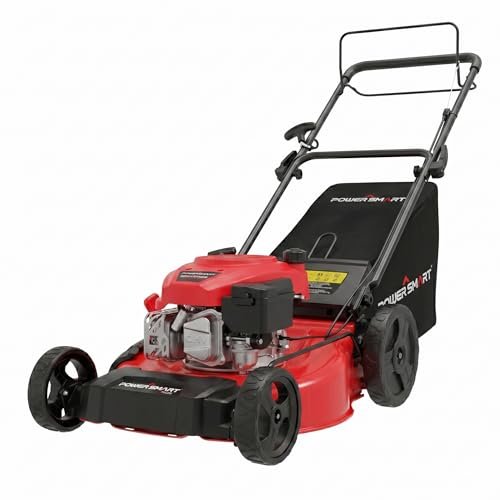
When I first started managing my own yard, I made the classic mistake of thinking one tool could do everything. After years of testing both of these essential yard tools on various terrains, I now know that achieving a manicured lawn requires understanding their unique strengths. In this guide, I will break down the differences between a high-power walk-behind mower and a nimble cordless trimmer to help you build the perfect lawn care arsenal.
lawn mower vs weed eater: At a Glance
| Lawn Mower | String Trimmer (Weed Eater) | |
|---|---|---|
| Primary Purpose | Cutting large, open, and flat expanses of grass to a uniform height. | Trimming edges, tight corners, steep slopes, and clearing tall weeds. |
| Cutting Mechanism | Heavy, rapidly spinning metal blades enclosed under a protective deck. | A flexible, high-speed spinning monofilament nylon line. |
| Terrain Suitability | Best for flat, open lawns; struggles on steep slopes and tight spaces. | Highly maneuverable on steep inclines, rocky areas, and around obstacles. |
| Physical Effort | Requires pushing or guiding a heavy machine on wheels across the lawn. | Must be carried and swept side-to-side, putting more strain on arms. |
| Precision & Edging | Poor precision near fences, walls, flowerbeds, and delicate landscaping. | Excellent precision for clean edges and clearing hard-to-reach spots. |
| Storage Requirements | Requires significant garage or shed floor space due to its footprint. | Compact and easy to hang on walls or store in tight spaces. |
| Safety Level | Moderate; protected blade deck reduces risk of throwing large debris. | Lower; exposed spinning line can kick up rocks and debris toward the operator. |
Complete Comparison: Lawn Mower vs String Trimmer (Weed Eater)
| PowerSmart 21″ Self-Propelled Gas Lawn Mower | WORX Cordless String Trimmer & Lawn | |
|---|---|---|
| Product Image | 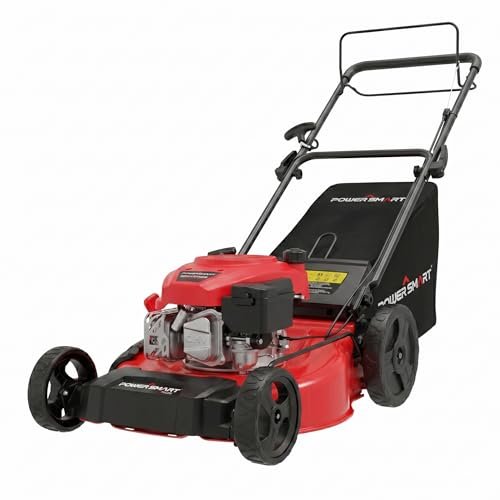 | 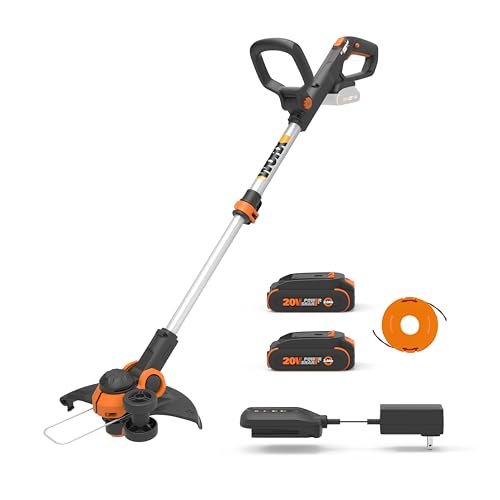 |
| Price | View On Amazon | View On Amazon |
| Category | Mid-Range Gas Mower | Mid-Range Cordless Trimmer |
| Power Source & Engine | 170cc OHV Gas Engine (Pull-Start) | 20V MaxLithium Cordless Battery (2 Included) |
| Cutting System & Width | 21″ Steel Deck with 3-in-1 Bag, Mulch & Rear Discharge | 12″ Cutting Diameter with Instant Command Feed Line |
| Maneuverability & Terrain | Self-Propelled Rear-Wheel Drive with 10″ Large Rear Wheels | 5.5 lbs Lightweight, 90° Tilting Head & Rubberized Guide Wheels |
| Versatility & Adjustments | 6-Position Single-Lever Height Adjustment (1.5″ to 3.9″) | 2-in-1 Trimmer/Edger Conversion & Adjustable Spacer Guard |
| Best For | Efficient mowing of medium to large yards and sloped lawns | Precise trimming, edging borders, and clearing tight spaces |
| Amazon Link | View On Amazon | View On Amazon |
| Overall Winner | Winner (Primary Lawn Care) | Runner-Up (Essential Detailing) |
PowerSmart 21″ Self-Propelled Gas Lawn Mower
I put this gas-powered workhorse to the test on a half-acre property with a mix of thick fescue and a challenging backyard slope. The PowerSmart 21″ Self-Propelled Gas Lawn Mower delivers the raw muscle you expect from a traditional gas machine without the back-breaking push effort. Its 170cc OHV engine fires up easily on the first or second pull, providing steady power through overgrown patches. Thanks to the rear-wheel drive system, the machine climbs hills effortlessly while you simply guide it. The 21-inch steel deck minimizes your passes, and the 3-in-1 capability lets you bag, mulch, or discharge clippings on the fly.
- 170cc OHV gas engine provides consistent power for thick, overgrown grass.
- 21-inch heavy-duty steel cutting deck reduces mowing time on medium to large lawns.
- Rear-wheel drive system combined with 10-inch rear wheels tackles slopes and uneven terrain with ease.
- 6-position single-lever height adjustment lets you change cutting heights from 1.5 to 3.9 inches instantly.
3-in-1 versatility supports rear bagging, mulching, or side discharging.
Excellent self-propelled drive system takes the sweat out of mowing hills.
- Solid steel construction feels incredibly durable compared to plastic decks.
Large rear wheels roll smoothly over bumps and hidden divots.
Gas engines require seasonal maintenance, spark plug checks, and fuel storage.
- It is significantly louder and heavier than battery-operated alternatives.
- The 1.4-bushel collection bag fills up quickly in tall grass.
Best for: Homeowners with medium to large yards, particularly those with sloped terrain, who need maximum cutting power and a wide path to finish the job quickly.
Expert Opinion: This gas mower offers the perfect balance of raw cutting power and user comfort, making it an excellent investment for anyone dealing with thick grass and challenging backyard hills.
WORX Cordless String Trimmer & Lawn Edger (WG163)
For the tight corners, fence lines, and delicate garden borders where the mower cannot reach, I rely on the WORX Cordless String Trimmer & Lawn Edger. Weighing in at just 5.5 pounds, this tool feels like an extension of your arm, minimizing shoulder fatigue during long sessions. The 2-in-1 design converts from a trimmer to a wheeled edger with a simple head twist, saving you from buying a separate dedicated tool. I particularly appreciate the Command Feed system, which feeds fresh line with a simple button press instead of the annoying bump-feed mechanism. The 90-degree tilting head lets you clean up awkward slopes, while the built-in spacer guard protects your prized flowers from accidental slicing.
- 2-in-1 functionality allows quick conversion from a string trimmer to a wheeled walk-behind edger.
- Command Feed spool system advances the cutting line instantly with the push of a trigger.
- 90-degree tilting head adapts to sloped ground and tight spaces under low-hanging bushes.
- Rubberized guide wheels support the tool during edging to ensure straight, crisp sidewalk lines.
20V Max Lithium batteries (two included) offer swappable runtimes for uninterrupted yard work.
Extremely lightweight design prevents wrist and back fatigue.
- Wheeled edger mode makes it easy to maintain straight curb lines.
Tool-free adjustments allow you to change the handle height and head angle quickly.
The 12-inch cutting width is too small for clearing large, open areas of grass.
- Dual 20V batteries struggle with dense, woody weeds and thick brush.
- Line feeds fast, meaning you will go through spools quickly on rough concrete edges.
Best for: Owners of small to medium properties who need to detail their lawn borders, trim around obstacles, and maintain clean edges along driveways and walkways.
Expert Opinion: This cordless trimmer shines in detailing work, offering unmatched maneuverability and clever features like button-fed line advancement that take the frustration out of yard maintenance.
Lawn Mower vs Weed Eater: Key Differences That Matter
Performance Comparison
When it comes to pure cutting muscle, these two tools live in different worlds. The PowerSmart lawn mower relies on its heavy-duty rotating steel blade to shear large swathes of grass at a uniform height. It processes thick turf, mulches leaves, and packs clippings into a bag with brute force.
The WORX weed eater uses a rapidly spinning monofilament nylon line. It slices grass and soft weeds through sheer speed, but it lacks the vacuum lift of a mower deck. While the mower excels at uniform clearing, the trimmer excels at precision, slicing through grass right up against brick walls, fence posts, and delicate trees.
Price and Value Analysis
Your budget will play a major role in your decision, but you must consider long-term value. The gas-powered PowerSmart mower requires a higher initial investment. You also need to budget for gas, oil, spark plugs, and annual blade sharpening.
The WORX string trimmer comes in at a much lower initial price point, and the package includes two batteries and a charger. Operating costs are minimal, limited mostly to electricity for charging and replacement nylon line. The trimmer offers incredible value for routine maintenance, but it cannot replace the primary cutting capacity of a mower.
Build Quality Comparison
The PowerSmart mower features a heavy steel deck and a robust gas engine designed to withstand years of vibrations, rock strikes, and outdoor storage. Its metal linkages and thick rubber wheels are built for heavy abuse.
The WORX trimmer utilizes a lightweight composite plastic body and an aluminum shaft to keep the weight under six pounds. While the plastic feels durable and resists rust, it cannot handle the rough impacts that a steel mower deck shrugs off. The electronic components and battery ports require dry storage and gentler handling.
User Experience Differences
Operating the PowerSmart mower is an active, physical task. Even with the rear-wheel drive doing the heavy lifting, you must walk behind it, steer it around obstacles, and empty the heavy grass bag. Noise levels are high, and you will smell gas fumes during operation.
Using the WORX trimmer is a much quieter, cleaner experience. There are no fumes, minimal vibrations, and the tool starts instantly with a trigger pull. The main physical challenge is holding the tool steady, but the lightweight design and guide wheels keep strain to a minimum.
Which Should You Choose?
The choice between a lawn mower and a string trimmer comes down to the size of your yard and the specific task at hand. If you have a medium to large yard with open grass, buying a self-propelled gas lawn mower is non-negotiable. You need the wide cutting deck and raw power of the PowerSmart to keep your turf healthy and uniform.
If you live in a townhouse with a tiny patch of grass, or if you only need to clean up weeds along your fence and driveway, the cordless WORX string trimmer is the smarter choice. It saves storage space, requires zero engine maintenance, and handles tight spots beautifully.
For a truly professional-looking yard, you actually need both. The mower does the heavy lifting on the flat zones, while the trimmer cleans up the edges and tight corners to give your property that crisp, manicured finish.
Frequently Asked Questions
Q: Can I use a string trimmer instead of a lawn mower?
A: You can use a string trimmer for small yards or extremely sloped areas where a mower is unsafe. However, using a trimmer for an entire medium-sized yard is exhausting and will result in an uneven, patchy cut because you cannot maintain a perfectly consistent height manually.
Q: In the debate of lawn mower vs weed eater, which tool is safer for beginners?
A: The cordless weed eater is generally safer because it uses a flexible nylon line rather than a heavy steel blade. However, you must still wear safety glasses as the trimmer can kick up small rocks and debris at high speeds.
Q: How often do I need to sharpen the blades on a gas lawn mower?
A: I recommend sharpening your mower blade at least once a season, or every 25 hours of use. Sharp blades cut the grass cleanly, whereas dull blades tear the grass, leaving brown, frayed tips that invite disease.
Q: Is a gas mower better than a battery mower for thick grass?
A: Yes, gas mowers like the PowerSmart 170cc model generally provide more torque than residential battery mowers. This extra power prevents the engine from bogging down when cutting tall, damp, or thick grass.
Q: When comparing a lawn mower vs weed eater, which one requires more maintenance?
A: The lawn mower requires significantly more maintenance. Gas mowers need oil changes, fresh fuel, air filter cleanings, and spark plug replacements, while battery-powered weed eaters only require spool replacement and battery charging.
Q: How long do the batteries last on the WORX cordless trimmer?
A: Each 20V battery typically lasts about 15 to 20 minutes depending on the thickness of the grass you are cutting. Because WORX includes two batteries in the box, you can charge one while using the other for continuous yard work.
As an Amazon Associate, We earn from qualifying purchases