
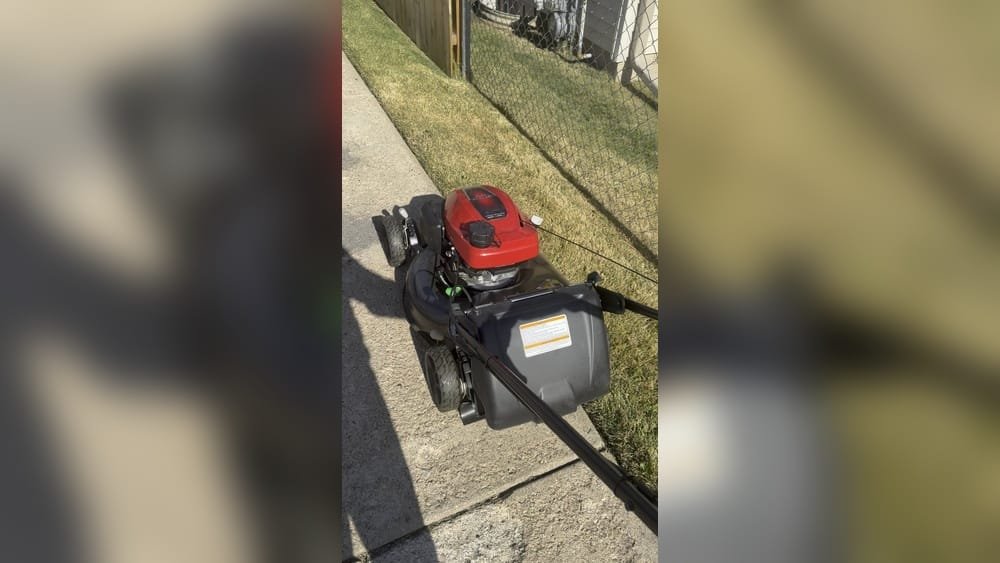
If you’ve ever pushed your mower out on a sunny morning, expecting a neat cut, but the engine coughs and sputters, you know how frustrating it is. I’ve been there many times. I used to think a mower just needed gas and a good pull. Turns out, keeping a lawn mower running smoothly is a bit more involved. Over the years, I’ve learned what makes these machines tick and, more importantly, what makes them stumble.
Let me share what I’ve found. I’ll walk you through the reasons a mower might not run smoothly, how to fix them, and give you practical tips. These are lessons from my own backyard, not just a manual.
Common Causes Of A Rough-running Lawn Mower
Lawn mowers can start acting up for many reasons. Sometimes, it’s a quick fix. Other times, it takes a bit more work. Here are the main problems I’ve faced.
Dirty Or Old Spark Plug
The spark plug is like the heartbeat of your mower. When my mower started running rough, I checked the spark plug first. If it’s dirty or worn out, the engine can misfire or even stall.
I once ignored my spark plug for two seasons. The mower would start but ran uneven, almost like it had a hiccup every few seconds. When I swapped the old plug for a new one, the engine smoothed out right away.
Now, I check it every spring.
Clogged Air Filter
The air filter keeps dirt and grass out of the engine. If it gets clogged, the engine can’t breathe. You’ll hear the mower sound muffled or weak.
I found a family of bugs inside mine once! After cleaning it, the power came back. Most mowers have a foam or paper filter. Cleaning or replacing it is easy and makes a big difference.
Old Or Bad Fuel
Gasoline gets old. If you leave fuel in your mower over winter, it can go stale. The engine might run rough, stall, or not start at all.
I learned this the hard way. One spring, I tried to start my mower and it ran like it had a cold. Draining the old gas and adding fresh fuel fixed it. Now, I use a fuel stabilizer if I store the mower for more than a month.
Dirty Carburetor
The carburetor mixes fuel and air. If it gets dirty, the engine can sputter, surge, or stall. Cleaning a carburetor isn’t hard, but it’s a bit messy.
Once, after mowing a dusty patch, my mower started surging up and down. I took off the carburetor, cleaned it with carb cleaner, and it was back to normal. Regular cleaning saves a lot of headaches.
Dull Or Unbalanced Blade
A dull blade makes the engine work harder. If the blade is bent or unbalanced, the mower will vibrate and run rough.
I hit a big rock one year, and the vibration was scary. After sharpening and balancing the blade, the mower ran smoothly again. I check my blade every few months now.
Low Or Dirty Oil
Engine oil needs to be clean and at the right level. Old, dirty oil can make the engine sluggish and noisy.
I forgot to change my oil for a whole season once. The mower started smoking and sounded rough. Fresh oil made a world of difference. I now change it at least once a year.
Blocked Fuel Line Or Fuel Filter
A blocked fuel line or dirty fuel filter means less gas gets to the engine. This can cause uneven running or stalling.
I had a mower that would start, run for a minute, then die. The culprit? A clogged fuel filter. Swapping it out solved the problem.
Faulty Ignition Coil
If the ignition coil is failing, the mower may run rough or not start. This part sends power to the spark plug.
One time, after checking everything else, I found the coil was cracked. Replacing it made my mower purr again.
Mower Deck Clogged With Grass
A clogged mower deck chokes the engine. If grass builds up under the deck, the blade can’t spin freely.
After mowing wet grass, I noticed my engine struggling. Cleaning out the deck fixed it instantly.
Diagnosing The Problem: My Step-by-step Method
Here’s how I figure out what’s wrong when my mower isn’t running right. It saves time and avoids guessing.
- Listen to the sound. Is it sputtering, surging, or making strange noises?
- Check the basics. I look at the air filter, spark plug, and fuel first.
- Look for leaks or smoke. Oil leaks or smoke are big clues.
- Inspect the blade and deck. I flip the mower (after disconnecting the spark plug wire!) And check for clogs.
- Test the fuel flow. I disconnect the fuel line to see if gas flows freely.
Sometimes, it’s more than one thing. I once had old fuel and a dirty air filter at the same time. Fixing both solved it.

How I Fix Each Problem
Let’s get practical. Here’s what I do for each issue.
Spark Plug
- Remove with a socket wrench.
- Clean with a wire brush or replace if old.
- Gap to the manufacturer’s specs (usually 0.02–0.03 inches).
- Reinstall and test.
Air Filter
- Remove the cover.
- Tap out dirt or wash foam filters with soapy water.
- Replace if it’s paper and very dirty.
- Let it dry before reinstalling.
Old Fuel
- Drain the tank into a safe container.
- Add fresh gasoline.
- Use a fuel stabilizer if storing for long.
Carburetor
- Remove the carburetor.
- Clean with carburetor cleaner spray.
- Reinstall carefully.
Blade
- Remove the blade (wear gloves! ).
- Sharpen with a file or grinder.
- Balance by hanging on a nail.
- Replace if bent.
Oil
- Remove the drain plug or tilt the mower to pour oil out.
- Add new oil to the correct level.
- Use SAE 30 or what your manual recommends.
Fuel Line And Filter
- Disconnect fuel line and check for blockages.
- Replace the filter if dirty.
Ignition Coil
- Remove the old coil (usually two screws).
- Install the new coil and set the right gap.
- Reconnect everything.
Mower Deck
- Tip mower safely.
- Scrape out grass with a putty knife.
- Clean after every use.
Table: Common Problems And Fixes
Here’s a quick overview of what I’ve learned:
| Problem | Common Cause | Quick Fix |
|---|---|---|
| Engine sputters | Dirty spark plug | Clean or replace spark plug |
| Weak power | Clogged air filter | Clean or replace filter |
| Stalls after starting | Old fuel or blocked line | Drain fuel, check line |
| Vibrates | Unbalanced blade | Sharpen and balance blade |
| Engine surges | Dirty carburetor | Clean carburetor |
My Top Tips For A Smooth-running Mower
Through trial and error, I’ve found these tips make all the difference.
- Use fresh gasoline. Old gas is the enemy.
- Clean after every mow. A quick deck scrape keeps things smooth.
- Replace the spark plug each season. It’s cheap insurance.
- Check and change the oil. Engines love clean oil.
- Sharpen the blade. A sharp blade is safer and makes the engine’s job easier.
- Store properly. Cover your mower and keep it dry.
- Read your manual. It tells you the best oil, spark plug type, and maintenance schedule.
- Don’t mow wet grass. Wet clippings clog the deck and stress the engine.
- Inspect for loose bolts. Vibrations can loosen parts over time.
- Use a fuel stabilizer. Especially for winter storage.
Table: Maintenance Schedule Example
Here’s how I space out my mower care:
| Task | Frequency |
|---|---|
| Check oil level | Every 5 hours of use |
| Change oil | Once per season |
| Clean/replace air filter | Monthly |
| Sharpen blade | 2–3 times per season |
| Replace spark plug | Annually |
| Clean deck | After each use |

Common Beginner Mistakes I Made
I wish someone had told me these when I started:
- Ignoring the manual. I learned the hard way that every mower is a bit different.
- Skipping oil changes. My first mower died young because I never changed the oil.
- Letting grass build up. A clogged deck feels like engine trouble but is an easy fix.
- Using old gas. It really does go bad fast.
- Not balancing the blade. An unbalanced blade can damage the engine over time.
When To Call A Professional
I try to fix things myself, but sometimes it’s better to call for help. If you notice:
- Loud knocking noises
- Heavy smoke
- Oil mixing with fuel
- Repeated stalling after all basic fixes
It’s time to see a pro. I had a mower with a cracked piston once. No amount of tinkering could fix that.

Table: Diy Vs Professional Help
Here’s how I decide:
| Issue | DIY | Professional |
|---|---|---|
| Spark plug, air filter, oil | ✔️ | |
| Blade sharpening | ✔️ | |
| Carburetor cleaning | ✔️ (with care) | |
| Engine repair | ✔️ | |
| Transmission issues | ✔️ |
Why Regular Maintenance Pays Off
After years of mowing, I’ve learned that a little care saves a lot of money. My first mower lasted only three seasons. My current mower is on its seventh year and still starts on the first pull. The difference? Regular checks and not ignoring small problems.
Plus, a smooth mower means a better-looking lawn. Uneven running leaves clumps and ruts. A well-tuned mower cuts clean and makes mowing almost enjoyable.
If you want more in-depth guides or engine specs, there’s a lot of detail on Wikipedia.
Frequently Asked Questions
Why Does My Lawn Mower Run Rough After Starting?
A rough start is often caused by old fuel, a dirty spark plug, or a clogged air filter. I always check these first because they’re quick and cheap to fix.
How Often Should I Change My Lawn Mower Oil?
I change mine once per season or after 25 hours of mowing. Fresh oil keeps the engine cool and smooth.
Can A Dull Blade Make My Mower Run Uneven?
Yes, a dull or unbalanced blade makes the engine work harder and can cause vibrations. Sharpen and balance it for a smooth cut.
What Fuel Should I Use For My Mower?
Most mowers run best on fresh, regular unleaded gasoline. I avoid ethanol blends if possible because they can cause problems over time.
Is It Safe To Clean Under The Mower Deck?
Yes, but always disconnect the spark plug wire first to prevent accidents. I use a putty knife and wear gloves for safety.
Keeping your lawn mower running smoothly isn’t magic. With a bit of care and attention, you’ll get years of reliable mowing. Trust me, your grass—and your back—will thank you.
As an Amazon Associate, We earn from qualifying purchases